

 Screws
 Nails
Nails
 Fasteners & Fixings
 Adhesives & Building Chemicals
 Powertool Accessories
 Fence & Gate Hardware
 Building Supplies
 Security & Ironmongery
 Site and Access

 Hand Tools
 Painting & Decorating
 Workwear, PPE & Safety



Door Hinge Screws – How to Choose the Right Ones (and Why It Matters)

On November 28, 2025
Comments Off on Door Hinge Screws – How to Choose the Right Ones (and Why It Matters)
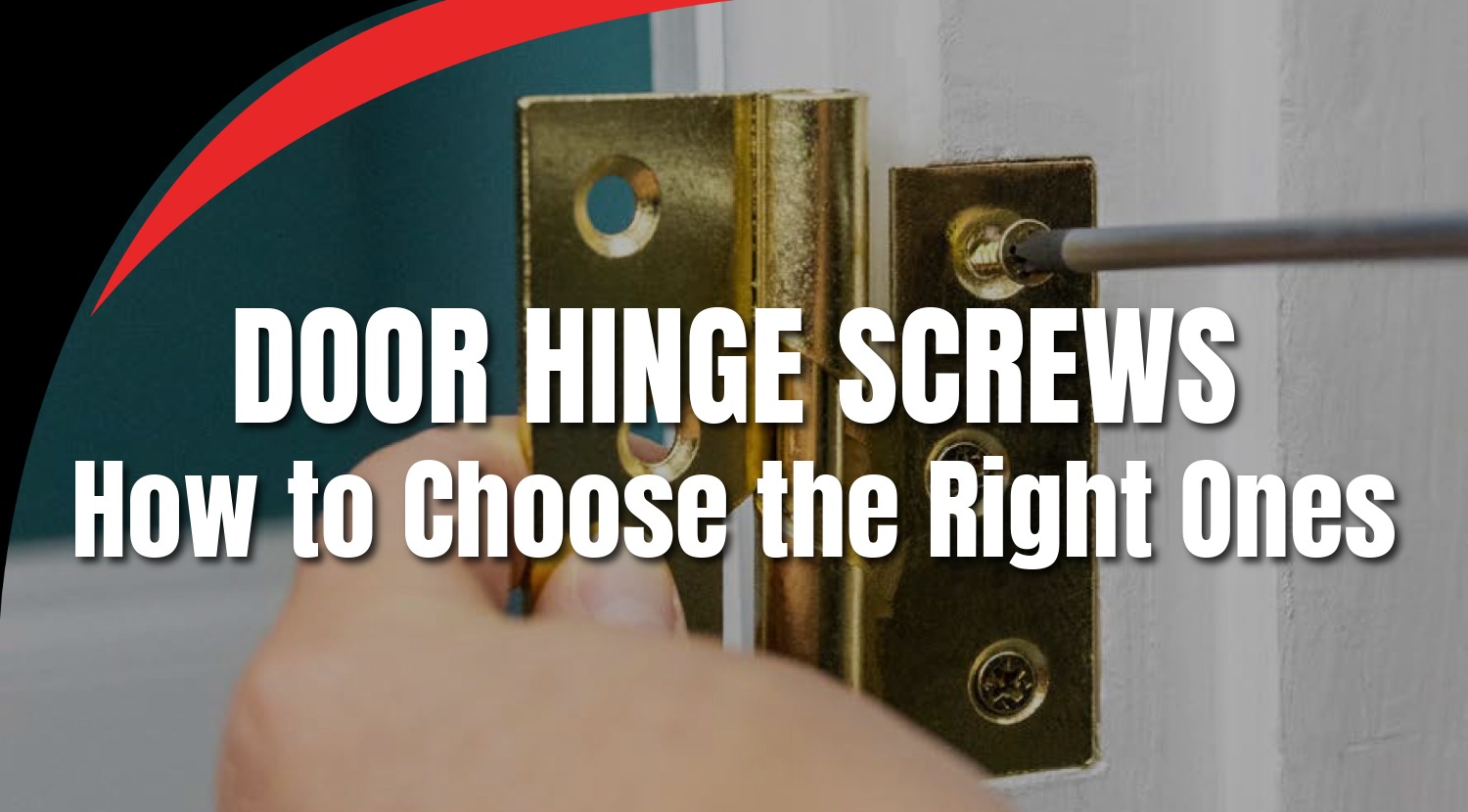
Picking the Right Door Hinge Screws for Your Doors
When it comes to hanging a door correctly, the hinges often get the spotlight. However, the screws you use to fix those hinges are just as important. Choosing the right door hinge screws can mean the difference between a door that swings smoothly for years, and one that drifts, squeaks or drops out of alignment. At Fast Fixings Online, we stock a range of Timco Classic Hinge screws designed for everyday door jobs. Below is a simple guide to help you pick the right ones for your project.
Why the Right Screw Matters
A hinge does more than help your door swing, it also bears the weight of the door, holds it upright, and ensures it aligns properly with the frame. If the screws are too short, too thin or the wrong type, that grip fails. Over time, the hinge can pull free, the door may sag, hinge pin alignment can shift and, in worst-case, the fixings may even damage the door frame.
By contrast, using properly sized hinge screws helps keep the door stable, secure and long-lasting. In short: the hinge screws are a small detail with a big job.
Key Factors When Choosing Door Hinge Screws
Before ordering screws for hinges, keep these points in mind:
- Screw length and penetration depth — For a secure fixing, hinge screws should penetrate sufficiently into the door frame. Some experts recommend a minimum of 30 mm penetration for reliable hold.
- Screw diameter and thread profile — The screw must match the hinge hole and be appropriate for the door/frame material (softwood, hardwood, MDF).
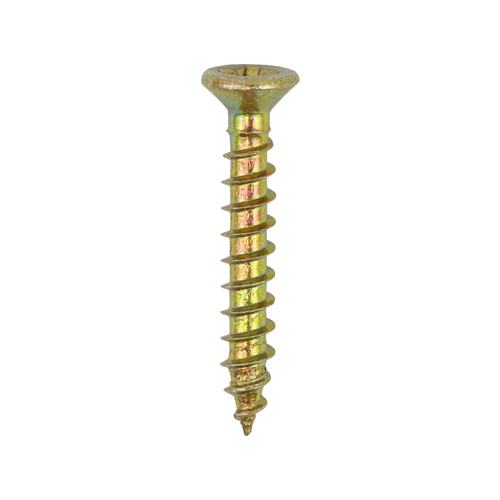
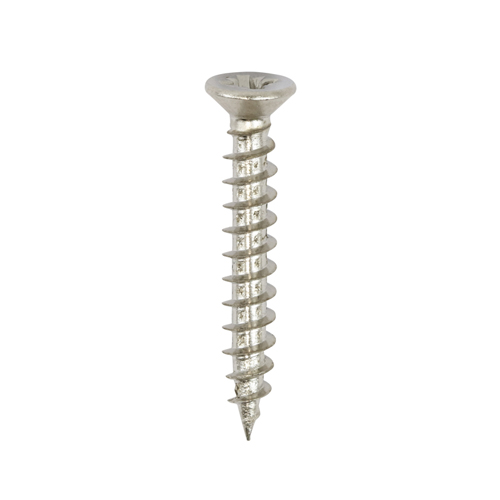
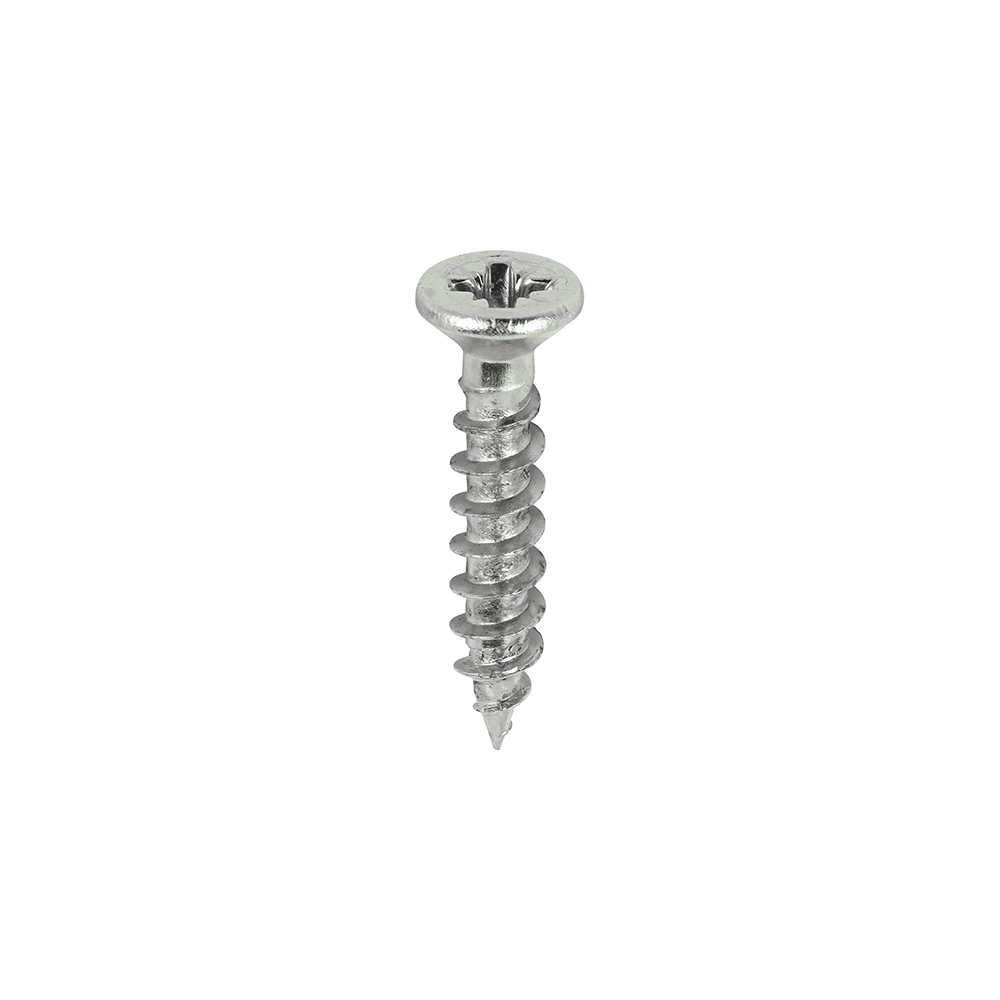
- Head type and drive style — Countersunk heads are common to ensure the hinge sits flush. Pozi (PZ) drive screws are common with Timco hinges.
- Material and finish — For standard internal doors, zinc-coated screws may suffice. If the door is in a damp area or external environment, consider corrosion-resistant or stainless screws.
- Door weight, frequency of use and frame type — Heavier doors, or those used frequently, benefit from longer screws and deeper anchorage.
Timco Classic Hinge Screws – Which Ones to Use and When
- 3.0 × 12 mm — suited for very light jobs (cupboards, small internal doors or light frames). Good when minimal penetration is needed.
- 3.0 × 16 mm — general-purpose hinge screws; ideal for lighter internal doors or thin frames where deeper screws aren’t necessary.
- 3.0 × 20 mm — reliable choice for standard internal doors or slightly thicker frames. Offers extra grip for better hinge hold.
- 3.0 × 25 mm — often the best all-round choice for typical UK internal doors; penetrates sufficiently for secure fixing without risk of going too deep or damaging frame.
Tip: Unless the door is heavy or the frame is exceptionally dense, the 20 mm or 25 mm screws provide the safest “goldilocks” balance of length vs hold.
How to Fit Hinges Correctly – Step by Step
- Measure door and frame thickness, timber type and weight before selecting screw size.
- Use a chisel to cut a proper recess for hinge leaf so it sits flush. Mark screw positions carefully.
- If timber is hard or dense, pre-drill pilot holes with a self-centering drill bit to avoid splitting.
- Choose the correct driver bit. Our Timco Classic Hinge screws use PZ (Pozi) drive.
- Insert screws, ensuring heads sit flush and hinge leaf is snug. Don’t over-tighten, just enough for a firm hold.
- Fit appropriate number of hinges: most standard internal doors benefit from three hinges for stability.
Common Mistakes — And How to Avoid Them
Using screws that are too short — this often results in weak hold or hinge pull-out over time.
Incorrect head type or drive — a screw head that isn’t flush can prevent the hinge leaf from sitting properly.
Ignoring screw material for damp or external environments — zinc screws in humid areas may corrode prematurely.
Failing to pre-drill in hard or dense timber — this can split the wood or misalign the hinge.
Over-tightening screws — driving screws too hard can strip wood fibres or damage hinge leaves.
Classic Hinge Screws
-
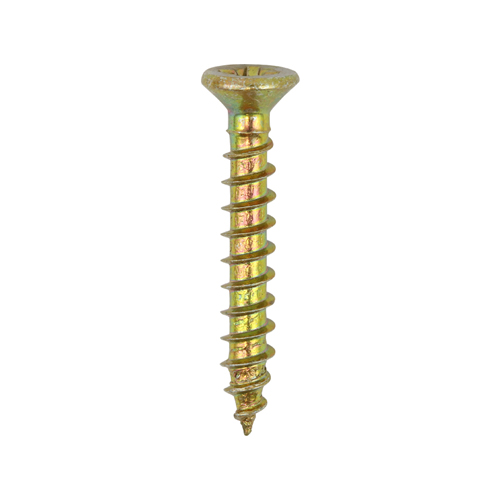
 Timco Classic Yellow Hinge Screws - Countersunk - 3.0mm x 20mm - Box of 200
£1.41 ex VAT(£1.69 inc VAT)
Timco Classic Yellow Hinge Screws - Countersunk - 3.0mm x 20mm - Box of 200
£1.41 ex VAT(£1.69 inc VAT)
-
 Timco Classic Yellow Hinge Screws - Countersunk - 3.0mm x 25mm - Box of 200
£1.49 ex VAT(£1.79 inc VAT)
Timco Classic Yellow Hinge Screws - Countersunk - 3.0mm x 25mm - Box of 200
£1.49 ex VAT(£1.79 inc VAT)
-
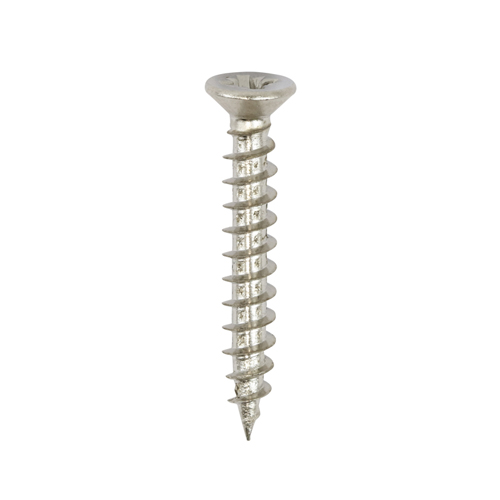
Timco Classic Nickel Hinge Screws - Countersunk - 3.0mm x 12mm - Box of 200
£1.99 ex VAT(£2.39 inc VAT)
-
 Timco Classic Yellow Hinge Screws - Countersunk - 3.0mm x 16mm - Box of 200
£1.24 ex VAT(£1.49 inc VAT)
Timco Classic Yellow Hinge Screws - Countersunk - 3.0mm x 16mm - Box of 200
£1.24 ex VAT(£1.49 inc VAT)
-
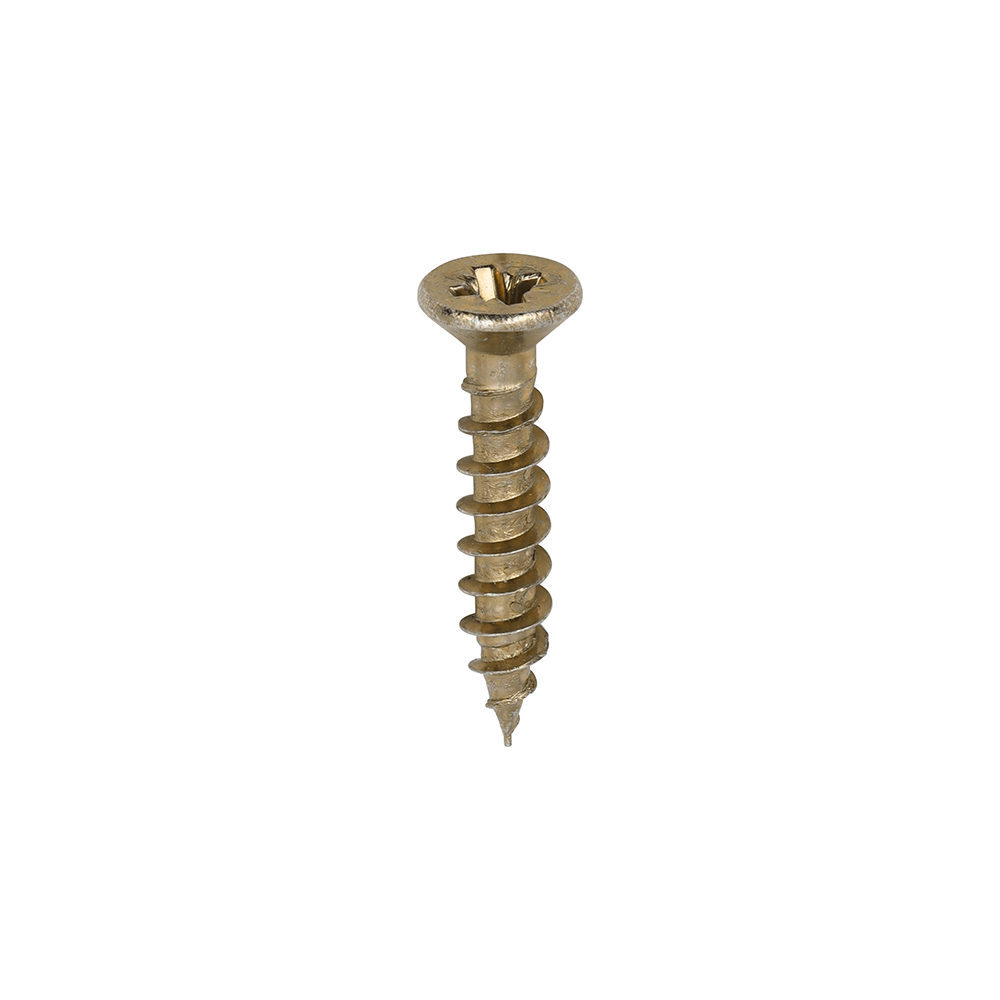
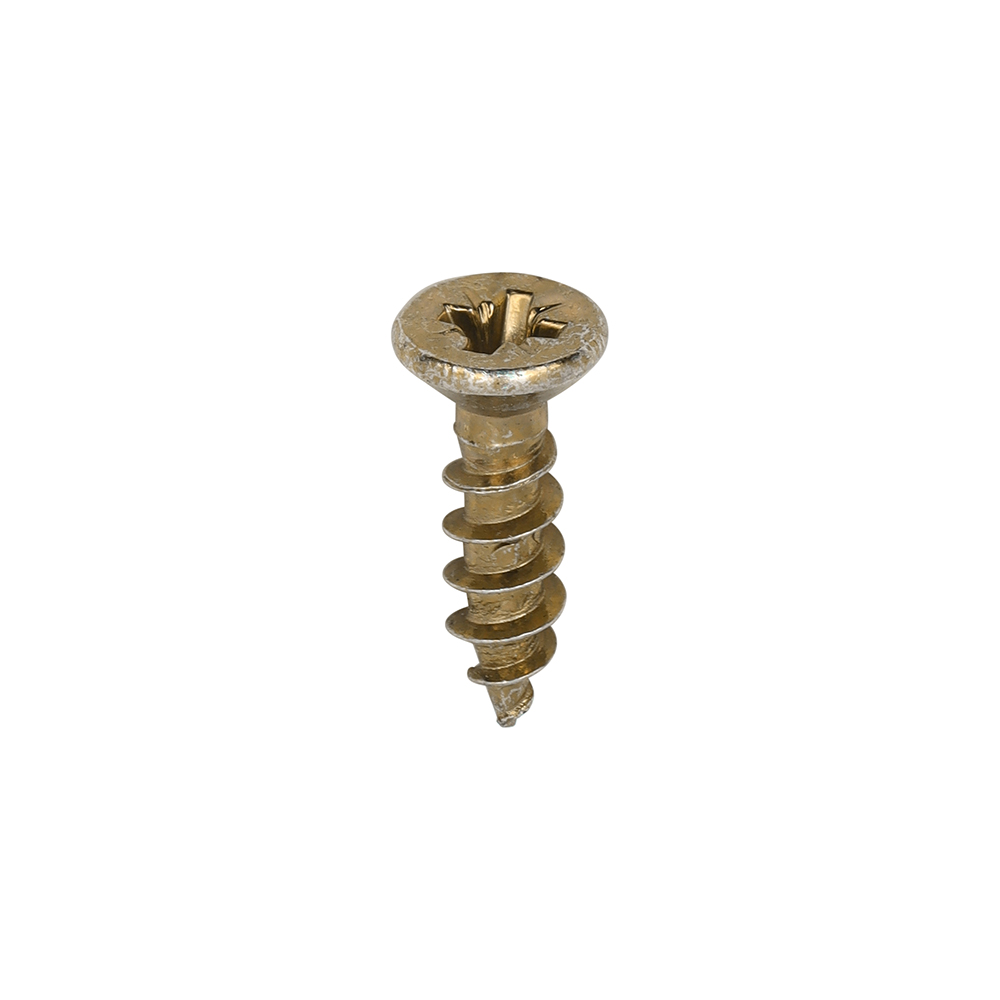
 Timco Classic Yellow Hinge Screws - Countersunk - 3.0mm x 12mm - Box of 200
£1.24 ex VAT(£1.49 inc VAT)
Timco Classic Yellow Hinge Screws - Countersunk - 3.0mm x 12mm - Box of 200
£1.24 ex VAT(£1.49 inc VAT)
-
Timco Classic Nickel Hinge Screws - Countersunk - 3.0mm x 20mm - Box of 200
£2.41 ex VAT(£2.89 inc VAT)
-
Timco Classic Nickel Hinge Screws - Countersunk - 3.0mm x 16mm - Box of 200
£2.16 ex VAT(£2.59 inc VAT)

Quick Reference Table
| Screw Size (mm) | Use Case / Door Type |
|---|---|
| 3.0 × 12 mm | Cupboard doors, very light internal doors, thin joinery |
| 3.0 × 16 mm | Light internal doors, thin frames, light woodwork |
| 3.0 × 20 mm | Medium internal doors, standard frames, good general use |
| 3.0 × 25 mm | Standard internal doors - ideal for most typical UK residential doors |
Get the Right Fixing, Once and for All
Using correct door hinge screws might seem like a small detail, but it’s one that affects the longevity, performance and safety of every door. By matching screw length, diameter, material and finish to the door type and frame, you set yourself up for years of trouble-free use.
At Fast Fixings Online, our Timco Classic Hinge screws cover the full range of common internal-door scenarios. If you follow the guide above, you’ll get the fit just right. That's no sagging, no squeaks, and no unwanted trips back to the workshop.
Next time you hang or repair a door: pick the right screw first. Your door - and the person using it - will thank you.