

 Screws
 Nails
Nails

 Fasteners & Fixings
 Adhesives & Building Chemicals

 Powertool Accessories

 Fence & Gate Hardware
 Building Supplies

 Security & Ironmongery
 Site and Access



 Hand Tools
 Painting & Decorating

 Workwear, PPE & Safety



Plaster Stop Beads
Plaster stop beads for creating clean, straight termination points in plaster and dry lining systems.
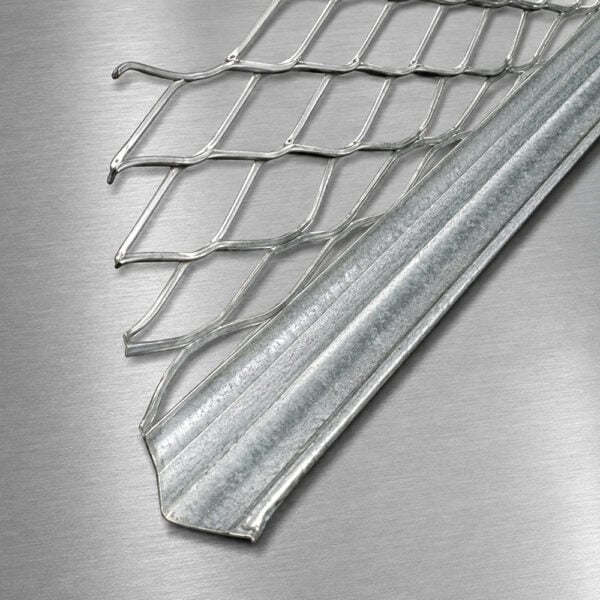
Plaster Stop – Galvanised – 2.4M x 10mm – Box of 50
In stock
£129.16 ex VAT(£154.99 inc VAT)
SKU:
PSG2.4X10
Plaster Stop – Galvanised – 2.4M x 13mm – Box of 50
In stock
£129.16 ex VAT(£154.99 inc VAT)
SKU:
PSG2.4X13
Plaster Stop – Galvanised – 3M x 10mm – Box of 50
In stock
£145.83 ex VAT(£174.99 inc VAT)
SKU:
PSG3X10
Plaster Stop – Galvanised – 3M x 13mm – Box of 50
In stock
£145.83 ex VAT(£174.99 inc VAT)
SKU:
PSG3X13
Plaster Stop – Galvanised – 3M x 19mm – Box of 50
In stock
£690.83 ex VAT(£828.99 inc VAT)
SKU:
PSG3X19
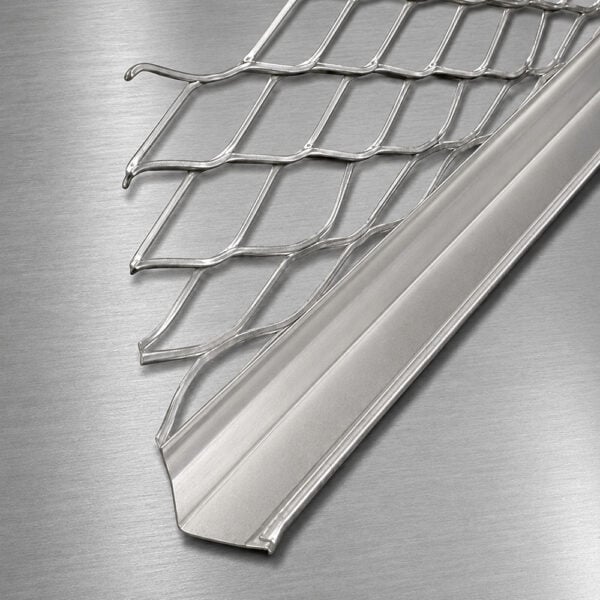
Plaster Stop – Stainless Steel – 3M x 10mm – Box of 50
In stock
£287.49 ex VAT(£344.99 inc VAT)
SKU:
PSS3X10
Plaster Stop – Stainless Steel – 3M x 13mm – Box of 50
In stock
£287.49 ex VAT(£344.99 inc VAT)
SKU:
PSS3X13
Plaster Stop – Stainless Steel – 3M x 16mm – Box of 50
In stock
£299.99 ex VAT(£359.99 inc VAT)
SKU:
PSS3X16
Plaster Stop – Stainless Steel – 3M x 20mm – Box of 50
In stock
£301.66 ex VAT(£361.99 inc VAT)
SKU:
PSS3X20
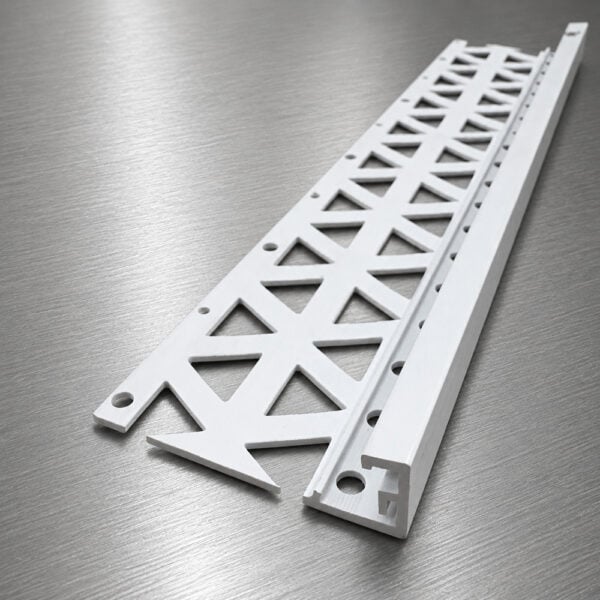
Plaster Stop – uPVC – 2.5M x 10-12mm – Box of 25
In stock
£109.99 ex VAT(£131.99 inc VAT)
SKU:
PBPS10-12
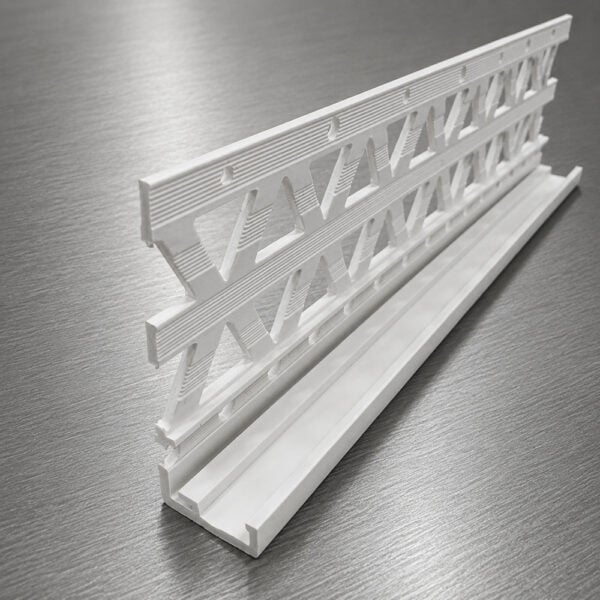
Plaster Stop – uPVC – 2.5M x 15-17mm – Box of 25
In stock
£113.33 ex VAT(£135.99 inc VAT)
SKU:
PBPS15-17
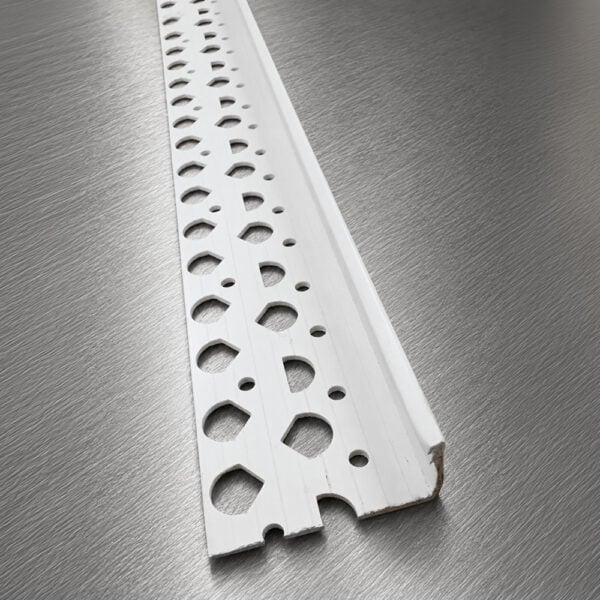
Plaster Stop – uPVC – 2.5M x 20-22mm – Box of 25
In stock
£127.49 ex VAT(£152.99 inc VAT)
SKU:
PBPS20-22
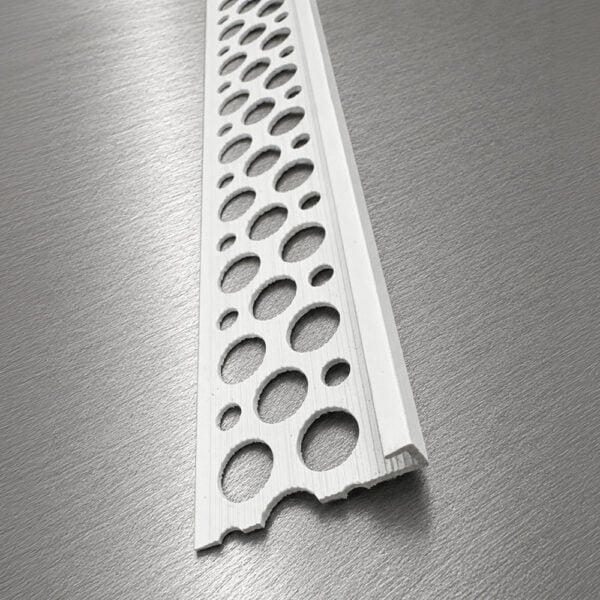
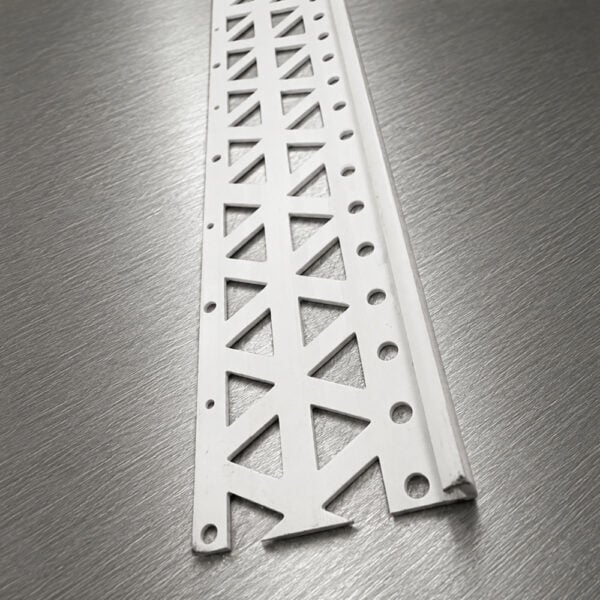
Plaster Stop – uPVC – 2.5M x 6-8mm – Box of 25
In stock
£100.83 ex VAT(£120.99 inc VAT)
SKU:
PBPS6-8
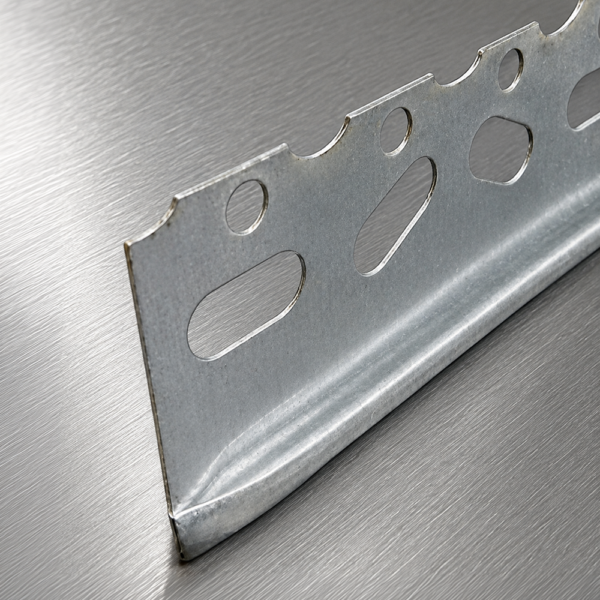
Thin Coat Plaster Stop – Galvanised – 2.4M x 3mm – Box of 50
In stock
£180.83 ex VAT(£216.99 inc VAT)
SKU:
PSTCG2.4
Thin Coat Plaster Stop – Galvanised – 3M x 3mm – Box of 50
In stock
£222.49 ex VAT(£266.99 inc VAT)
SKU:
PSTCG3
Plaster Stop Beads
Plaster stop beads are used to create clean, defined plaster edges where plaster finishes against adjoining materials. They help form a neat termination point on reveals, frames and exposed edges while improving consistency across plastering and dry lining work.
Plaster Stop Beads at a Glance
| Type | Material | Lengths | Sizes Available | Pack Qty | Best For |
|---|---|---|---|---|---|
| Thin Coat Plaster Stop | Pre-galvanised steel | 2.4m, 3m | 3mm | Box of 50 | Thin-coat and skim plaster systems |
| Plaster Stop | Pre-galvanised steel | 2.4m, 3m | 10mm, 13mm, 19mm | Box of 50 | Internal plastering and standard plaster builds |
| Plaster Stop | Stainless steel | 3m | 10mm, 13mm, 16mm, 20mm | Box of 50 | External or damp applications where a suitable plaster stop bead is specified |
| Plaster Stop | uPVC | 2.5m | 3mm, 6–8mm, 10–12mm, 15–17mm, 20–22mm | Box of 25 | External or damp-prone environments |
What are plaster stop beads used for?
- Create clean, defined plaster termination points
- Form neat edges against frames and adjoining materials
- Improve consistency across reveals and openings
- Help achieve a sharper, more professional finish
Where should plasterboard stop beads be used?
Plaster stop beads are commonly used where plaster needs to stop neatly against another surface, rather than continuing around a corner or edge.
- Door and window reveals
- Plaster terminations against other materials
- Internal plastered walls and ceilings
- Damp or exposed applications where a suitable stop bead material and plastering system are specified
Thin coat vs standard plaster stop beads
Thin coat plaster stop beads are designed for skim and thin-coat plaster systems, typically around 3mm. They are ideal where a low-profile finish is needed on plasterboard or aerated blockwork.
Standard plaster stop beads are used for thicker plaster builds where a deeper stop bead is required to match the finish depth.
Choosing the right material
Galvanised plaster stop beads are a reliable choice for internal plastering in dry conditions. They provide a strong, straight edge for standard site work.
Stainless steel plaster stop beads are best suited to external use, rendering, or internal areas exposed to moisture or condensation.
uPVC plaster stop beads offer a non-metal option for damp-prone or external environments and are available in a wide range of depth bands to suit different plaster builds.
Choosing the right size plaster stop bead
The bead depth should suit the thickness of the plaster system and the finished detail required. Selecting the correct profile helps create a clean termination and consistent finished edge.
3mm thin coat stop beads are designed for skim and thin-coat plaster systems, while deeper stop bead profiles are available for applications requiring a greater finish depth.
Always check the individual product specifications and installation guidance when selecting the correct profile.
Supplied for trade and site use
Our plaster stop beads are supplied in trade pack quantities to suit regular site use and larger jobs. Galvanised and stainless steel options are supplied in boxes of 50, while uPVC stop beads are supplied in boxes of 25.
Related Plasterboard Beading Products
If you're completing a full plastering or dry lining project, you may also need beads for corners, exposed edges and movement control.
- Corner Beads / Angle Beads – for protecting and reinforcing external corners while creating a straight, consistent finish.
- Edge Beads – for protecting exposed plasterboard edges and creating clean finishing lines.
- Movement Beads – for accommodating movement within plaster and render systems and helping reduce the risk of cracking.
Not sure whether you need a plaster stop bead, edge bead, corner bead or another profile? Read our Complete Guide to Plasterboard Beading for help comparing the different bead types, materials, depths and applications.
Plaster Stop Beads FAQs
What is a plaster stop bead used for?
A plaster stop bead is used to create a clean termination where plaster finishes against another surface, such as a frame, reveal or adjoining material.
What is the difference between a stop bead and a corner bead?
A stop bead creates a defined termination where the plaster finish ends, while a corner bead protects and reinforces an external corner.
What is the difference between a stop bead and an edge bead?
A plaster stop bead creates a defined point where the plaster finish terminates. An edge bead is used to protect and finish an exposed plasterboard edge. The correct profile depends on the construction and finished detail required.
When should I use stainless steel plaster stop beads?
Stainless steel provides greater corrosion resistance and may be required in external, damp or exposed applications. Always select the material to suit the environment and plastering system.
What size plasterboard stop bead do I need?
The correct size depends on the required plaster depth and bead profile. Thin-coat systems may use a 3mm stop bead, while deeper profiles are available for applications requiring a greater finish depth.
Need help choosing the right plaster stop bead?
If you're unsure which stop bead is right for your job, get in touch and our team will help you choose the best option for your plaster depth and application.