

 Screws
 Nails
Nails
 Fasteners & Fixings
 Adhesives & Building Chemicals
 Powertool Accessories
 Fence & Gate Hardware
 Building Supplies

 Security & Ironmongery
 Site and Access


 Hand Tools
 Painting & Decorating

 Workwear, PPE & Safety



Movement Beads
Browse our range of movement beads for plaster and render systems, designed to reduce cracking and accommodate structural movement.
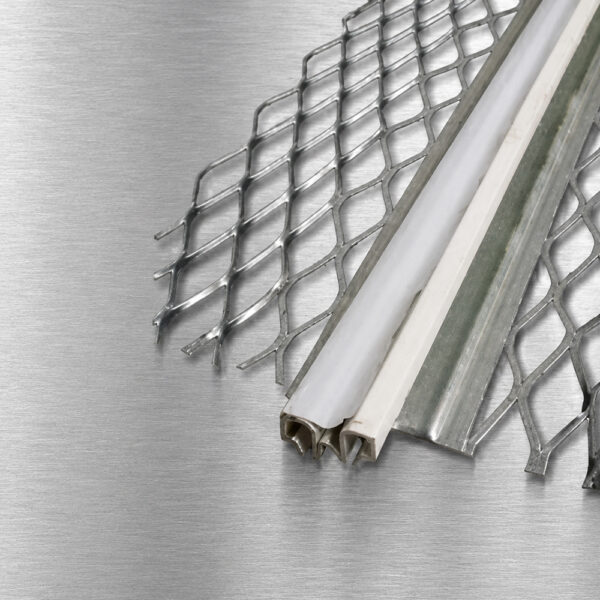
Movement Bead – Galvanised – 3M x 12mm – Box of 50
In stock
£1,149.99 ex VAT(£1,379.99 inc VAT)
SKU:
MB3X12
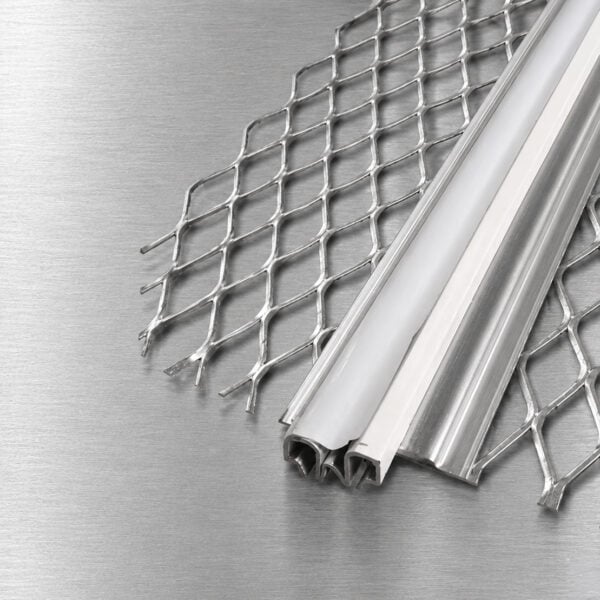
Movement Bead – Stainless Steel – 3M x 16mm – Box of 50
In stock
£1,198.33 ex VAT(£1,437.99 inc VAT)
SKU:
MBS3X16
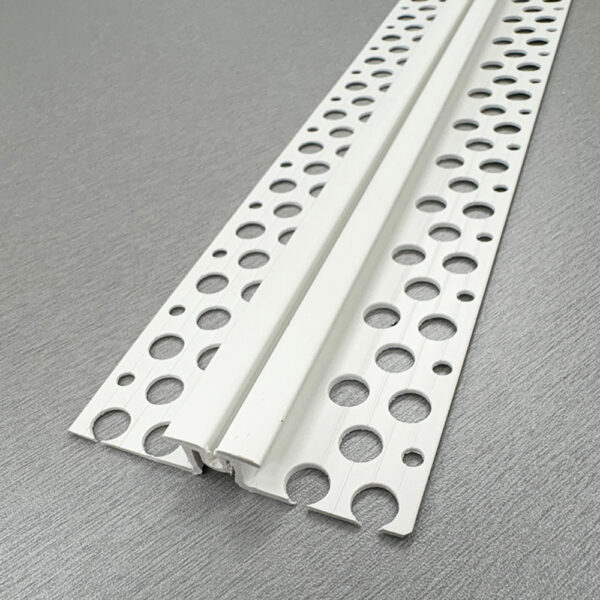
Movement Bead – uPVC – 2.5M x 10mm – Box of 25
In stock
£231.66 ex VAT(£277.99 inc VAT)
SKU:
PBMB2.5X10
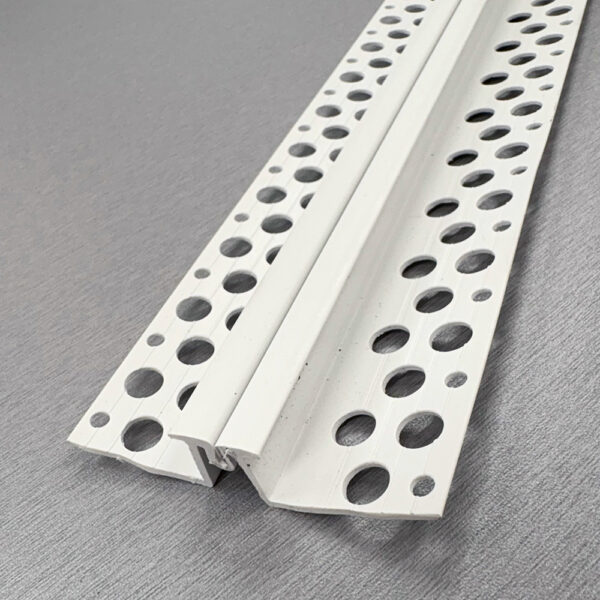
Movement Bead – uPVC – 2.5M x 15mm – Box of 25
In stock
£249.99 ex VAT(£299.99 inc VAT)
SKU:
PBMB2.5X15
Movement Bead – uPVC – 2.5M x 20mm – Box of 25
In stock
£261.24 ex VAT(£313.49 inc VAT)
SKU:
PBMB2.5X20
Movement Beads
Movement beads are designed to accommodate expansion and contraction within plaster and render systems, helping to reduce cracking and maintain a clean finish. They are commonly used where movement is expected across larger surfaces or between different substrates.
Movement Beads at a Glance
| Material | Length | Sizes Available | Pack Qty | Best For |
|---|---|---|---|---|
| Pre-galvanised steel | 3m | 12mm | Box of 50 | Internal plastering and render systems |
| Stainless steel | 3m | 16mm | Box of 50 | External and exposed environments |
| uPVC | 2.5m | 10mm, 15mm, 20mm | Box of 25 | Internal and external movement joints |
What are movement beads used for?
- Allow controlled movement in plaster and render systems
- Reduce cracking caused by expansion and contraction
- Accommodate movement within plaster and render systems
- Maintain a clean and consistent finish over time
Where should movement beads be used?
Movement beads are installed in areas where surfaces are likely to move or where stress could cause cracking in the finish.
- Long or uninterrupted wall runs
- Junctions between different substrates
- Areas subject to thermal or structural movement
- Changes in render or plaster finish
Choosing the right material
Galvanised movement beads are suitable for internal plastering applications and provide a strong, reliable solution for standard environments.
Stainless steel movement beads are ideal for external or exposed conditions where corrosion resistance is required.
uPVC movement beads offer a flexible, non-metal option that performs well in both internal and external environments, particularly where moisture is present.
Choosing the right size
Movement beads are available in different sizes to suit different plaster and render systems. The correct profile should be selected to suit the required finish depth and application.
Always check the individual product specifications and relevant installation guidance when selecting a movement bead for your project.
Supplied for trade and site use
Movement beads are supplied in trade pack quantities to suit larger jobs and repeat use. Galvanised and stainless steel options are supplied in boxes of 50, while uPVC beads are supplied in boxes of 25.
Related Plasterboard Beading Products
If you're working on a full plastering or rendering project, you may also need beads for clean terminations, corners and finishing details.
- Render Stop Beads – for creating clean terminations and defined edges in render systems.
- Plaster Stop Beads – for creating neat plaster terminations and clean finishing edges.
- Corner Beads / Angle Beads – for protecting and reinforcing external corners while creating a straight, consistent finish.
Not sure whether you need a movement bead, stop bead or another profile? Read our Complete Guide to Plasterboard Beading for help comparing different bead types, materials, depths and applications.
Movement Beads FAQs
What are movement beads used for?
Movement beads are used to accommodate movement within plaster and render systems, helping reduce the risk of cracking as the background expands, contracts or moves.
Where should movement beads be installed?
Movement beads are used where movement needs to be accommodated within the plaster or render system. Their position and spacing should follow the relevant project, system and manufacturer guidance.
Can movement beads be used externally?
Movement beads are available in materials suitable for different environments. Stainless steel and appropriate uPVC profiles can provide greater resistance to moisture and corrosion where required.
What size movement bead should I use?
The correct size depends on the plaster or render system, required finish depth and application. Check the individual product specifications and installation guidance before selecting a profile.
Need help choosing the right movement bead?
If you're unsure which movement bead is right for your job, get in touch and our team will help you choose the best option for your application.