

 Screws
 Nails
Nails
 Fasteners & Fixings
 Adhesives & Building Chemicals
 Powertool Accessories
 Fence & Gate Hardware
 Building Supplies

 Security & Ironmongery
 Site and Access


 Hand Tools
 Painting & Decorating
 Workwear, PPE & Safety



Plasterboard Beading
Professional plasterboard beading solutions for clean edges, strong corners, and durable plaster finishes.
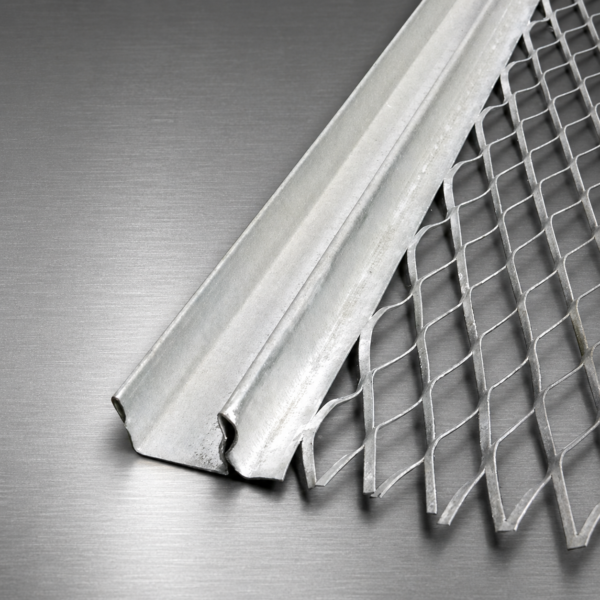
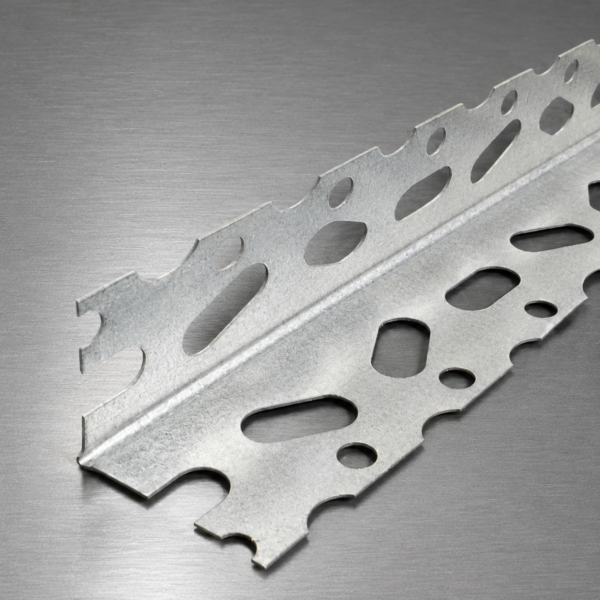
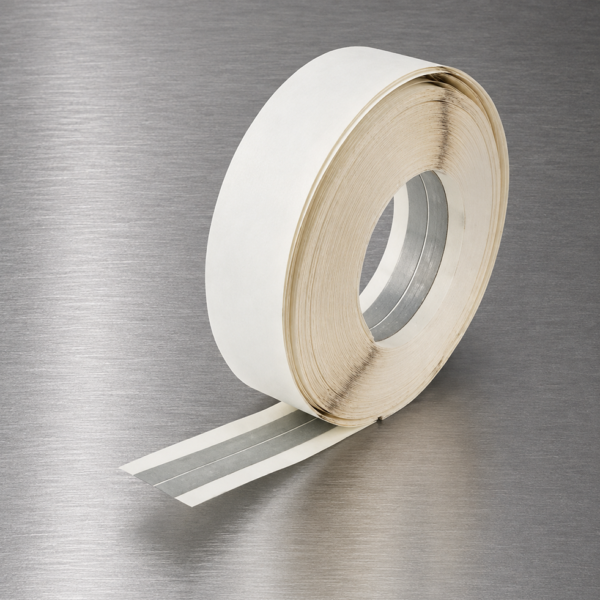
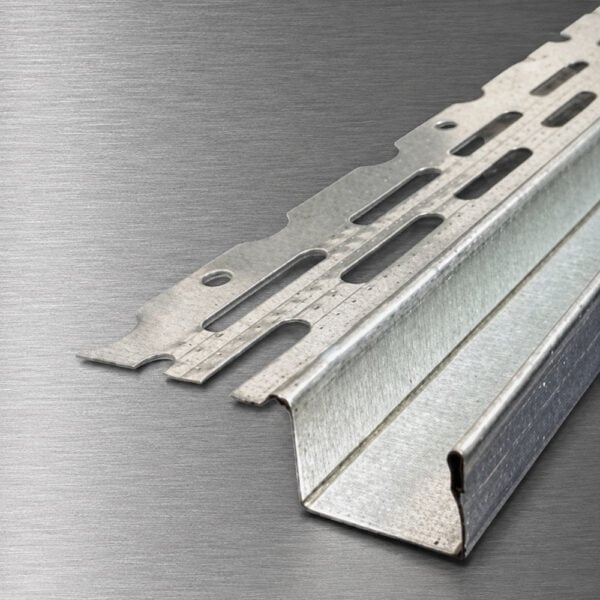
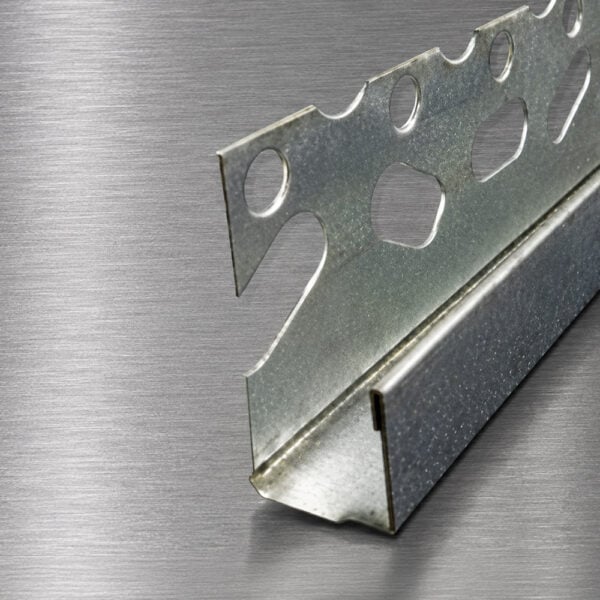
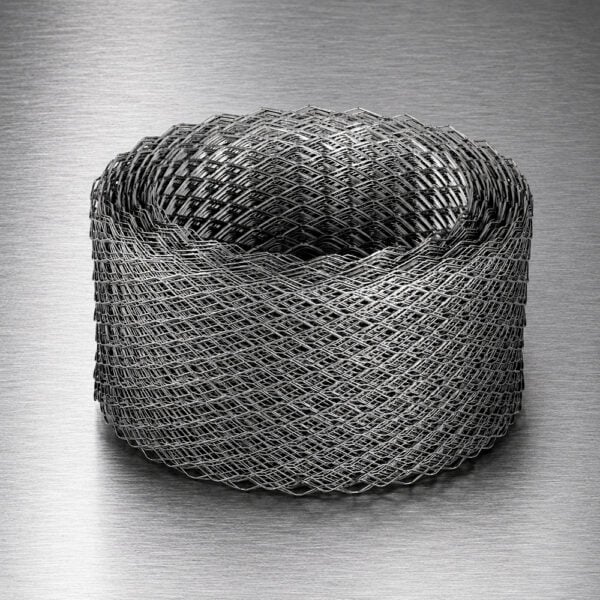
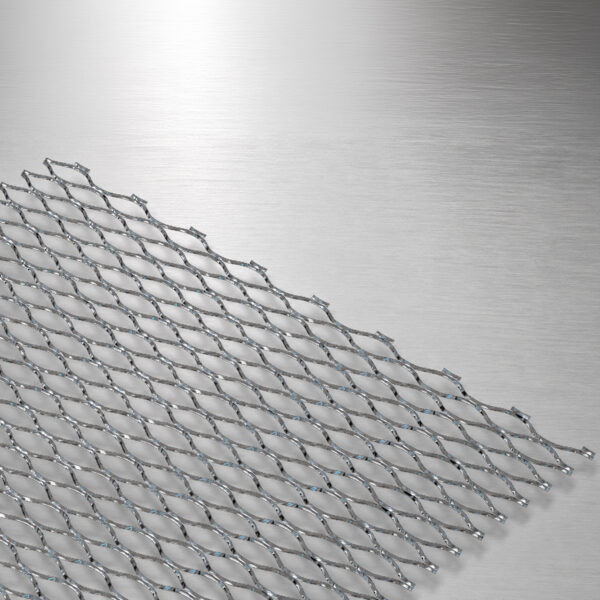
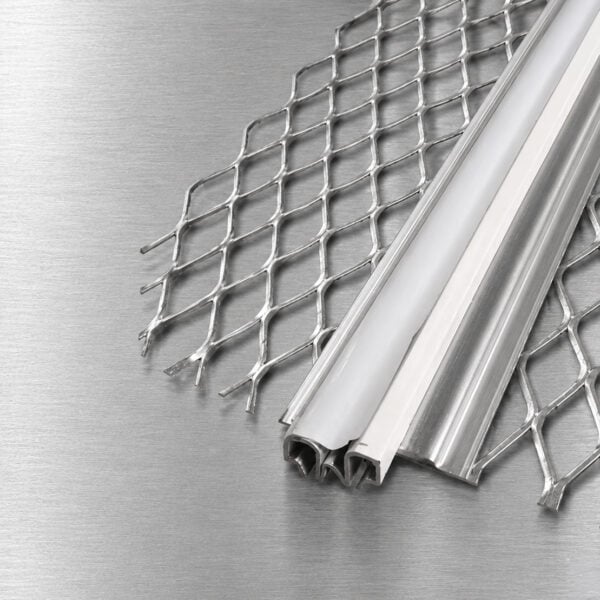
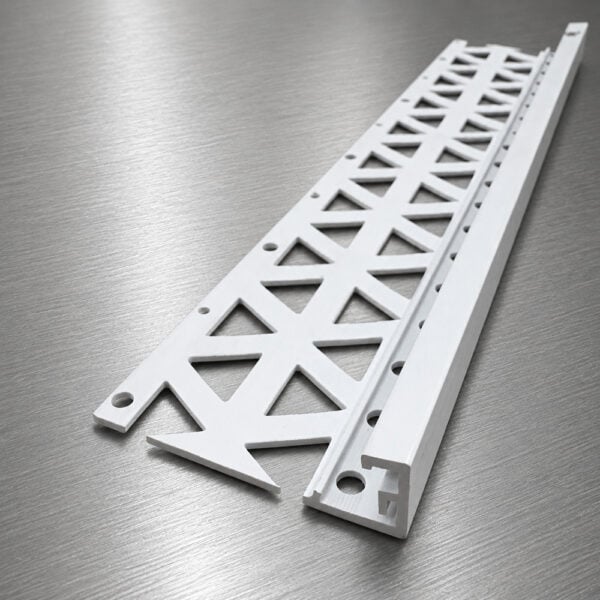
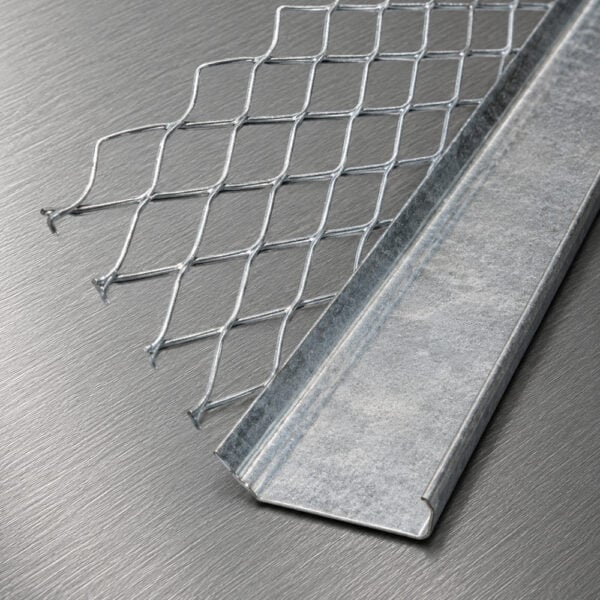
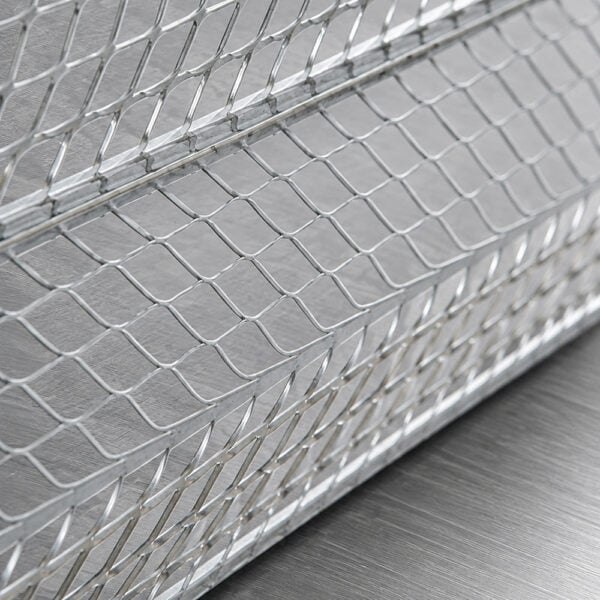
Plasterboard Beading
Plasterboard beading is used to create clean edges, protect corners, reinforce joints, and improve the durability of plaster finishes across internal and external applications.
Plasterboard Beading at a Glance
- Forms straight, clean edges and corners
- Reinforces plasterboard joints and weak points
- Controls cracking caused by movement
- Protects plaster from impact and damage
- Supports plaster and render on difficult surfaces
What is plasterboard beading?
Plasterboard beading is used to reinforce, protect, and define edges, corners, joints, and movement points within plasterboard and plastering systems. It helps create straight lines, consistent depths, and long-lasting finishes, particularly in areas prone to impact or cracking.
Whether you're forming corners, reinforcing joints, managing movement, or preparing surfaces for plaster or render, choosing the right bead plays a key role in the final finish. Not sure which type you need? Read our complete guide to plasterboard beading for help comparing bead types, materials, depths and applications.
Where is plasterboard beading used?
Corners and edges
Corner beads and edge beads protect vulnerable plasterboard edges while maintaining straight, consistent lines. They reduce chipping and improve durability in high-traffic areas.
Joints and repairs
Drywall joint tape, corner tape, and mesh reinforce board joints and patch repairs, helping prevent cracking and improving plaster adhesion.
Stops, reveals, and transitions
Plaster stop beads and render stop beads create clean termination points around windows, doors, ceilings, and material changes.
Movement control
Movement beads allow plaster finishes to expand and contract naturally, reducing cracking on longer wall runs and structural junctions.
Reinforcement and substrates
Expanded metal lath, rib lath, and render mesh provide a strong mechanical key for plaster and render, especially on ceilings, masonry, and uneven surfaces.
Types of plasterboard beading we stock
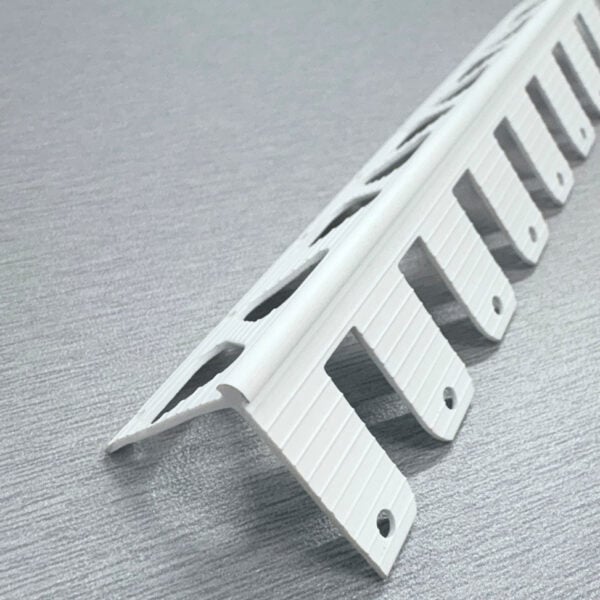
- Corner Beads – For strong, straight corners
- Edge Beads – For reinforcing plasterboard edges
- Arch Beads & Architrave Feature Beads – For curved and decorative finishes
- Drywall Feature Beads – For modern shadow gaps and detailing
- Plaster Stop Beads – For clean plaster terminations
- Render Stop Beads – For controlled render edges and drip details
- Movement Beads – For crack control and expansion
- Drywall & Corner Tape – For jointing and repairs
- Expanded Metal Lath (Sheet & Coil) – For plaster reinforcement
- Rib Lath Sheets – For high-strength reinforcement on ceilings and wide spans
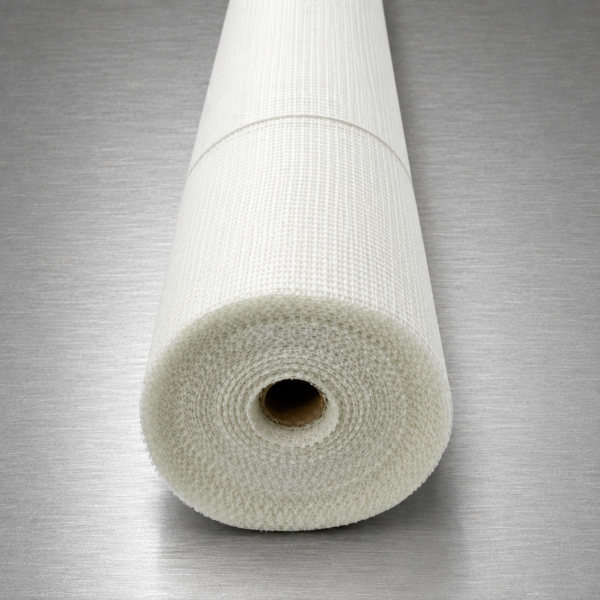
- Alkaline Resistant Render Mesh – For reinforcing render systems
Available in galvanised steel, stainless steel, and uPVC, our range covers internal applications as well as damp or exposed environments.
Which plasterboard bead do I need?
Choosing the right bead depends on the area you're working on, the plaster depth, and the finish required. Use the quick guide below to find the right option for your job.
| Application | Recommended Product | Why |
|---|---|---|
| External corners | Corner Beads / Angle Beads | Creates strong, straight edges and protects against impact |
| Board edges and reveals | Edge Beads | Reinforces edges and improves finish consistency |
| Stopping plaster neatly | Plaster Stop Beads | Creates clean termination points |
| External render edges | Render Stop Beads | Allows controlled water run-off and clean edges |
| Movement joints | Movement Beads | Prevents cracking caused by expansion and contraction |
| Board joints and repairs | Drywall & Corner Tape | Reinforces joints and prevents cracking |
| Ceilings or wide spans | Rib Lath Sheets | Provides extra strength and rigidity |
| Plaster over masonry | Expanded Metal Lath | Creates a strong mechanical key |
| Render reinforcement | Render Mesh | Reduces cracking and strengthens render systems |
Need more help choosing?
Our complete plasterboard beading guide explains the different bead profiles, materials, depths and applications in more detail, including angle beads, stop beads, movement beads, EML, rib lath and render mesh.
Why use plasterboard beading?
- Creates clean, straight finishes
- Strengthens corners and edges
- Reduces cracking and surface failure
- Speeds up installation
- Improves long-term durability
Choosing the right plasterboard bead
The right bead depends on the application, plaster depth, and environment.
- Galvanised steel – ideal for most internal plastering work
- Stainless steel – best for external or damp environments
- uPVC – corrosion-free option for moisture-prone areas
Always follow manufacturer guidance for installation and fixing to achieve the best finish.
Plasterboard Beading FAQs
What is plasterboard beading used for?
It is used to reinforce edges, protect corners, and create clean finishes when plastering or dry lining.
What bead should I use for plasterboard corners?
Corner beads or angle beads are typically used to form strong, straight edges on external corners.
Do I need movement beads?
Movement beads are recommended on large wall areas or where structural movement may occur to prevent cracking.
What is the difference between plaster stop beads and render stop beads?
Plaster stop beads are used for internal plaster finishes, while render stop beads are designed for external systems with water run-off.
When should I use metal lath or rib lath?
These are used where plaster needs a strong mechanical key, such as ceilings, masonry, or uneven surfaces.