Screws
 Nails
Nails
 Fasteners & Fixings
 Adhesives & Building Chemicals
 Powertool Accessories
 Fence & Gate Hardware
 Building Supplies
 Security & Ironmongery
 Site and Access

 Hand Tools
 Painting & Decorating


 Workwear, PPE & Safety



Drill for Hole Saw: What You Need to Know Before You Start

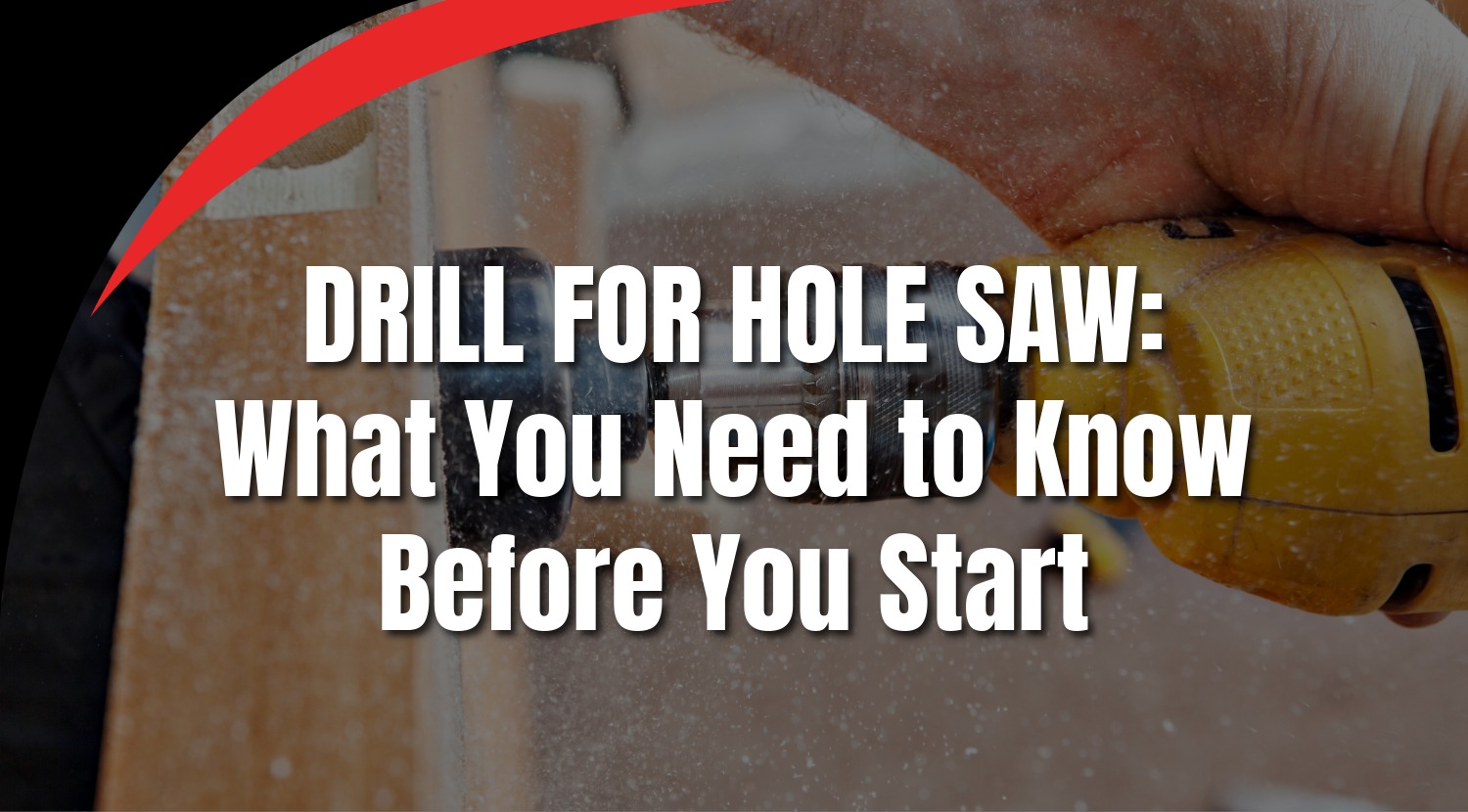



If you’ve searched for “drill for hole saw”, you’re not alone.
It’s a common phrase, and it usually comes from uncertainty about what you actually need to cut clean, accurate circular holes.
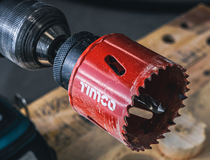
A hole saw isn’t just one tool. Instead, it’s a cutting system that works together with your drill and the correct accessories. In this guide, we’ll explain exactly how it works, what drill you need, and which hole saw accessories matter most.
A hole saw is a circular cutting tool designed to create large, round holes in materials such as wood, plasterboard, plastics, and metal.
Rather than removing all the material like a standard drill bit, a hole saw cuts around the edge of the hole. As a result, it’s quicker, cleaner, and far more efficient for larger diameters.
Hole saws are commonly used for:
This is where confusion often starts.
When people say drill for hole saw, they usually mean one of three things:
Understanding the difference is key – because without the right combination, a hole saw simply won’t work correctly.
The drill powers the hole saw, so choosing the right type matters.
Cordless Drills
Cordless drills are ideal for smaller hole saws and lighter materials such as timber and plasterboard. Look for:
Corded Drills
Corded drills offer consistent power, making them better for:
SDS Drills
SDS drills can be used only with the correct SDS arbor. While they provide power, they’re not always suitable for delicate work and should be used with care.
This is the most important part of any hole saw setup.
The Hole Saw
The cutting cup itself. Available in various diameters and tooth designs depending on the material you’re cutting.
The Arbor (Mandrel)
The arbor connects the hole saw to your drill. It:
Different arbors are used for different hole saw sizes.
The Pilot Drill
The pilot drill sits in the centre of the arbor. It:
Extension Rods
Used when extra reach or deeper cutting is required, especially in thick walls or awkward positions.
Constant pitch holesaws feature evenly spaced teeth around the cutting edge. They’re a solid choice for general-purpose drilling, especially in timber, plasterboard, and plastics.
Because the tooth pattern is consistent, they offer predictable cutting performance and are easy to control when used with a suitable drill and arbor.
Variable pitch holesaws use uneven tooth spacing to reduce vibration during cutting. This design helps produce smoother, cleaner holes, particularly when drilling metal or mixed materials.
They’re a good option for tougher jobs where control, accuracy, and reduced chatter matter.
A holesaw arbor (sometimes called a mandrel) connects the hole saw to your drill. It’s a vital part of the setup, as it transfers power from the drill and keeps the hole saw secure during use.
Different arbors suit different hole saw sizes, so choosing the correct arbor ensures safer operation and better cutting performance.
Holesaw pilot drills sit in the centre of the arbor and guide the hole saw as drilling begins. Their main role is to keep the hole saw centred, preventing it from wandering across the surface.
A good pilot drill improves accuracy, helps achieve a clean finish, and makes the cutting process far more controlled.
Using the correct drill and accessories makes a big difference to results.
Matching the setup properly helps prevent overheating, tool wear, and rough finishes.
Even experienced users can run into issues. Here are some common problems to avoid:
A steady approach always delivers cleaner, safer results.
Quality accessories improve:
Well-made arbors and pilot drills reduce vibration and help the hole saw cut smoothly – especially when working with harder materials or larger diameters.
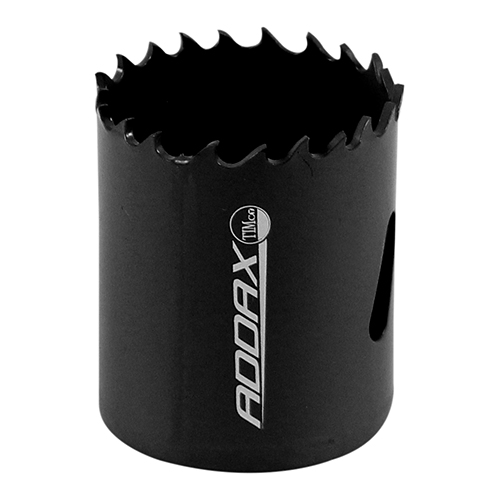 Timco Holesaw - Constant Pitch - 60mm
£8.74 ex VAT(£10.49 inc VAT)
Timco Holesaw - Constant Pitch - 60mm
£8.74 ex VAT(£10.49 inc VAT)
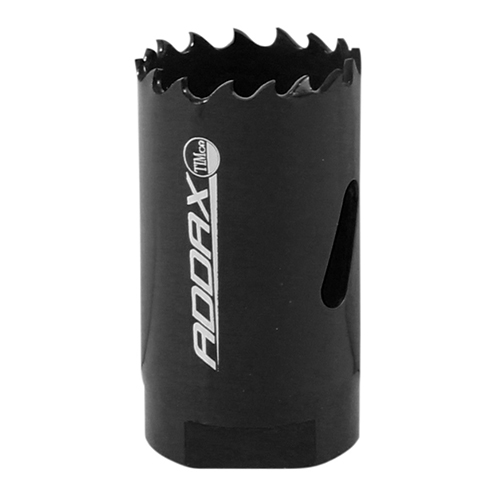 Timco Holesaw - Constant Pitch - 35mm
£6.74 ex VAT(£8.09 inc VAT)
Timco Holesaw - Constant Pitch - 35mm
£6.74 ex VAT(£8.09 inc VAT)
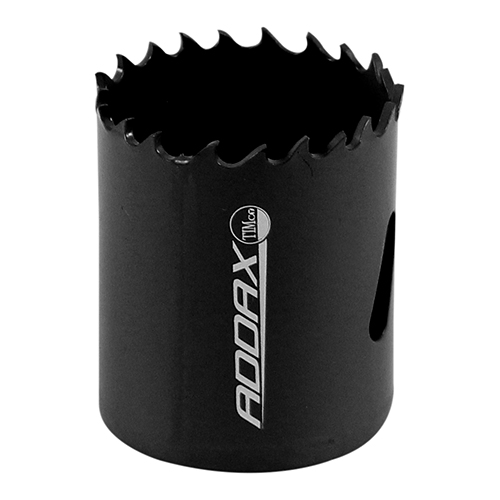 Timco Holesaw - Constant Pitch - 64mm
£8.74 ex VAT(£10.49 inc VAT)
Timco Holesaw - Constant Pitch - 64mm
£8.74 ex VAT(£10.49 inc VAT)
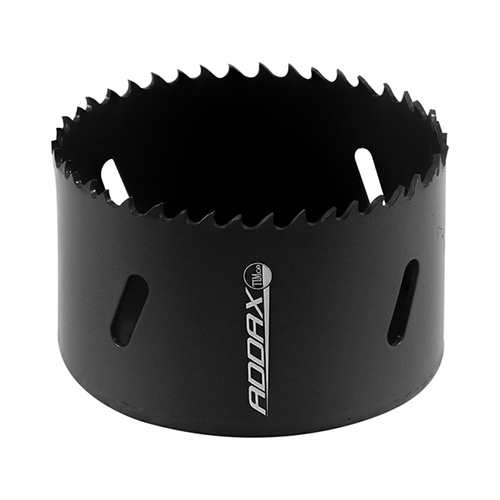 Timco Holesaw - Constant Pitch - 79mm
£9.58 ex VAT(£11.49 inc VAT)
Timco Holesaw - Constant Pitch - 79mm
£9.58 ex VAT(£11.49 inc VAT)
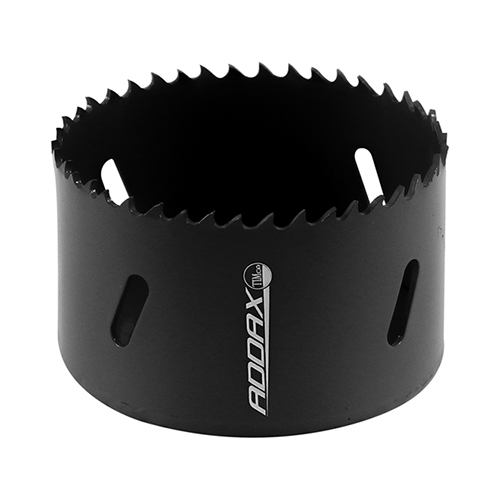 Timco Holesaw - Constant Pitch - 102mm
£13.33 ex VAT(£15.99 inc VAT)
Timco Holesaw - Constant Pitch - 102mm
£13.33 ex VAT(£15.99 inc VAT)
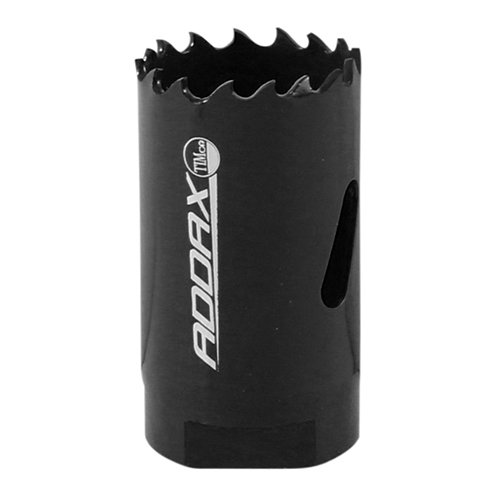 Timco Holesaw - Constant Pitch - 30mm
£6.16 ex VAT(£7.39 inc VAT)
Timco Holesaw - Constant Pitch - 30mm
£6.16 ex VAT(£7.39 inc VAT)
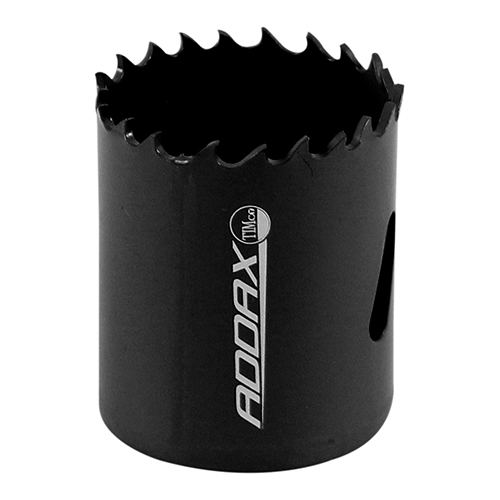 Timco Holesaw - Constant Pitch - 70mm
£8.99 ex VAT(£10.79 inc VAT)
Timco Holesaw - Constant Pitch - 70mm
£8.99 ex VAT(£10.79 inc VAT)
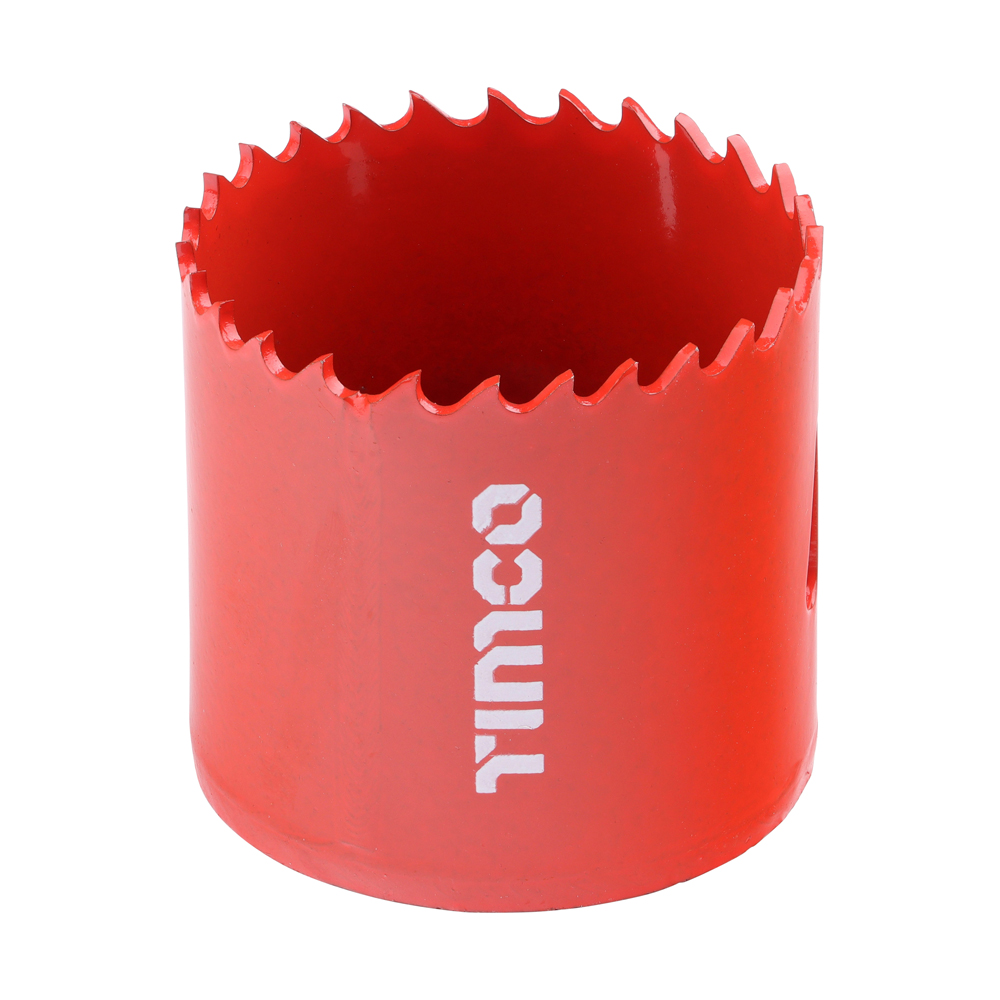 Timco Holesaw - Variable Pitch - 48mm
£5.74 ex VAT(£6.89 inc VAT)
Timco Holesaw - Variable Pitch - 48mm
£5.74 ex VAT(£6.89 inc VAT)
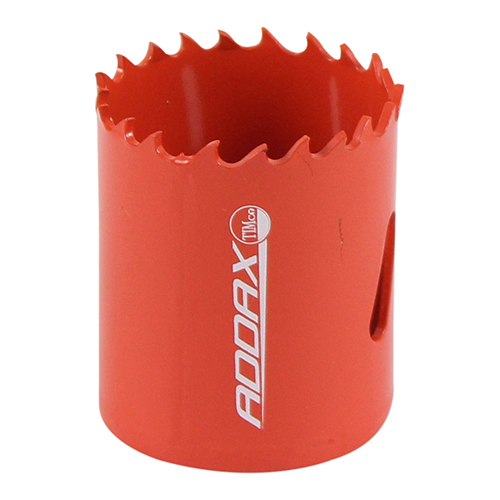 Timco Holesaw - Variable Pitch - 73mm
£6.99 ex VAT(£8.39 inc VAT)
Timco Holesaw - Variable Pitch - 73mm
£6.99 ex VAT(£8.39 inc VAT)
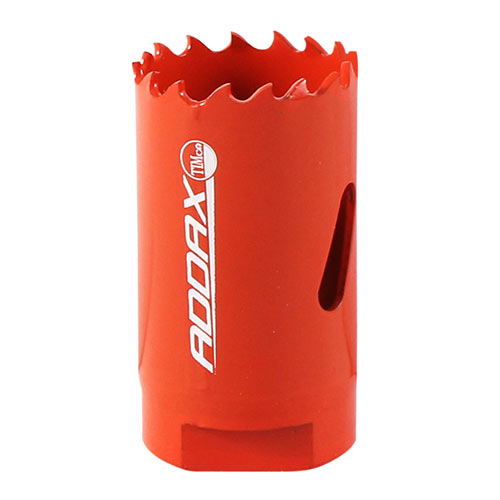 Timco Holesaw - Variable Pitch - 16mm
£2.99 ex VAT(£3.59 inc VAT)
Timco Holesaw - Variable Pitch - 16mm
£2.99 ex VAT(£3.59 inc VAT)
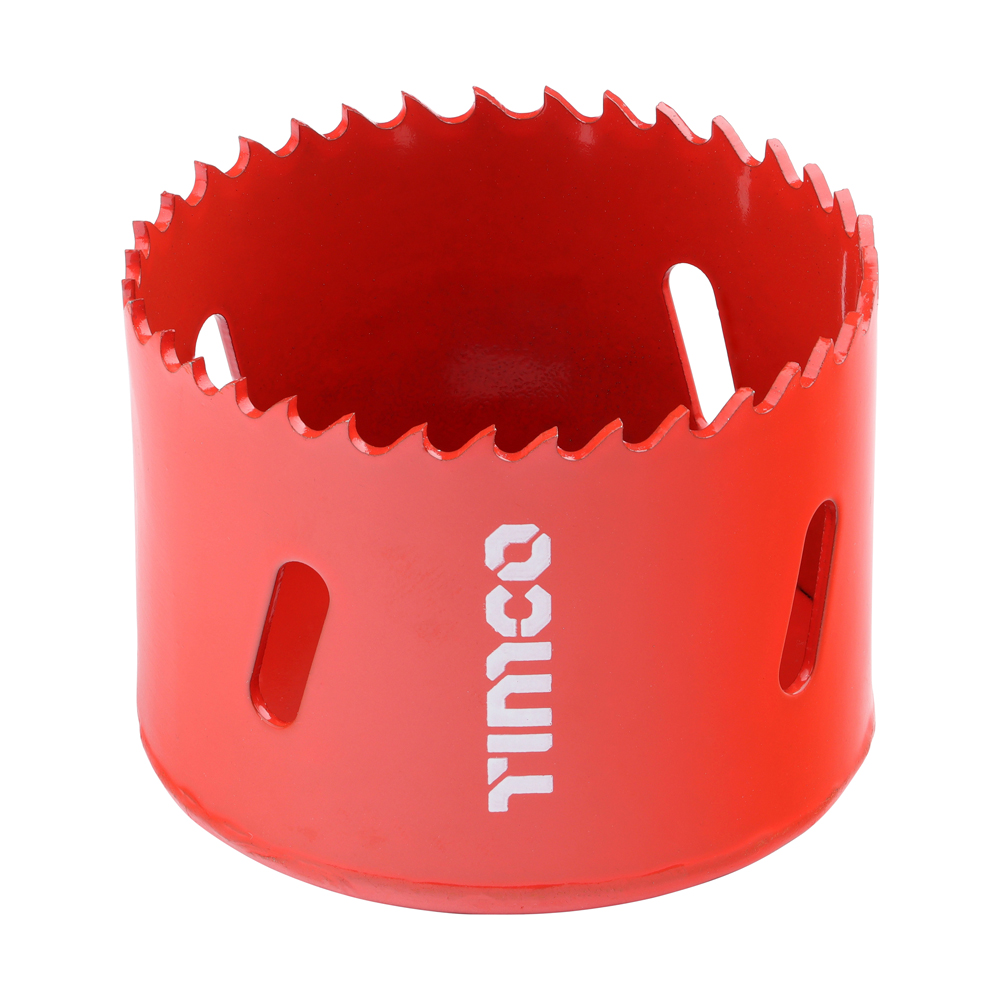 Timco Holesaw - Variable Pitch - 60mm
£6.66 ex VAT(£7.99 inc VAT)
Timco Holesaw - Variable Pitch - 60mm
£6.66 ex VAT(£7.99 inc VAT)
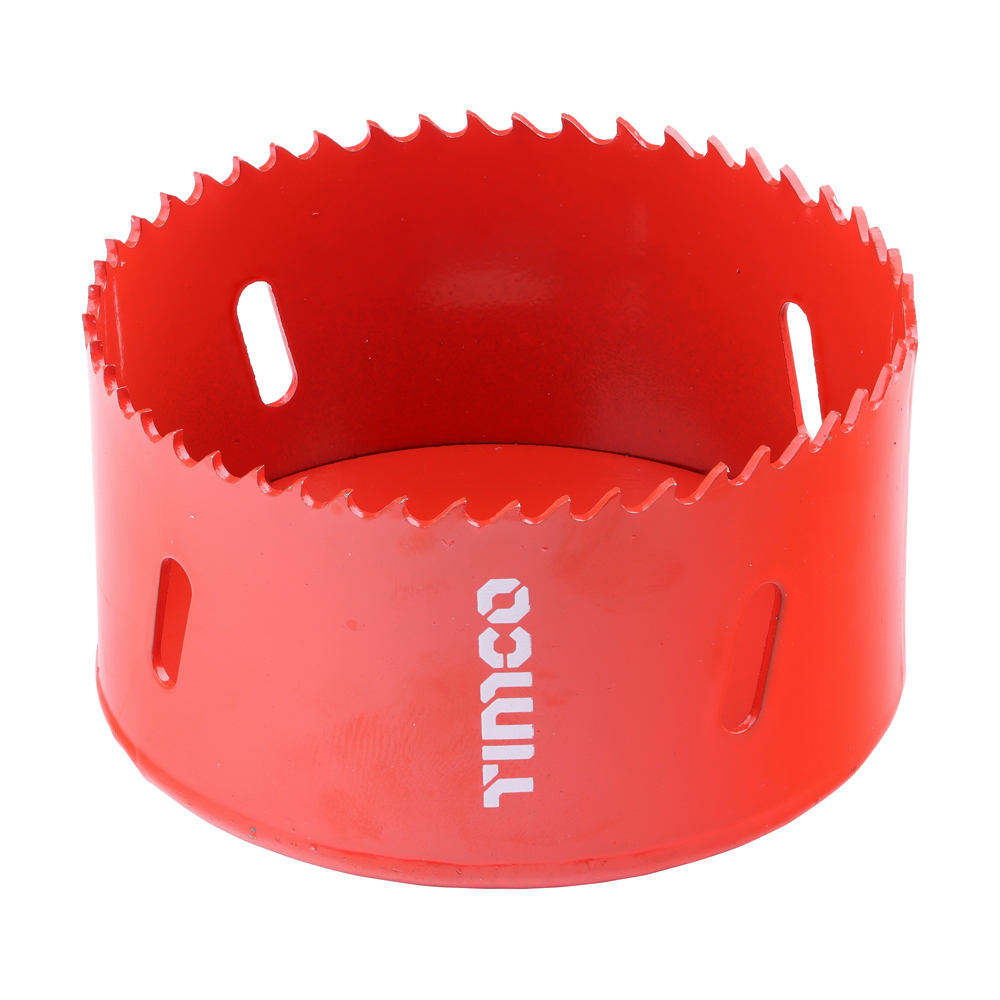 Timco Holesaw - Variable Pitch - 83mm
£7.58 ex VAT(£9.09 inc VAT)
Timco Holesaw - Variable Pitch - 83mm
£7.58 ex VAT(£9.09 inc VAT)
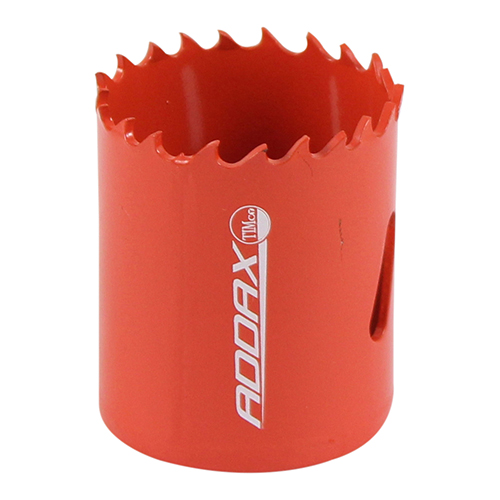 Timco Holesaw - Variable Pitch - 43mm
£5.74 ex VAT(£6.89 inc VAT)
Timco Holesaw - Variable Pitch - 43mm
£5.74 ex VAT(£6.89 inc VAT)
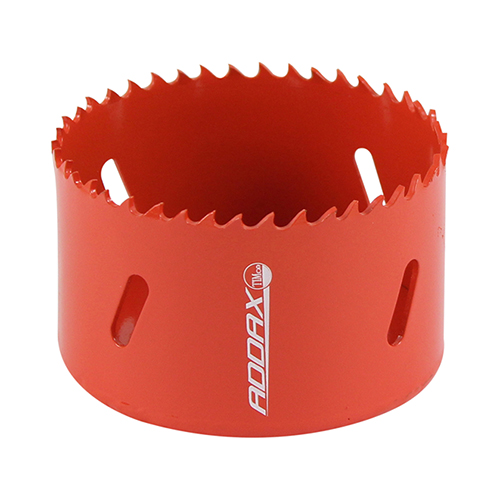 Timco Holesaw - Variable Pitch - 98mm
£10.33 ex VAT(£12.39 inc VAT)
Timco Holesaw - Variable Pitch - 98mm
£10.33 ex VAT(£12.39 inc VAT)
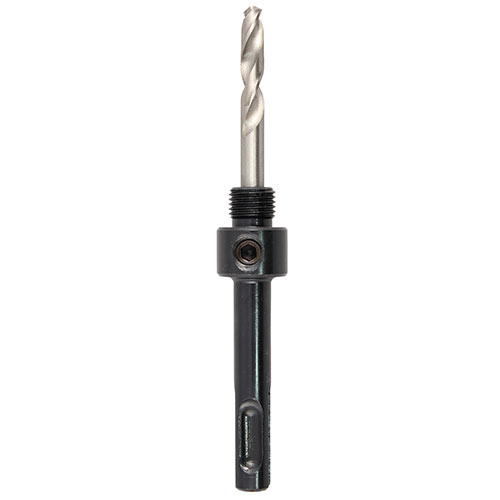 Timco Holesaw Arbor - SDS Plus Shank - To fit Holesaw 14-30mm
£7.83 ex VAT(£9.39 inc VAT)
Timco Holesaw Arbor - SDS Plus Shank - To fit Holesaw 14-30mm
£7.83 ex VAT(£9.39 inc VAT)
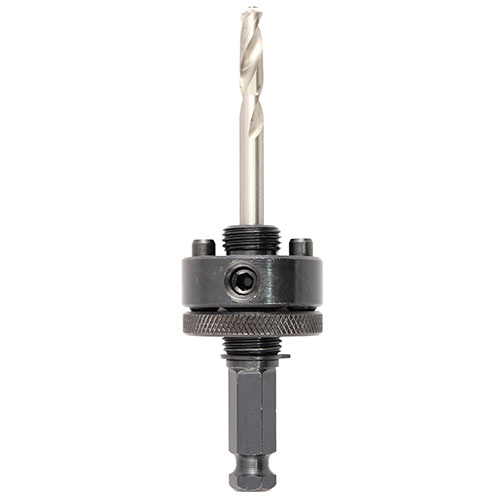 Timco Holesaw Arbor - Hex Shank - To fit Holesaw 32-210mm
£6.65 ex VAT(£7.98 inc VAT)
Timco Holesaw Arbor - Hex Shank - To fit Holesaw 32-210mm
£6.65 ex VAT(£7.98 inc VAT)
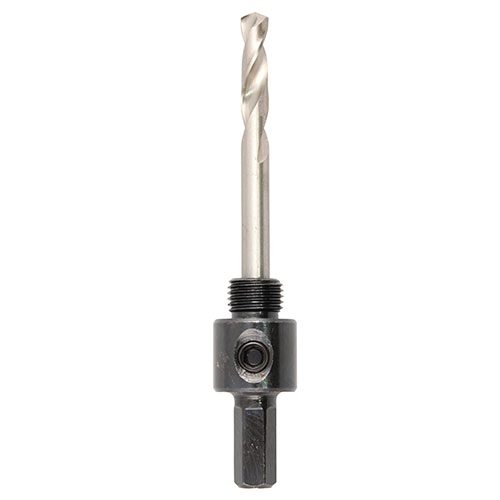 Timco Holesaw Arbor - Hex Shank - To fit Holesaw 14-30mm
£4.16 ex VAT(£4.99 inc VAT)
Timco Holesaw Arbor - Hex Shank - To fit Holesaw 14-30mm
£4.16 ex VAT(£4.99 inc VAT)
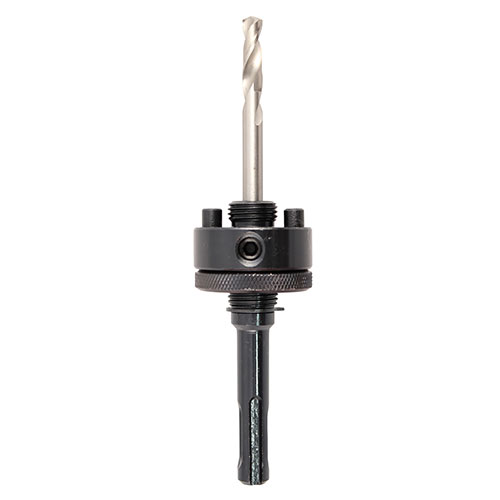 Timco Holesaw Arbor - SDS Plus Shank - To fit Holesaw 32-210mm
£11.66 ex VAT(£13.99 inc VAT)
Timco Holesaw Arbor - SDS Plus Shank - To fit Holesaw 32-210mm
£11.66 ex VAT(£13.99 inc VAT)
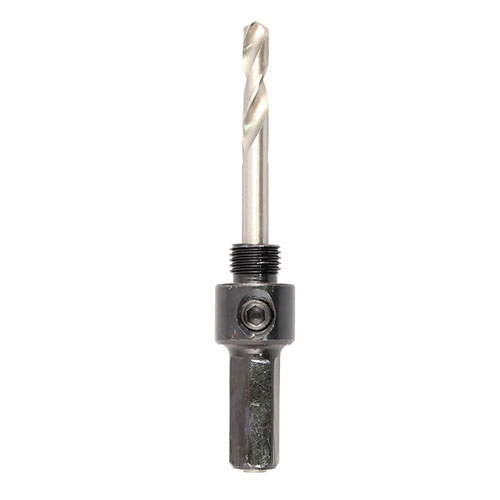 Timco Holesaw Arbor - Hex Shank - To fit Holesaw 14-30mm
£4.83 ex VAT(£5.79 inc VAT)
Timco Holesaw Arbor - Hex Shank - To fit Holesaw 14-30mm
£4.83 ex VAT(£5.79 inc VAT)
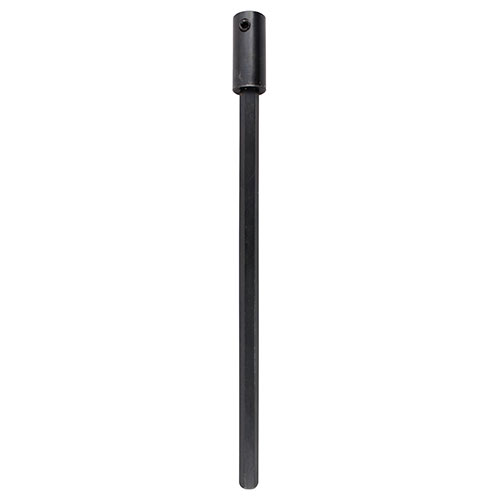 Timco Holesaw Hex Shank Extension Rod - 300mm
£5.41 ex VAT(£6.49 inc VAT)
Timco Holesaw Hex Shank Extension Rod - 300mm
£5.41 ex VAT(£6.49 inc VAT)
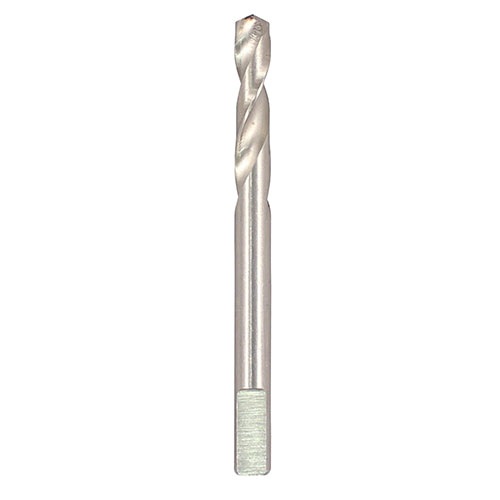 Timco Holesaw Pilot Drill - HSS - 75mm
£1.91 ex VAT(£2.29 inc VAT)
Timco Holesaw Pilot Drill - HSS - 75mm
£1.91 ex VAT(£2.29 inc VAT)
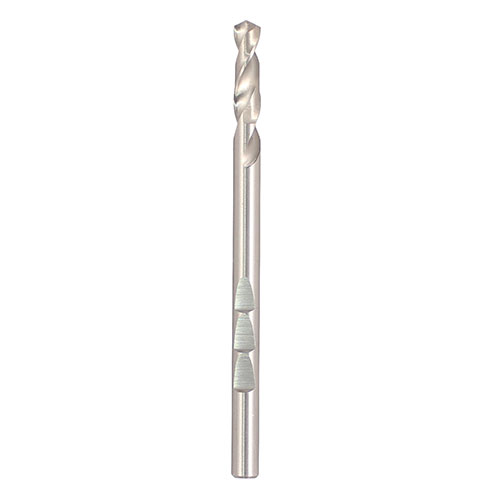 Timco Holesaw Pilot Drill - HSS - Long - 105mm
£2.66 ex VAT(£3.19 inc VAT)
Timco Holesaw Pilot Drill - HSS - Long - 105mm
£2.66 ex VAT(£3.19 inc VAT)
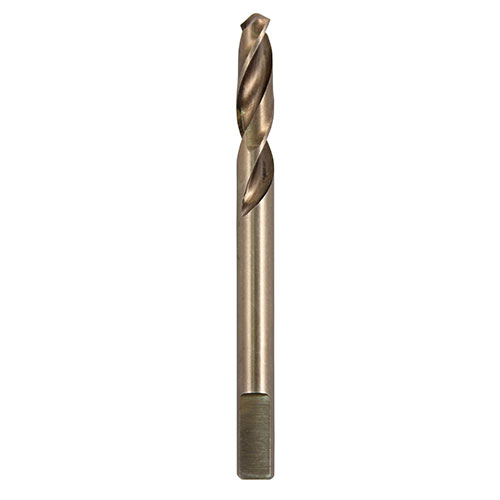 Timco Holesaw Pilot Drill - Cobalt - 75mm
£2.49 ex VAT(£2.99 inc VAT)
Timco Holesaw Pilot Drill - Cobalt - 75mm
£2.49 ex VAT(£2.99 inc VAT)
No account yet?
Create an AccountSign up to our newsletter and get your first order discount code straight to your inbox.
*Some exclusions apply

We use cookies to ensure our website functions correctly and securely. Some cookies are strictly necessary, while others help us understand how visitors interact with the site so we can improve content, features, and performance. You’re in control – adjust your preferences at any time.
Already have an account? Login
Become a VIP member for free and unlock exclusive discounts.
Bronze1% Discount off EVERY order Silver2.5% Discount off EVERY order Gold4.5% Discount off EVERY order Platinum7% Discount off EVERY order Titanium10% Discount off EVERY orderAlready have an account? Login
Already have an account? Login
Already have an account? Login
Already have an account? Login
Already have an account? Login