Screws
 Nails
Nails
 Fasteners & Fixings
 Adhesives & Building Chemicals
 Powertool Accessories
 Fence & Gate Hardware
 Building Supplies
 Security & Ironmongery
 Site and Access
 Hand Tools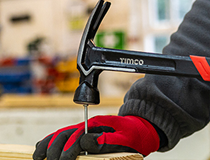
 Painting & Decorating
 Workwear, PPE & Safety



How to Loosen a Rusted Screw (Trade-Proven Methods That Work)

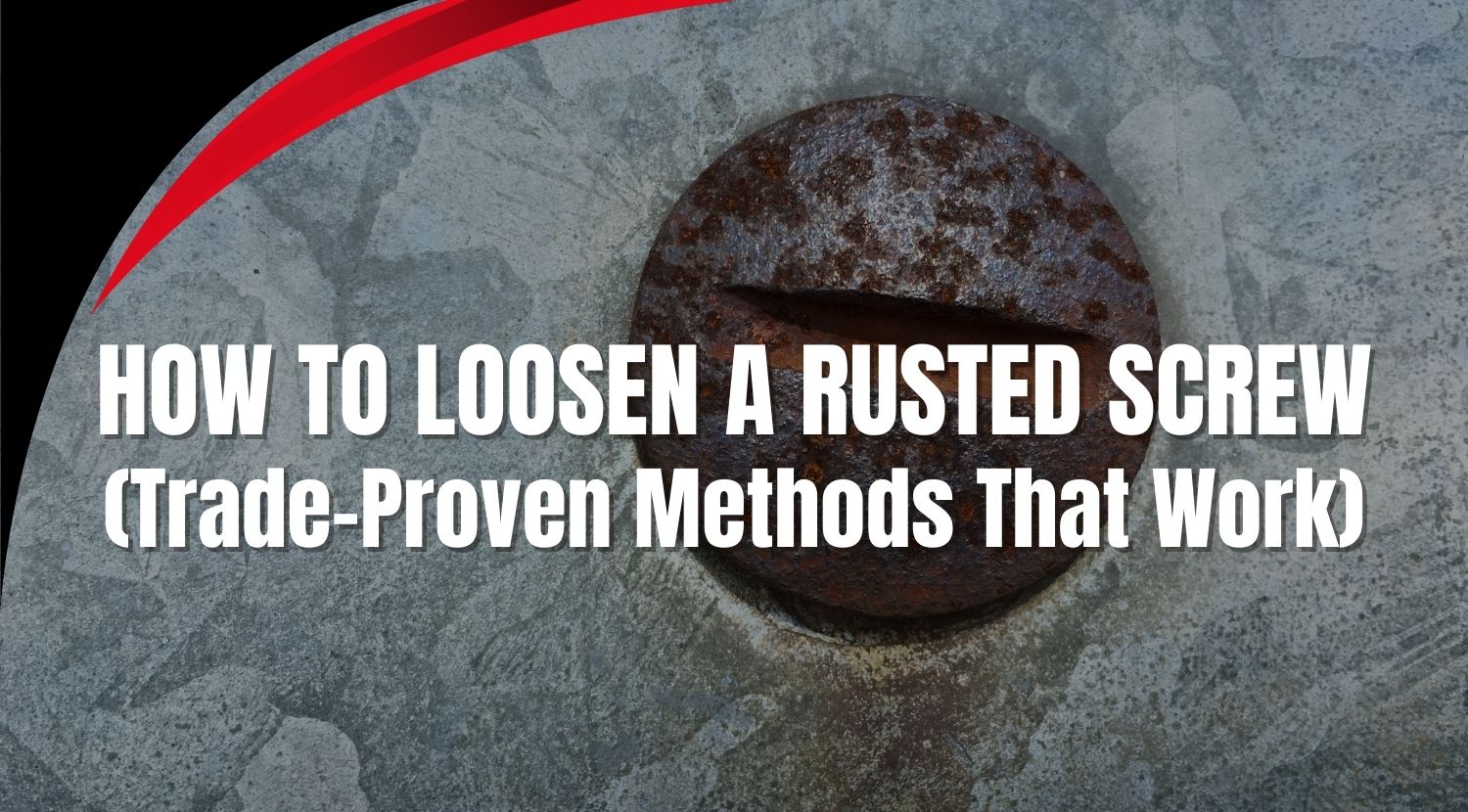



Rusted screws are a common problem on refurb, repair and maintenance jobs. Whether you’re working on old timber, metal frames or outdoor fixings, seized screws can slow the job down fast.
This guide explains how to loosen a rusted screw using simple, proven methods trades rely on every day, without damaging the fixing or the material around it.
Rust forms when steel is exposed to moisture and oxygen over time. This is especially common in:
Once rust sets in, it bonds the screw to the surrounding material, making it difficult to turn.
Using the right technique early can save snapped heads and wasted time.
Before you start, make sure you’ve got the basics to hand:
Using the wrong driver or rushing this step is how screw heads get stripped.
1. Apply Penetrating Oil
Spray the screw head and threads generously. Leave it for 15–20 minutes to soak in.
For badly seized screws, leaving it longer can help.
This is often enough on its own.
2. Tap the Screw Head
Lightly tap the screw head with a hammer.
This helps break the rust bond and lets the oil work deeper.
Don’t hit it hard. Controlled taps are all you need.
3. Use Steady, Controlled Pressure
Use a well-fitting driver and apply firm, even pressure.
If it doesn’t move, try gently tightening the screw first, then loosening it.
That small movement can break the rust grip.
4. Add Heat (If Safe)
If oil alone doesn’t work, apply controlled heat to the screw:
Heat causes the metal to expand and contract, helping to break the rust bond.
⚠️ Avoid heat near plastics, finished surfaces or flammable materials.
If you’re short on supplies, these can help on light rust:
These aren’t trade-grade solutions, but they can work in a pinch.
Prevention saves time on the next job:
Choosing the right fixing upfront reduces failures later.
If a screw won’t move after several attempts:
On structural or critical fixings, stopping early can prevent costly damage.
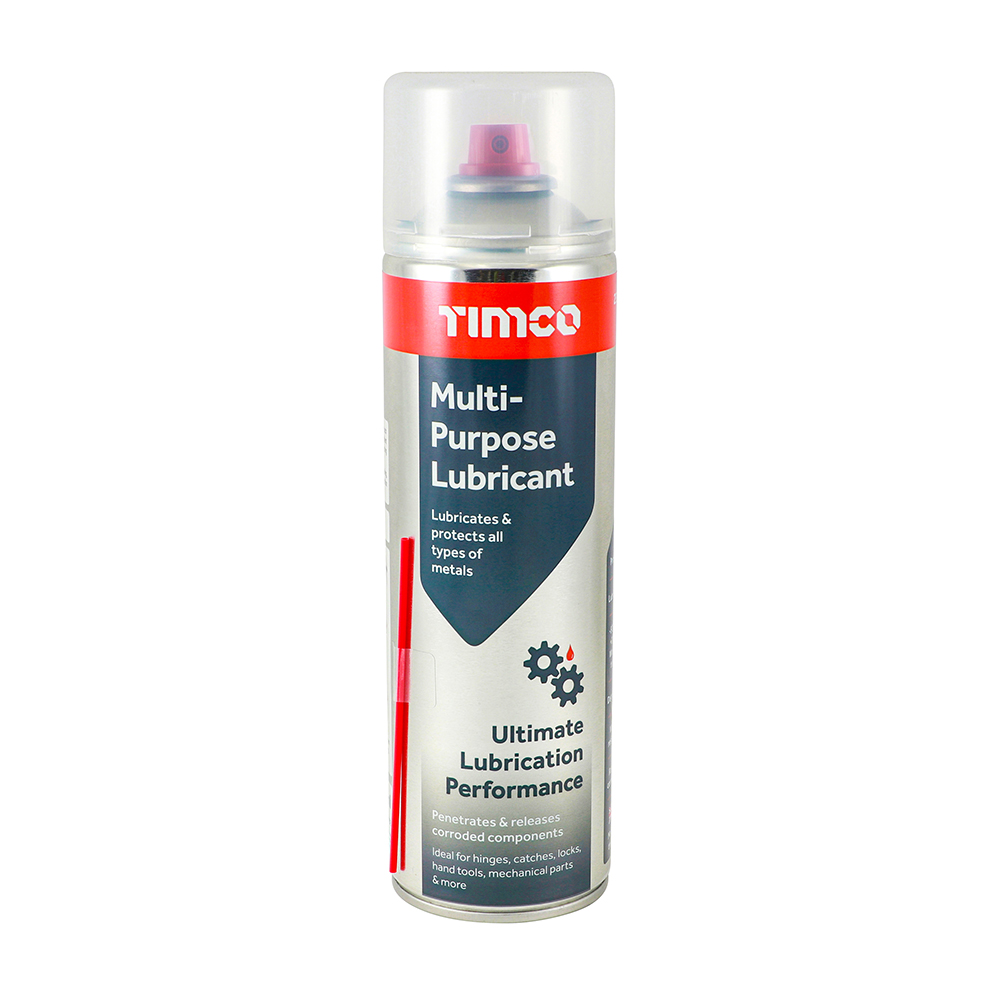 TIMCO Multi-Purpose Lubricant - 480ml
£4.58 ex VAT(£5.49 inc VAT)
TIMCO Multi-Purpose Lubricant - 480ml
£4.58 ex VAT(£5.49 inc VAT)
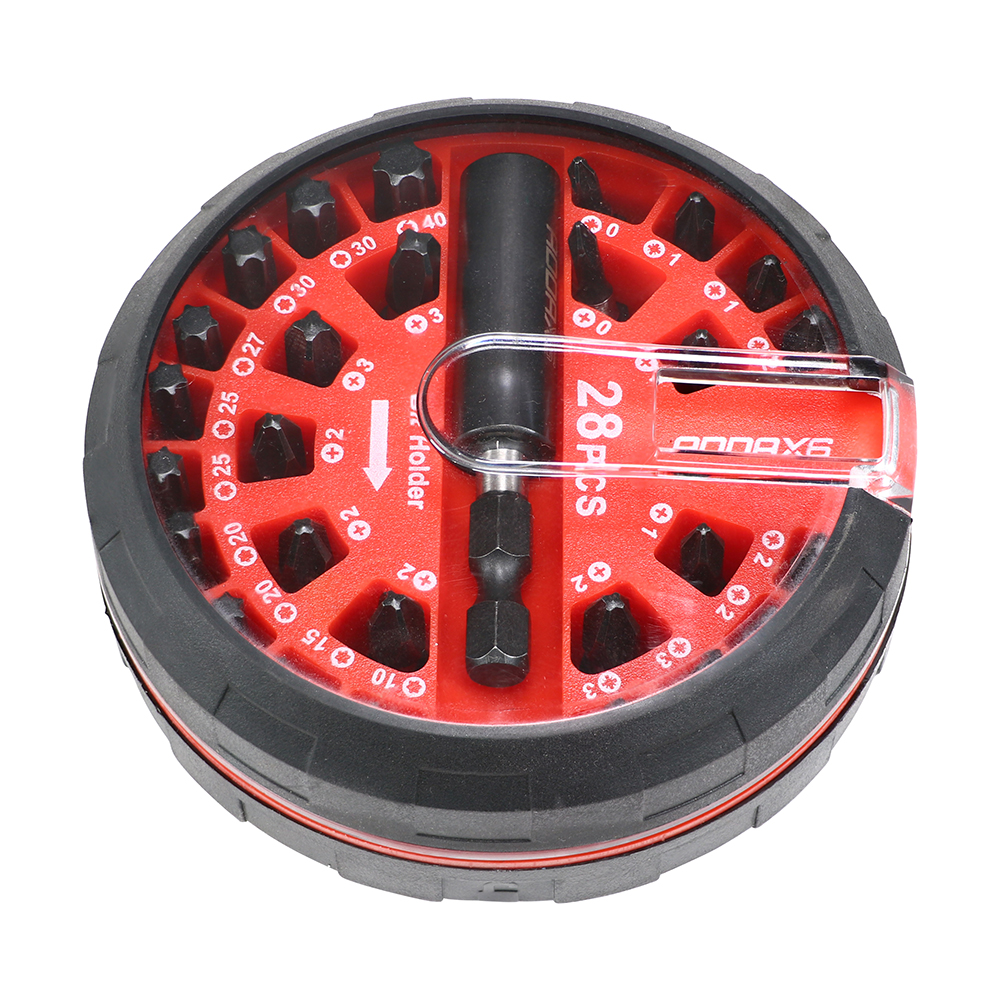 TIMCO Impact Driver Bit Set - 28pcs
£10.74 ex VAT(£12.89 inc VAT)
TIMCO Impact Driver Bit Set - 28pcs
£10.74 ex VAT(£12.89 inc VAT)
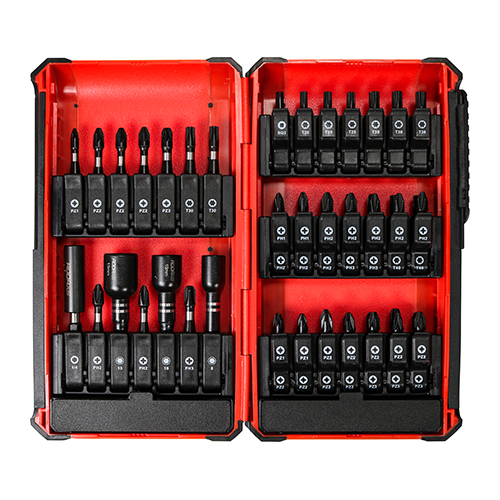 TIMCO Impact Driver Bit Set - Case - 49pcs
£35.49 ex VAT(£42.59 inc VAT)
TIMCO Impact Driver Bit Set - Case - 49pcs
£35.49 ex VAT(£42.59 inc VAT)
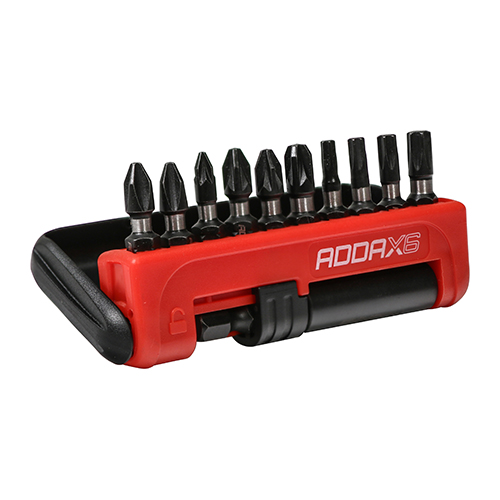 TIMCO Impact Driver Bit Set - 11 Pieces
£8.24 ex VAT(£9.89 inc VAT)
TIMCO Impact Driver Bit Set - 11 Pieces
£8.24 ex VAT(£9.89 inc VAT)
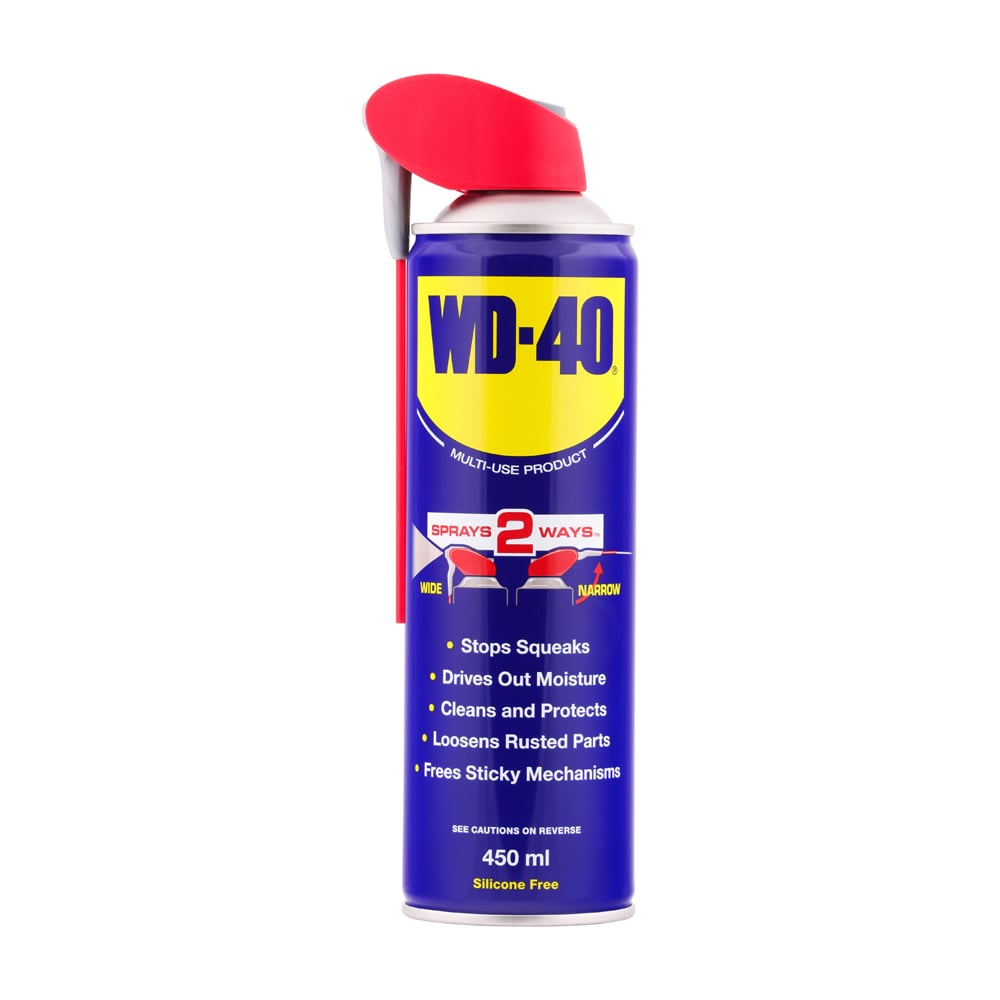 WD-40® Multi-Use Smart Straw - 44137/156 - 450ml
£8.41 ex VAT(£10.09 inc VAT)
WD-40® Multi-Use Smart Straw - 44137/156 - 450ml
£8.41 ex VAT(£10.09 inc VAT)
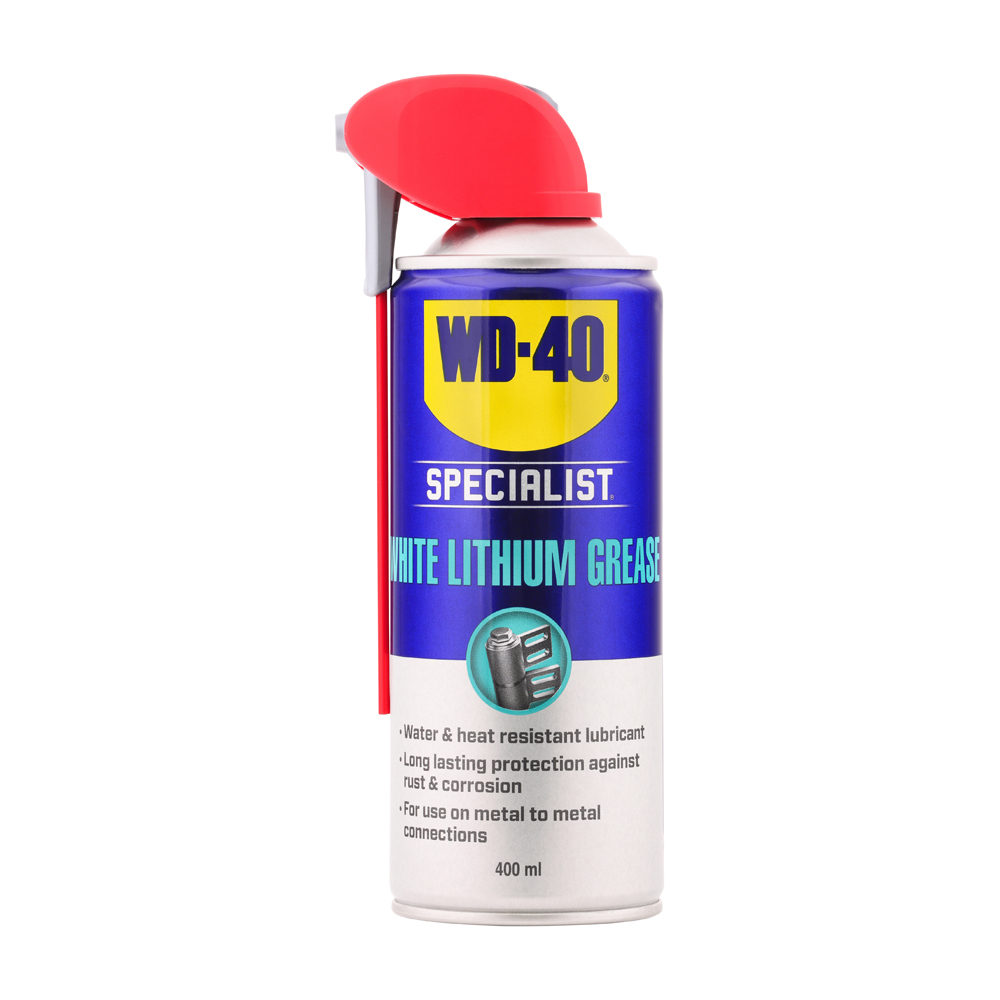 WD-40 Specialist® White Lithium Grease - 44391/44NBA - 400ml
£8.74 ex VAT(£10.49 inc VAT)
WD-40 Specialist® White Lithium Grease - 44391/44NBA - 400ml
£8.74 ex VAT(£10.49 inc VAT)
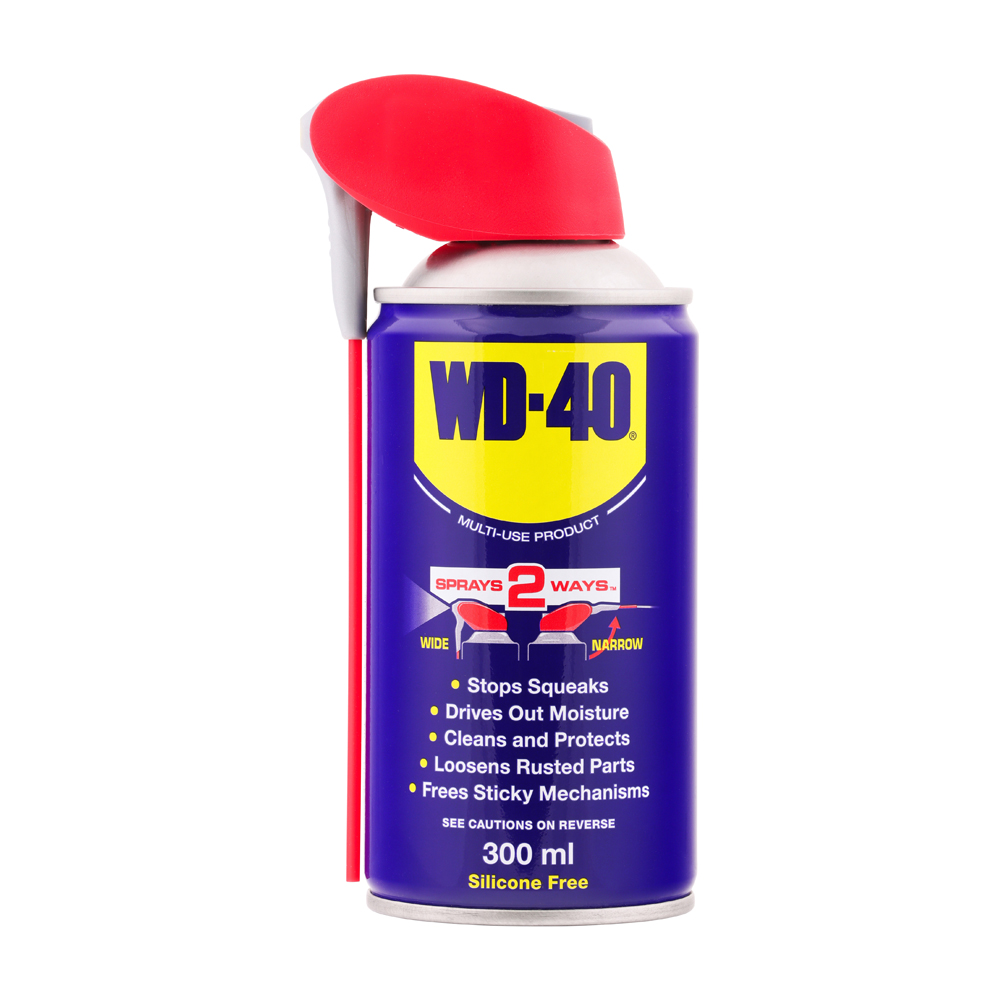 WD-40® Multi-Use Smart Straw - 44137/156 - 300ml
£8.24 ex VAT(£9.89 inc VAT)
WD-40® Multi-Use Smart Straw - 44137/156 - 300ml
£8.24 ex VAT(£9.89 inc VAT)
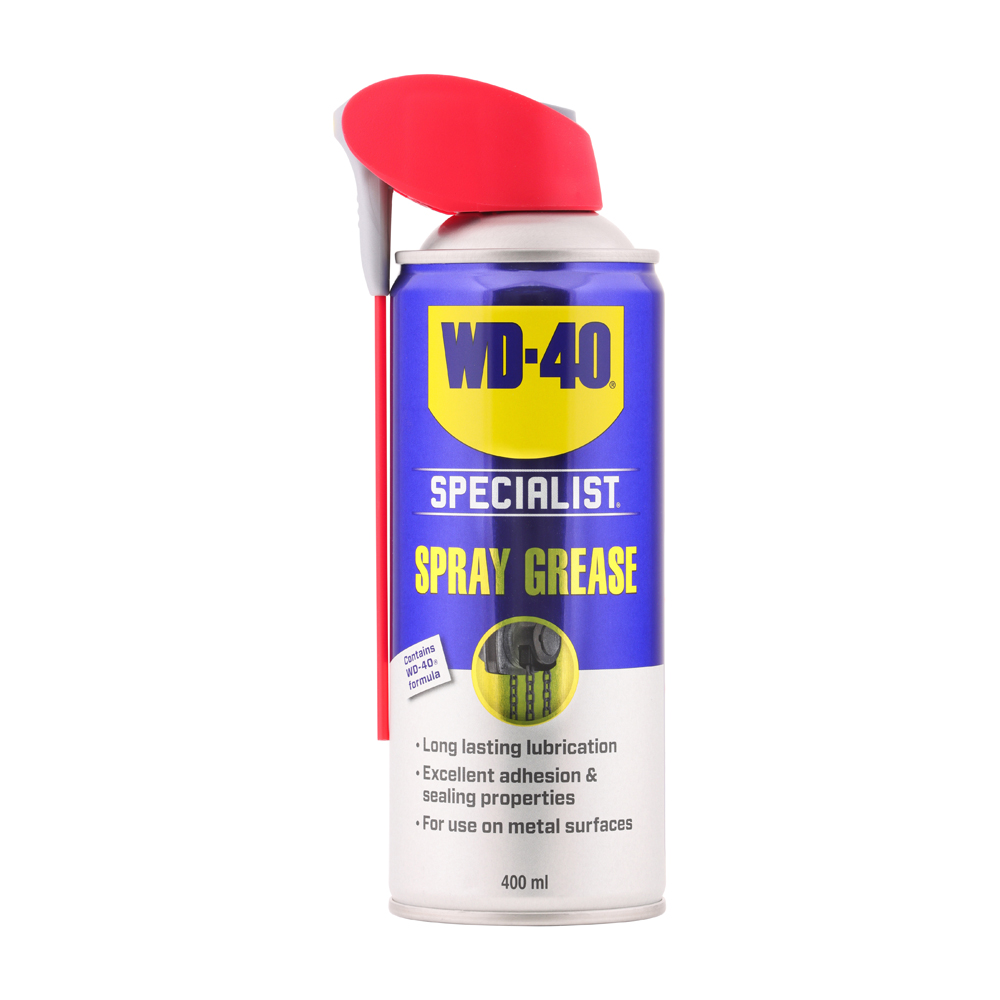 WD-40 Specialist® Spray Grease - 44215/NBA - 400ml
£10.16 ex VAT(£12.19 inc VAT)
WD-40 Specialist® Spray Grease - 44215/NBA - 400ml
£10.16 ex VAT(£12.19 inc VAT)
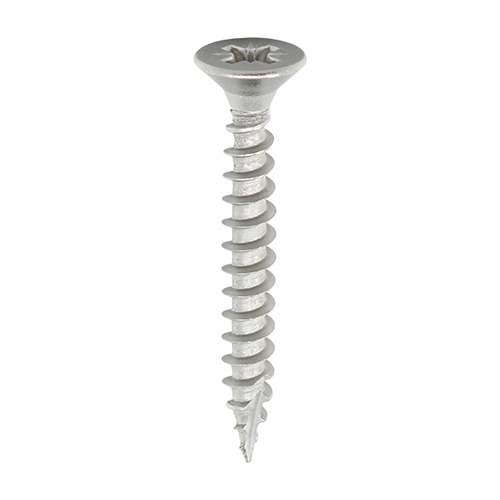 TIMCO Classic A2 Stainless Steel Multi-Purpose Countersunk Screws - 5.0mm x 60mm - TIMpac of 8
£1.58 ex VAT(£1.89 inc VAT)
TIMCO Classic A2 Stainless Steel Multi-Purpose Countersunk Screws - 5.0mm x 60mm - TIMpac of 8
£1.58 ex VAT(£1.89 inc VAT)
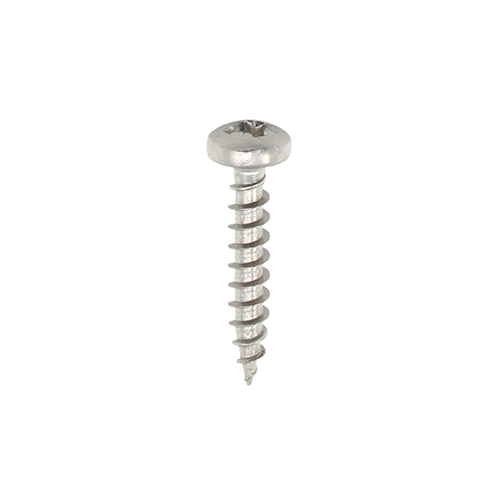 TIMCO Classic A2 Stainless Steel Multi-Purpose Screws Pan Head - 3.5mm x 16mm - Box of 200
£5.49 ex VAT(£6.59 inc VAT)
TIMCO Classic A2 Stainless Steel Multi-Purpose Screws Pan Head - 3.5mm x 16mm - Box of 200
£5.49 ex VAT(£6.59 inc VAT)
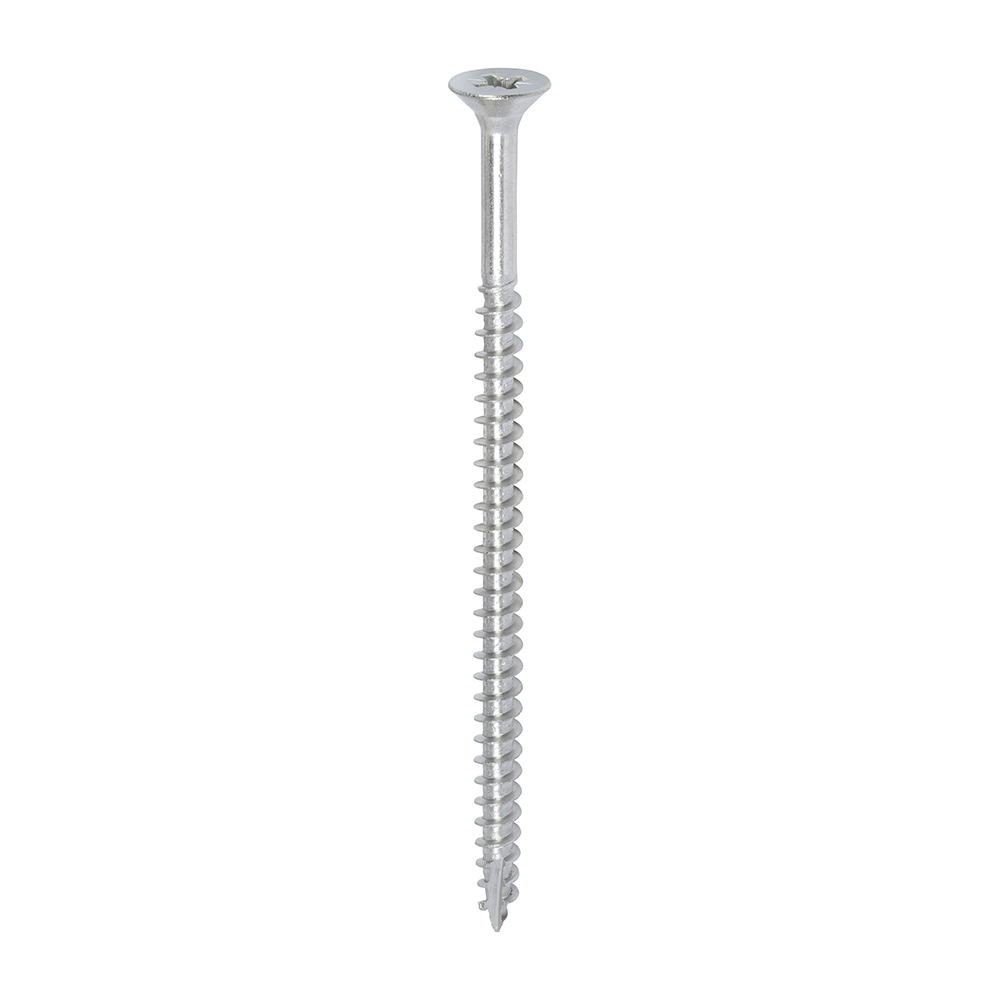 TIMCO Classic A2 Stainless Steel Multi-Purpose Countersunk Screws - 5.0mm x 90mm - Box of 100
£13.66 ex VAT(£16.39 inc VAT)
TIMCO Classic A2 Stainless Steel Multi-Purpose Countersunk Screws - 5.0mm x 90mm - Box of 100
£13.66 ex VAT(£16.39 inc VAT)
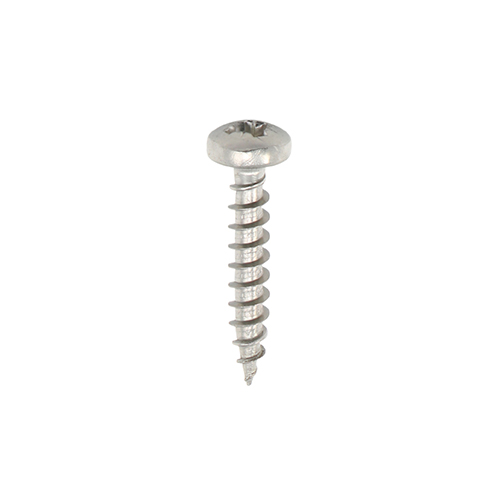 TIMCO Classic A2 Stainless Steel Multi-Purpose Screws Pan Head - 3.5mm x 16mm - Box of 200
£4.58 ex VAT(£5.49 inc VAT)
TIMCO Classic A2 Stainless Steel Multi-Purpose Screws Pan Head - 3.5mm x 16mm - Box of 200
£4.58 ex VAT(£5.49 inc VAT)
No account yet?
Create an AccountSign up to our newsletter and get your first order discount code straight to your inbox.
*Some exclusions apply

We use cookies to ensure our website functions correctly and securely. Some cookies are strictly necessary, while others help us understand how visitors interact with the site so we can improve content, features, and performance. You’re in control – adjust your preferences at any time.
Already have an account? Login
Become a VIP member for free and unlock exclusive discounts.
Bronze1% Discount off EVERY order Silver2.5% Discount off EVERY order Gold4.5% Discount off EVERY order Platinum7% Discount off EVERY order Titanium10% Discount off EVERY orderAlready have an account? Login
Already have an account? Login
Already have an account? Login
Already have an account? Login
Already have an account? Login