

 Screws
 Nails
Nails


 Fasteners & Fixings
 Adhesives & Building Chemicals

 Powertool Accessories

 Fence & Gate Hardware

 Building Supplies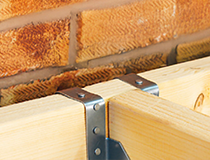


 Security & Ironmongery
 Site and Access

 Hand Tools
 Painting & Decorating


 Workwear, PPE & Safety




Masonry Joist Hangers
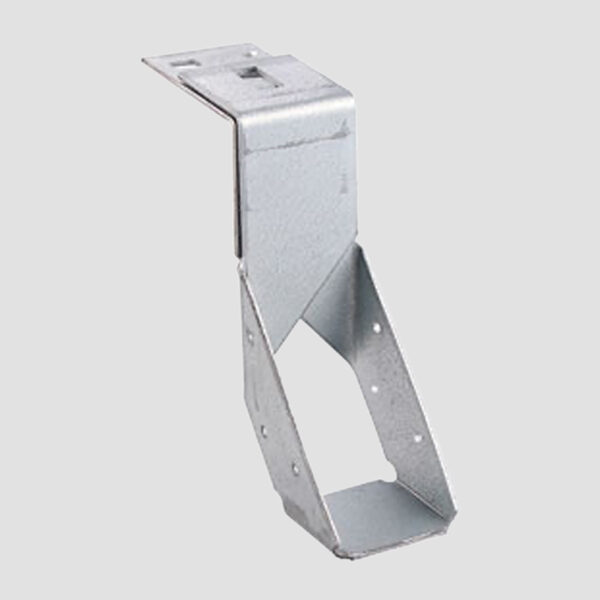
Masonry joist hangers support timber joists built into brick or block walls and provide a strong connection between timber floor structures and masonry.
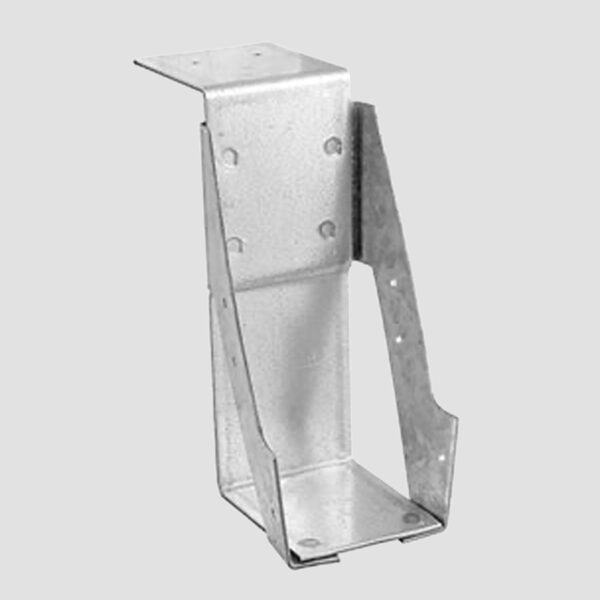
Masonry Joist Hangers
Masonry joist hangers are designed to support timber joists from brick or block walls in structural timber construction. They create a secure connection between the timber joist and the masonry structure, helping transfer the load safely into the wall.
These hangers are commonly used in:
- timber floor construction
- house extensions
- loft conversions
- renovation projects
- structural timber framing
Manufactured from pre-galvanised steel, Timco masonry joist hangers provide strong corrosion resistance and are suitable for Service Class 2 environments. For applications where higher corrosion resistance is required, selected hangers are also available in A2 stainless steel.
Masonry hangers can typically be installed by either building them directly into brick or block walls during construction or by raking out existing mortar joints during renovation work.
Types of Masonry Joist Hangers
There are two main types of masonry hanger available depending on the structural requirements.
Single piece hangers are formed from a single folded steel component with no welds. They provide a simple and cost-effective solution for supporting standard timber joists in masonry walls.
These are commonly used for standard domestic floor joists and general structural timber work.
Welded masonry hangers use a reinforced welded construction, making them suitable for deeper joists or heavier structural loads. They are often used where a stronger masonry hanger is required.
Typical Masonry Joist Hanger Sizes
Choosing the correct hanger size ensures the joist fits securely within the bracket and transfers the structural load safely into the masonry wall.
| Joist Size W x H (mm) | Typical Applications |
|---|---|
| 47 x 100 – 47 x 150 | Standard domestic floor joists |
| 47 x 175 – 47 x 200 | Structural timber floors and extensions |
| 75 x 150 – 100 x 200 | Wider structural joists in masonry walls |
| 150 x 200 – 150 x 225 | Large structural timber floor systems |
Note: Joist hangers above 150mm are manufactured 10mm shorter to allow for notching and regularised timber.
Which Masonry Hanger Do I Need?
Choosing the right masonry joist hanger depends mainly on the size of the timber joist and the load the structure needs to support.
| Hanger Type | Best For | Typical Use |
|---|---|---|
| Single Piece Masonry Hangers | Standard joists and lighter loads | Domestic floor joists, extensions and general timber framing |
| Welded Masonry Hangers | Deeper joists and heavier structural loads | Structural floors, larger joists and projects requiring additional strength |
If you are working with deeper timber joists or require a stronger fixing, welded masonry hangers are typically the better option. For standard joists and general structural timber work, single piece masonry hangers provide a simple and cost-effective solution.
Frequently Asked Questions
What are masonry joist hangers used for?
Masonry joist hangers are used to support timber joists built into brick or block walls. They create a strong mechanical connection between the joist and the masonry structure, allowing timber floors to be installed without cutting complex joints into the supporting timber.
How do you install a timber joist hanger into a brick wall?
Masonry joist hangers are typically installed by building them into the wall during construction or by raking out existing mortar joints during renovation work. The hanger is positioned so the joist sits securely within the bracket and the surrounding masonry supports the load.
What are the best masonry hangers for heavy duty loads?
For deeper joists or heavier structural loads, welded masonry hangers are usually the preferred option. Their reinforced welded construction provides additional strength compared with standard single piece hangers.
Can masonry joist hangers be used for decking?
Masonry hangers can sometimes be used where a deck frame connects directly to a masonry wall. However, the hanger size and load capacity must be appropriate for the timber joist and structural requirements of the deck.
What affects masonry hanger load capacity?
The load capacity of a masonry hanger depends on several factors including:
- the hanger size
- the joist size
- the strength of the masonry wall
- the installation method
Always ensure the correct hanger is selected for the structural application.