

 Screws
 Nails
Nails

 Fasteners & Fixings
 Adhesives & Building Chemicals
 Powertool Accessories
 Fence & Gate Hardware
 Building Supplies
 Security & Ironmongery
 Site and Access

 Hand Tools
 Painting & Decorating

 Workwear, PPE & Safety



Airbricks
Durable plastic airbricks designed to provide effective ventilation below suspended floors and through external masonry walls.
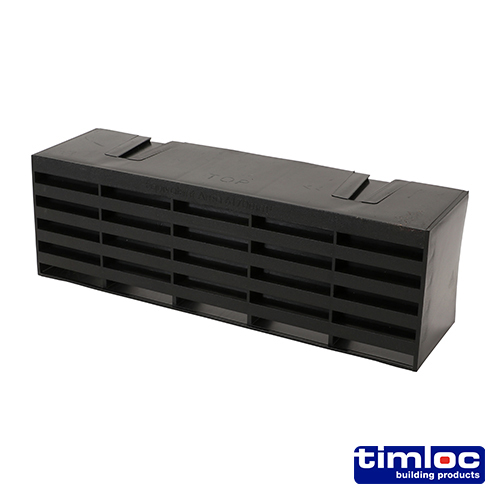
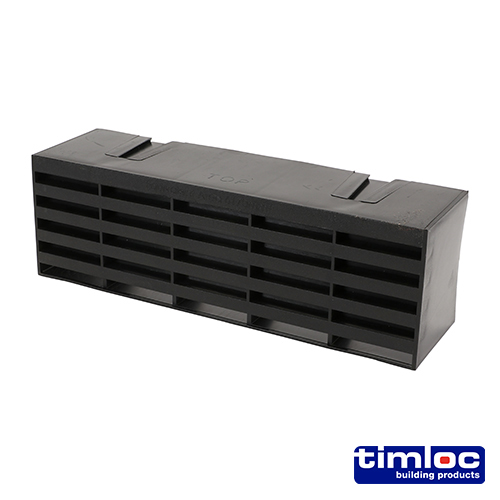
TIMLOC Airbrick – Plastic – Black – 1201ABBL – 215mm x 69mm x 60mm
In stock
£13.99 ex VAT(£16.79 inc VAT)
SKU:
LOC1201ABBL
TIMLOC Airbrick – Plastic – Blue / Black – 1201ABBB – 215mm x 69mm x 60mm
In stock
£13.99 ex VAT(£16.79 inc VAT)
SKU:
LOC1201ABBB
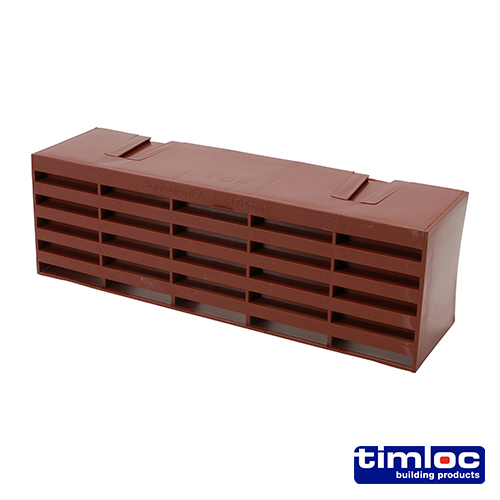
TIMLOC Airbrick – Plastic – Brown – 1201ABBR – 215mm x 69mm x 60mm
In stock
£13.99 ex VAT(£16.79 inc VAT)
SKU:
LOC1201ABBR
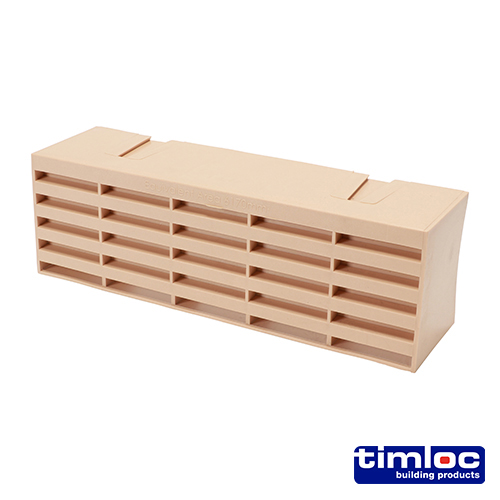
TIMLOC Airbrick – Plastic – Buff – 1201ABBU – 215mm x 69mm x 60mm
In stock
£13.99 ex VAT(£16.79 inc VAT)
SKU:
LOC1201ABBU
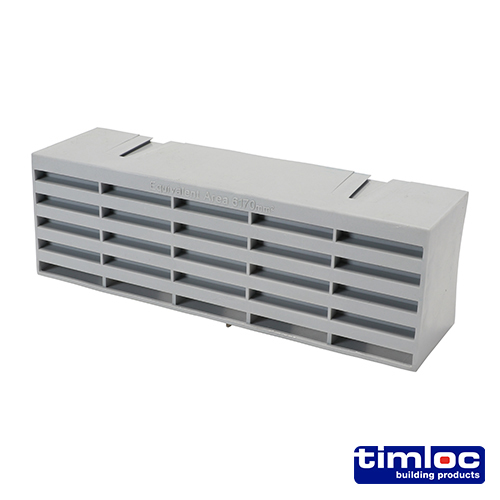
TIMLOC Airbrick – Plastic – Grey – 1201ABGR – 215mm x 69mm x 60mm
In stock
£13.99 ex VAT(£16.79 inc VAT)
SKU:
LOC1201ABGR
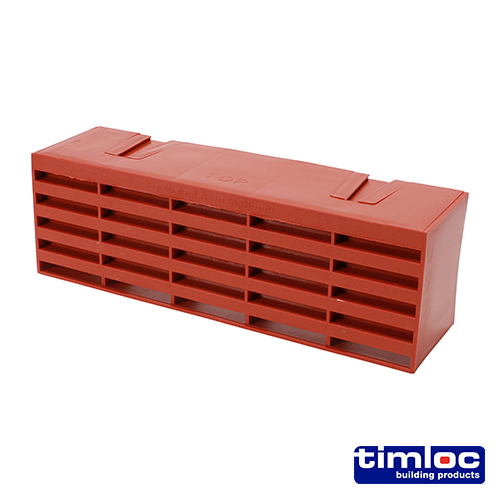
TIMLOC Airbrick – Plastic – Terracotta – 1201ABTE – 215mm x 69mm x 60mm
In stock
£13.99 ex VAT(£16.79 inc VAT)
SKU:
LOC1201ABTE
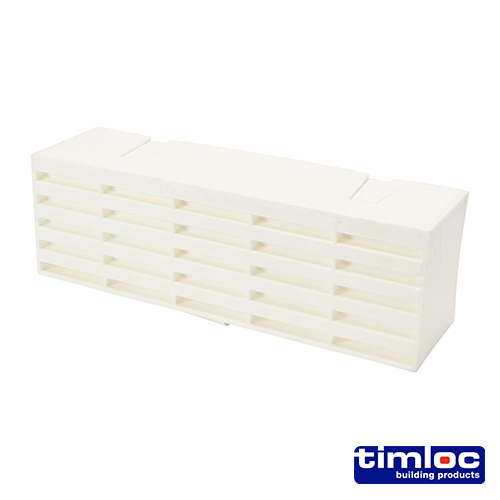
TIMLOC Airbrick – Plastic – White – 1201ABWH – 215mm x 69mm x 60mm
In stock
£13.99 ex VAT(£16.79 inc VAT)
SKU:
LOC1201ABWH
About Plastic Airbricks
Plastic airbricks are used to allow airflow into buildings where ventilation is required below suspended ground floors or through external walls. They form a key part of an underfloor ventilation system and are typically used in conjunction with telescopic underfloor vents or cavity sleeves.
Designed for trade use, these airbricks provide reliable airflow while helping to protect the building from moisture build-up. They’re suitable for use on new build and refurbishment projects and are commonly specified on housing and commercial developments.
Each airbrick features a stepped front grille to encourage airflow while helping reduce the ingress of wind-driven rain. The equivalent airflow area is clearly marked on the front face to meet current British Standards requirements.
Airbricks for Underfloor Ventilation
Plastic airbricks are most commonly used to ventilate suspended timber floors. When connected to an underfloor ventilator, they allow fresh air to circulate beneath the floor structure, helping to reduce moisture levels and protect joists and timbers from decay.
They can also be used with cavity sleeves to provide ventilation through external walls to internal spaces, depending on the building layout and ventilation design.
Airbrick quantities should always be calculated in line with the number of underfloor ventilators or cavity sleeves required.
Key Features & Benefits
- Designed for use with underfloor vent systems and cavity sleeves
- Equivalent airflow area clearly marked to comply with BS EN 13141-1
- Stepped front grille to maintain airflow and reduce wind-driven rain
- Grille openings compliant with BS 5440 Pt 2 and British Gas requirements
- Clip-together design allows stacking to form larger airbrick sizes
- Tough, durable construction resistant to rot and decay
- Available in a range of colours to suit different brick types
Compliance & Standards
These airbricks meet the requirements for use on regulated building projects and are suitable for specification where compliance is required. They:
- Satisfy NHBC requirements
- Comply with relevant Building Regulations
- Meet applicable British Standards
- Are manufactured under BS EN ISO 9001 and BS EN ISO 14001
Installation Guidance
Airbricks should be installed as the masonry work proceeds and positioned to align correctly with the associated underfloor ventilator or cavity sleeve.
Good practice includes:
- Always using airbricks in conjunction with a compatible underfloor vent or cavity sleeve
- Ensuring a clear airflow path is maintained between the airbrick and the ventilated space
- Positioning airbricks evenly around the building to achieve balanced ventilation
- Avoiding obstruction of the grille openings during installation
Where larger ventilation openings are required, multiple airbricks can be clipped together to form larger formats.
Colours Available
Plastic airbricks are available in a range of colours to help them blend with surrounding brickwork, including buff, terracotta, grey, brown, black, white and blue-black.
FAQs – Plastic Airbricks
What are airbricks used for?
Airbricks are used to provide ventilation to suspended floors or internal spaces by allowing airflow through external walls.
Do airbricks need to be used with other components?
Yes. Airbricks should always be used with a compatible underfloor ventilator or cavity sleeve, depending on the application.
How many airbricks are required?
The number of airbricks required depends on the ventilation design and the number of underfloor ventilators or cavity sleeves specified.
Are plastic airbricks suitable for external use?
Yes. They’re manufactured from durable, UV-stabilised materials and are resistant to decay, making them suitable for long-term external use.