Screws
 Nails
Nails
 Fasteners & Fixings
 Adhesives & Building Chemicals
 Powertool Accessories
 Fence & Gate Hardware
 Building Supplies
 Security & Ironmongery
 Site and Access
 Hand Tools
 Painting & Decorating


 Workwear, PPE & Safety



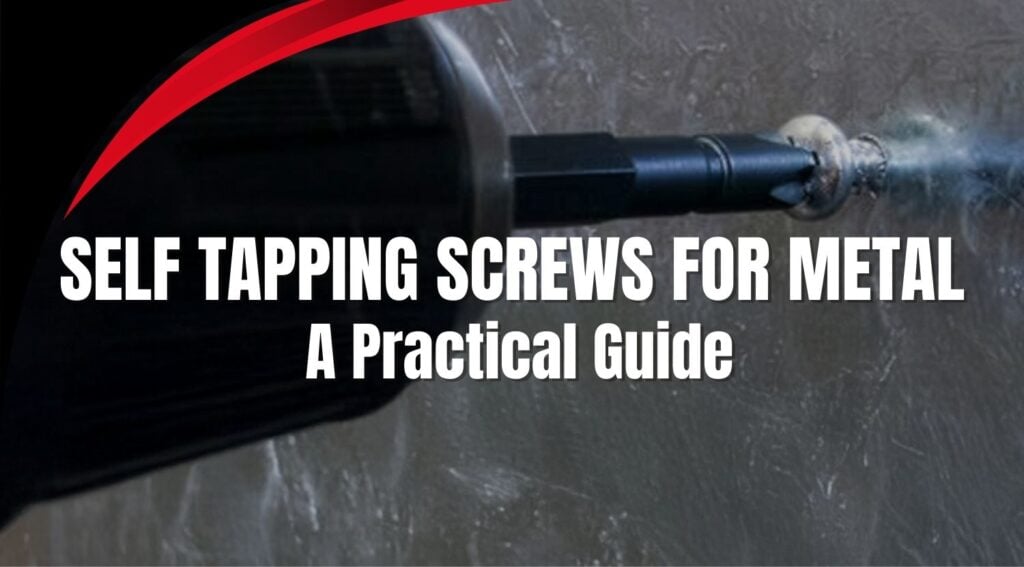
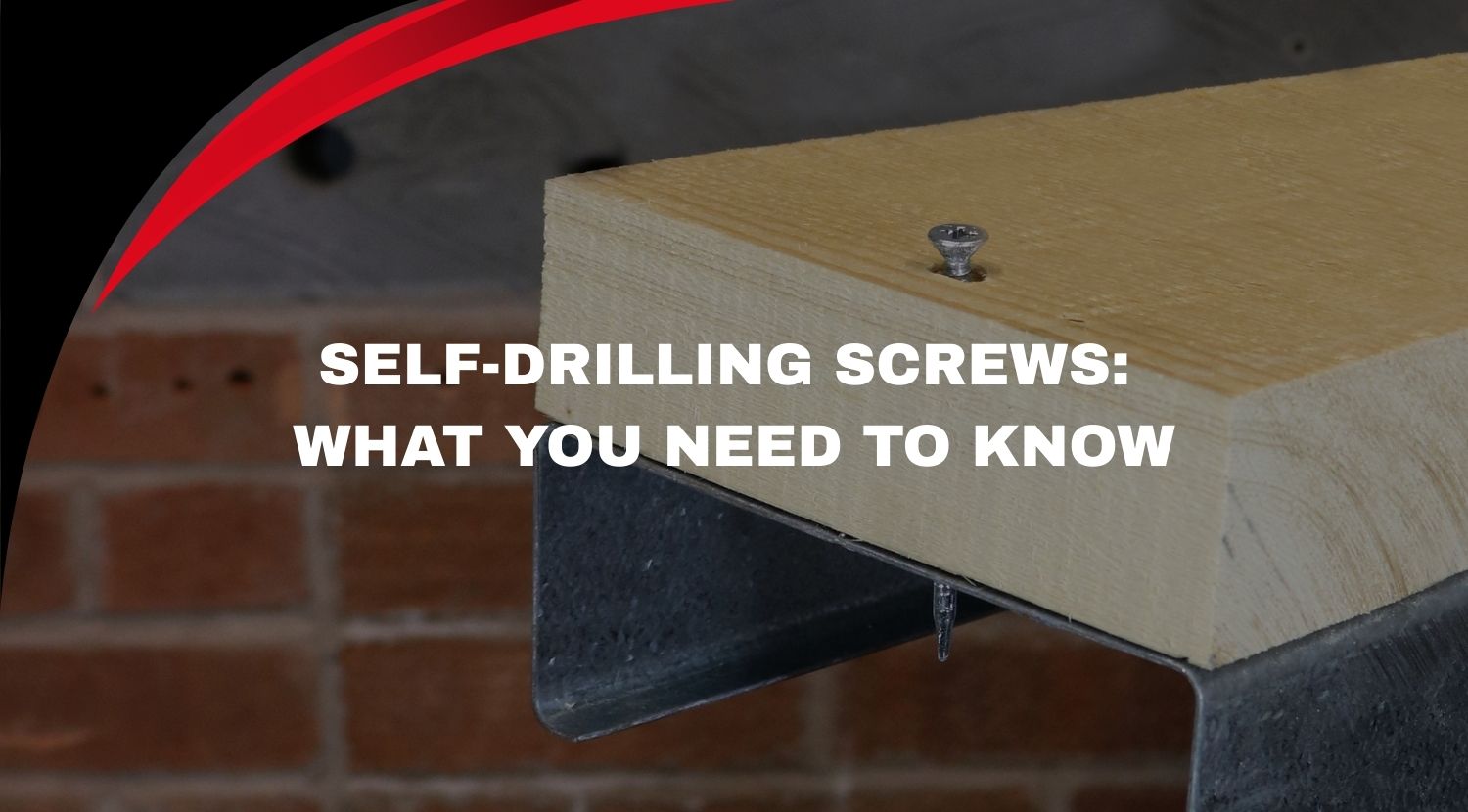
Self-Drilling Screws: What You Need to Know




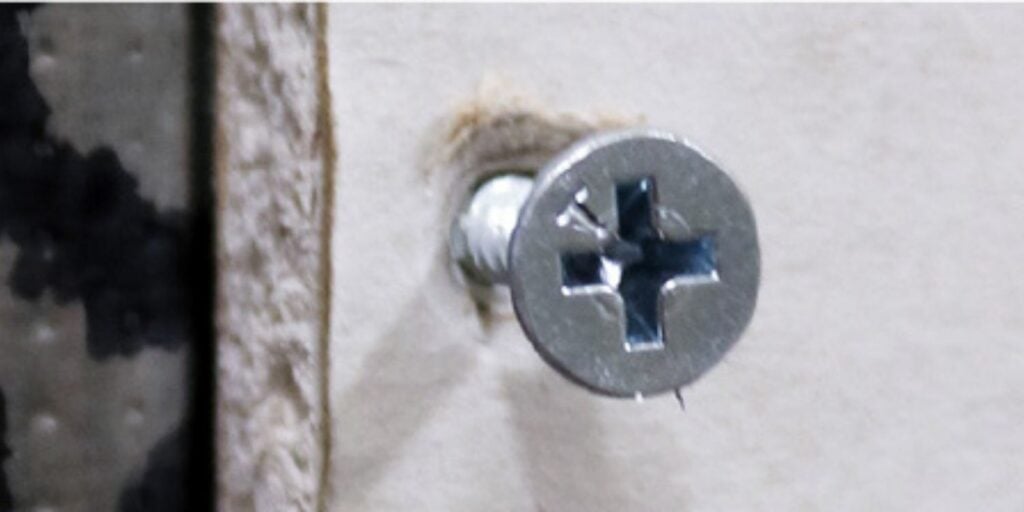
Self-drilling screws combine a drill bit and a screw in one. Their sharp, fluted tip cuts its own hole as you drive it in, while the threaded shaft follows to anchor the material. This design reduces the need for extra tools and minimises the risk of splitting timber or damaging surfaces.
They’re usually made from durable materials like stainless steel or carbon steel, with coatings to resist corrosion. This makes them a versatile option for both wood and metal applications.
Think about:
All you need is a drill or driver with the correct bit (hex, Phillips, or Torx). Use steady pressure and avoid over-tightening to prevent snapping or stripping. For tougher materials, a variable-speed drill and torque control are useful.
Self-drilling screws combine speed, strength, and convenience. Whether fixing roofing sheets, building with timber, or securing metal, they reduce effort and deliver a strong, lasting hold. At Fast Fixings Online, we stock a wide range of Timco self-drilling screws, drywall screws, collated screws, and roofing screws to suit every project.
 Timco Self-Drilling Plasterboard Screws – Zinc – PH Bugle Head – 3.5mm x 55mm
£8.49 ex VAT(£10.19 inc VAT)
Timco Self-Drilling Plasterboard Screws – Zinc – PH Bugle Head – 3.5mm x 55mm
£8.49 ex VAT(£10.19 inc VAT)
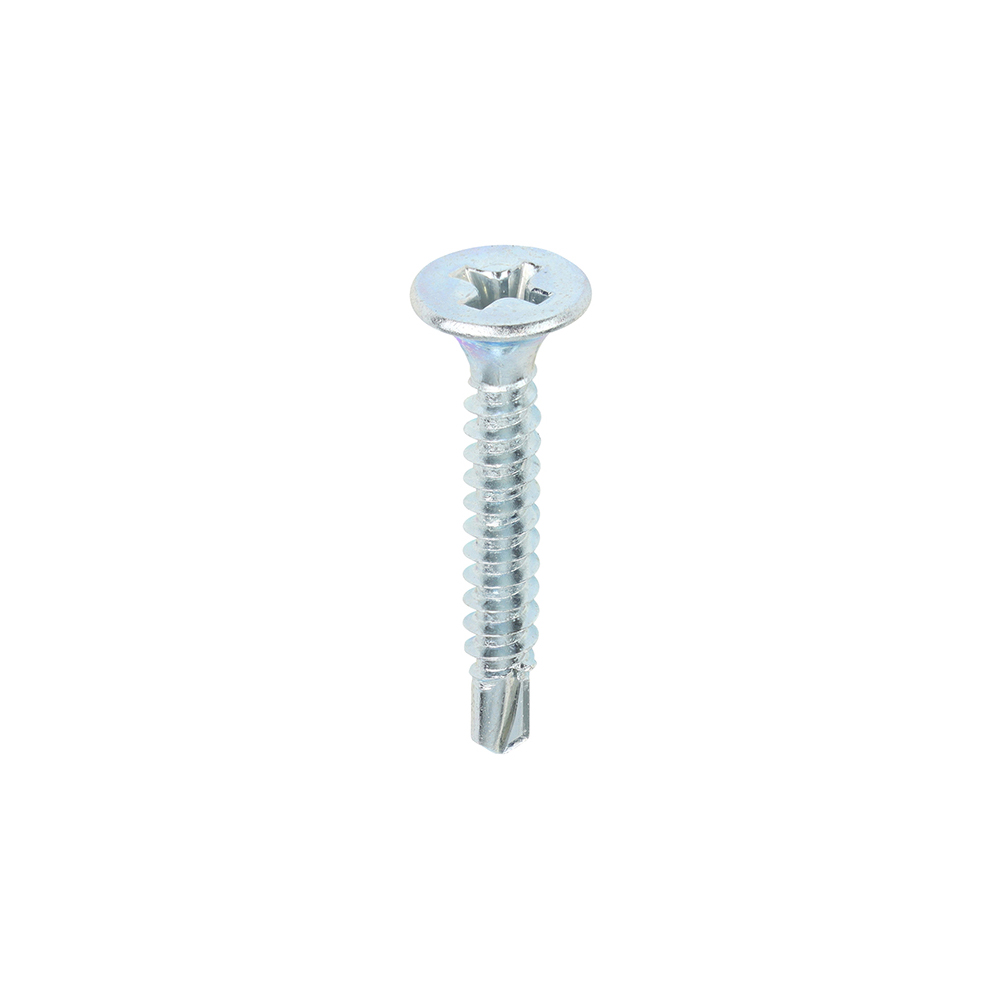 Timco Self-Drilling Plasterboard Screws – Zinc – PH Bugle Head – 3.5mm x 25mm
£8.58 ex VAT(£10.29 inc VAT)
Timco Self-Drilling Plasterboard Screws – Zinc – PH Bugle Head – 3.5mm x 25mm
£8.58 ex VAT(£10.29 inc VAT)
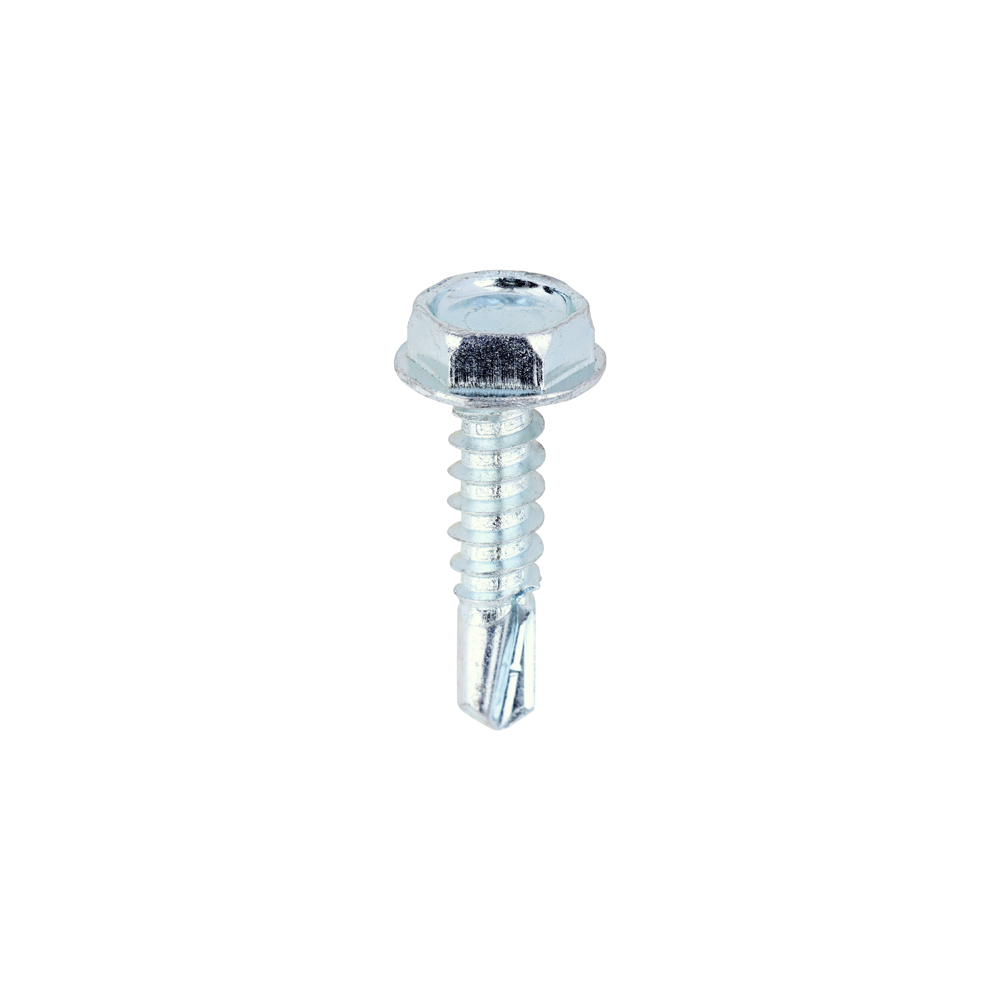 Timco Metal Construction Light Section Screws - Hex - Self-Drilling - Zinc - 10 x 3/4
£18.74 ex VAT(£22.49 inc VAT)
Timco Metal Construction Light Section Screws - Hex - Self-Drilling - Zinc - 10 x 3/4
£18.74 ex VAT(£22.49 inc VAT)
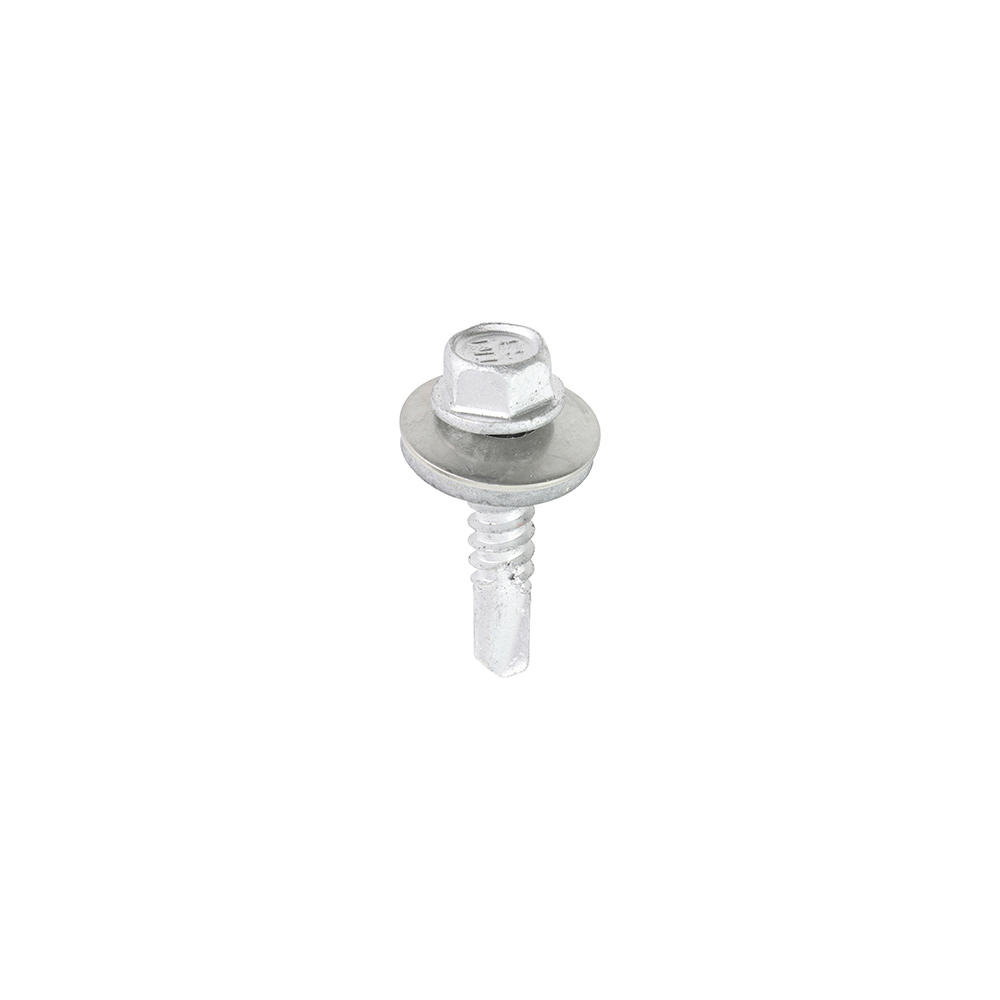 Timco Metal Construction Light Section Screws - Hex - EPDM Washer - Self-Drilling - Exterior - Silver Organic - 5.5 x 25
£30.58 ex VAT(£36.69 inc VAT)
Timco Metal Construction Light Section Screws - Hex - EPDM Washer - Self-Drilling - Exterior - Silver Organic - 5.5 x 25
£30.58 ex VAT(£36.69 inc VAT)
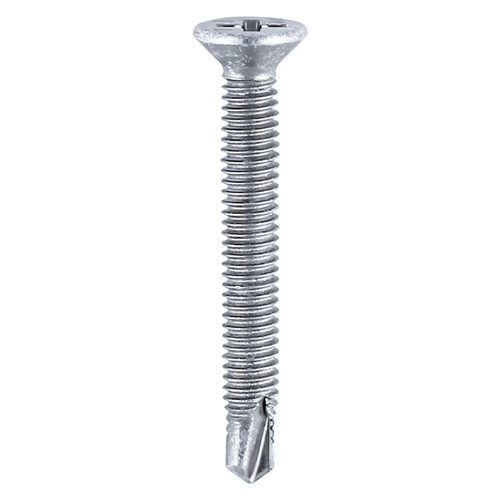 Timco Window Fabrication Screws - Countersunk - PH - Metric Thread - Self-Drilling Point - Zinc - M4 x 38
£9.58 ex VAT(£11.49 inc VAT)
Timco Window Fabrication Screws - Countersunk - PH - Metric Thread - Self-Drilling Point - Zinc - M4 x 38
£9.58 ex VAT(£11.49 inc VAT)
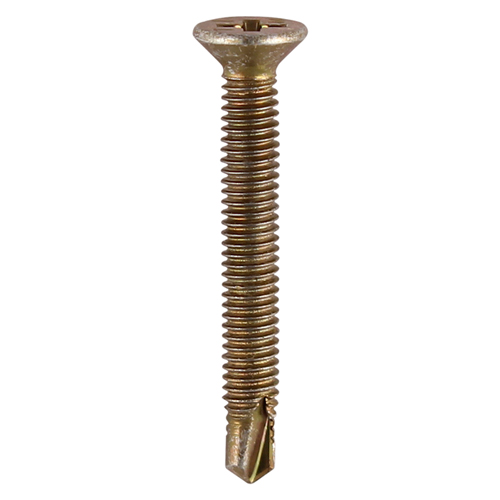 Timco Window Fabrication Screws - Countersunk - PH - Metric Thread - Self-Drilling Point - Yellow - M4 x 25
£13.74 ex VAT(£16.49 inc VAT)
Timco Window Fabrication Screws - Countersunk - PH - Metric Thread - Self-Drilling Point - Yellow - M4 x 25
£13.74 ex VAT(£16.49 inc VAT)
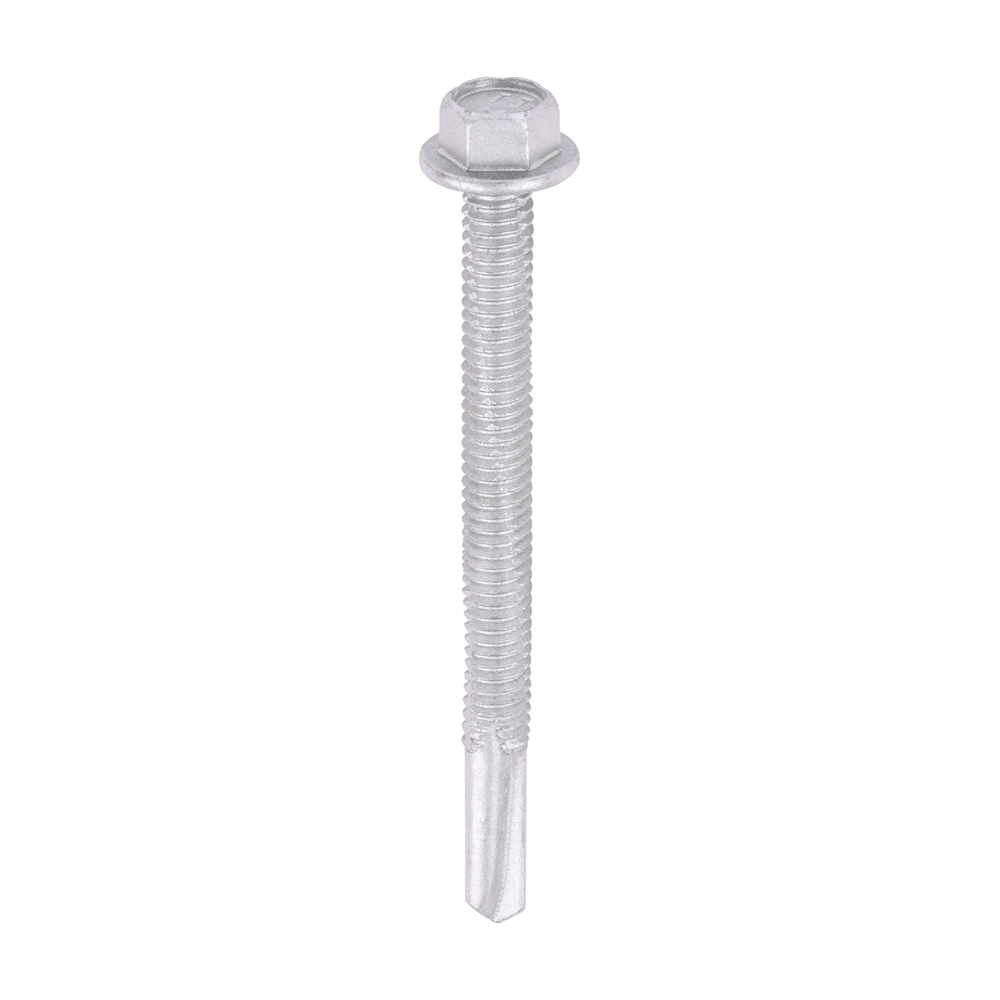 Timco Heavy Section Self-Drilling Screws – Hex – Exterior – 5.5mm x 65mm - Box of 100
£10.41 ex VAT(£12.49 inc VAT)
Timco Heavy Section Self-Drilling Screws – Hex – Exterior – 5.5mm x 65mm - Box of 100
£10.41 ex VAT(£12.49 inc VAT)
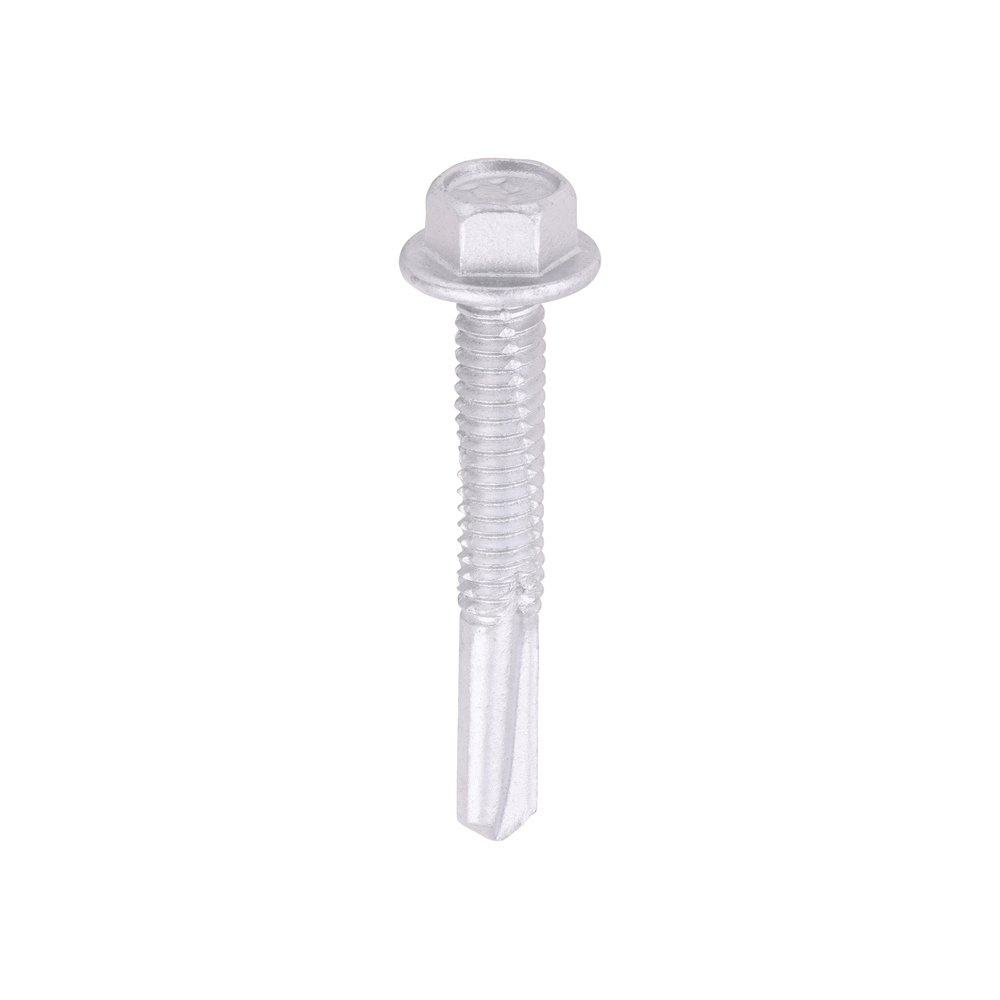 Timco Heavy Section Self-Drilling Screws – Hex – Exterior – 5.5mm x 38mm - Box of 100
£7.08 ex VAT(£8.49 inc VAT)
Timco Heavy Section Self-Drilling Screws – Hex – Exterior – 5.5mm x 38mm - Box of 100
£7.08 ex VAT(£8.49 inc VAT)
No account yet?
Create an AccountSign up to our newsletter and get your first order discount code straight to your inbox.
*Some exclusions apply

We use cookies to ensure our website functions correctly and securely. Some cookies are strictly necessary, while others help us understand how visitors interact with the site so we can improve content, features, and performance. You’re in control – adjust your preferences at any time.
Already have an account? Login
Become a VIP member for free and unlock exclusive discounts.
Bronze1% Discount off EVERY order Silver2.5% Discount off EVERY order Gold4.5% Discount off EVERY order Platinum7% Discount off EVERY order Titanium10% Discount off EVERY orderAlready have an account? Login
Already have an account? Login
Already have an account? Login
Already have an account? Login
Already have an account? Login