Screws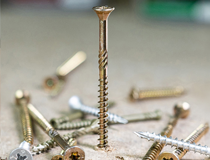
 Nails
Nails
 Fasteners & Fixings
 Adhesives & Building Chemicals
 Powertool Accessories
 Fence & Gate Hardware
 Building Supplies
 Security & Ironmongery
 Site and Access
 Hand Tools
 Painting & Decorating
 Workwear, PPE & Safety


Self Tapping Screws for Metal: A Practical Guide

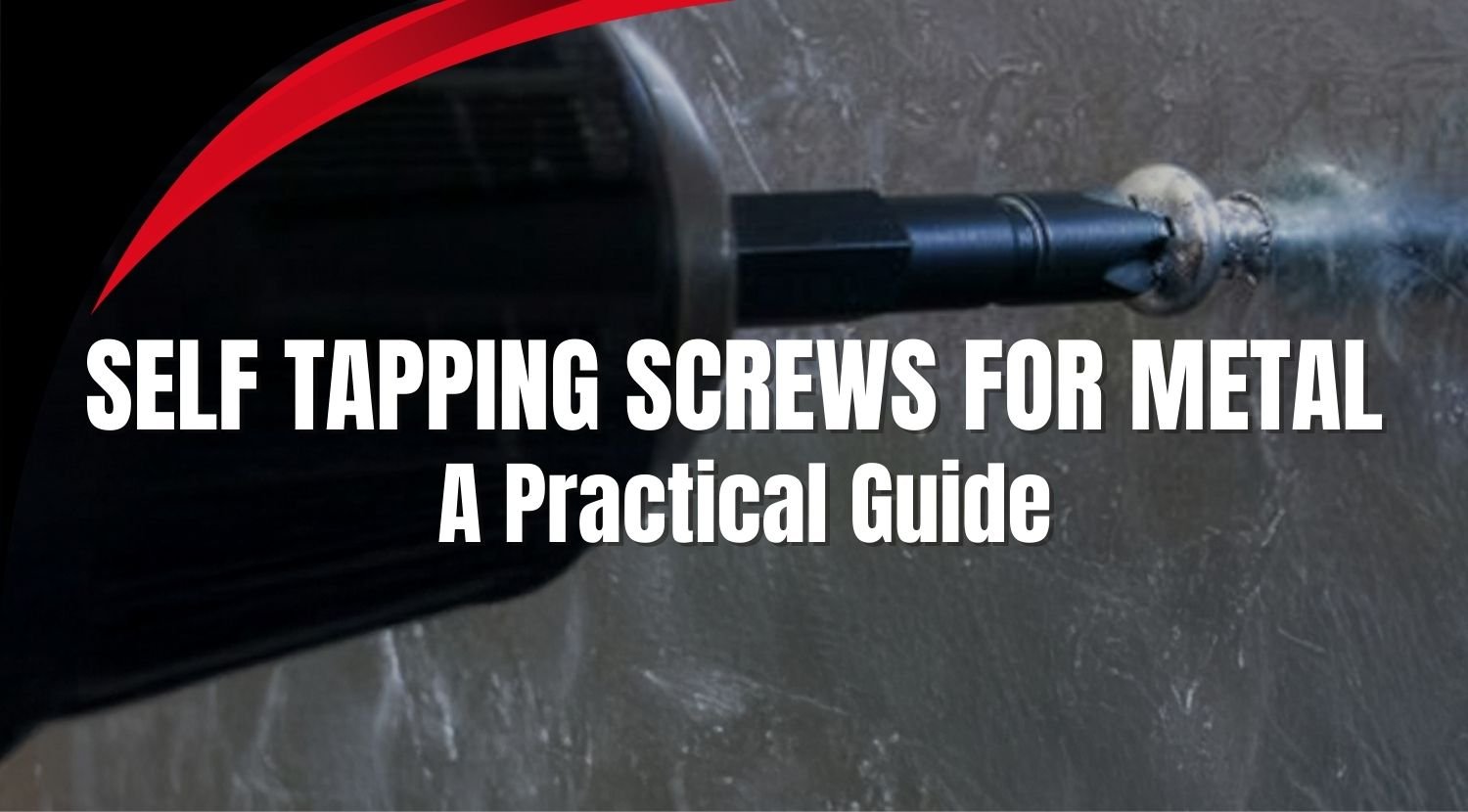



Self tapping screws for metal are widely used across construction, fabrication, electrical installation and general trade work. They’re designed to cut or form their own thread as they’re driven in, removing the need for pre-tapped holes and speeding up installation.
This guide explains the main types of self tapping screws, where they’re best used, and how to choose the right option for metal fixing.
Self tapping screws are designed to form their own thread as they’re driven into metal. Unlike self drilling screws, these fixings require a pre-drilled pilot hole. Once in place, the screw cuts a clean thread into the metal, providing a secure fixing without the need for tapping.
All self tapping screws in our range feature:
Controlled, accurate thread formation in metal
They’re ideal for light to medium metal sections, sheet steel, brackets and box section.
Self tapping screws for metal are widely used in:
Because a pilot hole is used, they offer better control and reduce the risk of snapping – particularly when working with stainless steel.
Rather than cutting or drilling methods, the main difference between self tapping screws in this range is head type. The correct head style affects both appearance and clamping strength.
Countersunk self tapping screws are designed to sit flush with the metal surface once installed.
Best used when:
Available in:
Pan head self tapping screws have a raised head with a wider bearing surface, providing extra clamping force.
Best used when:
Available in:
Flange head self tapping screws feature an integrated washer under the head, helping to spread the load.
Best used when:
Available in:
Choosing the right material depends on the environment.
Zinc Plated (CR3)
Stainless Steel
For best results when fixing into metal:
When installing stainless steel screws, slower speeds reduce heat build-up and help prevent failure.
Do self tapping screws for metal require a pilot hole?
Yes. A pilot hole is required to allow the AB point to form the thread correctly in metal.
Can these screws be used for metal to metal fixing?
Yes. They’re designed specifically for stitching metal to metal, including sheet steel and light sections.
Are stainless steel self tapping screws harder to install?
Stainless steel is harder than zinc plated steel, so slower speeds and steady pressure are recommended to reduce the risk of snapping.
What head type should I choose?
What’s included in the mixed tray?
The mixed tray includes pan, countersunk and flange head self tapping screws in multiple sizes, ideal for general trade use.
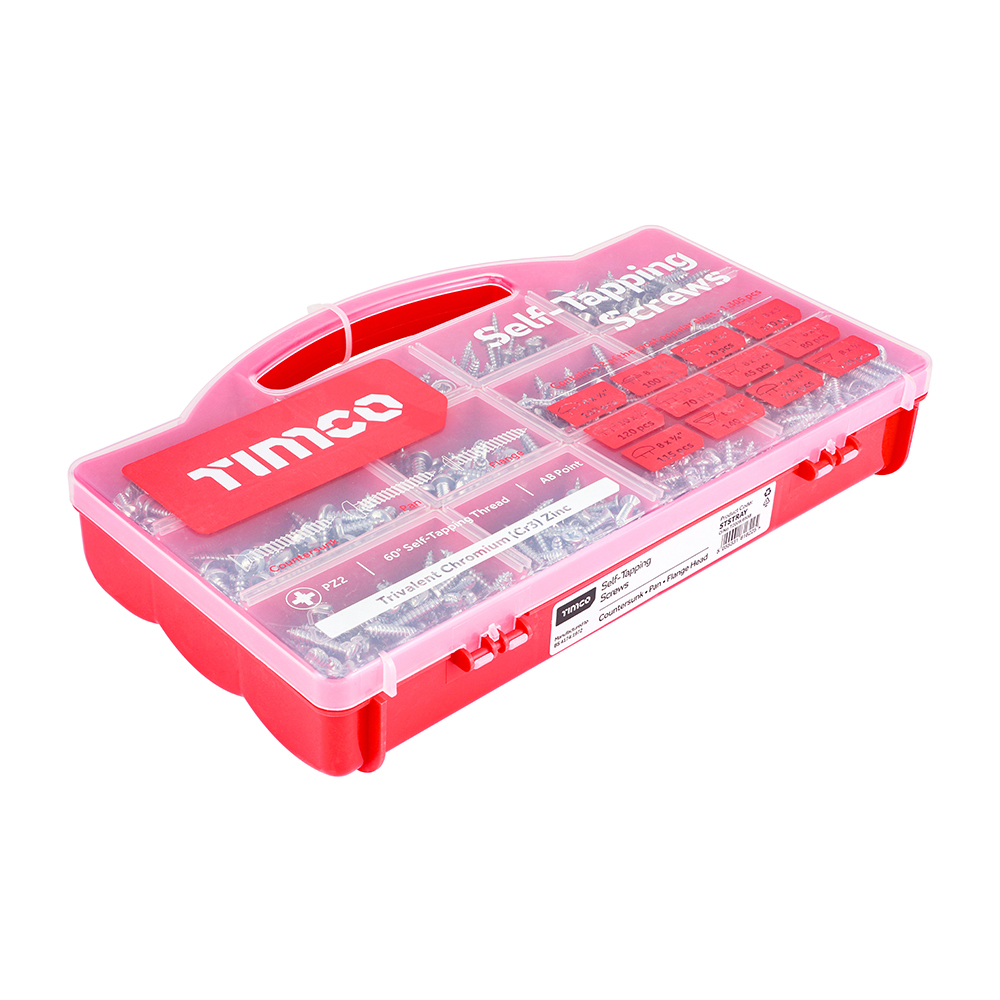 TIMCO Metal Tapping Screws - Mixed Tray - PZ - Self-Tapping - Zinc - 1,305 Pieces
£22.74 ex VAT(£27.29 inc VAT)
TIMCO Metal Tapping Screws - Mixed Tray - PZ - Self-Tapping - Zinc - 1,305 Pieces
£22.74 ex VAT(£27.29 inc VAT)
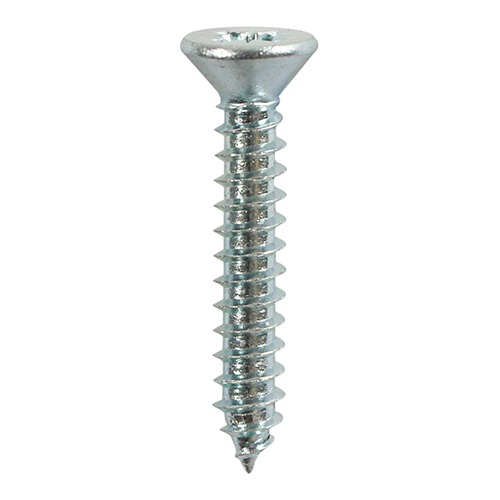 TIMCO Self-Tapping Screws - PZ - Countersunk - Zinc - 6 x 3/4
£0.83 ex VAT(£0.99 inc VAT)
TIMCO Self-Tapping Screws - PZ - Countersunk - Zinc - 6 x 3/4
£0.83 ex VAT(£0.99 inc VAT)
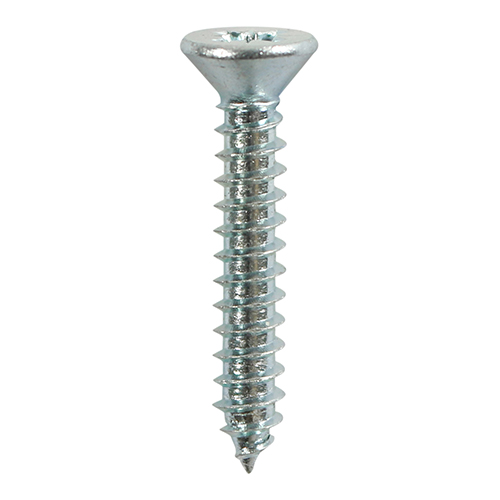 TIMCO Self-Tapping Screws - PZ - Countersunk - Zinc - 8 x 1 1/4
£0.83 ex VAT(£0.99 inc VAT)
TIMCO Self-Tapping Screws - PZ - Countersunk - Zinc - 8 x 1 1/4
£0.83 ex VAT(£0.99 inc VAT)
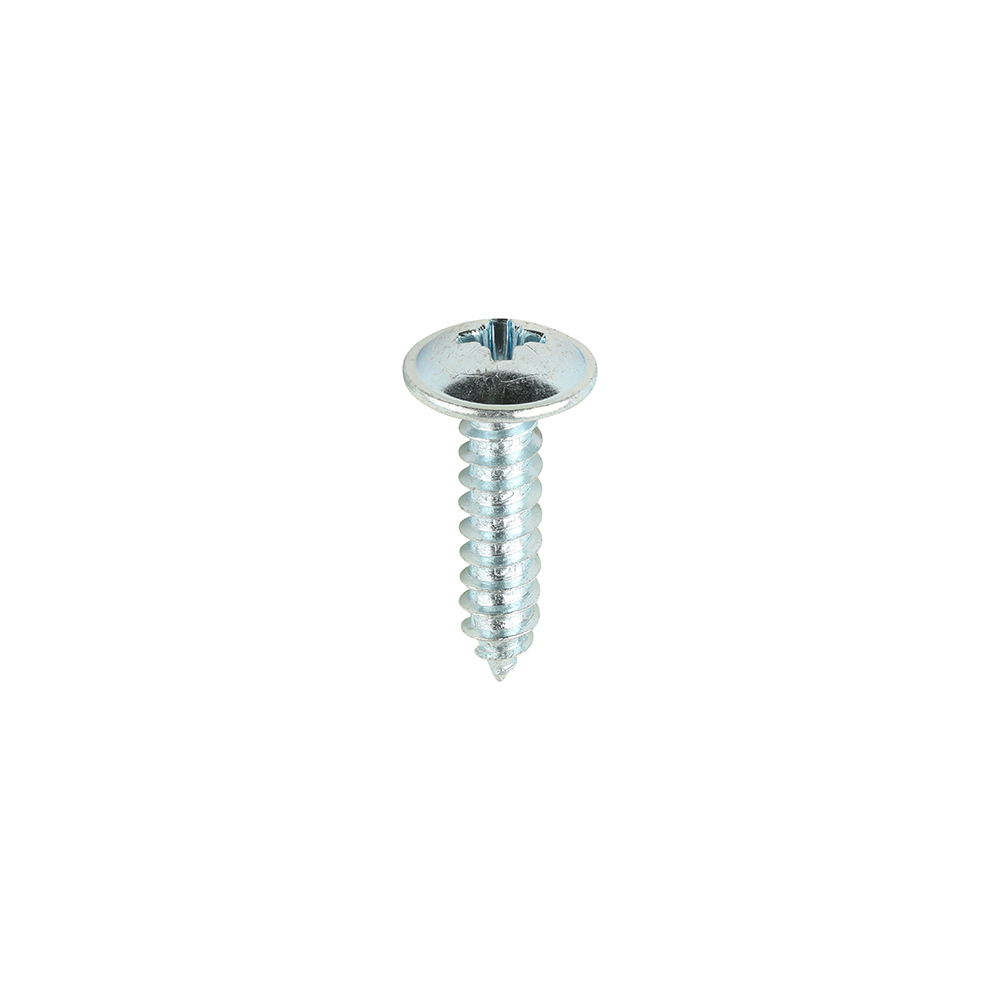 TIMCO Metal Tapping Screws - PZ - Flange - Self-Tapping - Zinc - 10 x 3/4
£3.08 ex VAT(£3.69 inc VAT)
TIMCO Metal Tapping Screws - PZ - Flange - Self-Tapping - Zinc - 10 x 3/4
£3.08 ex VAT(£3.69 inc VAT)
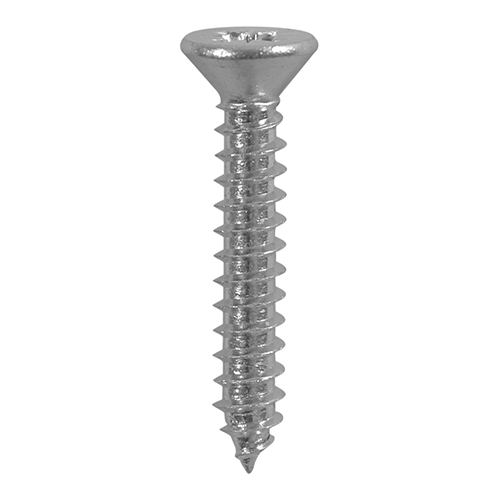 TIMCO Metal Tapping Screws - PZ - Countersunk - Self-Tapping - A2 Stainless Steel - 4.8 x 50
£11.66 ex VAT(£13.99 inc VAT)
TIMCO Metal Tapping Screws - PZ - Countersunk - Self-Tapping - A2 Stainless Steel - 4.8 x 50
£11.66 ex VAT(£13.99 inc VAT)
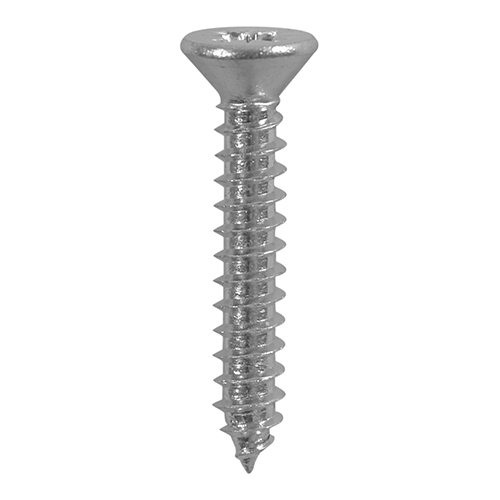 TIMCO Metal Tapping Screws - PZ - Countersunk - Self-Tapping - A2 Stainless Steel - 4.2 x 25
£4.83 ex VAT(£5.79 inc VAT)
TIMCO Metal Tapping Screws - PZ - Countersunk - Self-Tapping - A2 Stainless Steel - 4.2 x 25
£4.83 ex VAT(£5.79 inc VAT)
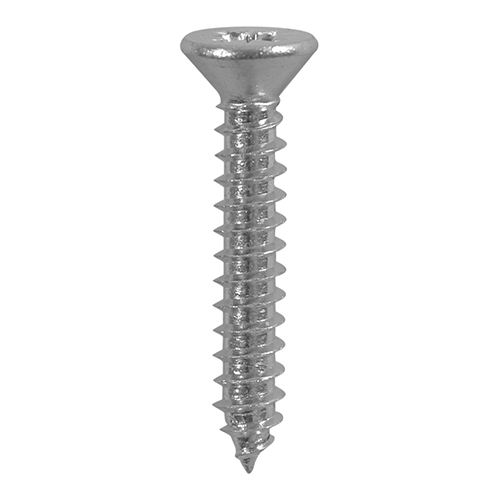 TIMCO Metal Tapping Screws - PZ - Countersunk - Self-Tapping - A2 Stainless Steel - 4.2 x 38
£6.74 ex VAT(£8.09 inc VAT)
TIMCO Metal Tapping Screws - PZ - Countersunk - Self-Tapping - A2 Stainless Steel - 4.2 x 38
£6.74 ex VAT(£8.09 inc VAT)
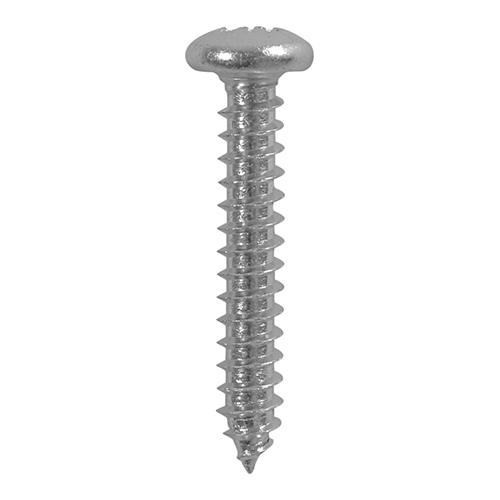 TIMCO Metal Tapping Screws - PZ - Pan - Self-Tapping - A2 Stainless Steel - 4.2 x 16
£4.33 ex VAT(£5.19 inc VAT)
TIMCO Metal Tapping Screws - PZ - Pan - Self-Tapping - A2 Stainless Steel - 4.2 x 16
£4.33 ex VAT(£5.19 inc VAT)
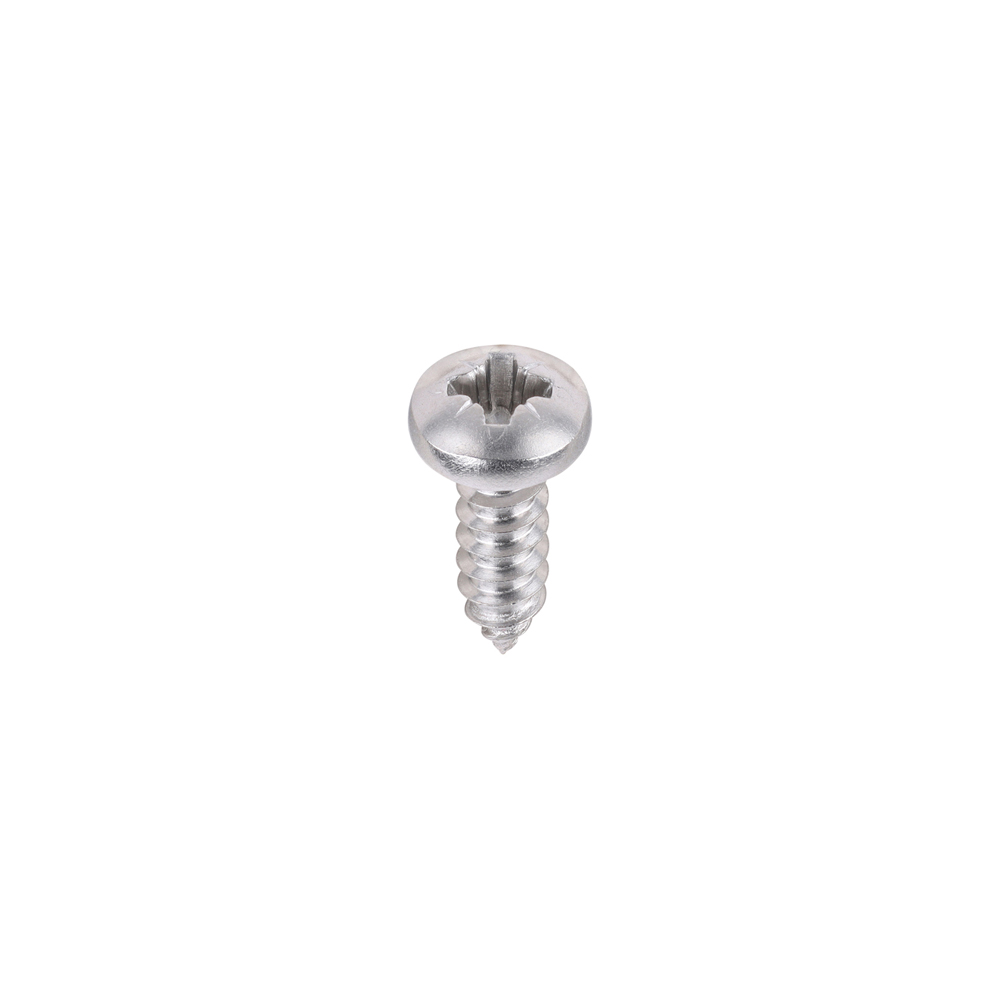 TIMCO Metal Tapping Screws - PZ - Pan - Self-Tapping - A2 Stainless Steel - 4.2 x 13
£3.83 ex VAT(£4.59 inc VAT)
TIMCO Metal Tapping Screws - PZ - Pan - Self-Tapping - A2 Stainless Steel - 4.2 x 13
£3.83 ex VAT(£4.59 inc VAT)
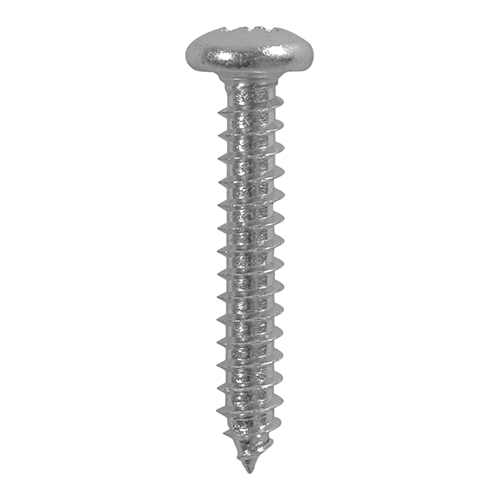 TIMCO Metal Tapping Screws - PZ - Pan - Self-Tapping - A2 Stainless Steel - 4.8 x 25
£7.91 ex VAT(£9.49 inc VAT)
TIMCO Metal Tapping Screws - PZ - Pan - Self-Tapping - A2 Stainless Steel - 4.8 x 25
£7.91 ex VAT(£9.49 inc VAT)
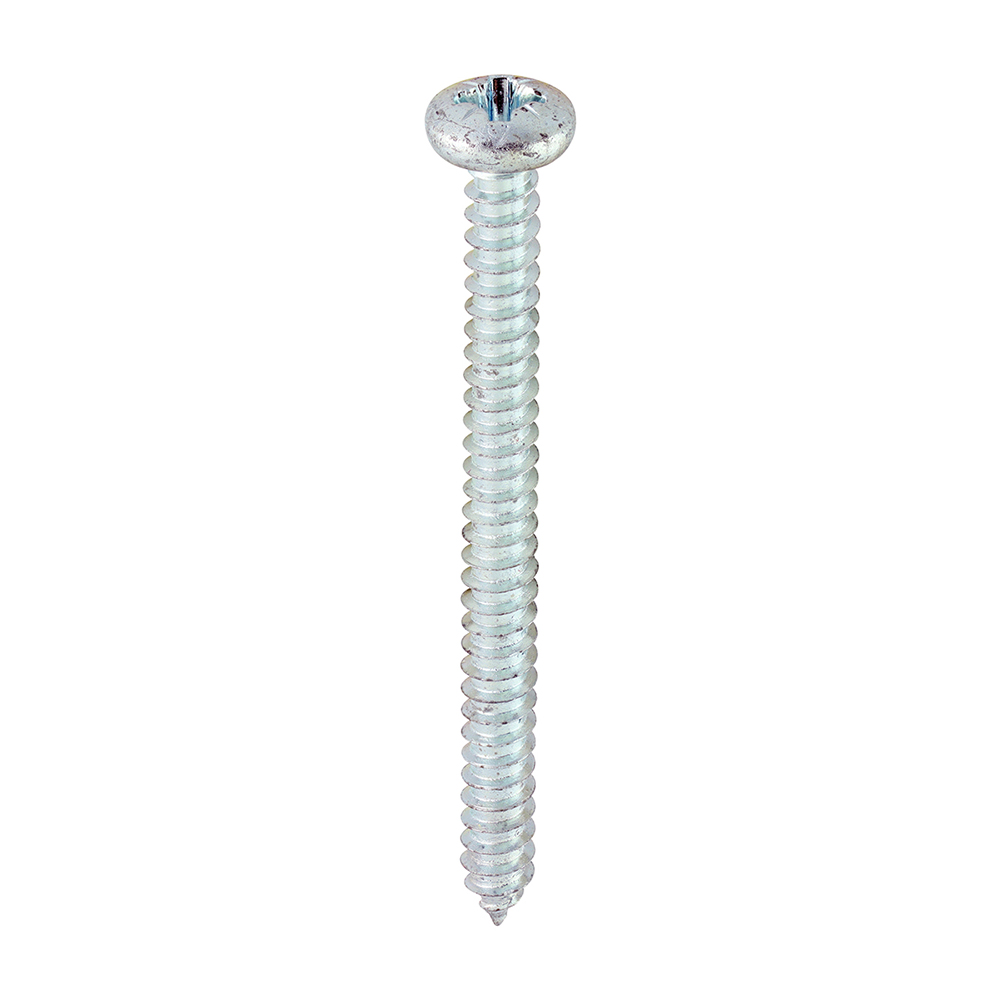 TIMCO Self-Tapping Screws - PZ - Pan - Zinc - 8 x 2
£4.83 ex VAT(£5.79 inc VAT)
TIMCO Self-Tapping Screws - PZ - Pan - Zinc - 8 x 2
£4.83 ex VAT(£5.79 inc VAT)
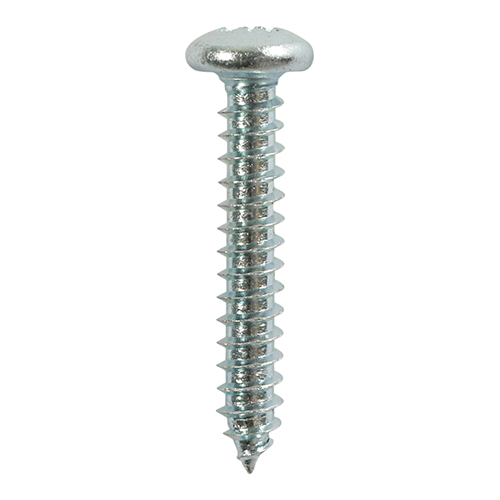 TIMCO Self-Tapping Screws - PZ - Pan - Zinc - 10 x 5/8
£0.83 ex VAT(£0.99 inc VAT)
TIMCO Self-Tapping Screws - PZ - Pan - Zinc - 10 x 5/8
£0.83 ex VAT(£0.99 inc VAT)
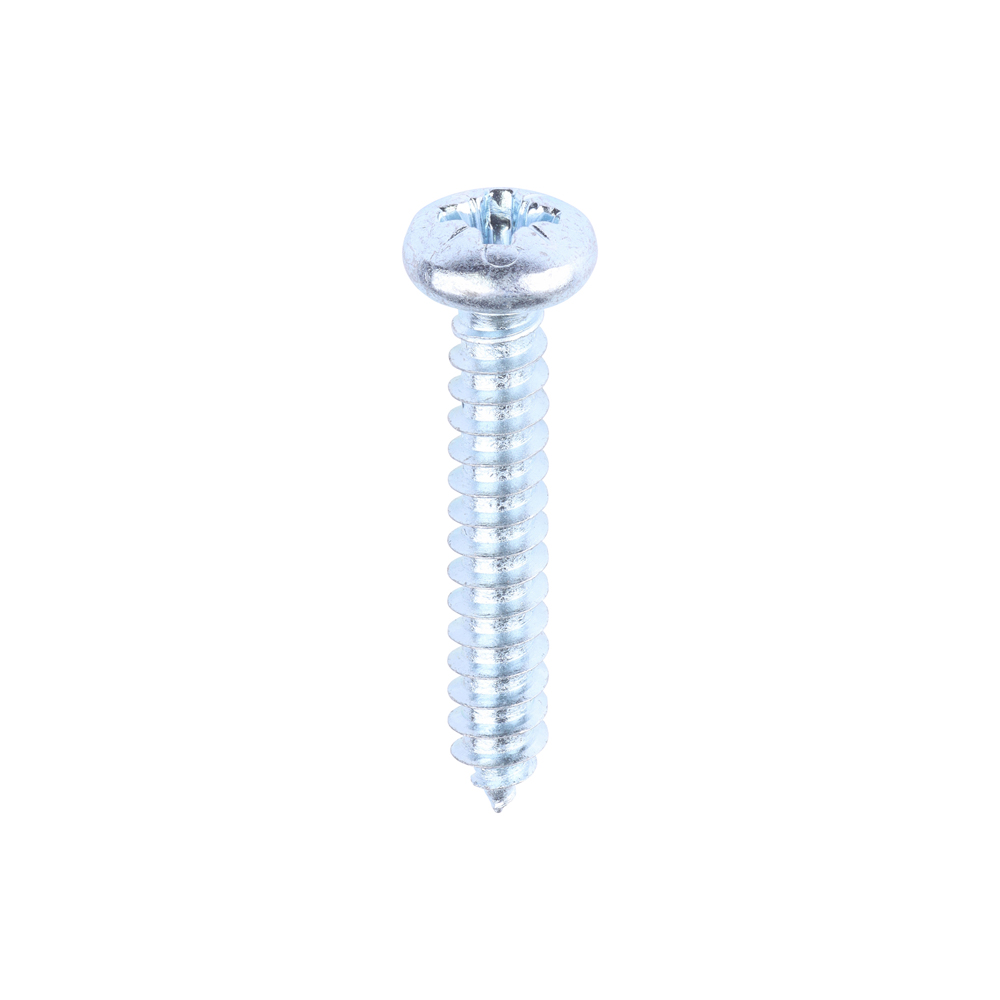 TIMCO Self-Tapping Screws - PZ - Pan - Zinc - 8 x 1
£2.49 ex VAT(£2.99 inc VAT)
TIMCO Self-Tapping Screws - PZ - Pan - Zinc - 8 x 1
£2.49 ex VAT(£2.99 inc VAT)
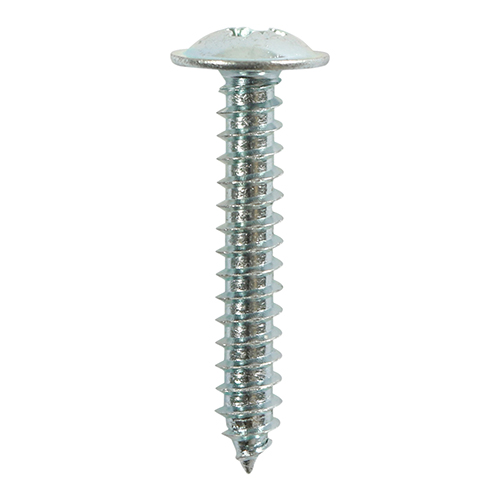 TIMCO Self-Tapping Screws - PZ - Flange Head - Zinc - 8 x 3/8
£0.83 ex VAT(£0.99 inc VAT)
TIMCO Self-Tapping Screws - PZ - Flange Head - Zinc - 8 x 3/8
£0.83 ex VAT(£0.99 inc VAT)
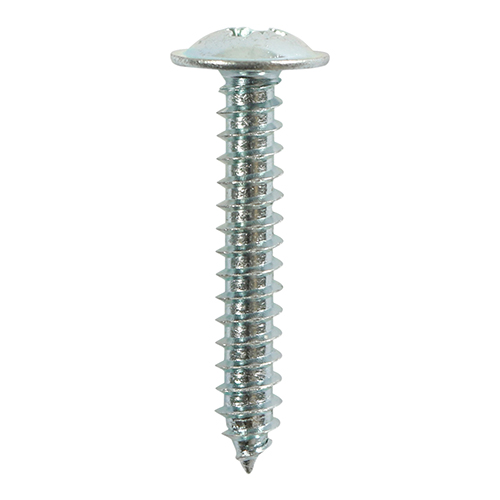 TIMCO Self-Tapping Screws - PZ - Flange Head - Zinc - 8 x 1/2
£0.83 ex VAT(£0.99 inc VAT)
TIMCO Self-Tapping Screws - PZ - Flange Head - Zinc - 8 x 1/2
£0.83 ex VAT(£0.99 inc VAT)
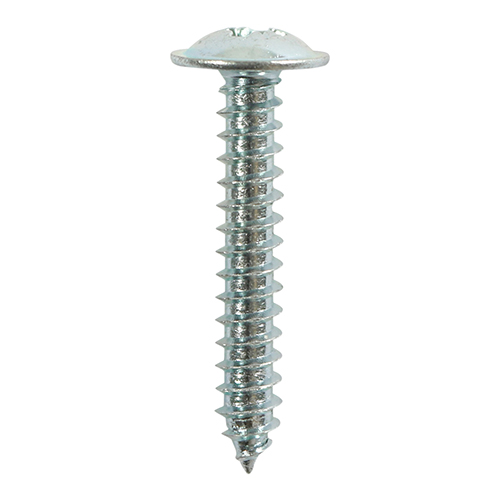 TIMCO Self-Tapping Screws - PZ - Flange Head - Zinc - 8 x 3/4
£0.83 ex VAT(£0.99 inc VAT)
TIMCO Self-Tapping Screws - PZ - Flange Head - Zinc - 8 x 3/4
£0.83 ex VAT(£0.99 inc VAT)
Self tapping screws for metal are a reliable, time-saving fixing when used correctly. Using a pilot hole, selecting the right head type, and choosing the correct material all contribute to a strong, long-lasting fixing.
For a full range of countersunk, pan head, flange head and mixed tray options, explore the self tapping screw categories at Fast Fixings Online.
No account yet?
Create an AccountSign up to our newsletter and get your first order discount code straight to your inbox.
*Some exclusions apply

We use cookies to ensure our website functions correctly and securely. Some cookies are strictly necessary, while others help us understand how visitors interact with the site so we can improve content, features, and performance. You’re in control – adjust your preferences at any time.
Already have an account? Login
Become a VIP member for free and unlock exclusive discounts.
Bronze1% Discount off EVERY order Silver2.5% Discount off EVERY order Gold4.5% Discount off EVERY order Platinum7% Discount off EVERY order Titanium10% Discount off EVERY orderAlready have an account? Login
Already have an account? Login
Already have an account? Login
Already have an account? Login
Already have an account? Login