Screws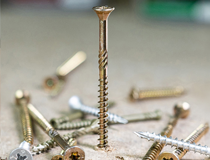
 Nails
Nails
 Fasteners & Fixings
 Adhesives & Building Chemicals
 Powertool Accessories
 Fence & Gate Hardware
 Building Supplies
 Security & Ironmongery
 Site and Access
 Hand Tools
 Painting & Decorating
 Workwear, PPE & Safety


Stainless Self Tapping Screws: What They Are and When to Use Them




Stainless self tapping screws are a reliable choice for fixing into metal, plastic and other materials without the need for pre-threading. Designed to cut their own thread as they are driven in, they offer a quick and efficient solution for a wide range of applications.
In addition, stainless steel provides excellent corrosion resistance. This makes these screws ideal for outdoor use, damp environments and long-term installations where durability matters.
In this guide we explain:
Stainless self tapping screws are designed to create their own thread as they are driven into a material. Unlike standard screws, they do not require a pre-cut thread, which makes installation faster and more convenient.
Compared to standard screws:
As a result, they are commonly used in both trade and DIY applications.
Stainless self tapping screws are suitable for a range of materials, including:
They are especially useful where speed and efficiency are important, such as fixing brackets, panels or enclosures.
Stainless steel screws are ideal for external use. They resist rust and corrosion, making them perfect for:
They are also suitable for areas exposed to moisture, such as:
Self tapping screws are widely used for:
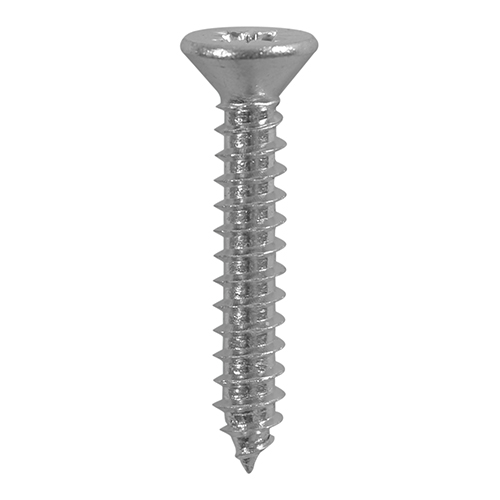 Timco Metal Tapping Screws - PZ - Countersunk - Self-Tapping - A2 Stainless Steel - 3.9 x 13
£2.58 ex VAT(£3.09 inc VAT)
Timco Metal Tapping Screws - PZ - Countersunk - Self-Tapping - A2 Stainless Steel - 3.9 x 13
£2.58 ex VAT(£3.09 inc VAT)
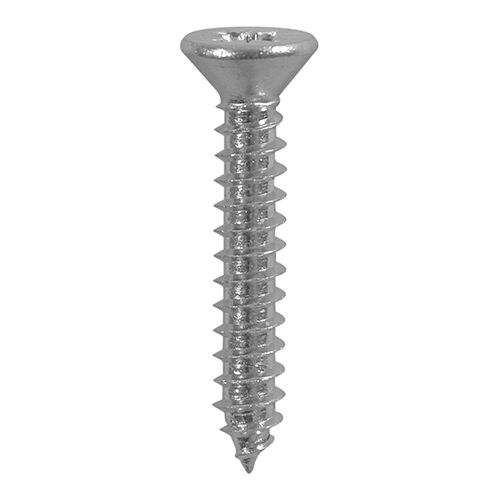 Timco Metal Tapping Screws - PZ - Countersunk - Self-Tapping - A2 Stainless Steel - 4.2 x 9.5
£2.74 ex VAT(£3.29 inc VAT)
Timco Metal Tapping Screws - PZ - Countersunk - Self-Tapping - A2 Stainless Steel - 4.2 x 9.5
£2.74 ex VAT(£3.29 inc VAT)
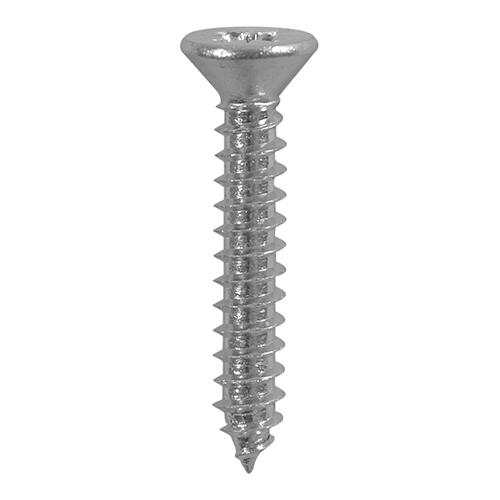 Timco Metal Tapping Screws - PZ - Countersunk - Self-Tapping - A2 Stainless Steel - 3.9 x 25
£4.16 ex VAT(£4.99 inc VAT)
Timco Metal Tapping Screws - PZ - Countersunk - Self-Tapping - A2 Stainless Steel - 3.9 x 25
£4.16 ex VAT(£4.99 inc VAT)
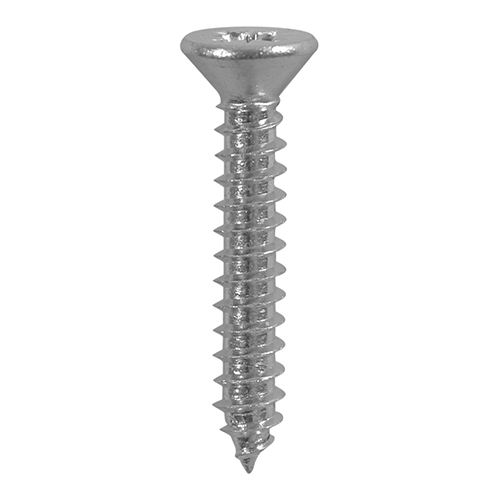 Timco Metal Tapping Screws - PZ - Countersunk - Self-Tapping - A2 Stainless Steel - 4.2 x 38
£6.74 ex VAT(£8.09 inc VAT)
Timco Metal Tapping Screws - PZ - Countersunk - Self-Tapping - A2 Stainless Steel - 4.2 x 38
£6.74 ex VAT(£8.09 inc VAT)
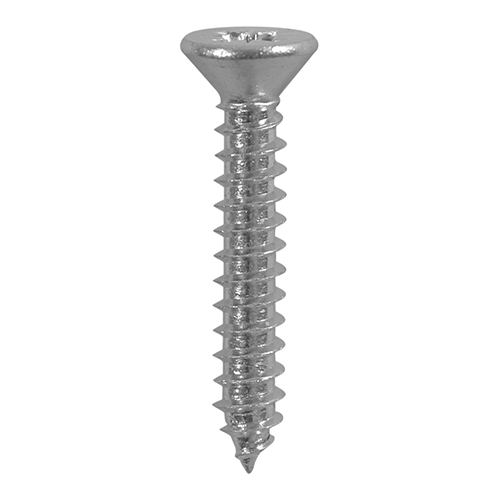 Timco Metal Tapping Screws - PZ - Countersunk - Self-Tapping - A2 Stainless Steel - 4.8 x 50
£11.66 ex VAT(£13.99 inc VAT)
Timco Metal Tapping Screws - PZ - Countersunk - Self-Tapping - A2 Stainless Steel - 4.8 x 50
£11.66 ex VAT(£13.99 inc VAT)
| Feature | Stainless | Zinc |
|---|---|---|
| Corrosion resistance | High | Low |
| Outdoor use | Yes | Not ideal |
| Cost | Higher | Lower |
In some cases, yes, but not always.
Using a pilot hole in thicker materials helps:
Choosing the right head type is important for both performance and finish.
Countersunk screws sit flush with the surface. This provides a clean and professional finish.
Flange head screws spread the load over a wider area. This makes them ideal for softer materials or where extra grip is needed.
Pan head screws sit proud of the surface. They are a good general-purpose option for many applications.
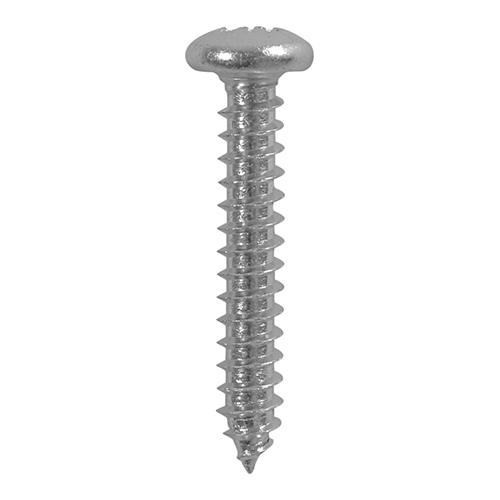 Timco Metal Tapping Screws - PZ - Pan - Self-Tapping - A2 Stainless Steel - 4.2 x 16
£4.33 ex VAT(£5.19 inc VAT)
Timco Metal Tapping Screws - PZ - Pan - Self-Tapping - A2 Stainless Steel - 4.2 x 16
£4.33 ex VAT(£5.19 inc VAT)
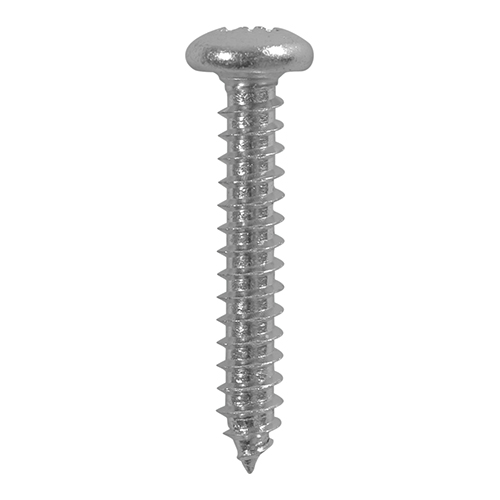 Timco Metal Tapping Screws - PZ - Pan - Self-Tapping - A2 Stainless Steel - 5.5 x 25
£10.58 ex VAT(£12.69 inc VAT)
Timco Metal Tapping Screws - PZ - Pan - Self-Tapping - A2 Stainless Steel - 5.5 x 25
£10.58 ex VAT(£12.69 inc VAT)
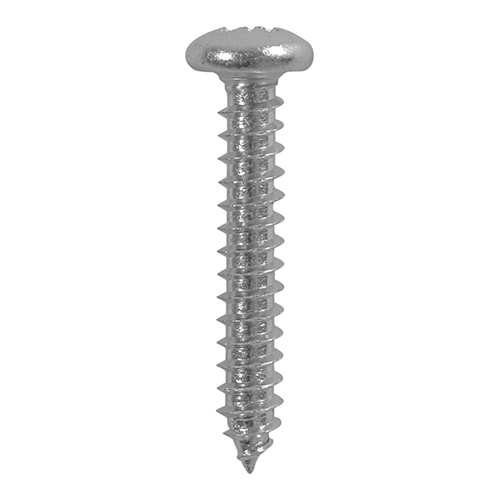 Timco Metal Tapping Screws - PZ - Pan - Self-Tapping - A2 Stainless Steel - 3.5 x 9.5
£2.33 ex VAT(£2.79 inc VAT)
Timco Metal Tapping Screws - PZ - Pan - Self-Tapping - A2 Stainless Steel - 3.5 x 9.5
£2.33 ex VAT(£2.79 inc VAT)
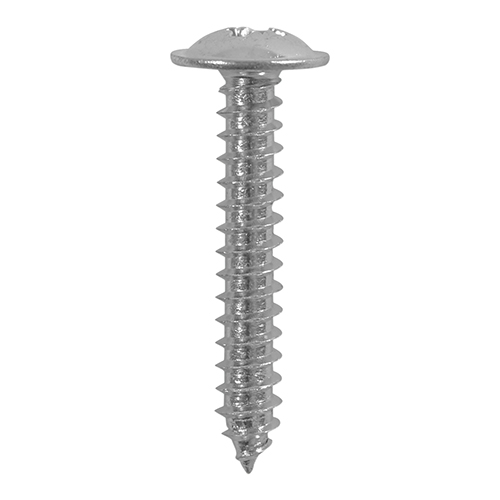 Timco Metal Tapping Screws - PZ - Flange - Self-Tapping - A2 Stainless Steel - 4.2 x 19
£5.49 ex VAT(£6.59 inc VAT)
Timco Metal Tapping Screws - PZ - Flange - Self-Tapping - A2 Stainless Steel - 4.2 x 19
£5.49 ex VAT(£6.59 inc VAT)
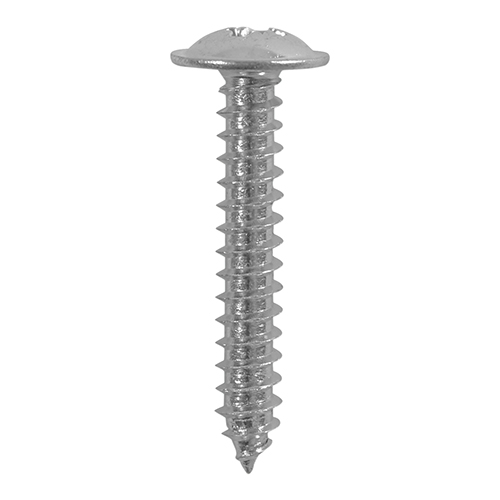 Timco Metal Tapping Screws - PZ - Flange - Self-Tapping - A2 Stainless Steel - 4.2 x 13
£4.58 ex VAT(£5.49 inc VAT)
Timco Metal Tapping Screws - PZ - Flange - Self-Tapping - A2 Stainless Steel - 4.2 x 13
£4.58 ex VAT(£5.49 inc VAT)
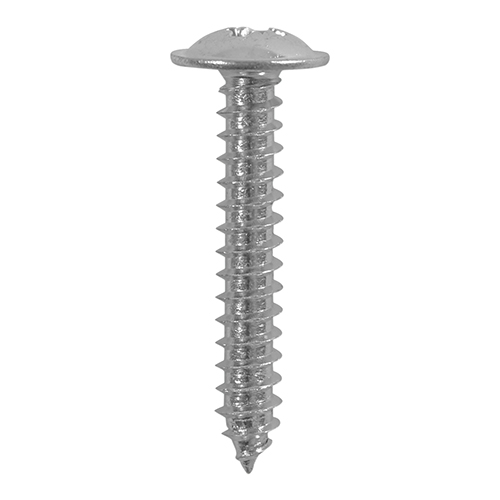 Timco Metal Tapping Screws - PZ - Flange - Self-Tapping - A2 Stainless Steel - 4.2 x 9.5
£4.16 ex VAT(£4.99 inc VAT)
Timco Metal Tapping Screws - PZ - Flange - Self-Tapping - A2 Stainless Steel - 4.2 x 9.5
£4.16 ex VAT(£4.99 inc VAT)
Avoiding these mistakes will improve performance and extend the life of your fixings.
At Fast Fixings Online, we stock a wide range of stainless self tapping screws from Timco, suitable for trade and DIY use.
Browse the full range:
Choosing the right type ensures a strong, secure and long-lasting fixing.
What are stainless self tapping screws used for?
They are used for fixing into metal, plastic and similar materials without the need for pre-threading.
Can self tapping screws go into steel?
Yes, they are commonly used in thin steel. For thicker steel, a pilot hole is recommended.
Do stainless screws rust?
Stainless steel is highly resistant to corrosion, making it suitable for outdoor and damp environments.
Do I need to drill a hole first?
Not always. For thin materials, they can be driven directly. For thicker materials, a pilot hole is advised.
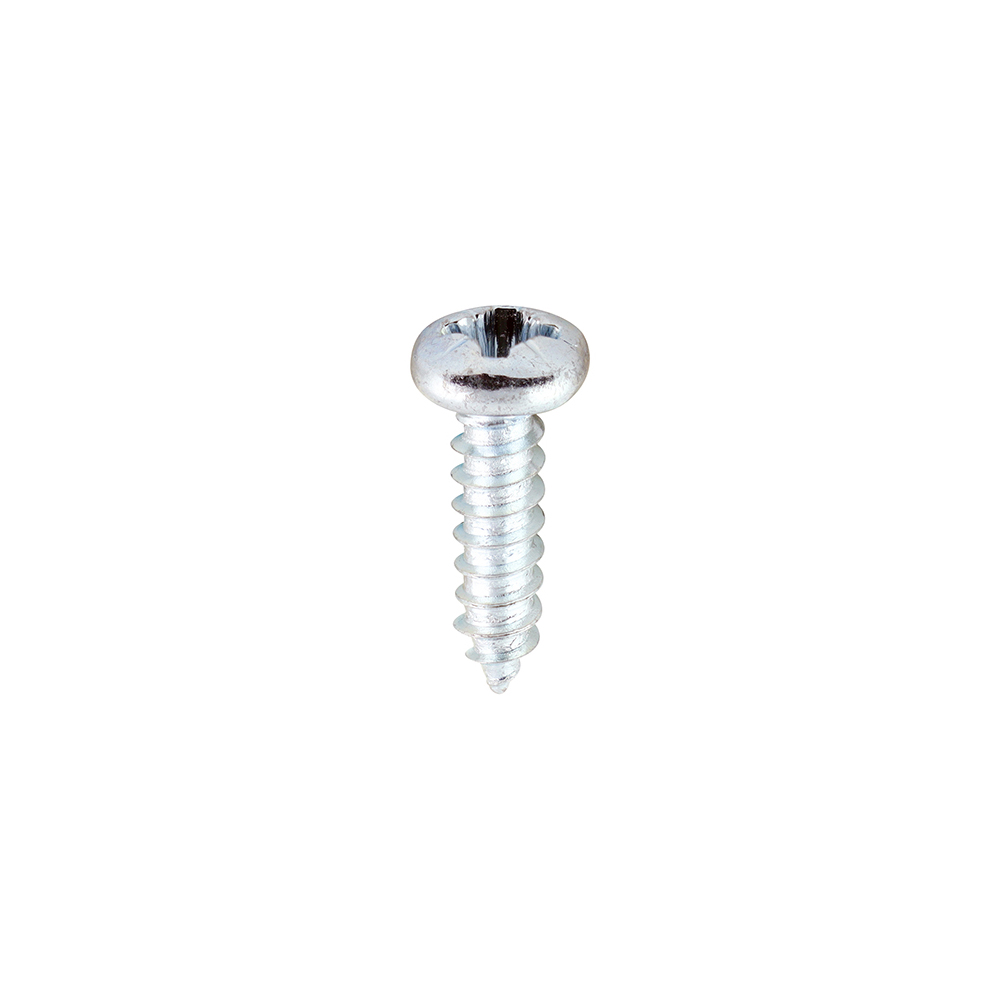 Timco Self-Tapping Screws - PZ - Pan - Zinc - 6 x 1/2
£1.49 ex VAT(£1.79 inc VAT)
Timco Self-Tapping Screws - PZ - Pan - Zinc - 6 x 1/2
£1.49 ex VAT(£1.79 inc VAT)
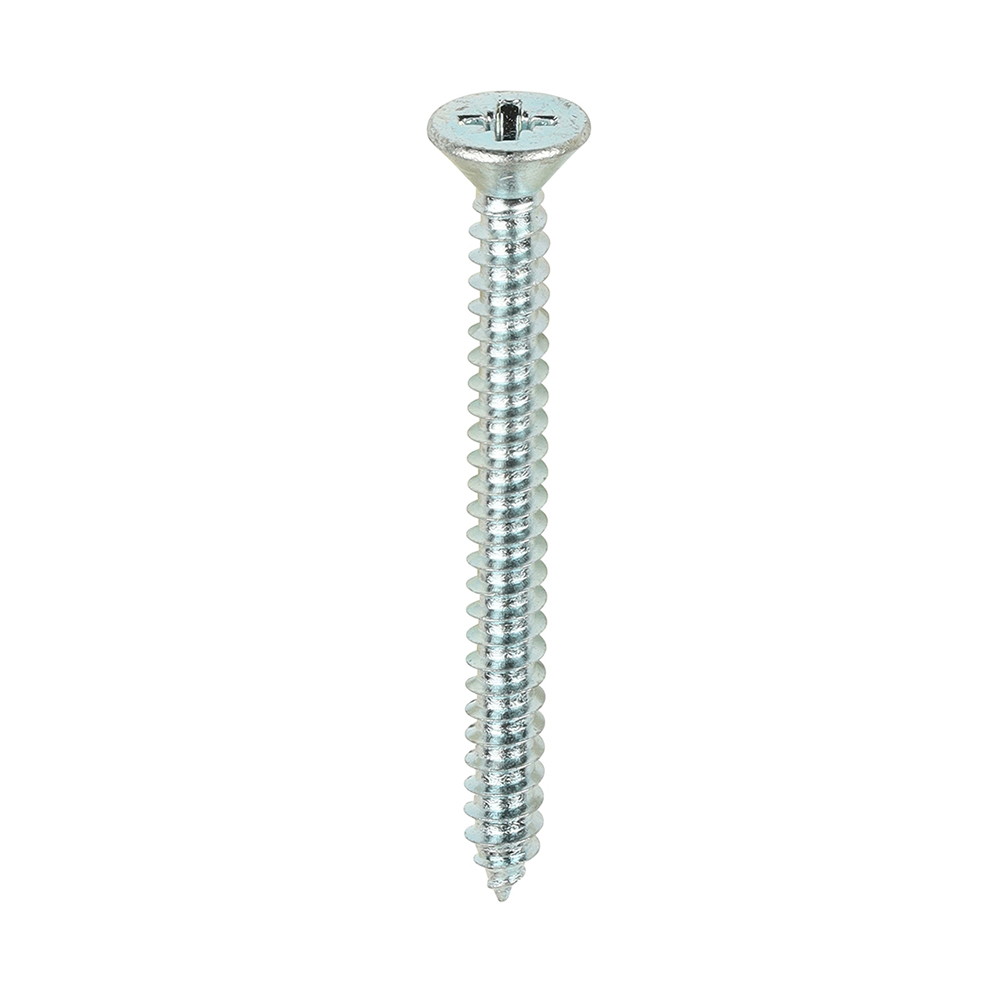 Timco Self-Tapping Screws - PZ - Countersunk - Zinc - 8 x 1 3/4
£3.91 ex VAT(£4.69 inc VAT)
Timco Self-Tapping Screws - PZ - Countersunk - Zinc - 8 x 1 3/4
£3.91 ex VAT(£4.69 inc VAT)
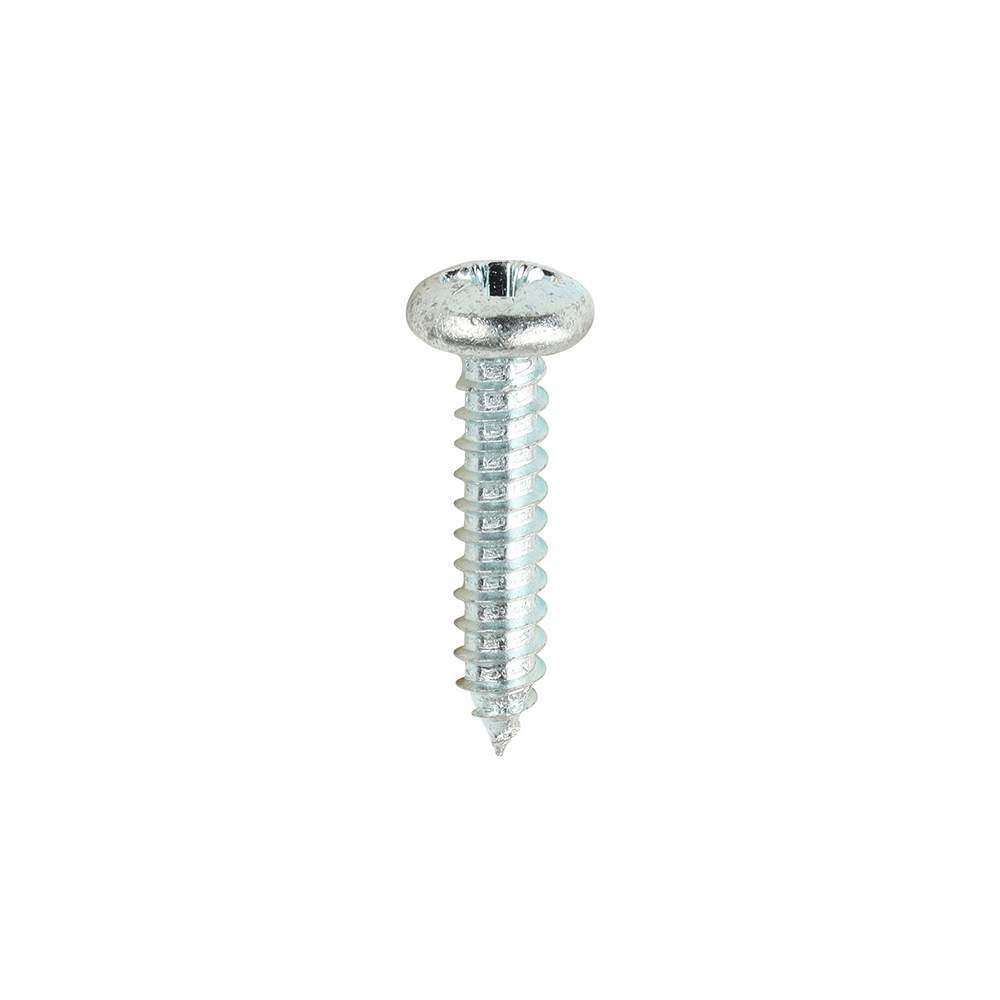 Timco Self-Tapping Screws - PZ - Pan - Zinc - 10 x 1
£3.33 ex VAT(£3.99 inc VAT)
Timco Self-Tapping Screws - PZ - Pan - Zinc - 10 x 1
£3.33 ex VAT(£3.99 inc VAT)
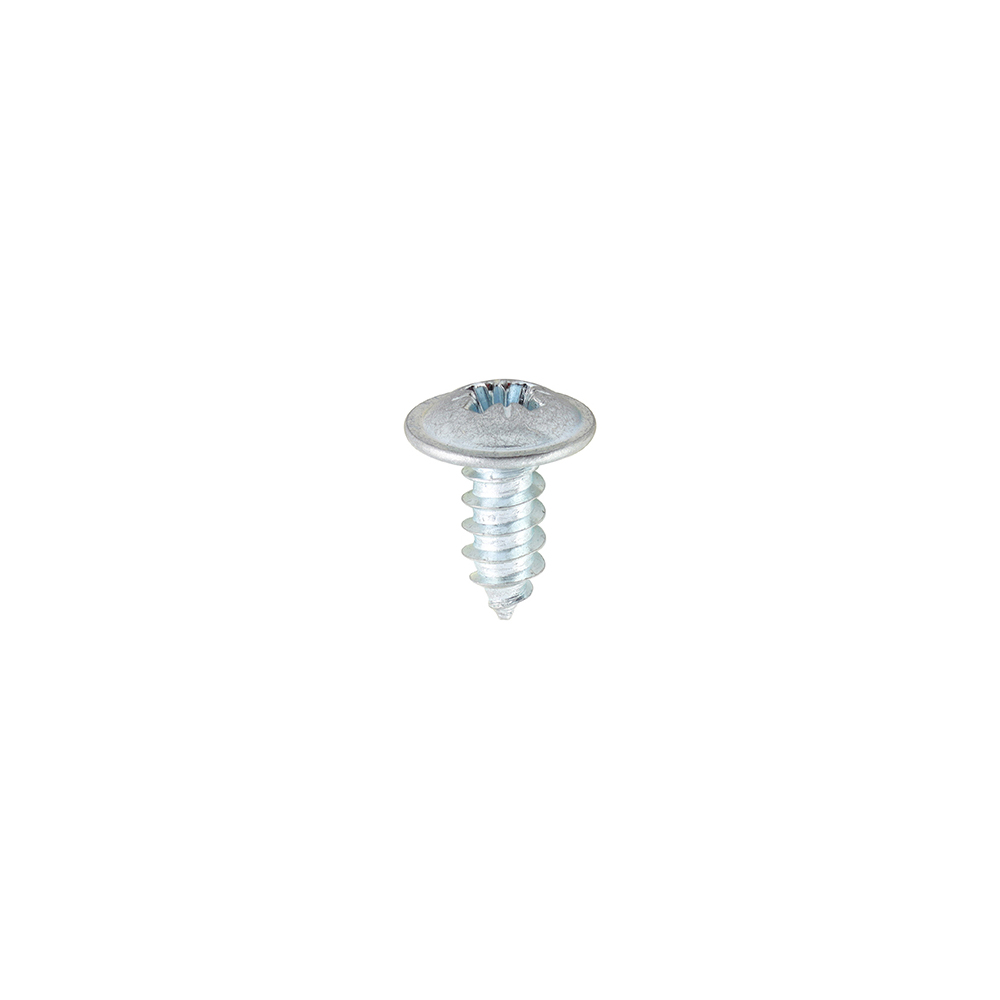 Timco Metal Tapping Screws - PZ - Flange - Self-Tapping - Zinc - 8 x 3/8
£1.74 ex VAT(£2.09 inc VAT)
Timco Metal Tapping Screws - PZ - Flange - Self-Tapping - A2 Stainless Steel - 4.2 x 19
£5.49 ex VAT(£6.59 inc VAT)
Timco Metal Tapping Screws - PZ - Flange - Self-Tapping - Zinc - 8 x 3/8
£1.74 ex VAT(£2.09 inc VAT)
Timco Metal Tapping Screws - PZ - Flange - Self-Tapping - A2 Stainless Steel - 4.2 x 19
£5.49 ex VAT(£6.59 inc VAT)
No account yet?
Create an AccountSign up to our newsletter and get your first order discount code straight to your inbox.
*Some exclusions apply

We use cookies to ensure our website functions correctly and securely. Some cookies are strictly necessary, while others help us understand how visitors interact with the site so we can improve content, features, and performance. You’re in control – adjust your preferences at any time.
Already have an account? Login
Become a VIP member for free and unlock exclusive discounts.
Bronze1% Discount off EVERY order Silver2.5% Discount off EVERY order Gold4.5% Discount off EVERY order Platinum7% Discount off EVERY order Titanium10% Discount off EVERY orderAlready have an account? Login
Already have an account? Login
Already have an account? Login
Already have an account? Login
Already have an account? Login