Screws
 Nails
Nails
 Fasteners & Fixings
 Adhesives & Building Chemicals
 Powertool Accessories
 Fence & Gate Hardware
 Building Supplies
 Security & Ironmongery
 Site and Access

 Hand Tools
 Painting & Decorating
 Workwear, PPE & Safety



Plasterboard Beading Explained: Types, Uses & When to Use Each




Plasterboard beading is essential for achieving clean edges, strong corners and a consistent finish across any plastering job.
Whether you're working on drylining, rendering or finishing internal walls, choosing the right bead makes a big difference to both speed and final result.
Plasterboard beading is used to reinforce edges, protect corners and create clean lines when plastering or rendering.
Beading helps to:
There are several types of plasterboard beading, each designed for a specific application.
Used to reinforce external corners and create sharp, straight edges.
These are one of the most commonly used plasterboard beads on site.
Used to create a clean stopping point for plaster.
Ideal around windows, doors and edges, plaster stop beads provide a neat, consistent finish line and help prevent over-spreading of plaster.
Designed to protect exposed plasterboard edges.
Flexible beads used for curved or arched surfaces.
Designed to allow for movement and prevent cracking.
In addition to plasterboard beading, mesh and tape play an important role in reinforcing plaster and preventing cracks.
Render mesh is commonly used alongside beading to strengthen plaster and improve long-term durability.
Used alongside beading for:
 Standard Angle Bead - Stainless Steel - 3m - Box of 50
£334.98 ex VAT(£401.97 inc VAT)
Standard Angle Bead - Stainless Steel - 3m - Box of 50
£334.98 ex VAT(£401.97 inc VAT)
 Standard Angle Bead - Galvanised - 2.4m - Box of 50
£82.23 ex VAT(£98.68 inc VAT)
Standard Angle Bead - Galvanised - 2.4m - Box of 50
£82.23 ex VAT(£98.68 inc VAT)
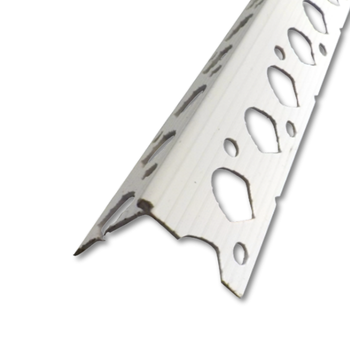 Standard Angle Bead - uPVC - 2.5m x 2-3mm - Box of 25
£71.24 ex VAT(£85.49 inc VAT)
Standard Angle Bead - uPVC - 2.5m x 2-3mm - Box of 25
£71.24 ex VAT(£85.49 inc VAT)
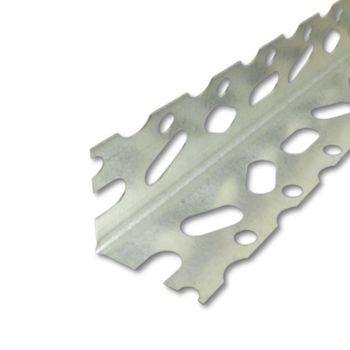 Skim Bead - Galvanised - 2.4M - Box of 50
£85.22 ex VAT(£102.26 inc VAT)
Skim Bead - Galvanised - 2.4M - Box of 50
£85.22 ex VAT(£102.26 inc VAT)
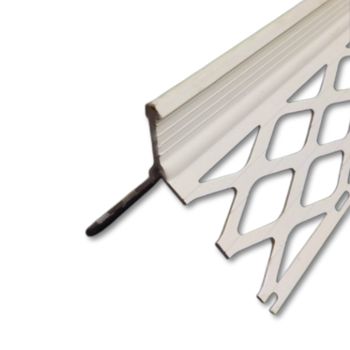 Standard Angle Bead - uPVC - 2.5m x 6-10mm - Box of 25
£107.53 ex VAT(£129.03 inc VAT)
Standard Angle Bead - uPVC - 2.5m x 6-10mm - Box of 25
£107.53 ex VAT(£129.03 inc VAT)
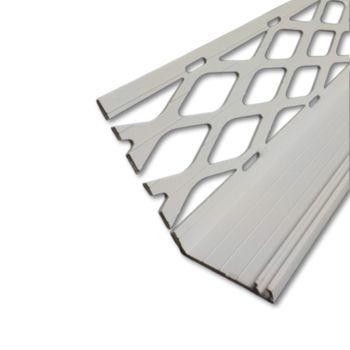 External Render Stop - uPVC - 2.5M x 12-22mm - Box of 25
£128.24 ex VAT(£153.89 inc VAT)
External Render Stop - uPVC - 2.5M x 12-22mm - Box of 25
£128.24 ex VAT(£153.89 inc VAT)
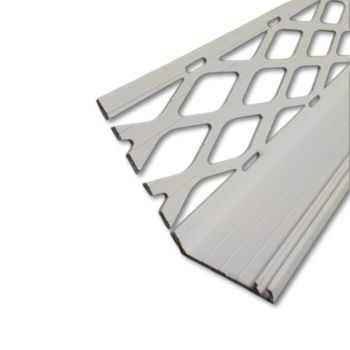 External Render Stop - uPVC - 2.5M x 6-12mm - Box of 25
£111.22 ex VAT(£133.46 inc VAT)
External Render Stop - uPVC - 2.5M x 6-12mm - Box of 25
£111.22 ex VAT(£133.46 inc VAT)
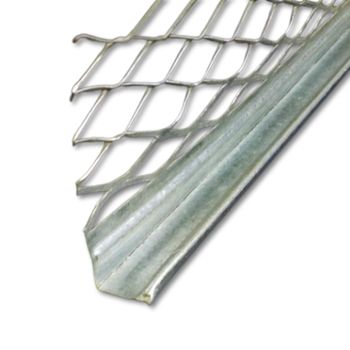 Plaster Stop - Galvanised - 2.4M x 10mm - Box of 50
£127.24 ex VAT(£152.69 inc VAT)
Plaster Stop - Galvanised - 2.4M x 10mm - Box of 50
£127.24 ex VAT(£152.69 inc VAT)
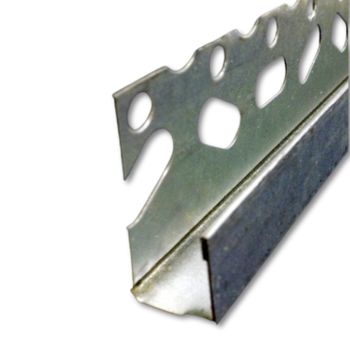 Plasterboard Edge Bead - Galvanised - 3M x 10mm - Box of 50
£172.88 ex VAT(£207.46 inc VAT)
Plasterboard Edge Bead - Galvanised - 3M x 10mm - Box of 50
£172.88 ex VAT(£207.46 inc VAT)
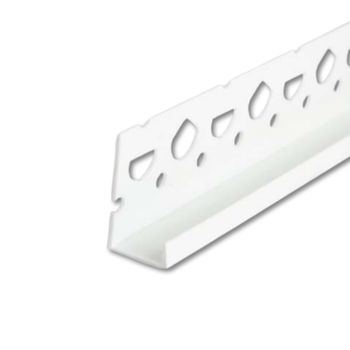 Plasterboard Edge Bead - uPVC - 2.5M x 15mm - Box of 25
£106.80 ex VAT(£128.16 inc VAT)
Plasterboard Edge Bead - uPVC - 2.5M x 15mm - Box of 25
£106.80 ex VAT(£128.16 inc VAT)
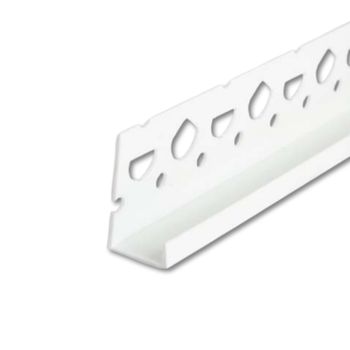 Plasterboard Edge Bead - uPVC - 2.5M x 12.5mm - Box of 25
£106.80 ex VAT(£128.16 inc VAT)
Plasterboard Edge Bead - uPVC - 2.5M x 12.5mm - Box of 25
£106.80 ex VAT(£128.16 inc VAT)
Choosing the right plasterboard beading depends on the job, the finish required and the environment.
Using the correct combination ensures a consistent, professional finish across every job.
What is plasterboard beading used for?
Plasterboard beading is used to protect edges, reinforce corners and create clean lines when plastering or rendering.
What is the difference between angle bead and stop bead?
Angle beads reinforce corners, while stop beads create a clean stopping point for plaster.
Do you need mesh with plasterboard?
Mesh is often used to reinforce joints and prevent cracking, especially in larger or high-stress areas.
What bead is used for plasterboard edges?
Edge beads are specifically designed to protect exposed plasterboard edges and improve durability.
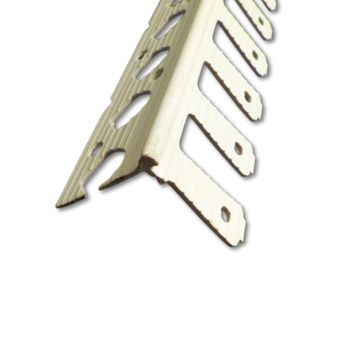 uPVC Arch Bead - 2.5M - Box of 25
£83.11 ex VAT(£99.73 inc VAT)
uPVC Arch Bead - 2.5M - Box of 25
£83.11 ex VAT(£99.73 inc VAT)
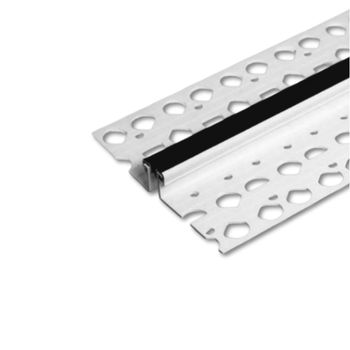 Movement Bead - uPVC - 2.5M x 20mm - Box of 25
£261.93 ex VAT(£314.31 inc VAT)
Movement Bead - uPVC - 2.5M x 20mm - Box of 25
£261.93 ex VAT(£314.31 inc VAT)
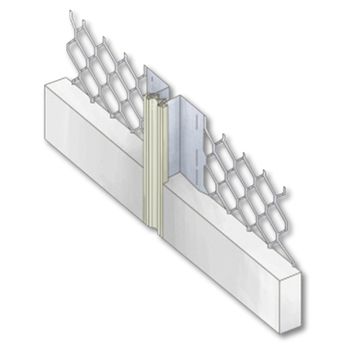 Movement Bead - Stainless Steel - 3M x 16mm - Box of 50
£1,220.00 ex VAT(£1,464.00 inc VAT)
Movement Bead - Stainless Steel - 3M x 16mm - Box of 50
£1,220.00 ex VAT(£1,464.00 inc VAT)
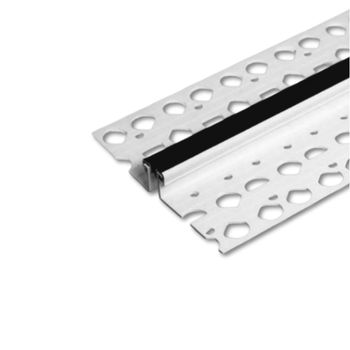 Movement Bead - uPVC - 2.5M x 10mm - Box of 25
£232.00 ex VAT(£278.40 inc VAT)
Movement Bead - uPVC - 2.5M x 10mm - Box of 25
£232.00 ex VAT(£278.40 inc VAT)
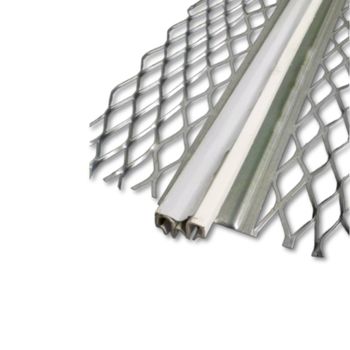 Movement Bead - Galvanised - 3M x 12mm - Box of 50
£1,167.97 ex VAT(£1,401.56 inc VAT)
Movement Bead - Galvanised - 3M x 12mm - Box of 50
£1,167.97 ex VAT(£1,401.56 inc VAT)
No account yet?
Create an AccountSign up to our newsletter and get your first order discount code straight to your inbox.
*Some exclusions apply

We use cookies to ensure our website functions correctly and securely. Some cookies are strictly necessary, while others help us understand how visitors interact with the site so we can improve content, features, and performance. You’re in control – adjust your preferences at any time.
Already have an account? Login
Become a VIP member for free and unlock exclusive discounts.
Bronze1% Discount off EVERY order Silver2.5% Discount off EVERY order Gold4.5% Discount off EVERY order Platinum7% Discount off EVERY order Titanium10% Discount off EVERY orderAlready have an account? Login
Already have an account? Login
Already have an account? Login
Already have an account? Login
Already have an account? Login