Screws
 Nails
Nails

 Fasteners & Fixings
 Adhesives & Building Chemicals
 Powertool Accessories
 Fence & Gate Hardware
 Building Supplies

 Security & Ironmongery
 Site and Access


 Hand Tools
 Painting & Decorating
 Workwear, PPE & Safety



Angle Bead vs Stop Bead: What’s the Difference & When to Use Each




Angle beads and stop beads are both essential for plastering, but they serve very different purposes on site.
Using the correct bead helps you achieve a cleaner finish, stronger edges and a more professional result.
Angle beads are used to form and protect external corners, while stop beads create a clean edge where plaster finishes.
In simple terms:
Angle beads (corner beads) are used to form straight, durable external corners.
They are commonly used on wall corners, window reveals and high-traffic areas.
Angle beads are available in galvanised steel, stainless steel and plastic options depending on the environment.
Stop beads are used to create a clean, straight edge where plaster finishes.
They are typically used around windows, doors and where plaster meets another surface.
Stop beads are available for both internal plastering and external rendering applications.
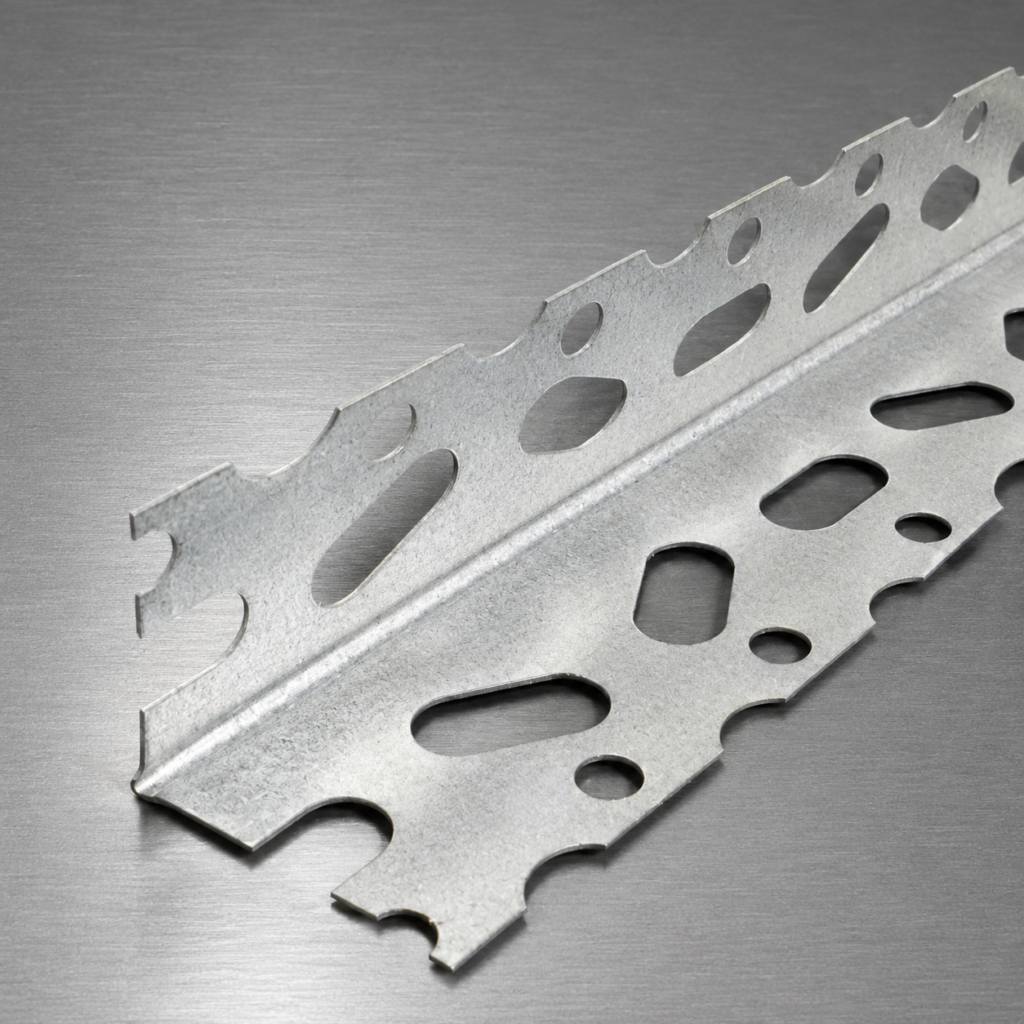 Skim Bead - Galvanised - 3M - Box of 50
£105.83 ex VAT(£126.99 inc VAT)
Skim Bead - Galvanised - 3M - Box of 50
£105.83 ex VAT(£126.99 inc VAT)
 Standard Angle Bead - Stainless Steel - 3m - Box of 50
£333.32 ex VAT(£399.98 inc VAT)
Standard Angle Bead - Stainless Steel - 3m - Box of 50
£333.32 ex VAT(£399.98 inc VAT)
 Standard Angle Bead - Galvanised - 3m - Box of 50
£103.33 ex VAT(£123.99 inc VAT)
Standard Angle Bead - Galvanised - 3m - Box of 50
£103.33 ex VAT(£123.99 inc VAT)
| Feature | Angle Bead | Stop Bead |
|---|---|---|
| Primary use | Forming external corners | Stopping plaster neatly |
| Position | External corners | Flat edges |
| Protection | Yes – reinforces corners | No – finishing only |
| Finish | Sharp, strong corner | Clean edge line |
| Typical use | Wall corners, reveals | Windows, doors, board ends |
On most jobs, angle beads and stop beads are used together to achieve a professional finish.
Used on the external corner of a wall or reveal to create strength and protection.
Used where the plaster finishes, such as against a window or door frame.
Using both ensures strong corners and clean edges across the same surface.
Using the correct bead in the right place ensures a cleaner and longer-lasting finish.
What is a plasterboard stop bead?
A plasterboard stop bead is used to create a clean edge where plaster finishes on plasterboard surfaces.
Do I need angle bead for plastering?
Yes, angle beads are essential for forming straight, durable external corners and preventing damage.
Can you use angle bead instead of stop bead?
No, they serve different purposes. Angle beads are for corners, while stop beads are for finishing edges.
Where are stop beads used?
Stop beads are commonly used around windows, doors and anywhere plaster needs to stop cleanly.
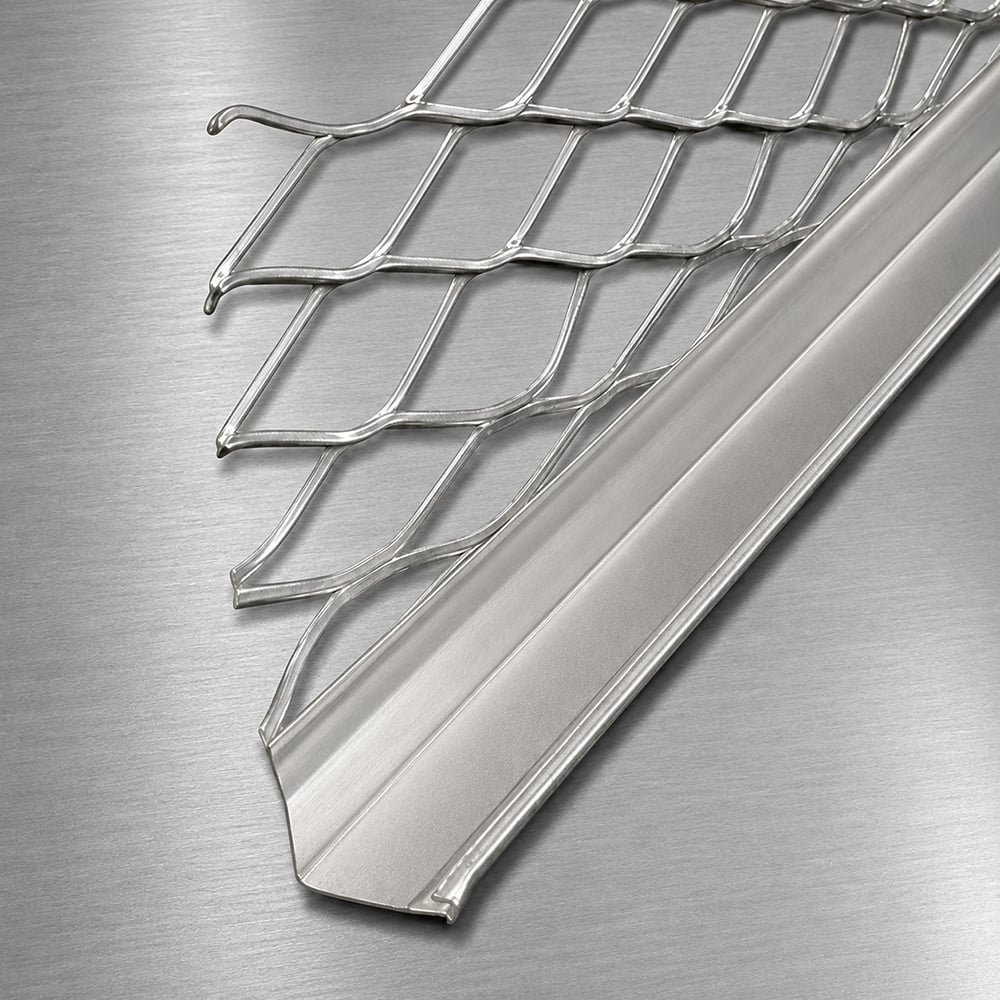 Plaster Stop - Stainless Steel - 3M x 16mm - Box of 50
£299.99 ex VAT(£359.99 inc VAT)
Plaster Stop - Stainless Steel - 3M x 16mm - Box of 50
£299.99 ex VAT(£359.99 inc VAT)
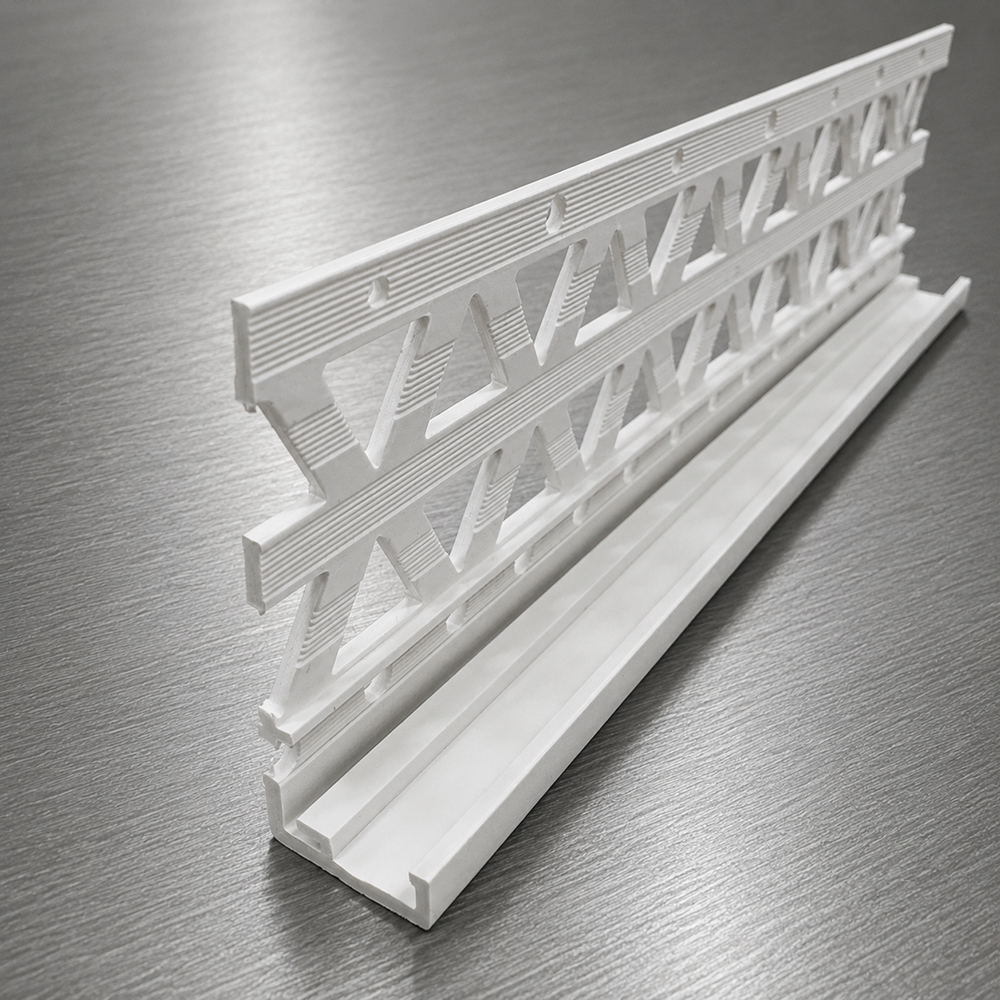 Plaster Stop - uPVC - 2.5M x 15-17mm - Box of 25
£113.33 ex VAT(£135.99 inc VAT)
Plaster Stop - Stainless Steel - 3M x 20mm - Box of 50
£301.66 ex VAT(£361.99 inc VAT)
Plaster Stop - uPVC - 2.5M x 15-17mm - Box of 25
£113.33 ex VAT(£135.99 inc VAT)
Plaster Stop - Stainless Steel - 3M x 20mm - Box of 50
£301.66 ex VAT(£361.99 inc VAT)
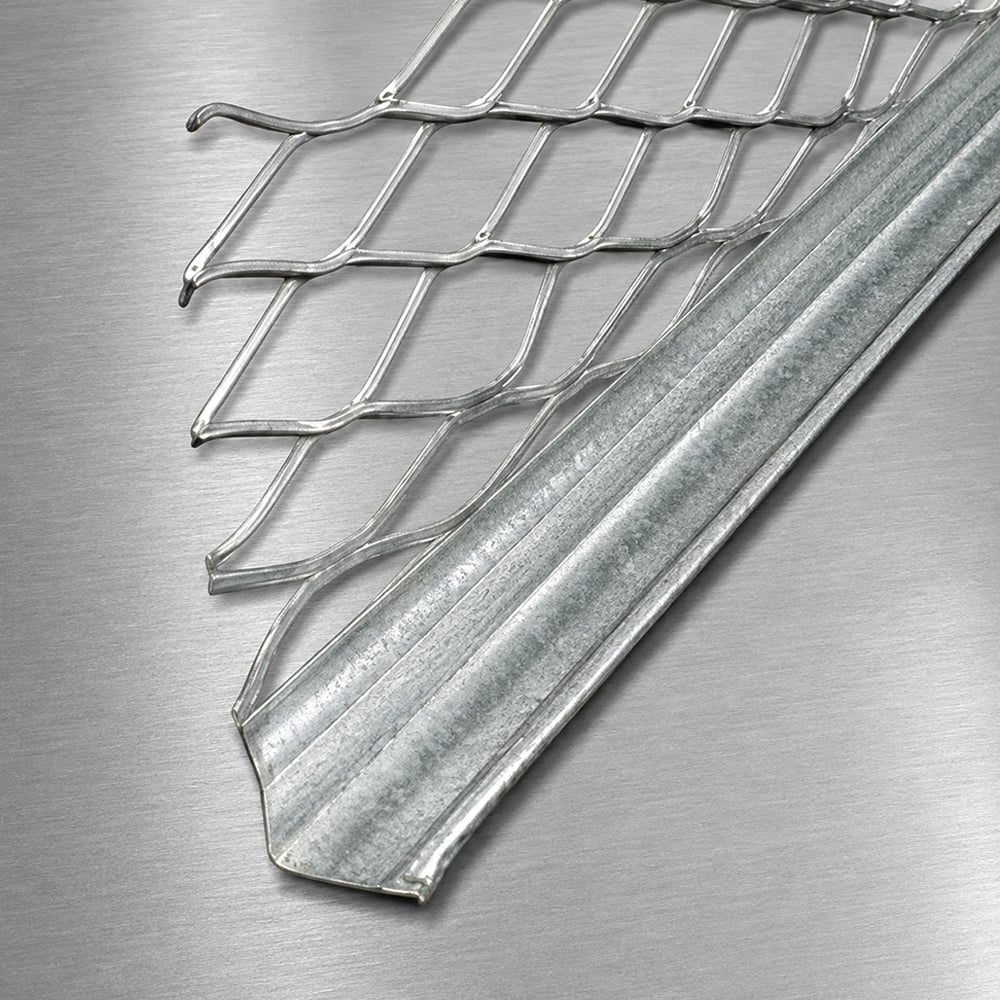 Plaster Stop - Galvanised - 3M x 19mm - Box of 50
£690.83 ex VAT(£828.99 inc VAT)
Plaster Stop - Galvanised - 3M x 19mm - Box of 50
£690.83 ex VAT(£828.99 inc VAT)
No account yet?
Create an AccountSign up to our newsletter and get your first order discount code straight to your inbox.
*Some exclusions apply

We use cookies to ensure our website functions correctly and securely. Some cookies are strictly necessary, while others help us understand how visitors interact with the site so we can improve content, features, and performance. You’re in control – adjust your preferences at any time.
Already have an account? Login
Become a VIP member for free and unlock exclusive discounts.
Bronze1% Discount off EVERY order Silver2.5% Discount off EVERY order Gold4.5% Discount off EVERY order Platinum7% Discount off EVERY order Titanium10% Discount off EVERY orderAlready have an account? Login
Already have an account? Login
Already have an account? Login
Already have an account? Login
Already have an account? Login