Screws
 Nails
Nails
 Fasteners & Fixings
 Adhesives & Building Chemicals
 Powertool Accessories
 Fence & Gate Hardware
 Building Supplies
 Security & Ironmongery
 Site and Access
 Hand Tools
 Painting & Decorating

 Workwear, PPE & Safety



Self Drilling Screws: A Complete Guide for Steel, Roofing & Construction




| Feature | Traditional Screws | Self Drilling Screws |
|---|---|---|
| Pilot hole | Required | Not required |
| Installation time | Slower | Faster |
| Tools needed | Drill + driver | Driver only |
| Best use | General fixing | Steel, roofing and cladding |
| Application | Recommended Screw |
|---|---|
| Thick steel sections | Heavy duty self drilling screw |
| Thin steel | Light duty self drilling screw |
| Cladding & composite panels | Composite panel screws |
| Sheet to sheet fixing | Stitching screws |
| Timber to steel | Wing-tip screws |
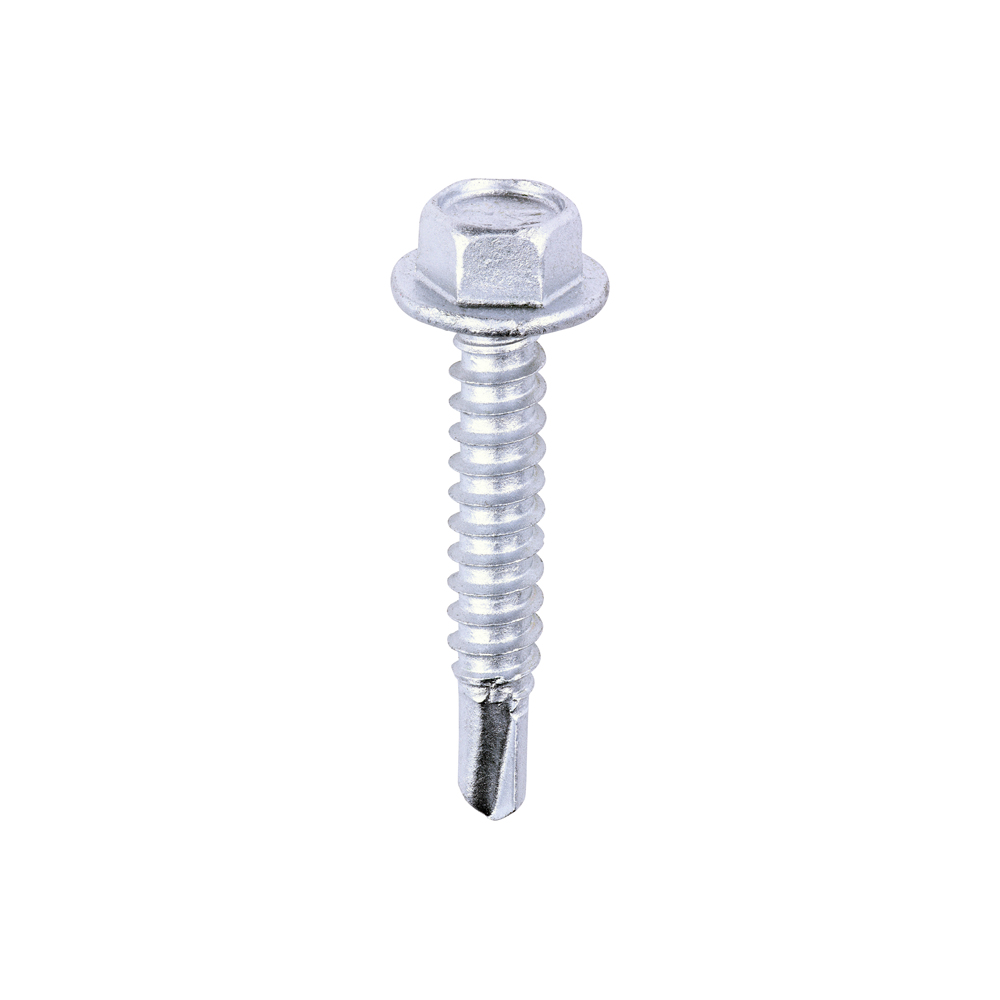 Timco Self Drilling Screws – Light Steel – Exterior – Hex Head – 5.5mm x 32mm - Box of 100
£4.99 ex VAT(£5.99 inc VAT)
Timco Self Drilling Screws – Light Steel – Exterior – Hex Head – 5.5mm x 32mm - Box of 100
£4.99 ex VAT(£5.99 inc VAT)
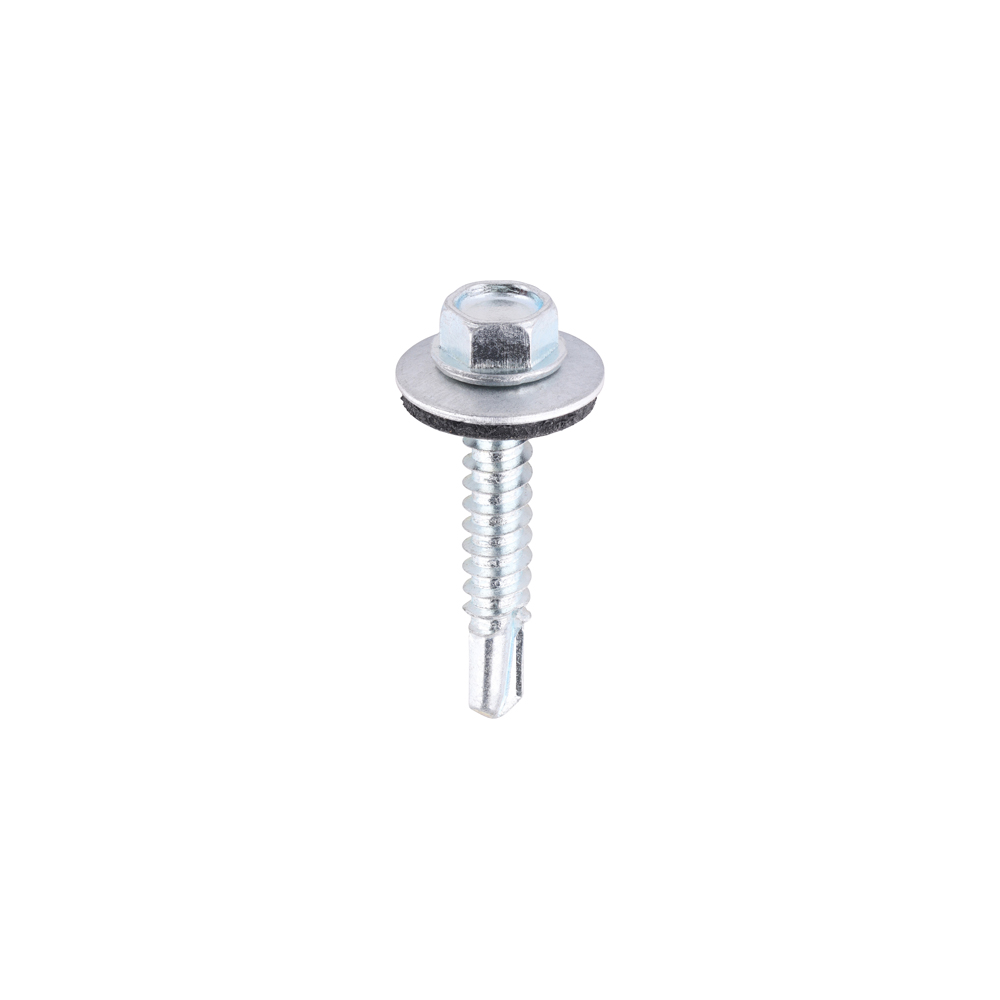 Timco Self Drilling Screws – Light Section Steel – Zinc – Hex Head with EPDM Washer – 5.5mm x 32mm
£3.83 ex VAT(£4.59 inc VAT)
Timco Self Drilling Screws – Light Section Steel – Zinc – Hex Head with EPDM Washer – 5.5mm x 32mm
£3.83 ex VAT(£4.59 inc VAT)
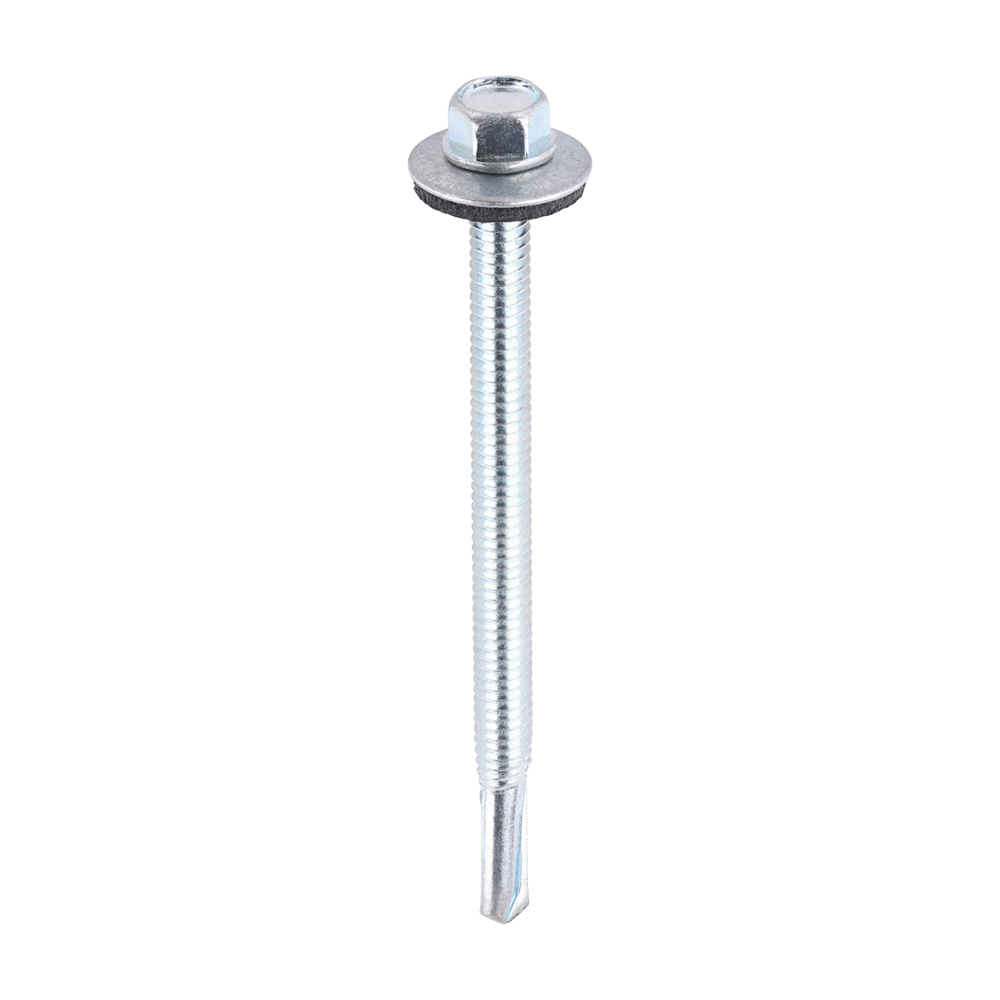 Timco Heavy Section Self-Drilling Screws – Hex Head – EPDM Washer – Zinc – 5.5mm x 80mm - Bag of 100
£9.33 ex VAT(£11.19 inc VAT)
Timco Heavy Section Self-Drilling Screws – Hex Head – EPDM Washer – Zinc – 5.5mm x 80mm - Bag of 100
£9.33 ex VAT(£11.19 inc VAT)
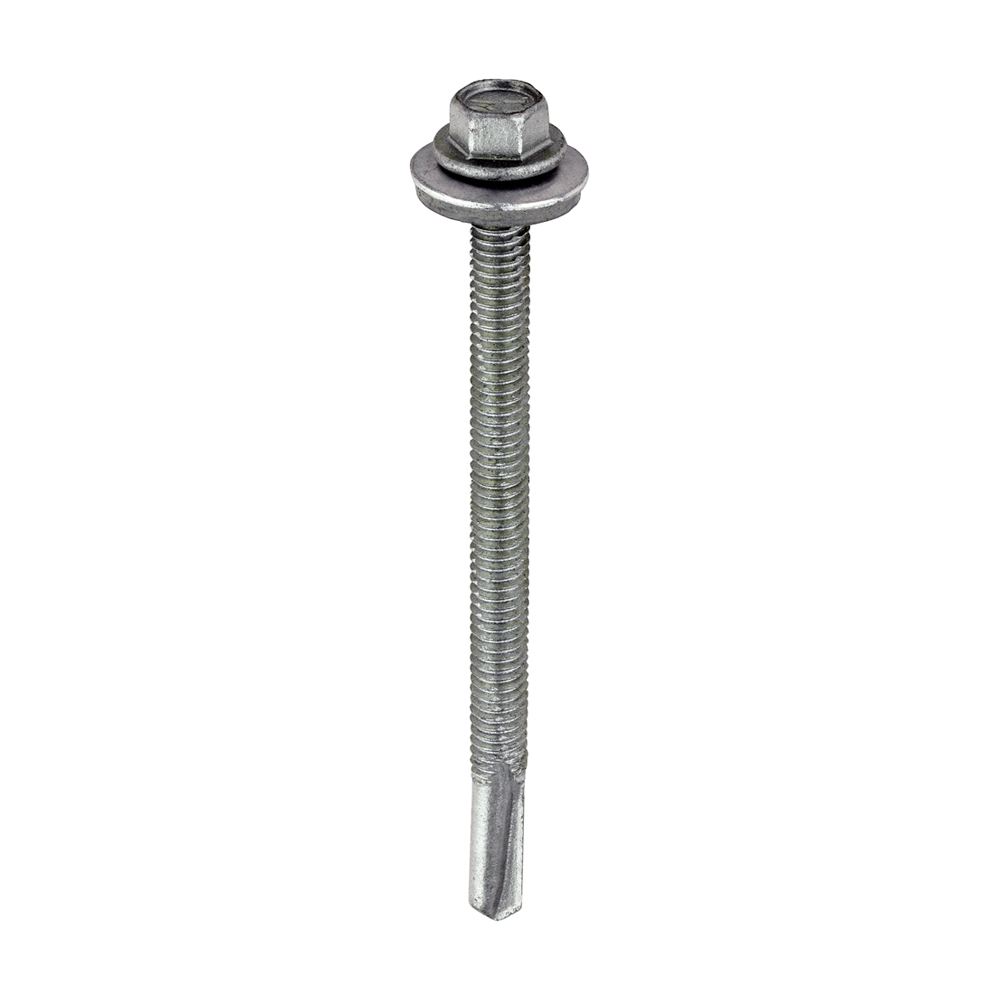 Timco Heavy Section Self-Drilling Screws – Hex – EPDM Washer – Exterior – 5.5mm x 80mm - Box of 100
£16.16 ex VAT(£19.39 inc VAT)
Timco Heavy Section Self-Drilling Screws – Hex – EPDM Washer – Exterior – 5.5mm x 80mm - Box of 100
£16.16 ex VAT(£19.39 inc VAT)
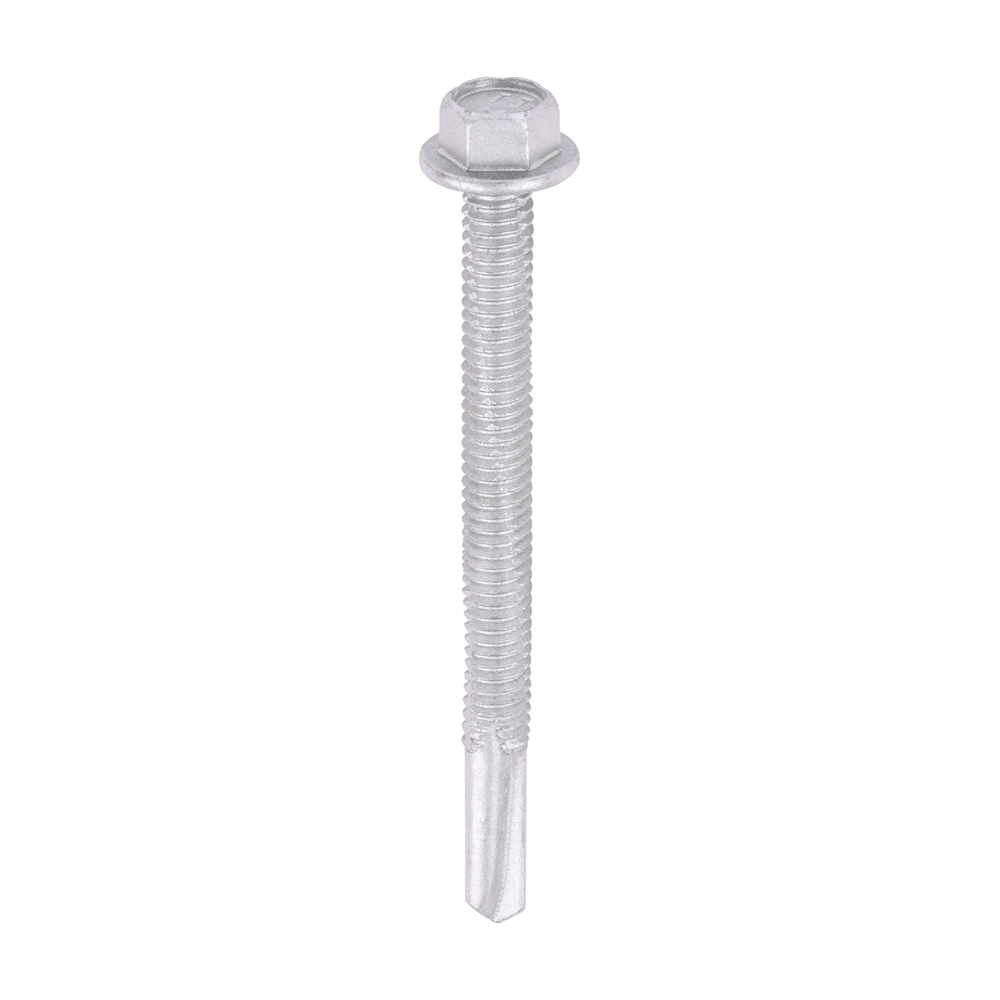 Timco Heavy Section Self-Drilling Screws – Hex – Exterior – 5.5mm x 65mm - Box of 100
£10.41 ex VAT(£12.49 inc VAT)
Timco Heavy Section Self-Drilling Screws – Hex – Exterior – 5.5mm x 65mm - Box of 100
£10.41 ex VAT(£12.49 inc VAT)
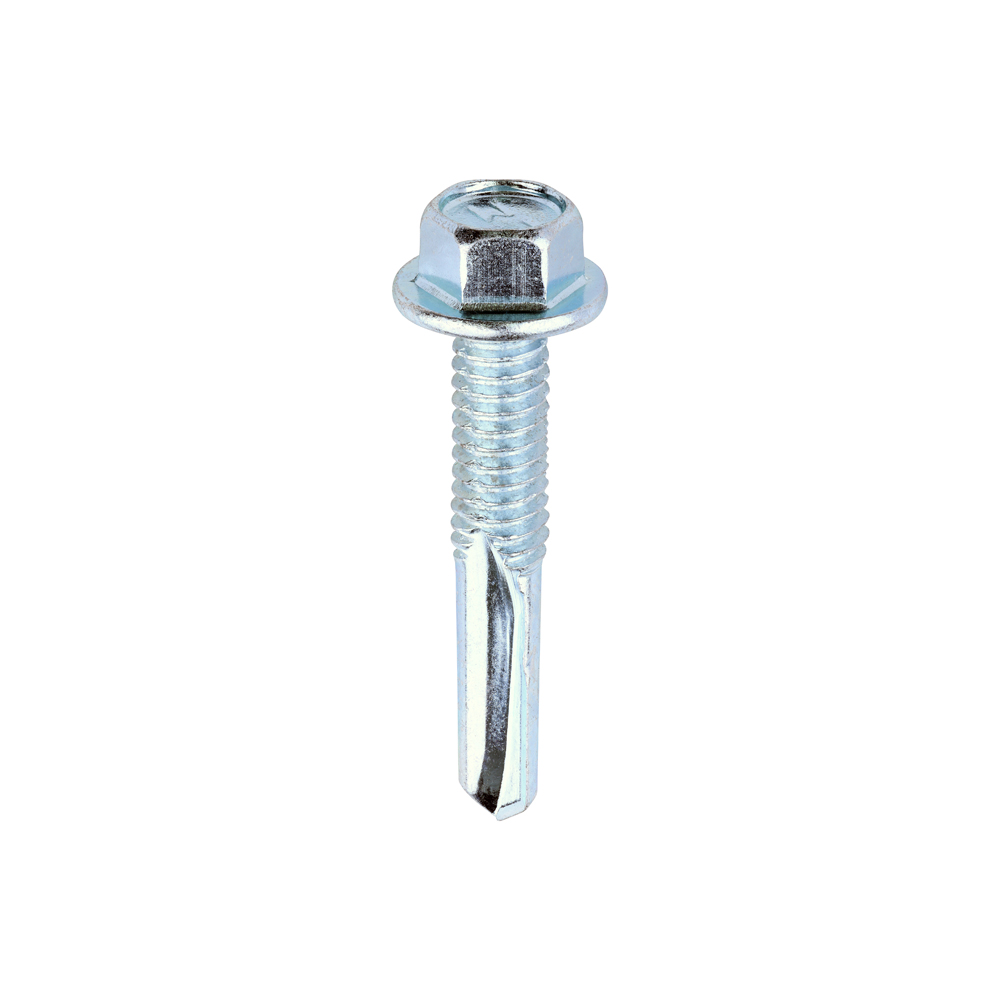 Timco Heavy Section Self-Drilling Screws – Hex Head – Zinc – 5.5mm x 32mm - Box of 100
£5.49 ex VAT(£6.59 inc VAT)
Timco Heavy Section Self-Drilling Screws – Hex Head – Zinc – 5.5mm x 32mm - Box of 100
£5.49 ex VAT(£6.59 inc VAT)
 Timco Self Drilling Screws – Light Steel – Exterior – Hex Head with EPDM Washer – 5.5mm x 38mm - Box of 100
£6.66 ex VAT(£7.99 inc VAT)
Timco Self Drilling Screws – Light Steel – Exterior – Hex Head with EPDM Washer – 5.5mm x 38mm - Box of 100
£6.66 ex VAT(£7.99 inc VAT)
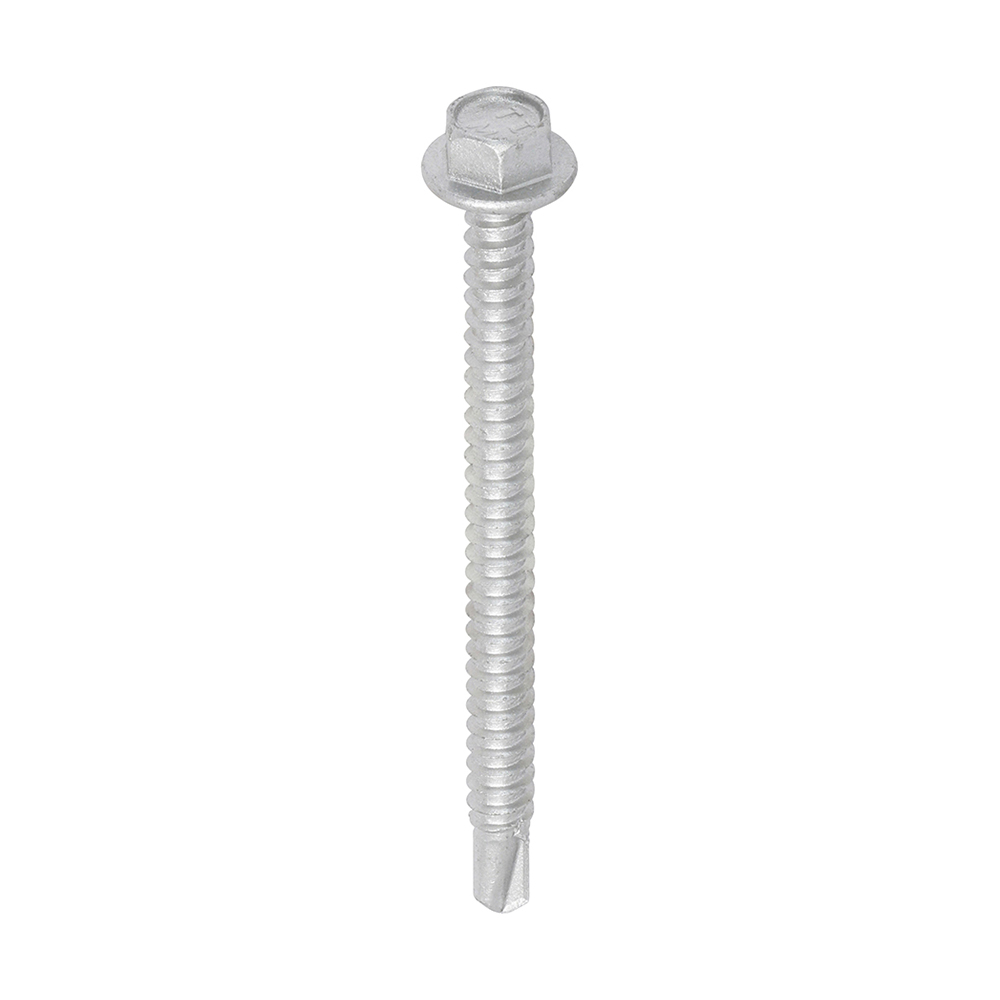 Timco Self Drilling Screws – Light Steel – Exterior – Hex Head – 5.5mm x 70mm - Box of 100
£8.16 ex VAT(£9.79 inc VAT)
Timco Self Drilling Screws – Light Steel – Exterior – Hex Head – 5.5mm x 70mm - Box of 100
£8.16 ex VAT(£9.79 inc VAT)
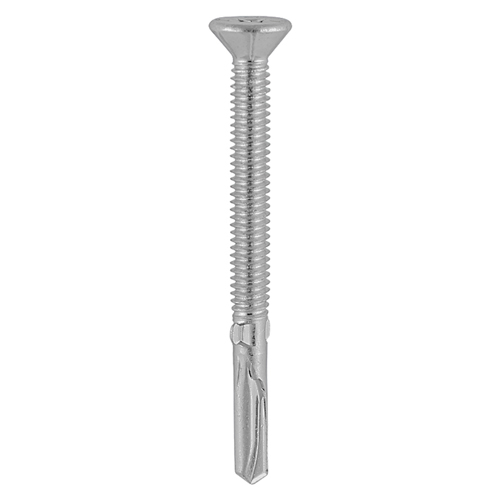 Timco Bi-Metal Wing-Tip Screws for Timber to Heavy Steel – 5.5mm x 120mm – Countersunk – Self-Drilling – Box of 100
£69.99 ex VAT(£83.99 inc VAT)
Timco Bi-Metal Wing-Tip Screws for Timber to Heavy Steel – 5.5mm x 120mm – Countersunk – Self-Drilling – Box of 100
£69.99 ex VAT(£83.99 inc VAT)
No account yet?
Create an AccountSign up to our newsletter and get your first order discount code straight to your inbox.
*Some exclusions apply

We use cookies to ensure our website functions correctly and securely. Some cookies are strictly necessary, while others help us understand how visitors interact with the site so we can improve content, features, and performance. You’re in control – adjust your preferences at any time.
Already have an account? Login
Become a VIP member for free and unlock exclusive discounts.
Bronze1% Discount off EVERY order Silver2.5% Discount off EVERY order Gold4.5% Discount off EVERY order Platinum7% Discount off EVERY order Titanium10% Discount off EVERY orderAlready have an account? Login
Already have an account? Login
Already have an account? Login
Already have an account? Login
Already have an account? Login