

 Screws
 Nails
Nails
 Fasteners & Fixings
 Adhesives & Building Chemicals
 Powertool Accessories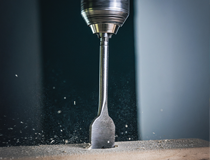
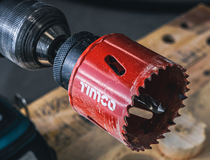
 Fence & Gate Hardware
 Building Supplies
 Security & Ironmongery
 Site and Access


 Hand Tools
 Painting & Decorating
 Workwear, PPE & Safety



Corner Beads
Corner beads and angle beads for plasterboard, plastering, and thin coat work. Choose galvanised, stainless steel, uPVC, skim beads, and mini mesh beads for clean, reinforced corners.
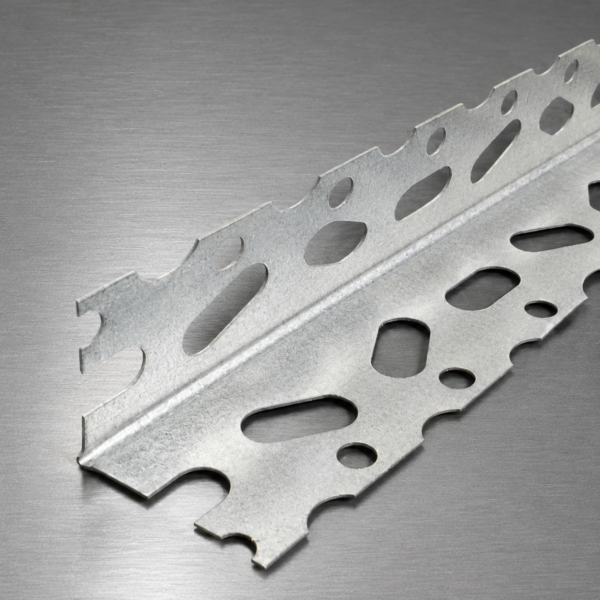
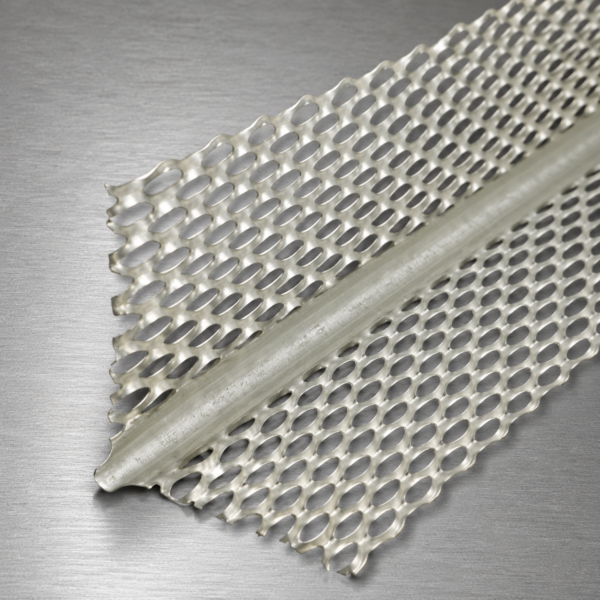
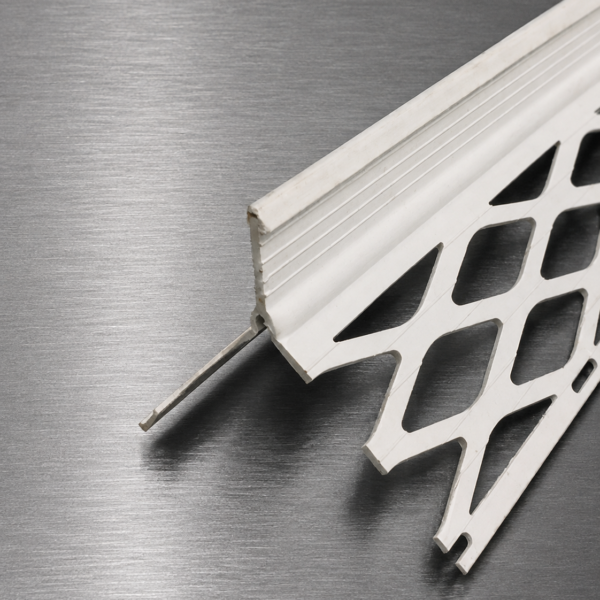
Standard Angle Bead – uPVC – 2.5m x 6-10mm – Box of 25
In stock
£108.33 ex VAT(£129.99 inc VAT)
SKU:
PB6-10
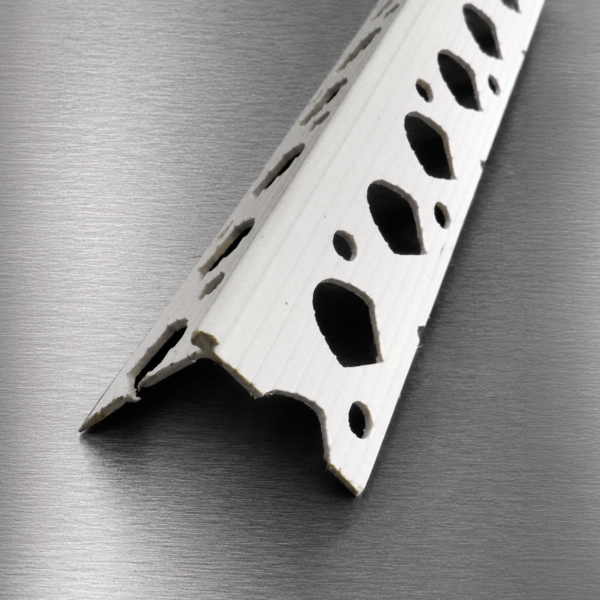
Standard Angle Bead – uPVC – 2.5m x 2-3mm – Box of 25
In stock
£74.83 ex VAT(£89.79 inc VAT)
SKU:
PB2-3
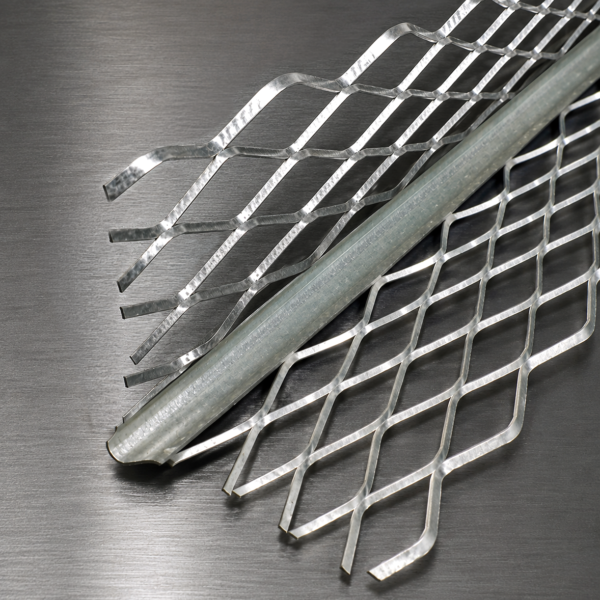
Standard Angle Bead – Stainless Steel – 3m – Box of 50
In stock
£333.32 ex VAT(£399.98 inc VAT)
SKU:
ABS3
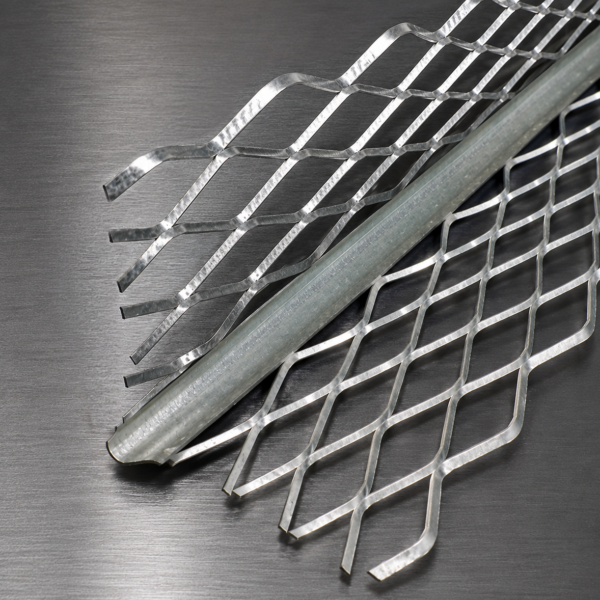
Standard Angle Bead – Galvanised – 3m – Box of 50
In stock
£103.33 ex VAT(£123.99 inc VAT)
SKU:
ABG3
Standard Angle Bead – Galvanised – 2.4m – Box of 50
In stock
£83.33 ex VAT(£99.99 inc VAT)
SKU:
ABG2.4
Corner Beads / Angle Beads
Corner beads, also known as angle beads, help form strong, straight corners on plasterboard, plaster, and render systems. They protect vulnerable edges, improve consistency, and give a cleaner professional finish on internal and external work.
Available Corner Beads at a Glance
| Type | Material | Length | Plaster Depth | Pack Qty | Best For |
|---|---|---|---|---|---|
| Standard Angle Bead | Pre-galvanised steel | 2.4m / 3m | 10mm | Box of 50 | Internal plastering |
| Standard Angle Bead | Stainless steel | 3m | 16–20mm | Box of 50 | External, damp, or high-moisture areas |
| Standard Angle Bead | uPVC | 2.5m | 2–3mm / 6–10mm | Box of 25 | External and damp-prone environments |
| Mini Mesh Bead | Pre-galvanised steel | 2.4m / 3m | 3mm | Box of 50 | Thin-coat plaster corners on internal walls and plasterboard |
| Skim Bead | Pre-galvanised steel | 2.4m / 3m | 2–3mm | Box of 50 | Thin-coat plaster corners and reveals |
What are corner beads used for?
Corner beads are fitted to external corners before plastering or skimming. They act as a guide for plaster depth while helping achieve a straight, consistent finish.
- Forms straight, reinforced corners
- Protects plasterboard and plaster edges
- Improves consistency during installation
- Helps achieve a cleaner finish
What is the difference between corner beads, skim beads, and mini mesh beads?
Not all corner beads are the same — each type is designed for a different plaster depth and finish. Using the right bead makes a noticeable difference to how clean the job looks and how well it holds up over time.
Standard angle beads are the go-to for most plastering work. They provide a strong, straight edge and are typically used where a full coat of plaster or render is being applied.
Skim beads are designed for thinner applications, usually around 2–3mm. They’re ideal when you're skimming over plasterboard and want a neat, low-profile finish.
Mini mesh beads are best suited to thin-coat work on plasterboard and internal walls. The mesh helps the plaster bond better while keeping the corner sharp and consistent.
Which material should you choose?
The right material depends on where the bead is being installed and the conditions on site.
Galvanised angle beads are commonly used for internal work in dry environments. They offer good strength and are a reliable all-round option.
Stainless steel angle beads are better suited to external work, damp environments or areas where greater corrosion resistance is required. They provide reliable long-term performance where standard galvanised steel may not be suitable.
uPVC angle beads are a good choice where a non-metal option is preferred. They won’t rust and are often used in damp or external environments.
Best corner beads for plasterboard and dry lining
For plasterboard and dry lining, thinner beads usually give the best result. Skim beads and mini mesh beads are designed to match the depth of a skim coat, helping you achieve a flatter, more consistent finish without excess build-up.
If you're working on standard plastering or areas that need extra durability, a traditional angle bead is still the better choice.
Corner Beads FAQs
What are corner beads used for in plastering?
Corner beads are used to form straight, durable edges on external corners. They protect plaster from damage and help guide the correct thickness during application.
What corner beads should I use for plasterboard?
For plasterboard and dry lining, skim beads or mini mesh beads are typically used. These are designed for thin-coat plaster finishes and help achieve a cleaner result.
What is the difference between skim beads and angle beads?
Skim beads are designed for thin plaster applications (around 2–3mm), while standard angle beads are used for thicker plaster or render systems where more strength is required.
When should I use stainless steel corner beads?
Stainless steel corner beads should be used in external or damp environments where corrosion could be an issue. They are ideal for areas exposed to moisture or slower drying conditions.
Are plastic corner beads better than metal?
Plastic (uPVC) corner beads are a good choice for damp or external areas as they won’t corrode. Metal beads are typically preferred for internal work where maximum rigidity is needed.
Supplied in trade box quantities
These corner beads are supplied in trade pack quantities for regular site use and larger jobs. Most lines are supplied in boxes of 50, while selected uPVC angle beads are supplied in boxes of 25.
Related Plasterboard Beading Products
If you're completing a full plastering or dry lining job, you may also need specialist beads for plaster terminations, movement control and detailed finishes.
- Plaster Stop Beads – ideal for clean plaster stops and neat finishing edges.
- Movement Beads – for accommodating movement within larger plastered areas and helping reduce the risk of cracking.
- Architrave Feature Beads – ideal for modern shadow gap details around openings and features.
Not sure which bead profile, plaster depth or material is right for your application? Read our Complete Guide to Plasterboard Beading for help comparing the different bead types and choosing the right option for the job.
Need help choosing the right angle bead?
If you're unsure which corner bead is right for your job, get in touch and our team will help you choose the best option for the plaster depth, location and finish required.