

 Screws
 Nails
Nails
 Fasteners & Fixings
 Adhesives & Building Chemicals
 Powertool Accessories
 Fence & Gate Hardware
 Building Supplies
 Security & Ironmongery
 Site and Access


 Hand Tools
 Painting & Decorating

 Workwear, PPE & Safety



Hex Timber Screws – A4 Stainless Steel
A4 stainless steel hex timber screws designed for highly corrosive environments, green oak and coastal timber projects.
Timco A4 Stainless Hex Timber Screw – 6.7mm x 300mm – Tube of 25
In stock
£54.91 ex VAT(£65.89 inc VAT)
SKU:
300INDEXSST
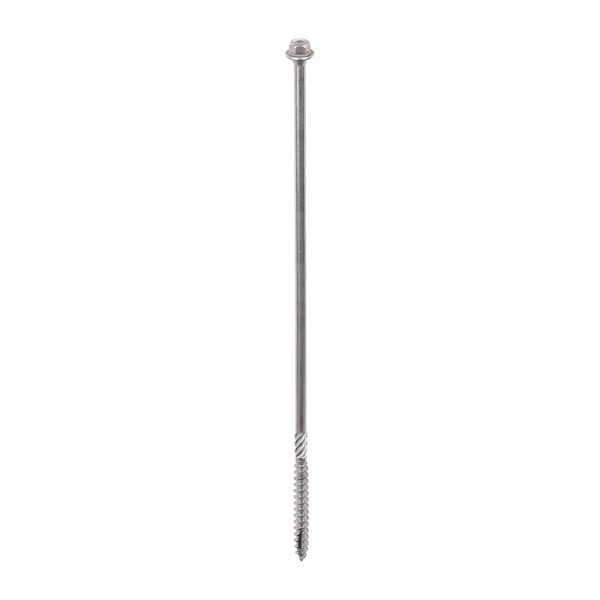
Timco A4 Stainless Hex Timber Screw – 6.7mm x 250mm – Tube of 25
In stock
£45.33 ex VAT(£54.39 inc VAT)
SKU:
250INDEXSST
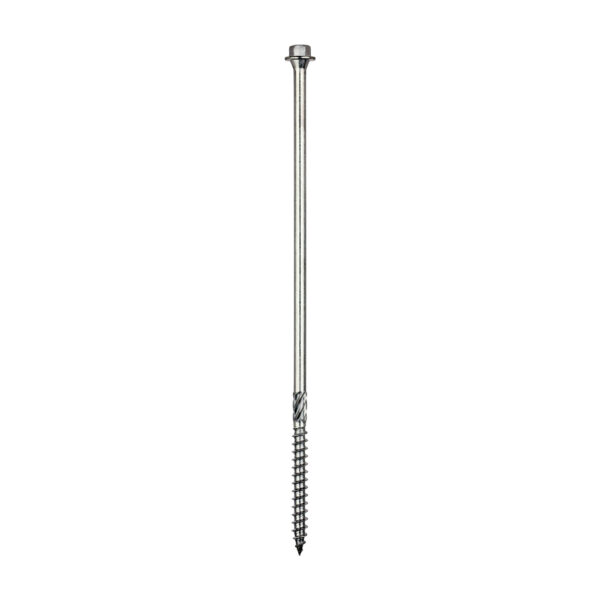
Timco A4 Stainless Hex Timber Screw – 6.7mm x 200mm – Tube of 25
In stock
£34.74 ex VAT(£41.69 inc VAT)
SKU:
200INDEXSST
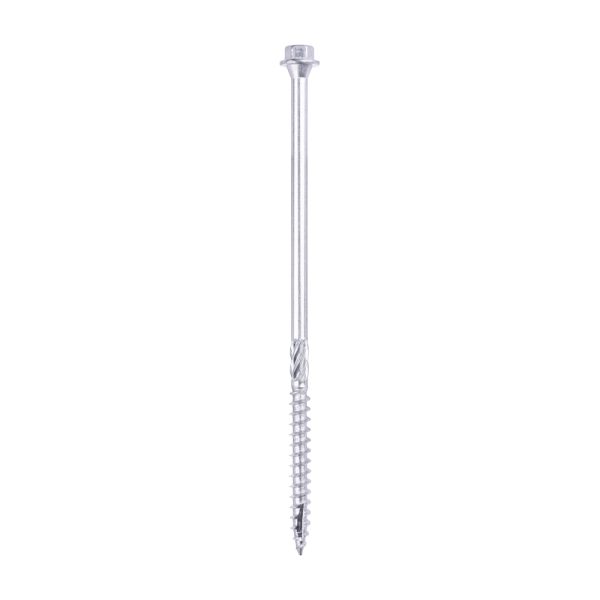
Timco A4 Stainless Hex Timber Screw – 6.7mm x 150mm – Tube of 25
In stock
£21.66 ex VAT(£25.99 inc VAT)
SKU:
150INDEXSST
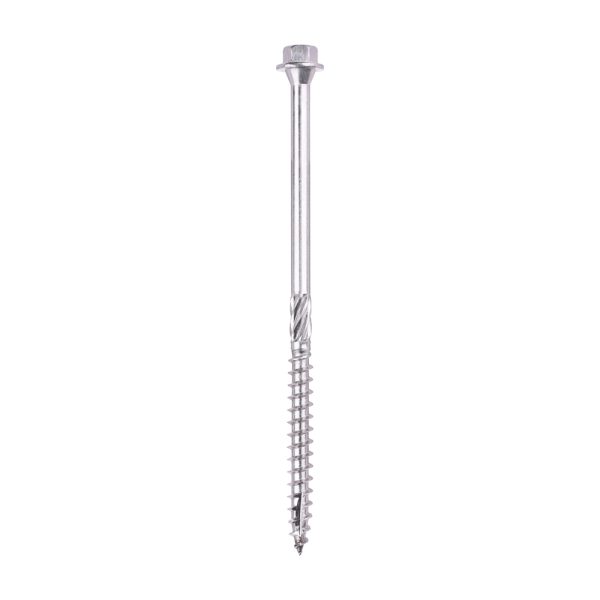
Timco A4 Stainless Hex Timber Screw – 6.7mm x 125mm – Tube of 25
In stock
£20.58 ex VAT(£24.69 inc VAT)
SKU:
125INDEXSST
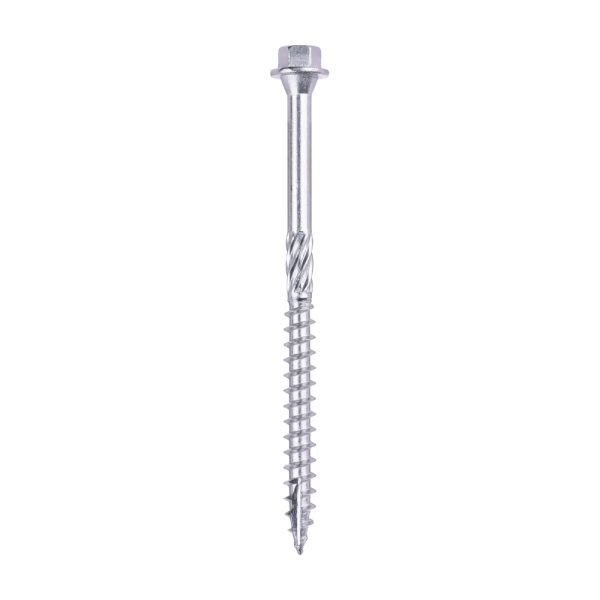
Timco A4 Stainless Hex Timber Screw – 6.7mm x 100mm – Tube of 25
In stock
£17.16 ex VAT(£20.59 inc VAT)
SKU:
100INDEXSST
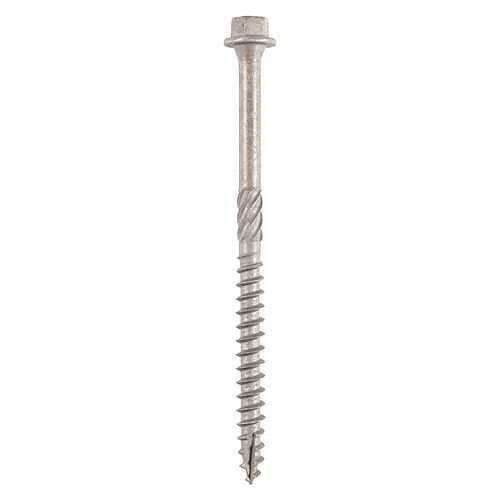
Timco A4 Stainless Hex Timber Screw – 6.7mm x 75mm – Tube of 25
In stock
£12.91 ex VAT(£15.49 inc VAT)
SKU:
75INDEXSST
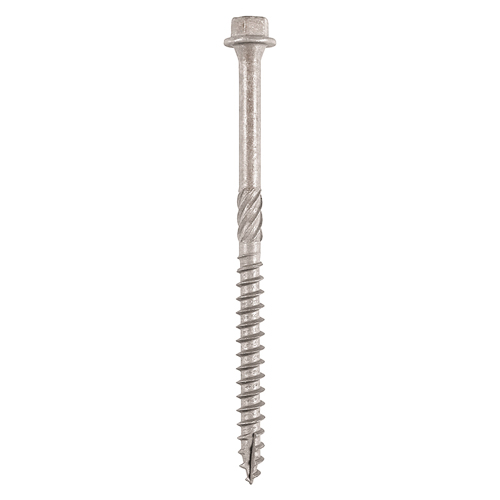
Timco A4 Stainless Hex Timber Screw – 6.7mm x 50mm – Tube of 25
In stock
£11.33 ex VAT(£13.59 inc VAT)
SKU:
50INDEXSST
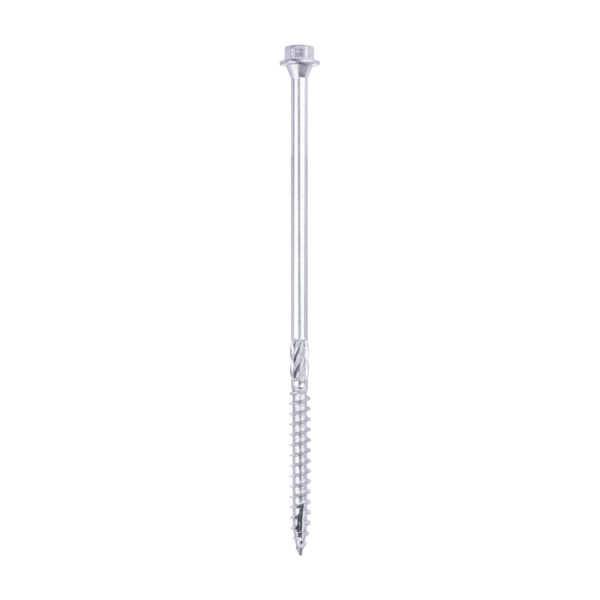
Timco A4 Stainless Hex Timber Screw – 6.7mm x 150mm – Bag of 4
In stock
£5.08 ex VAT(£6.09 inc VAT)
SKU:
150INDEXSSTP
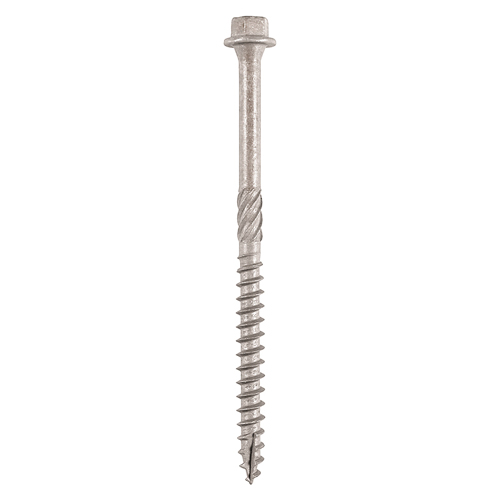
Timco A4 Stainless Hex Timber Screw – 6.7mm x 100mm – Bag of 6
In stock
£5.08 ex VAT(£6.09 inc VAT)
SKU:
100INDEXSSTP
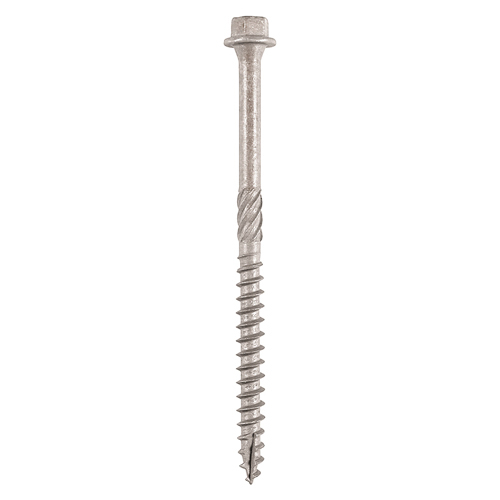
Timco A4 Stainless Hex Timber Screw – 6.7mm x 75mm – Bag of 8
In stock
£5.08 ex VAT(£6.09 inc VAT)
SKU:
75INDEXSSTP
A4 Stainless Steel Hex Timber Screws are designed as a high-performance alternative to traditional coach screws, offering exceptional corrosion resistance for timber-to-timber applications in demanding outdoor environments.
Manufactured from solid A4 grade stainless steel, these screws are suitable for coastal locations, high-moisture areas and tannin-rich timbers such as Green Oak. Where standard coated exterior screws may corrode over time, A4 stainless screws provide long-term durability and structural reliability.
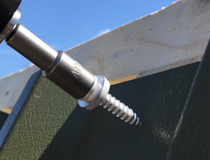
The hex head with integrated fixed washer delivers strong clamping force and controlled high-torque installation. A 50° deep single thread ensures secure pull-out resistance, while the helix shank clears debris during driving to improve clamping efficiency. A sharp 25° point and single slash tip help reduce splitting, even when fixing close to edges.
In most softwoods, a pilot hole is not required. However, for dense hardwoods or structural oak applications, a pilot hole is recommended.
What is A4 Stainless Steel?
A4 stainless steel (also known as marine grade stainless steel) contains molybdenum, which significantly improves corrosion resistance compared to A2 stainless steel. This makes it particularly suitable for:
- Coastal environments
- High humidity conditions
- External structural timber
- Green Oak and hardwood projects
A2 vs A4 Stainless Steel Comparison
| Property | A2 Stainless Steel | A4 Stainless Steel |
|---|---|---|
| Corrosion Resistance | Good (general external use) | Excellent (marine & high-moisture) |
| Suitable for Green Oak | Yes (most applications) | Yes (enhanced durability) |
| Suitable for Coastal Areas | Suitable in mild conditions | Recommended for coastal exposure |
| Molybdenum Content | No | Yes |
Choosing the Right Length
For structural timber fixing, the screw should penetrate deeply into the second timber to ensure long-term holding strength.
As a general guide, aim for 2–3× the thickness of the top timber.
| Top Timber Thickness | Recommended Screw Length | Typical Application |
|---|---|---|
| 20–30mm | 50–75mm | Light battens, brackets, smaller fixings |
| 35–50mm | 100–125mm | Rails, framing, structural landscaping |
| 50–75mm | 150–200mm | Sleepers, posts, heavy timber joints |
| 75mm+ | 200–300mm | Large structural timbers, multi-layer joins |