

 Screws
 Nails
 Fasteners & Fixings
 Adhesives & Building Chemicals
 Powertool Accessories
 Fence & Gate Hardware
 Building Supplies
 Security & Ironmongery
 Site and Access


 Hand Tools
 Painting & Decorating

 Workwear, PPE & Safety



Ladders & Access Equipment
Shop our range of TB Davies ladders and platforms, including step ladders, combination ladders, telescopic ladders and work platforms for trade, professional and maintenance use.
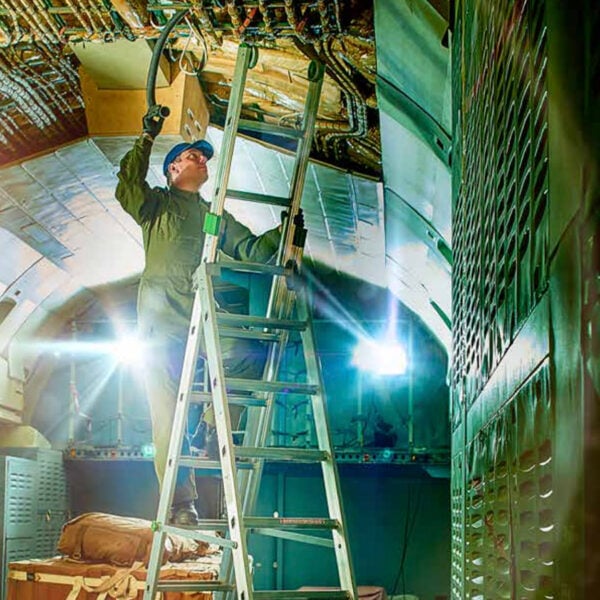

Ladders and Platforms for Trade, Professional and Maintenance Use
Choosing the right access equipment depends on the task, working height, available space and working environment. From everyday maintenance and decorating to industrial access and electrical installations, different ladders and work platforms offer different advantages.
Our TB Davies range includes aluminium and fibreglass step ladders, multi-purpose combination ladders, compact telescopic ladders and work platforms. Whether you need equipment for regular trade use or a specific access requirement, our guide will help you compare the available options.
Shop Ladders and Work Platforms by Type
Explore our four main access equipment categories to find the most suitable products for your requirements.
| Equipment Type | Main Features | Best For |
|---|---|---|
| Step Ladders | Freestanding aluminium and fibreglass models, including platform and swingback designs | Decorating, maintenance, installation and everyday trade tasks |
| Combination Ladders | Multi-position designs offering different approved configurations | Extension access, A-frame use and suitable stairwell tasks |
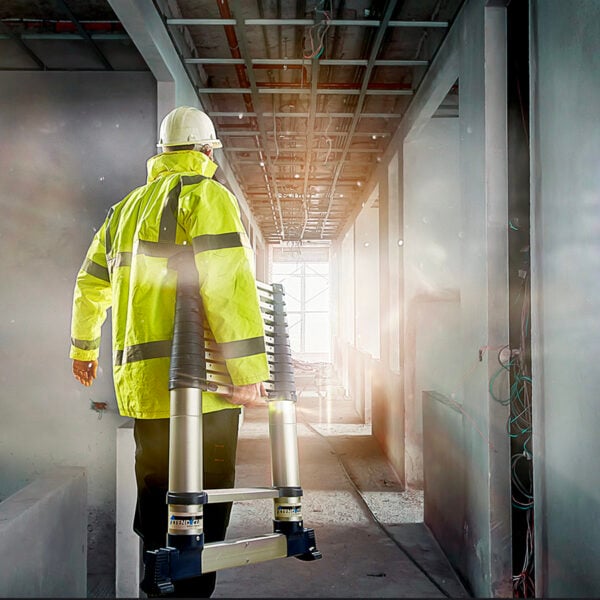
| Telescopic Ladders | Retractable aluminium ladders designed for compact storage and transport | Mobile trades, maintenance and jobs where storage space is limited |
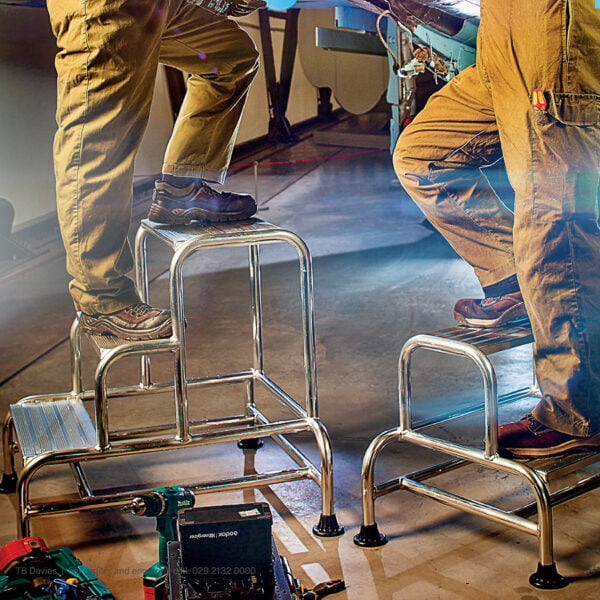
| Work Platforms | Raised standing surfaces, including folding, adjustable and industrial designs | Low-level access, maintenance and tasks requiring a standing platform |
Which Ladder or Work Platform Is Right for Your Job?
Different jobs require different types of access equipment. Whether you need a compact ladder for easy transport, a platform step for decorating or a combination ladder for stairwell access, this guide will help you compare our TB Davies ranges.
| Your Requirement | Recommended Range | Why Choose It? |
|---|---|---|
| Easy transport and compact storage | XTEND+CLIMB ProSeries S2.0 | Telescopic aluminium construction retracts to a compact size for easier transportation and storage. |
| Everyday decorating and maintenance | HORIZON or PREMIER-XL | Aluminium platform steps provide practical access for painting, repairs and installation tasks. |
| Electrical installations | INSUL8-P, INSUL8-S or INSUL8-MWP | Fibreglass construction offers non-conductive components for appropriate electrical working environments. |
| Working on stairs | STILO or PRIMA | Combination ladders with dedicated stairwell configurations for suitable staircase access. |
| Uneven surfaces | PRIMA or Xtend+Climb Adjustable Work Platform | Adjustable stabiliser or independently adjustable legs provide additional positioning flexibility. |
| Frequent industrial use | HDUTY-P, HDUTY-S or STABLE-STEP | Heavy-duty construction designed for demanding professional access tasks. |
| Working with tools at height | PREMIER-XL or HDUTY-P | Platform step designs with integrated tool trays for keeping essential equipment within reach. |
| Low-level access and frequent repositioning | INSUL8-MWP or STABLE-STEP | Compact work platforms and industrial work steps for suitable low-level tasks. |
| Extension and A-frame access | GENIA | Professional combination ladders offering straight extension and extended A-frame configurations. |
These are general recommendations. Always select equipment suitable for the task, working height and supporting surface, and follow the manufacturer's instructions. Fibreglass construction does not make live electrical work safe; appropriate isolation and electrical safety procedures remain essential.
Choosing the Right Ladder or Access Equipment
Before choosing a ladder or work platform, consider the following:
- Working height – check the platform height, last climbing height or extended length as appropriate
- Type of task – consider whether you need freestanding access, an extension ladder or a wider standing platform
- Working environment – assess the supporting surface, available space and any electrical hazards
- Frequency of use – choose equipment with construction and specifications appropriate for regular trade or industrial work
- Transport and storage – compare closed dimensions and weight if the equipment needs to be moved frequently
- Load capacity – check the manufacturer's maximum load rating, including the user and any tools or materials being carried
Aluminium vs Fibreglass Ladders
Both aluminium and fibreglass ladders are widely used for professional access, but their construction makes them suitable for different working environments.
Aluminium ladders combine strength with relatively lightweight construction, making them practical for decorating, building maintenance, installation and general trade work. Our aluminium ranges include platform steps, swingback steps, combination ladders and telescopic ladders.
Fibreglass ladders feature non-conductive fibreglass components, making appropriately specified models a useful choice where electrical hazards must be considered. Our TB Davies INSUL8 ranges include professional platform steps, swingback steps and compact work platforms.
Always check the manufacturer's electrical ratings and safety guidance. Work on or near electrical equipment requires appropriate risk assessment, isolation and safe working procedures.
Understanding Ladder Heights and Sizes
Ladder measurements can be confusing, particularly when comparing step ladders, combination ladders and telescopic models. Understanding the different measurements can help you select equipment with sufficient reach.
Tread or rung count – indicates the number of steps or rungs on a ladder. A higher tread count generally provides additional reach within the same product range.
Platform height – the height of the standing platform above the supporting surface on a platform step or work platform.
Last climbing height – the height of the highest permitted climbing position specified for the ladder.
Extended length – the overall length of an extension or telescopic ladder when fully extended. This is not the same as the height a user can safely reach.
Approximate working height – an estimated reach calculated using the manufacturer's stated method. Actual reach depends on the user, ladder configuration and permitted climbing position.
Always use the individual product's specifications and manufacturer's instructions when selecting a ladder for a particular working height.
Professional Ladder Safety and Standards
Choosing suitable access equipment is an important part of working safely at height. Before use, check that the ladder or platform is appropriate for the task, in good condition and positioned on a suitable supporting surface.
Many of our TB Davies ladders are manufactured to applicable EN131 requirements, with individual models specifying their relevant classification and maximum load rating. Certain work platforms and industrial steps may be covered by different standards.
Always inspect equipment before use, follow the manufacturer's instructions and ensure all stabilisers, locking mechanisms and restraints are correctly positioned. Consider whether a ladder is suitable for the duration and nature of the task or whether alternative access equipment is required.
Ladders and Access Equipment FAQs
What type of ladder is best for general maintenance?
For routine maintenance and decorating, an aluminium platform step ladder is often a practical option. If you need different configurations, a combination ladder may be more suitable, while telescopic ladders are useful where compact storage and transport are important. Always select equipment based on the task and working environment.
What is the difference between a step ladder and a work platform?
A step ladder provides access using a series of treads or rungs, with platform models offering a standing surface at the top. A work platform generally provides a wider raised standing area for suitable low-level tasks. The right choice depends on the required height, available space and type of work.
Which ladders are suitable for working around electricity?
Ladders with appropriately rated non-conductive fibreglass components are commonly selected for environments where electrical hazards are a consideration. The TB Davies INSUL8 range includes fibreglass platform steps, swingback steps and work platforms. Always follow electrical safety procedures and the manufacturer's guidance.
How do I choose the correct ladder height?
Check the manufacturer's stated platform height, permitted climbing height or extended length, depending on the type of ladder. Compare these measurements with the required working height, and never stand above the permitted climbing position. Remember that approximate working heights are estimates rather than guaranteed reach measurements.
Explore Our TB Davies Ladders and Work Platforms
Browse our specialist categories to find the right access equipment for your requirements.
- Step Ladders – aluminium and fibreglass platform and swingback steps for trade, maintenance and industrial use.
- Combination Ladders – multi-purpose aluminium ladders with extension, A-frame and selected stairwell configurations.
- Telescopic Ladders – compact retractable aluminium ladders for professional access, transportation and storage.
- Work Platforms – folding, adjustable, aluminium and fibreglass platforms for low-level access and maintenance tasks.
Need Help Choosing Ladders or Access Equipment?
Not sure which ladder or work platform is right for your job? Contact our team at Fast Fixings Online and we'll help you compare the available options based on your working height, environment and access requirements.