
 Screws
 Nails
Nails
 Fasteners & Fixings
 Adhesives & Building Chemicals
 Powertool Accessories
 Fence & Gate Hardware
 Building Supplies
 Security & Ironmongery
 Site and Access
 Hand Tools
 Painting & Decorating
 Workwear, PPE & Safety



Timco Solo Screws Explained: Finishes, Heads, Sizes and When to Use Them

On March 13, 2026
Comments Off on Timco Solo Screws Explained: Finishes, Heads, Sizes and When to Use Them
Timco Solo Screws: Finishes, Heads, Sizes and When to Use Them
Timco Solo screws are one of the most widely used multipurpose wood screws in the trade. Designed as an economical fixing that still delivers reliable performance, they are commonly used for timber, chipboard, MDF and sheet materials.
Because of their balance between price and performance, Solo screws are popular with builders, joiners and contractors who need a dependable screw for everyday fixing.
In this guide we explain:
Quick summary
If you just want the short version:
- Timco Solo screws are general-purpose wood screws for timber and board materials.
- Yellow and zinc finishes are designed for internal use.
- Countersunk screws sit flush, while pan heads clamp fittings.
- Longer screws such as 220mm and 240mm are useful for heavy timber.
- Bulk screw packs offer the best value for frequent use.
What are Timco Solo screws used for?
Timco Solo screws are multipurpose wood screws designed for general timber and board fixing.
They are commonly used in:
- timber framing
- joinery
- chipboard and MDF
- plywood fixing
- general construction work
Although they are often called chipboard screws, they perform equally well in most timber-based materials.
Solo screws are designed to drive easily while providing strong thread engagement, which helps produce a reliable fixing without excessive cost.
Key benefits of Timco Solo screws
- Cost-effective screw for everyday site use
- Strong thread design for reliable holding power
- Pozi drive recess for controlled driving
- Wide range of lengths and diameters
- Available in different finishes and head styles
This makes the Solo range a practical choice for both trade professionals and regular DIY users.
Solo Wood Screws
-
 TIMCO Solo Wood Screws - 5.0mm x 120mm - Box of 100
£4.41 ex VAT(£5.29 inc VAT)
TIMCO Solo Wood Screws - 5.0mm x 120mm - Box of 100
£4.41 ex VAT(£5.29 inc VAT)
-
TIMCO Solo Wood Screws - 5.0mm x 60mm - Industry Pack of 1,000
£16.41 ex VAT(£19.69 inc VAT)
-
TIMCO Solo Wood Screws - 4.0mm x 17mm - Box of 200
£0.74 ex VAT(£0.89 inc VAT)
-
TIMCO Solo Wood Screws - 3.5mm x 20mm - Box of 200
£0.66 ex VAT(£0.79 inc VAT)
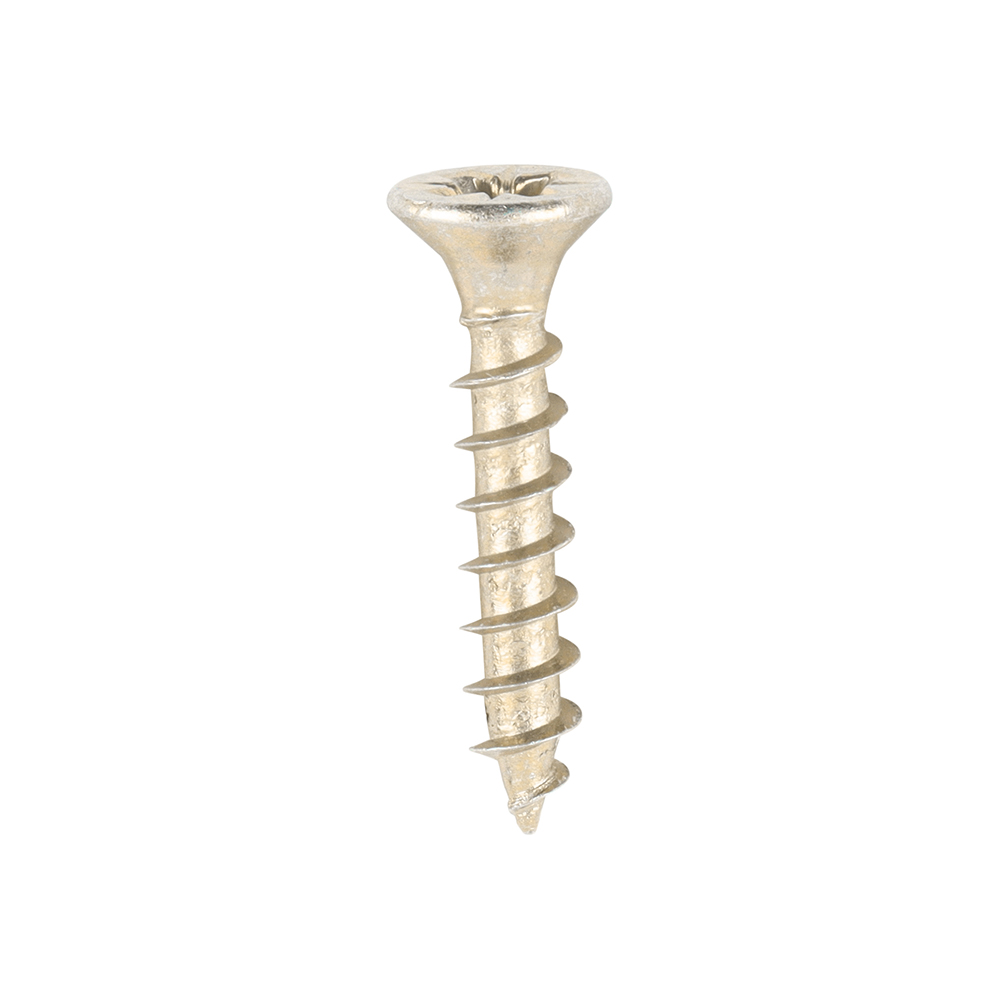

Yellow vs zinc screws
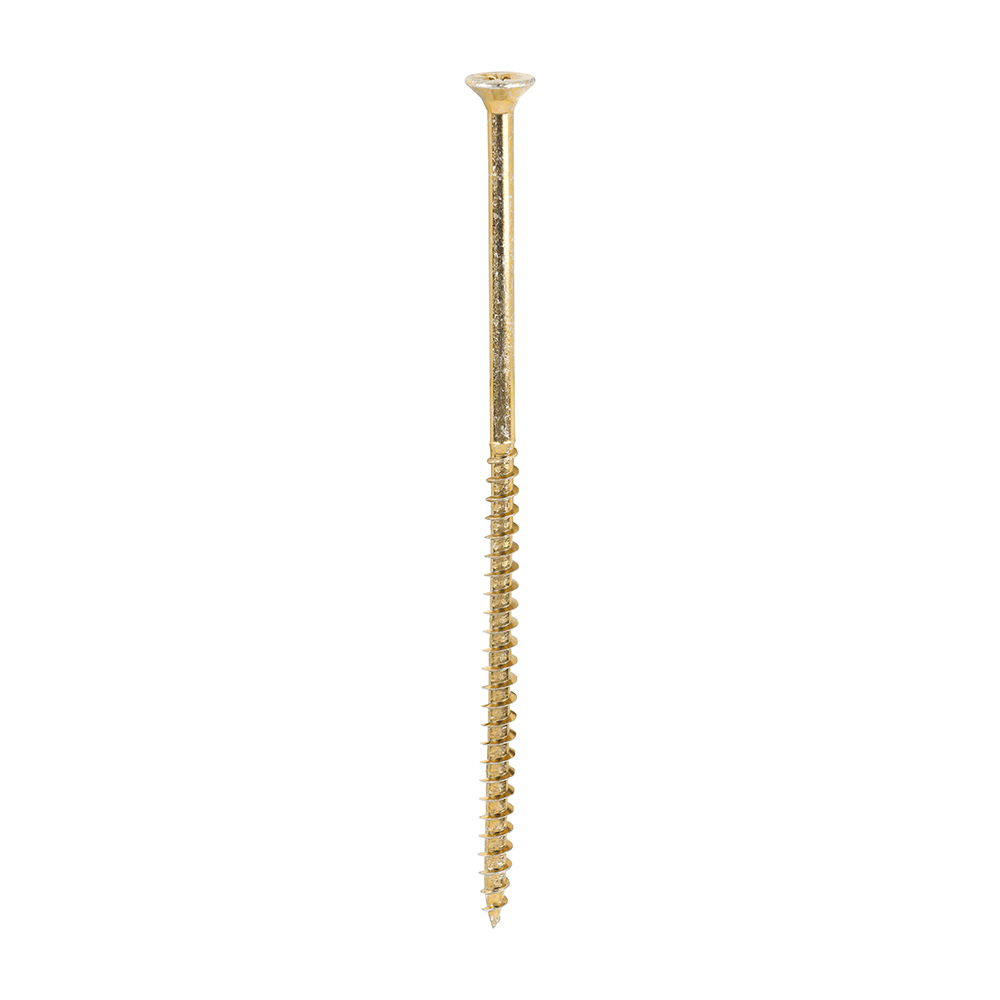
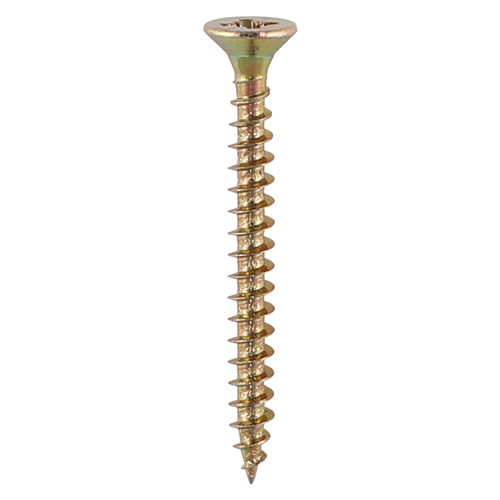
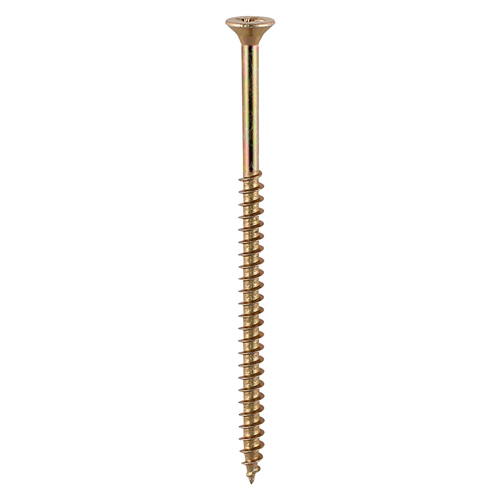
Timco Solo screws are available in two main finishes: yellow passivated and zinc plated.
Both finishes are suitable for internal applications. The difference mainly comes down to appearance and typical use.
| Feature | Yellow Screws | Zinc Screws |
|---|---|---|
| Appearance | Gold/yellow tone | Silver/bright finish |
| Typical use | Joinery, furniture and carpentry work | General construction and fixing |
| Visual finish | Blends better with timber | Neutral industrial appearance |
| Environment | Internal use | Internal use |
Joiners often choose yellow screws because the finish looks better against timber. Zinc screws are typically used where appearance is less important.
Countersunk vs pan head screws
The Solo range includes countersunk screws and pan head screws. Choosing the correct head type depends on how the screw needs to sit once installed.
| Feature | Countersunk Screws | Pan Head Screws |
|---|---|---|
| Head shape | Tapered head | Rounded head |
| Finish | Sits flush with the material | Sits above the surface |
| Best for | Timber fixing and joinery | Fixing brackets or hardware |
| Common use | General timber work | Clamping metal fittings |
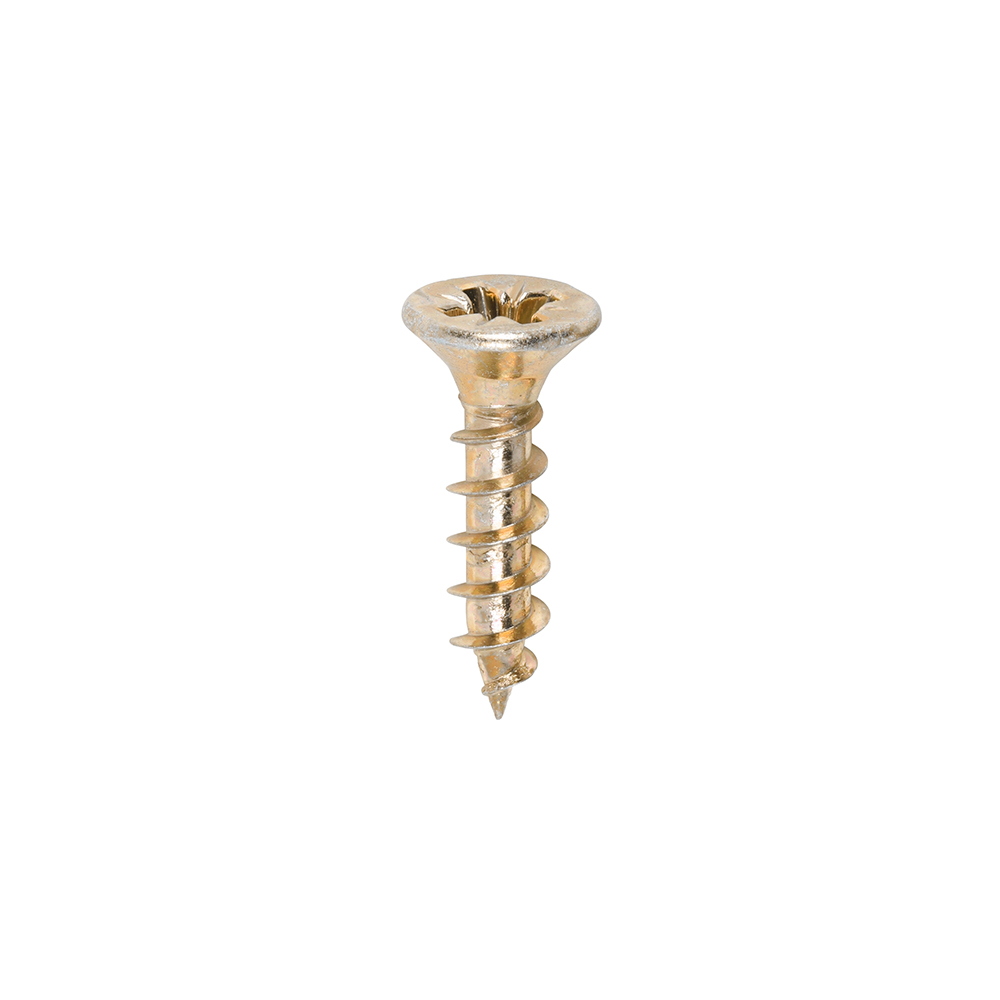
Countersunk screws are the most common wood screw because they sit flush with the surface when fully driven. Pan head screws are useful when fixing brackets, hinges or metal plates where the head needs to clamp the fitting.

How do I choose the correct wood screw size?
Choosing the correct screw length is important for a strong fixing.
A simple rule used in the trade is that around half to two-thirds of the screw length should penetrate the base material.
For example, when fixing a 20mm board onto timber, a screw around 40–50mm long would normally provide good hold.
Screw size guide for common timber jobs
Instead of carrying every screw size available, most tradespeople keep a small selection that covers common tasks.
| Screw length | Typical use | Notes |
|---|---|---|
| 30–40mm | Thin timber, battens, MDF and sheet materials | Light joinery and small fixing work |
| 50–60mm | General timber fixing and carcassing | Common everyday size |
| 70–80mm | Heavier timber joints | Useful for thicker materials |
| 90–120mm | Structural timber fixing | Often used in framing |
| 130–180mm | Large timber connections | Good for landscaping work |
| 200mm+ | Heavy timber sections | Suitable for large structural timbers |
Solo Wood Screw Yellow
-
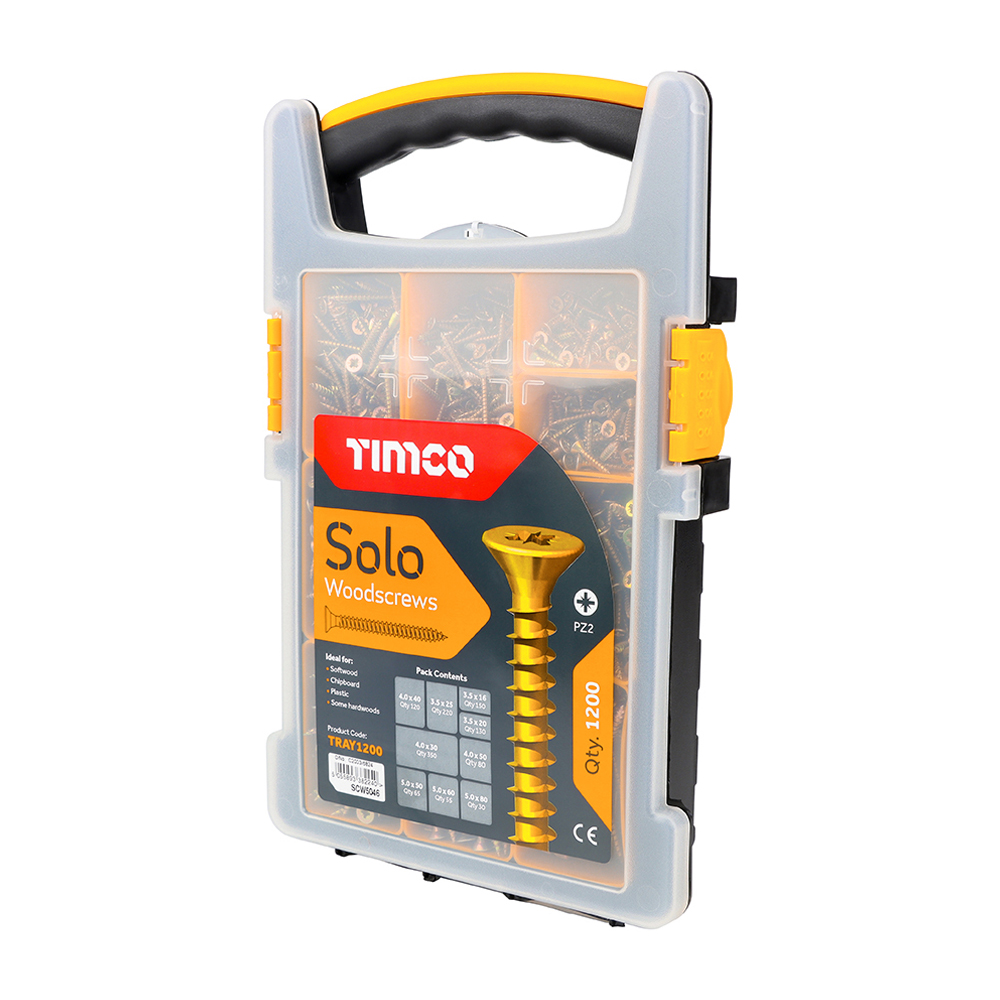
TIMCO Solo Woodscrew Mixed Tray - 1200 Pieces
£12.99 ex VAT(£15.59 inc VAT)
-
 TIMCO Solo Wood Screws - 6.0mm x 120mm - TIMpac of 2
£0.83 ex VAT(£0.99 inc VAT)
TIMCO Solo Wood Screws - 6.0mm x 120mm - TIMpac of 2
£0.83 ex VAT(£0.99 inc VAT)
-
TIMCO Solo Wood Screws - 5.0mm x 60mm - Bag of 160
£5.58 ex VAT(£6.69 inc VAT)
-
TIMCO Solo Wood Screws - 6.0mm x 180mm - Box of 100
£12.08 ex VAT(£14.49 inc VAT)
-
TIMCO Solo Wood Screws - 4.0mm x 40mm - Tub of 1,000
£9.41 ex VAT(£11.29 inc VAT)
-
TIMCO Solo Wood Screws - 5.0mm x 100mm - TIMpac of 4
£0.83 ex VAT(£0.99 inc VAT)
-
TIMCO Solo Wood Screws - 5.0mm x 70mm - Industry Pack of 1,000
£18.49 ex VAT(£22.19 inc VAT)
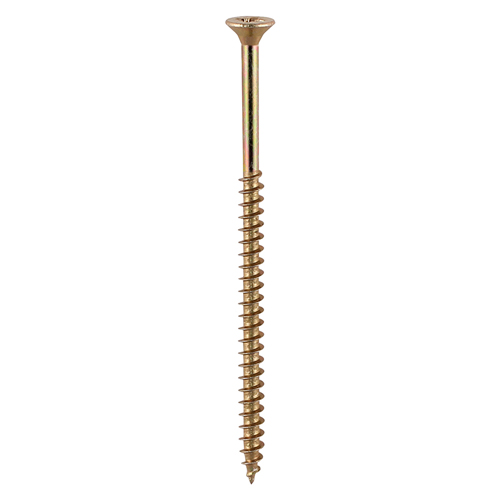
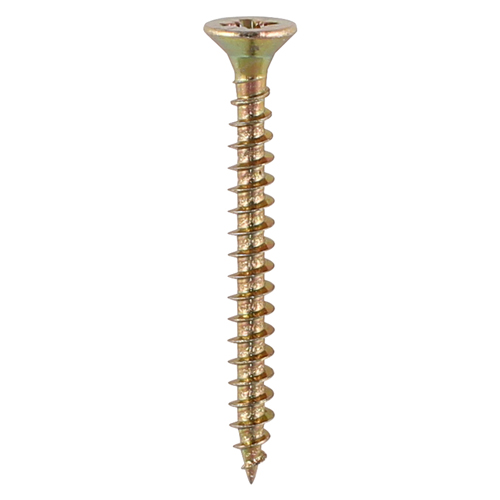
Metric to imperial wood screw sizes
Some tradespeople still refer to screw lengths in inches. The table below provides a rough comparison.
| Metric size | Approx imperial |
|---|---|
| 30mm | 1¼” |
| 40mm | 1½” |
| 50mm | 2″ |
| 60mm | 2½” |
| 70mm | 2¾” |
| 80mm | 3″ |
| 100mm | 4″ |
| 120mm | 5″ |
| 150mm | 6″ |
| 200mm | 8″ |
| 220mm | 8¾” |
| 240mm | 9½” |
New longer Solo screw sizes
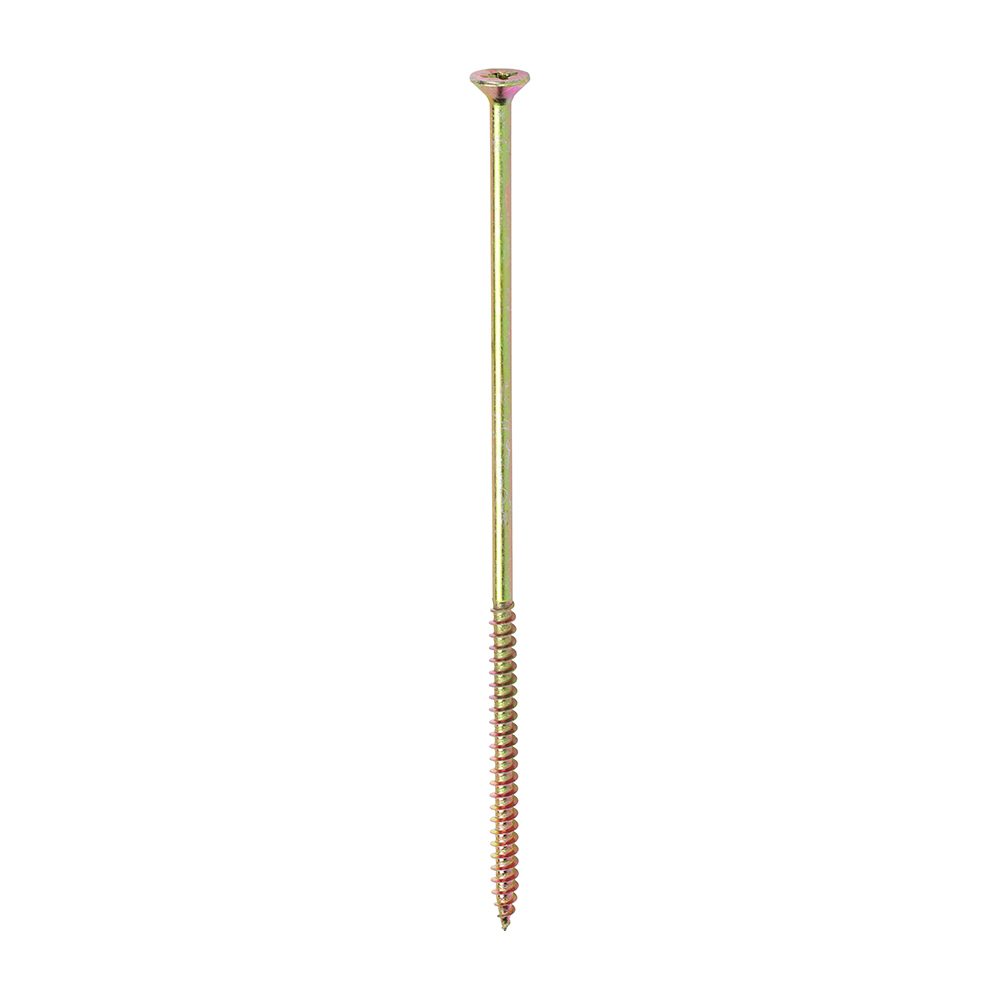
The Solo range now includes longer screw sizes that are particularly useful for heavier timber construction.
Two of the longer sizes that have been popular with customers are:
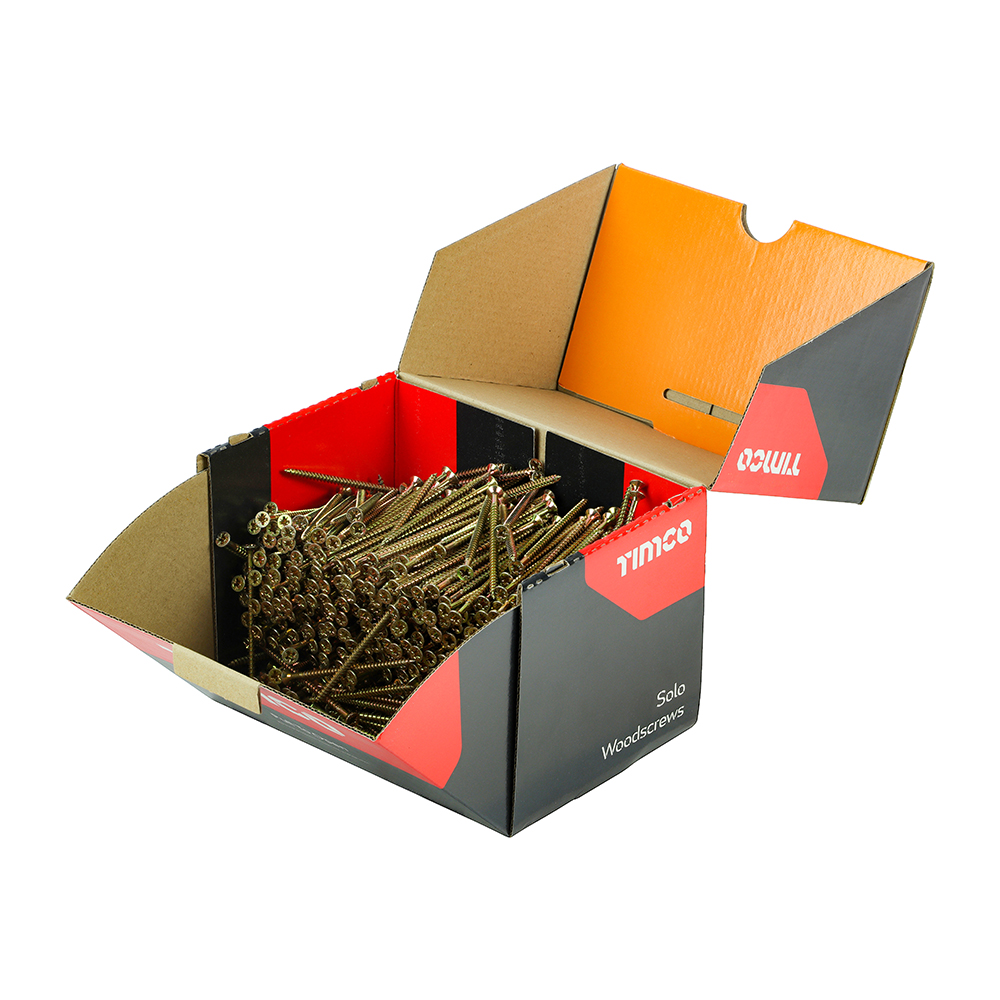
Timco Solo Wood Screws – 6.0mm x 220mm – Box of 100
Timco Solo Wood Screws – 6.0mm x 240mm – Box of 100
These longer screws allow deeper penetration into large timber sections while maintaining the same reliable thread design found across the Solo range.
Where to buy wood screws in bulk
If you regularly use wood screws on site or in a workshop, buying wood screws in bulk can reduce cost per screw and ensure you always have the most common sizes available.
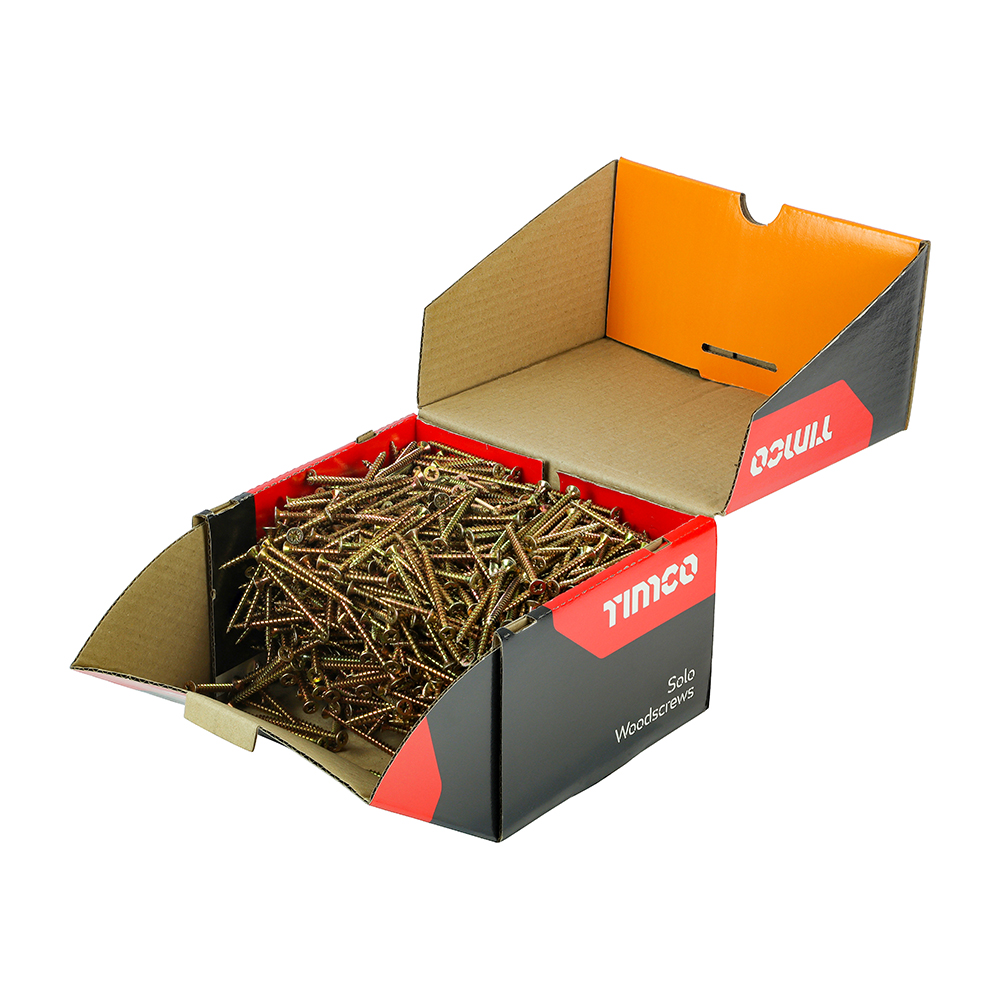
Timco Solo screws are available in large quantity packs designed for trade use.
These packs include the most frequently used screw sizes, making them ideal for contractors and joinery workshops.
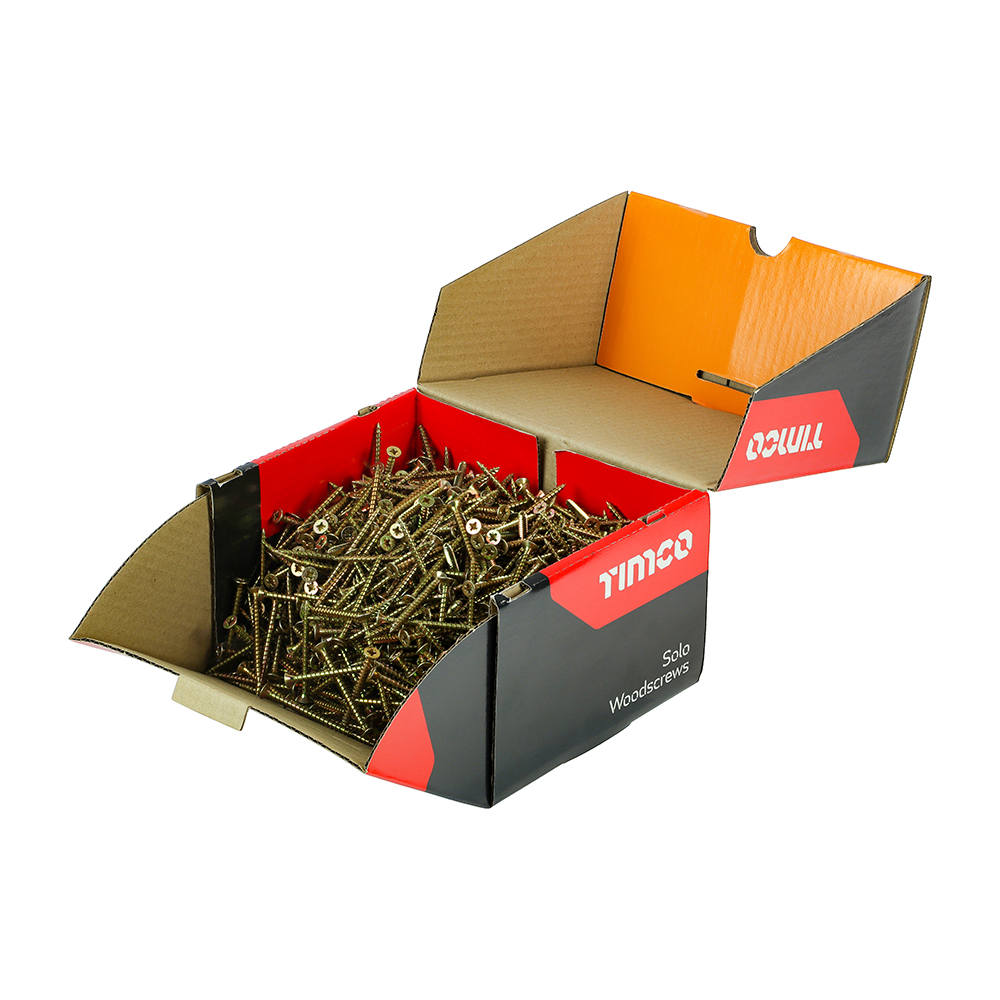
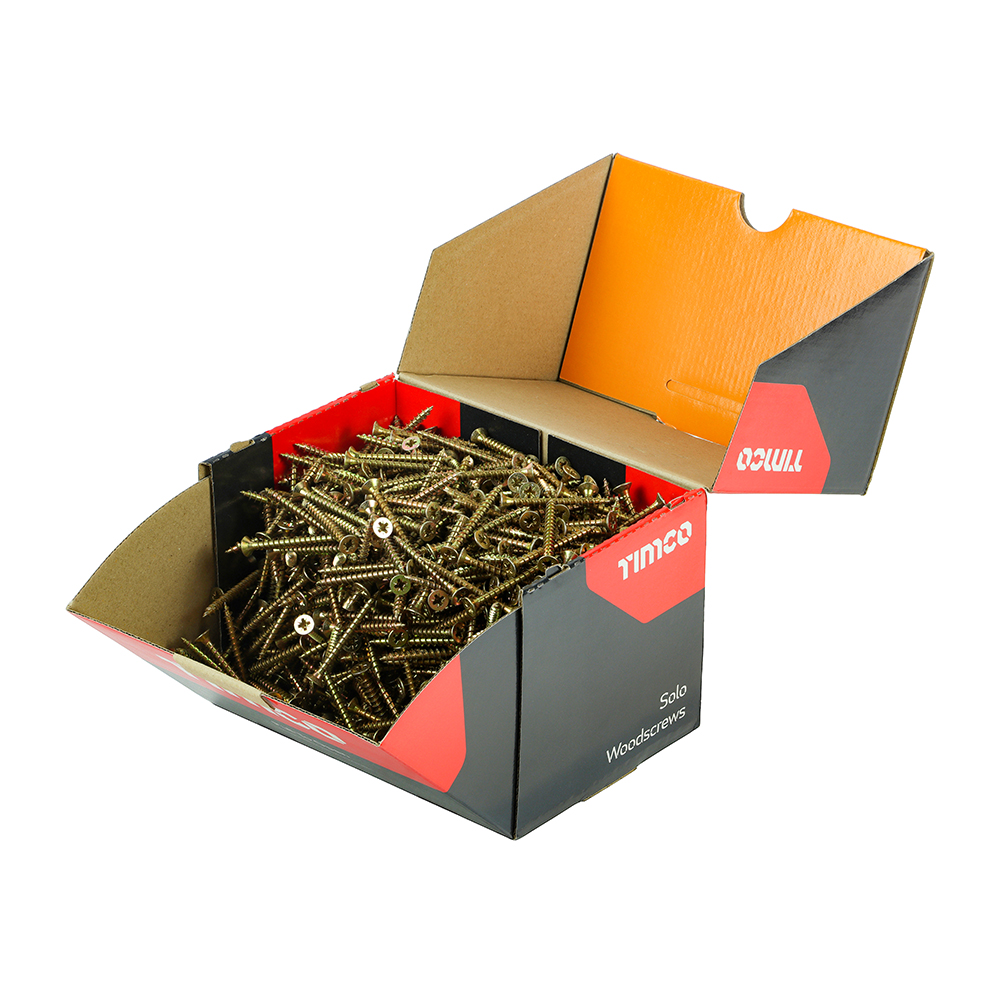
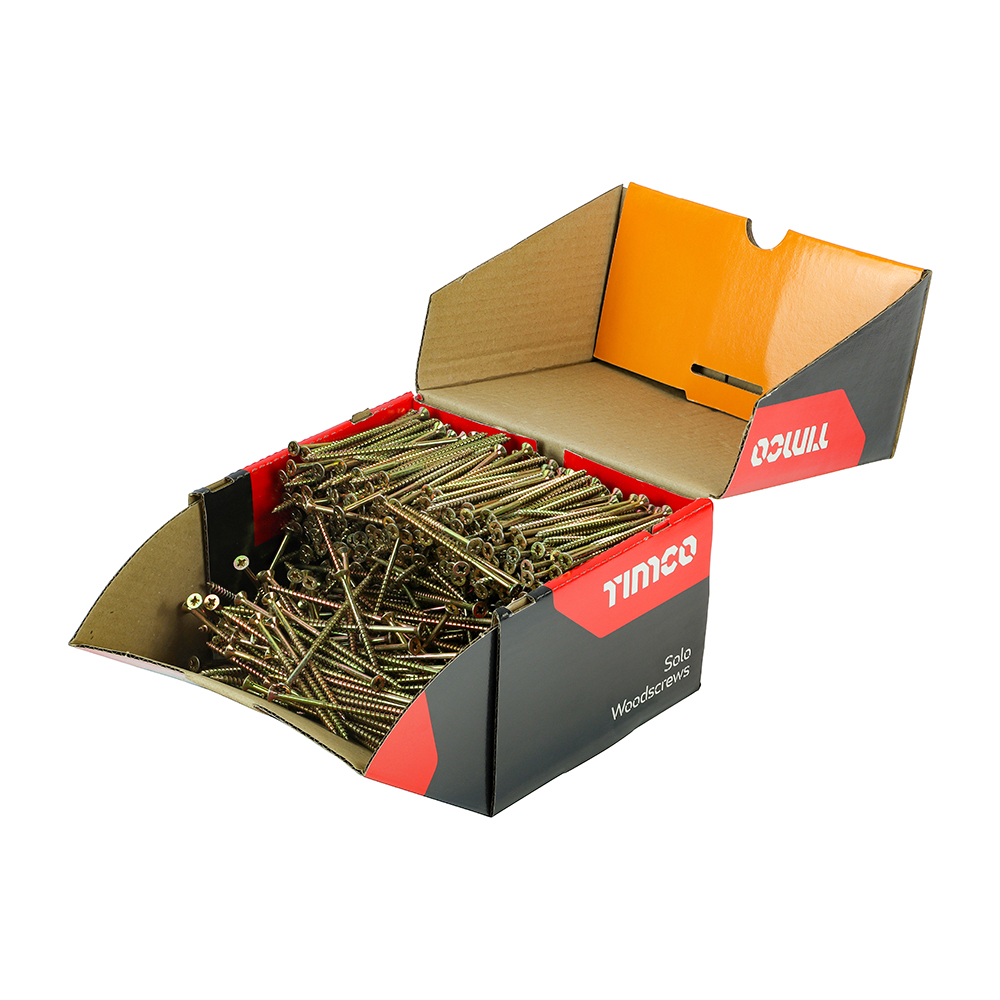
One popular option is the Timco Solo Wood Screw Bulk Pack (5000 screws) which contains five commonly used screw sizes in one box. Buying wood screws in bulk helps reduce downtime on site and avoids the need to constantly reorder smaller boxes.
Mixed packs are also available for those who want a selection of the most commonly used screw sizes.
How to use wood screws correctly
Even a good screw will perform poorly if installed incorrectly. For best results:
- use the correct Pozi driver bit
- drill pilot holes when working with hardwood
- avoid over-tightening screws in soft timber
- stop driving when the head sits flush with the surface
Following these simple steps helps achieve a stronger fixing and reduces the risk of splitting timber.
Solo Wood Screw Zinc
-
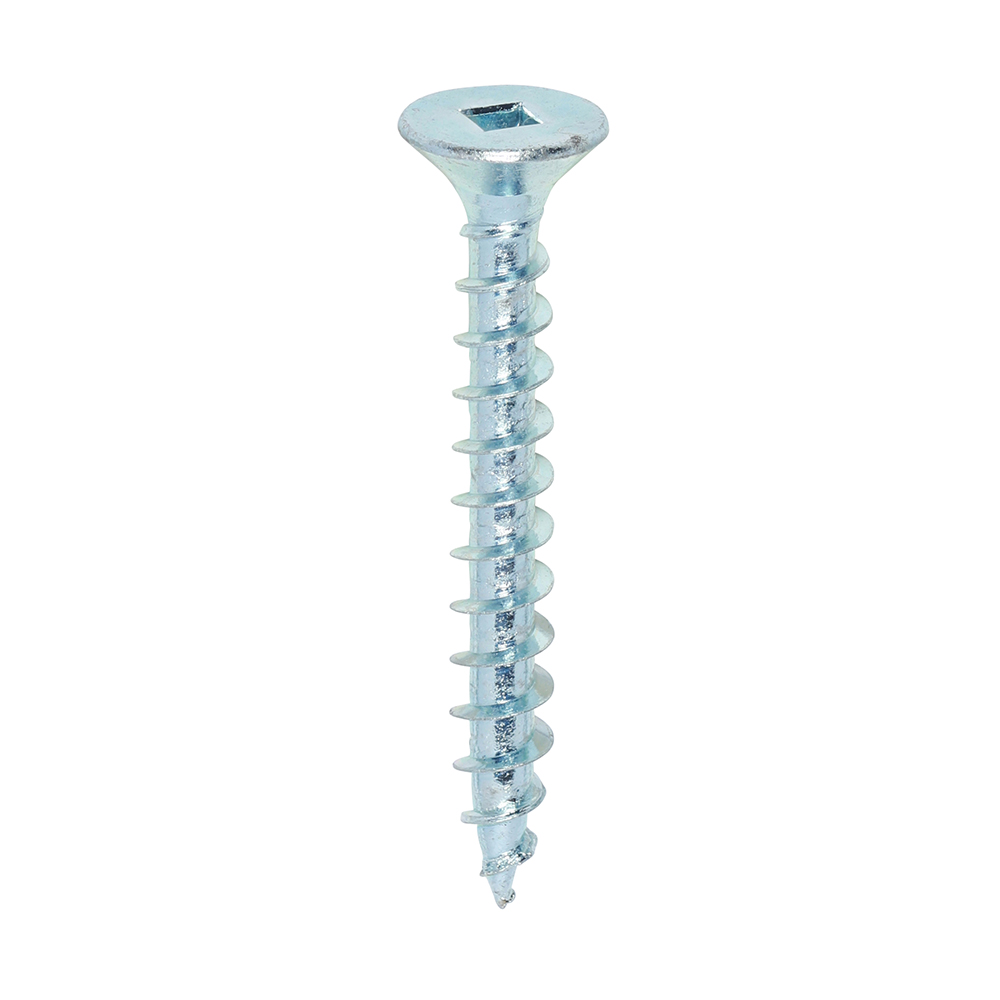
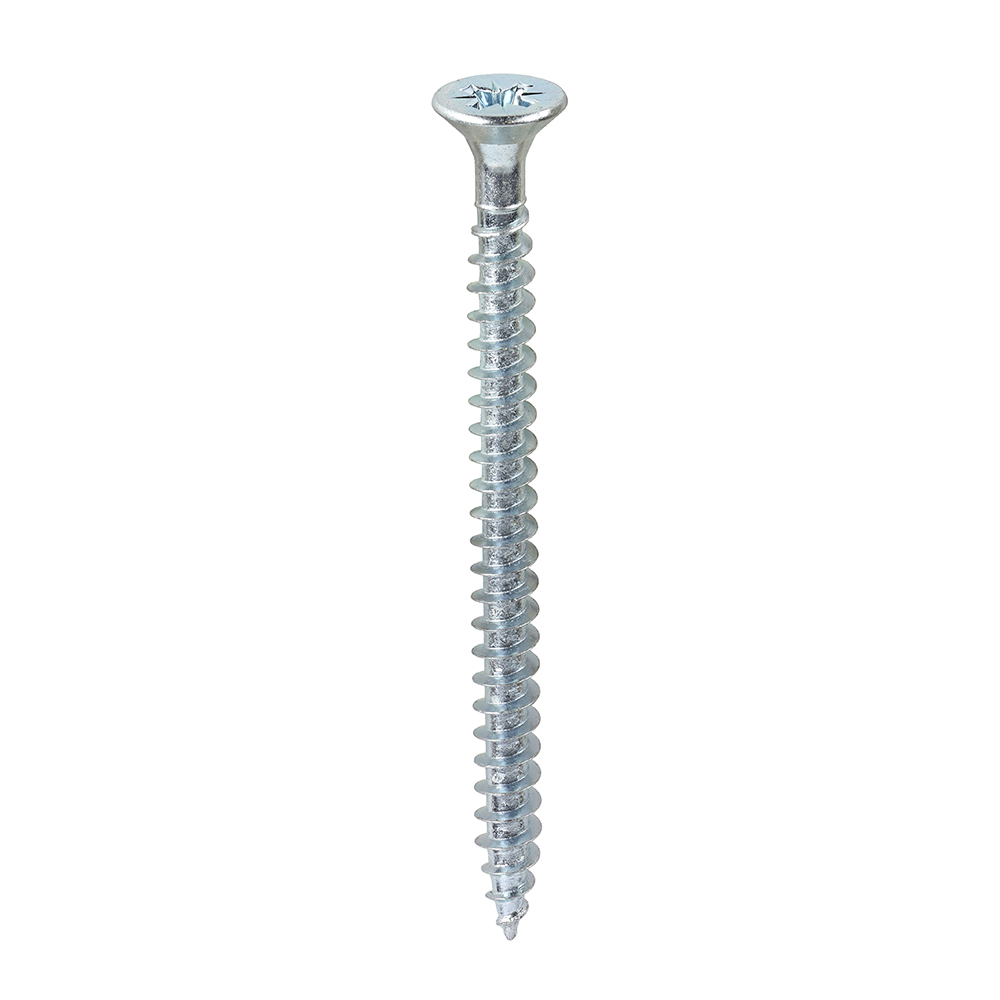
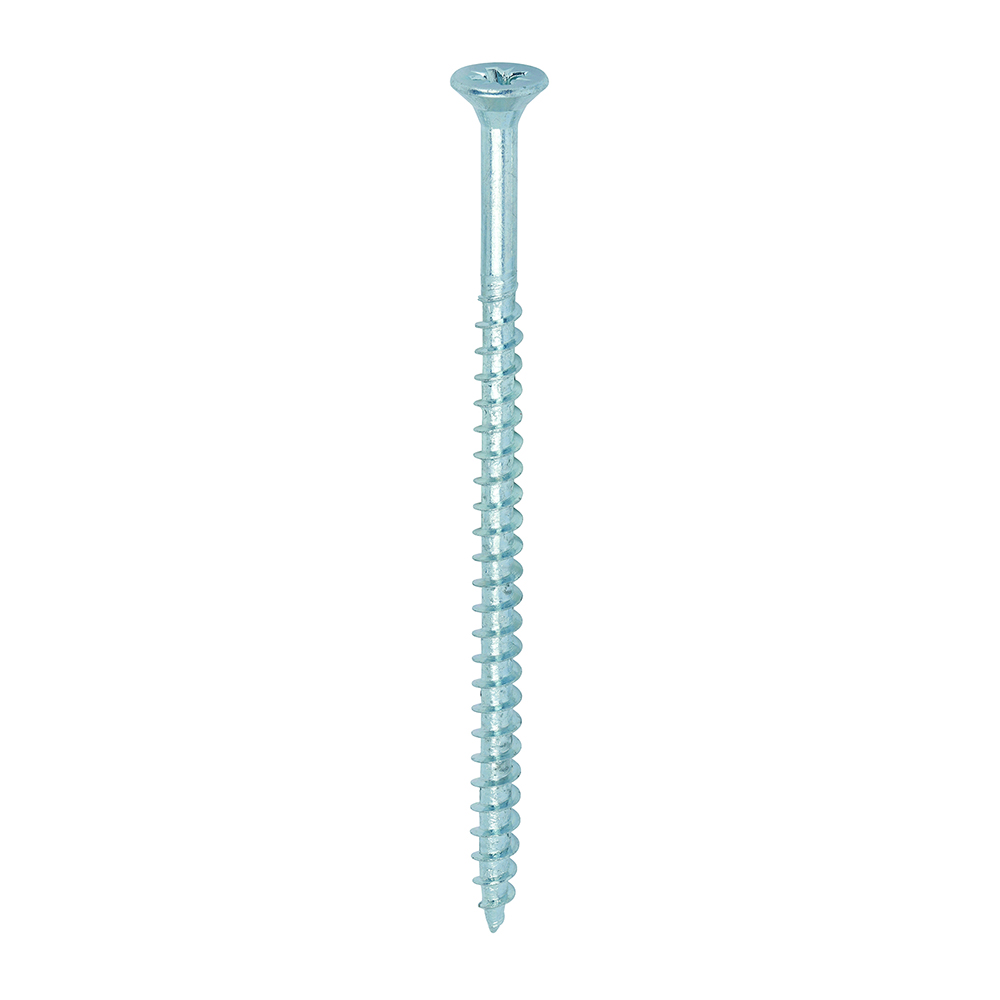
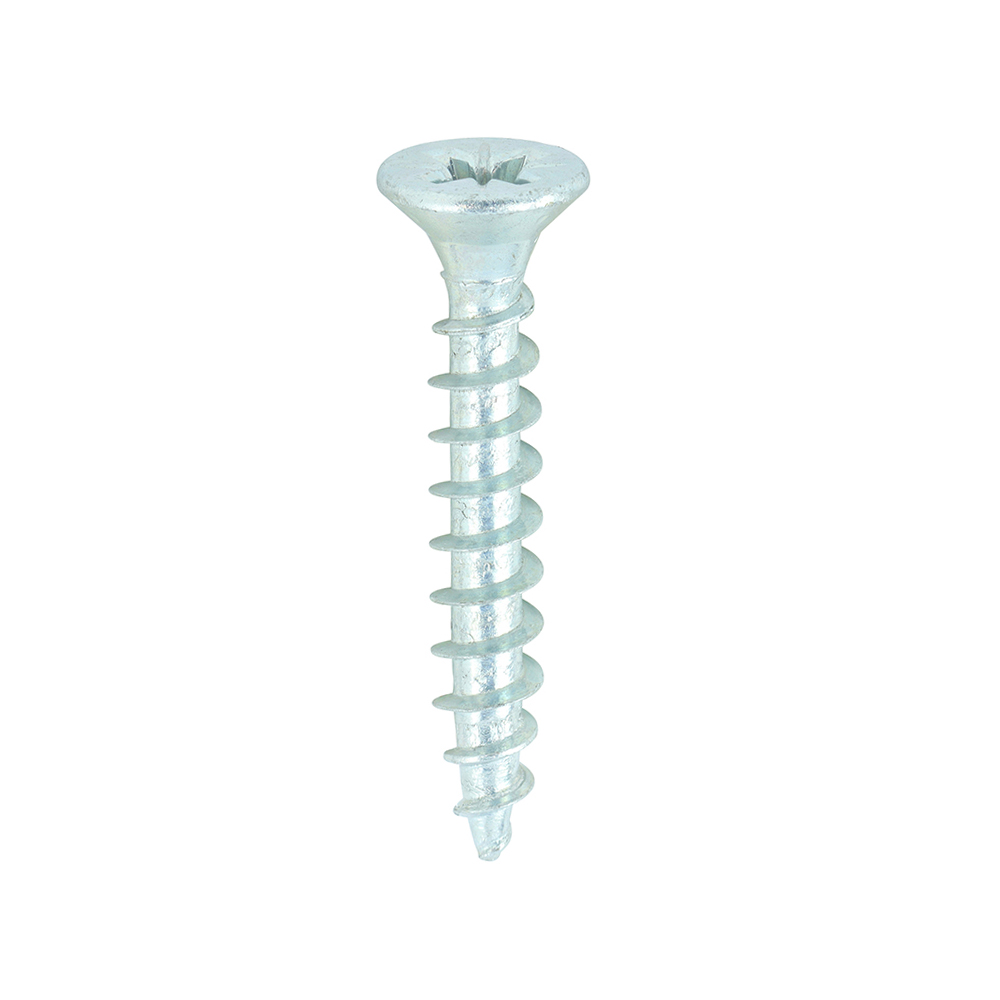
Timco Solo Wood Screws - Zinc - SQ - Countersunk - 5.0mm x 40mm - Box of 200
£2.16 ex VAT(£2.59 inc VAT)
-
Timco Solo Wood Screws - Zinc - Countersunk - 6.0mm x 80mm - Box of 200
£6.66 ex VAT(£7.99 inc VAT)
-
Timco Solo Wood Screws - Zinc - Countersunk - 5.0mm x 90mm - Box of 100
£2.58 ex VAT(£3.09 inc VAT)
-
Timco Solo Wood Screws - Zinc - Countersunk - 4.5mm x 30mm - Box of 200
£1.49 ex VAT(£1.79 inc VAT)
Bulk Screw Packs
-
TIMCO Solo Wood Screws - 5.0mm x 50mm - Industry Pack of 1,000
£13.91 ex VAT(£16.69 inc VAT)
-
TIMCO Solo Wood Screws - 4.0mm x 80mm - Industry Pack of 1,000
£15.74 ex VAT(£18.89 inc VAT)
-
TIMCO Solo Wood Screws - 5.0mm x 60mm - Industry Pack of 1,000
£16.41 ex VAT(£19.69 inc VAT)
-
TIMCO Solo Wood Screws - 5.0mm x 100mm - Industry Pack of 1,000
£28.16 ex VAT(£33.79 inc VAT)
Final thoughts
Timco Solo screws offer a practical balance between price and performance, which is why they remain one of the most commonly used wood screws in the trade.
With multiple sizes, finishes and head types available, the Solo range covers everything from light joinery work to heavy timber construction.
Whether you need a few boxes for small projects or wood screws in bulk for site work, Timco Solo screws remain a dependable choice.
You can explore the full range of Timco Solo screws to find the right size and finish for your project.