
 Screws
 Nails
Nails
 Fasteners & Fixings
 Adhesives & Building Chemicals
 Powertool Accessories
 Fence & Gate Hardware
 Building Supplies
 Security & Ironmongery
 Site and Access

 Hand Tools
 Painting & Decorating
 Workwear, PPE & Safety



The Complete Guide to Plasterboard Beading: Types, Uses & How to Choose

On August 26, 2026
Comments Off on The Complete Guide to Plasterboard Beading: Types, Uses & How to Choose
Introduction

Choosing the correct plasterboard beading is an important part of achieving clean edges, straight corners and durable plaster and render finishes. For plastering contractors, drylining companies and larger construction projects, selecting the right profile from the outset also helps maintain a consistent finish across the job.
However, with different profiles, materials, depths and lengths available, choosing the right bead depends on the application. angle beads form and reinforce external corners, plaster stop beads create defined finishing points, while movement beads are designed for areas where controlled movement needs to be accommodated within the plaster finish.
Material choice is equally important. Galvanised steel, stainless steel and uPVC profiles each suit different environments and applications, while the correct bead depth needs to correspond with the intended plaster or render thickness.
At Fast Fixings Online, our plasterboard beading range is supplied with larger projects and trade requirements in mind. Many of our profiles are available in boxes of 25 or 50, with a choice of lengths, depths and materials across the range.
In this guide, we'll explain the main types of plasterboard beading, what they're used for, how the different materials compare and what to consider when choosing the right profile for your project.
In This Guide

1
What Is Plasterboard Beading?
Plasterboard beading is used to create, reinforce and finish edges, corners and junctions within plastering and drylining systems. Depending on the profile, a bead can provide a straight edge to work to, protect vulnerable corners, create a defined finishing point or accommodate movement within the finished surface.
The bead is fixed in position before the finishing coat is applied. Plaster is then worked up to or over the profile as required, with the bead helping to establish the correct line, depth and finished detail.
There isn’t one universal plasterboard bead for every application. Different profiles are designed for external corners, exposed board edges, plaster termination points, movement joints, arches and architectural details. Choosing the correct profile and material is therefore an important part of the specification.
WHAT DOES PLASTERBOARD BEADING DO?
✓
Creates clean lines
Provides a defined edge or corner to plaster up to.
Provides a defined edge or corner to plaster up to.
✓
Reinforces corners
Helps protect vulnerable external corners and edges.
Helps protect vulnerable external corners and edges.
✓
Controls finish depth
Provides a consistent guide for the required plaster thickness.
Provides a consistent guide for the required plaster thickness.
✓
Creates specialist details
Allows for movement, stop ends, arches and feature finishes.
Allows for movement, stop ends, arches and feature finishes.
✓
Specification Tip
Don’t select a bead on profile alone. The application, required finish depth and installation environment should all be considered, as these will determine both the most suitable bead type and whether galvanised steel, stainless steel or uPVC is appropriate.
2
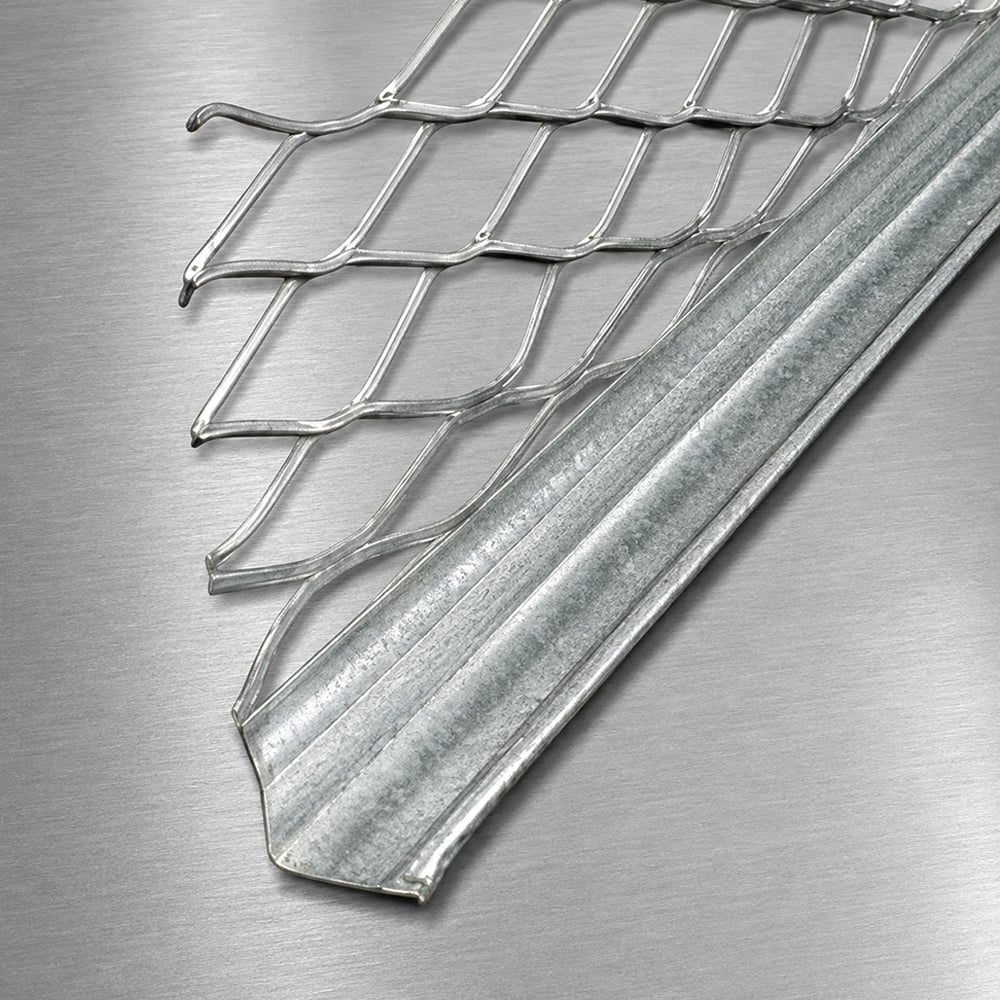
Corner & Angle Beads
Corner and angle beads are used to form straight, reinforced external corners in plastering and drylining applications. Once fixed in position, the bead provides a defined edge to work to while helping protect one of the most vulnerable areas of the finished surface.
The right profile depends on the type and depth of finish being applied. Standard angle beads are suited to traditional plaster applications, while skim and mini mesh beads provide alternatives for thinner finishes and specific installation requirements.

Which Corner Bead Should You Choose?
| Bead Type | Best Suited To | Key Benefit |
|---|---|---|
| Standard Angle Bead | External corners in traditional plaster applications | Creates a strong, straight and well-defined corner |
| Skim Bead | External corners receiving a thin skim finish | Provides a neat corner profile for thinner plaster coats |
| Mini Mesh Bead | Thin-coat plastering and areas where a compact mesh wing is preferred | Combines corner reinforcement with a smaller mesh profile |
Standard Angle Beads
Standard angle bead is one of the most widely used profiles for forming external plaster corners. The wings sit against either side of the corner, while the central nose establishes a straight line for the plaster finish and provides additional protection to the completed edge.
Our range includes standard angle beads in galvanised steel, stainless steel and uPVC, allowing the profile material to be matched to the application and environment.
✓Forms straight, consistent external corners
✓Helps reinforce and protect vulnerable plaster edges
✓Provides a defined guide for the finished plaster line
✓Available in different materials and lengths to suit project requirements
Skim & Mini Mesh Beads
Where a thinner plaster finish is required, skim and mini mesh beads provide more compact corner profiles. A skim bead is designed to establish the corner when applying a skim coat, while mini mesh bead provides a reduced mesh wing compared with a standard angle profile.
Fast Fixings Online stocks galvanised skim and mini mesh beads in both 2.4m and 3m lengths, supplied in boxes of 50 for trade and larger project requirements.
☼
Trade Tip
Check the required plaster thickness before selecting the bead. Using a corner profile intended for a different finish depth can make it harder to achieve a consistent surface and a clean finished corner.
Need angle beads in trade quantities?
Our corner bead range includes galvanised, stainless steel and uPVC profiles, with selected products supplied in boxes of 25 or 50 for larger plastering and drylining projects.
Our corner bead range includes galvanised, stainless steel and uPVC profiles, with selected products supplied in boxes of 25 or 50 for larger plastering and drylining projects.
3
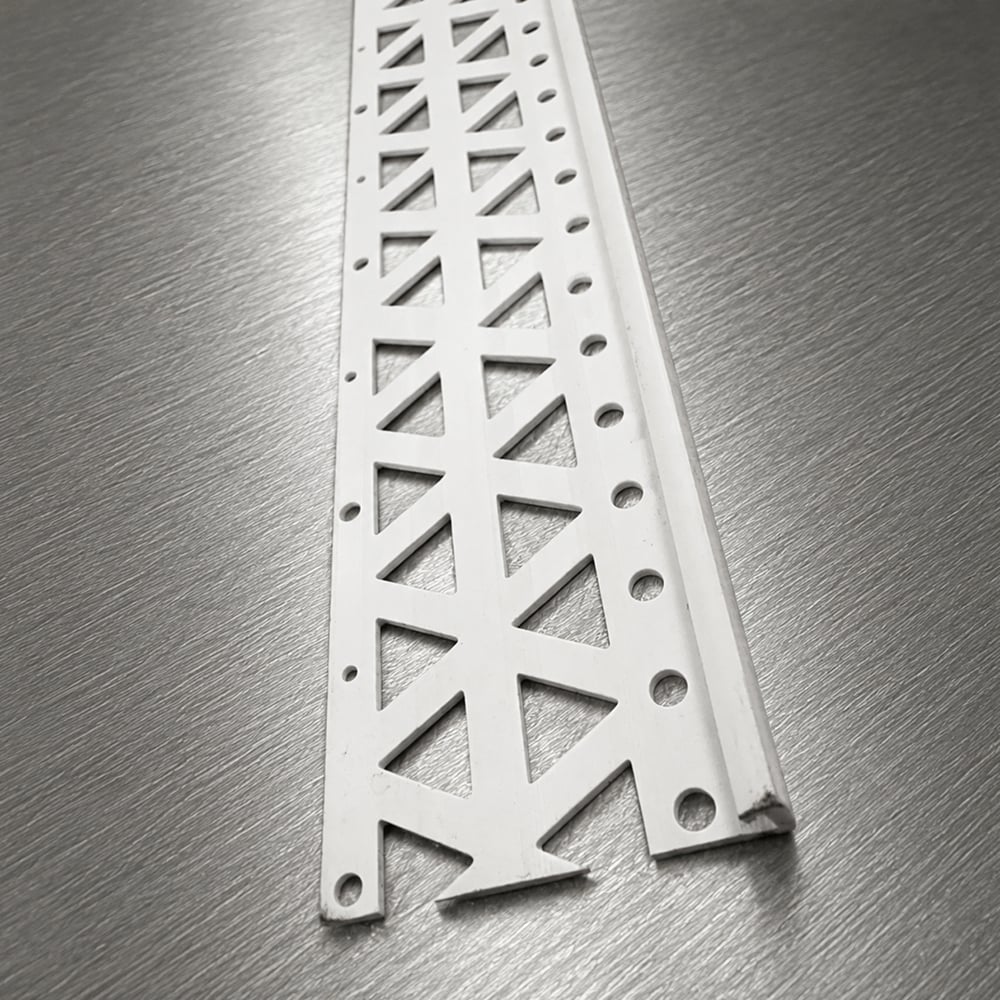
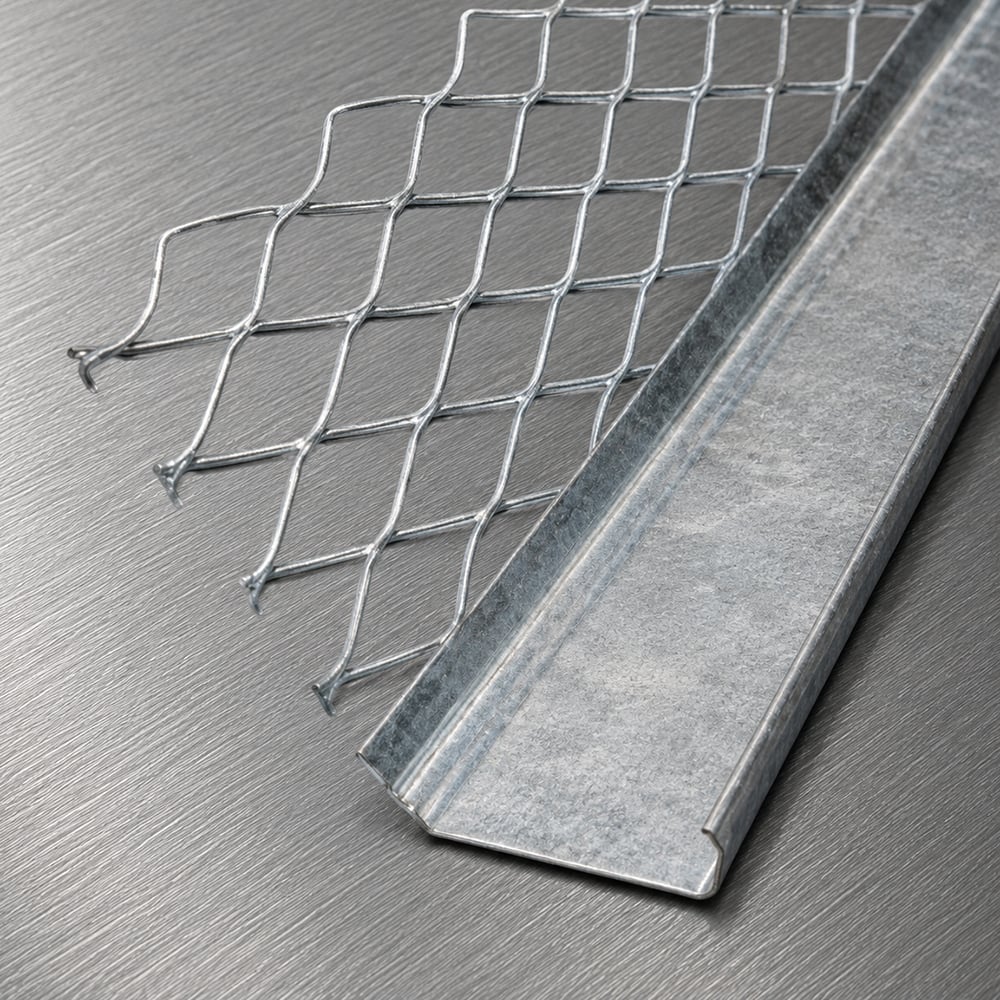
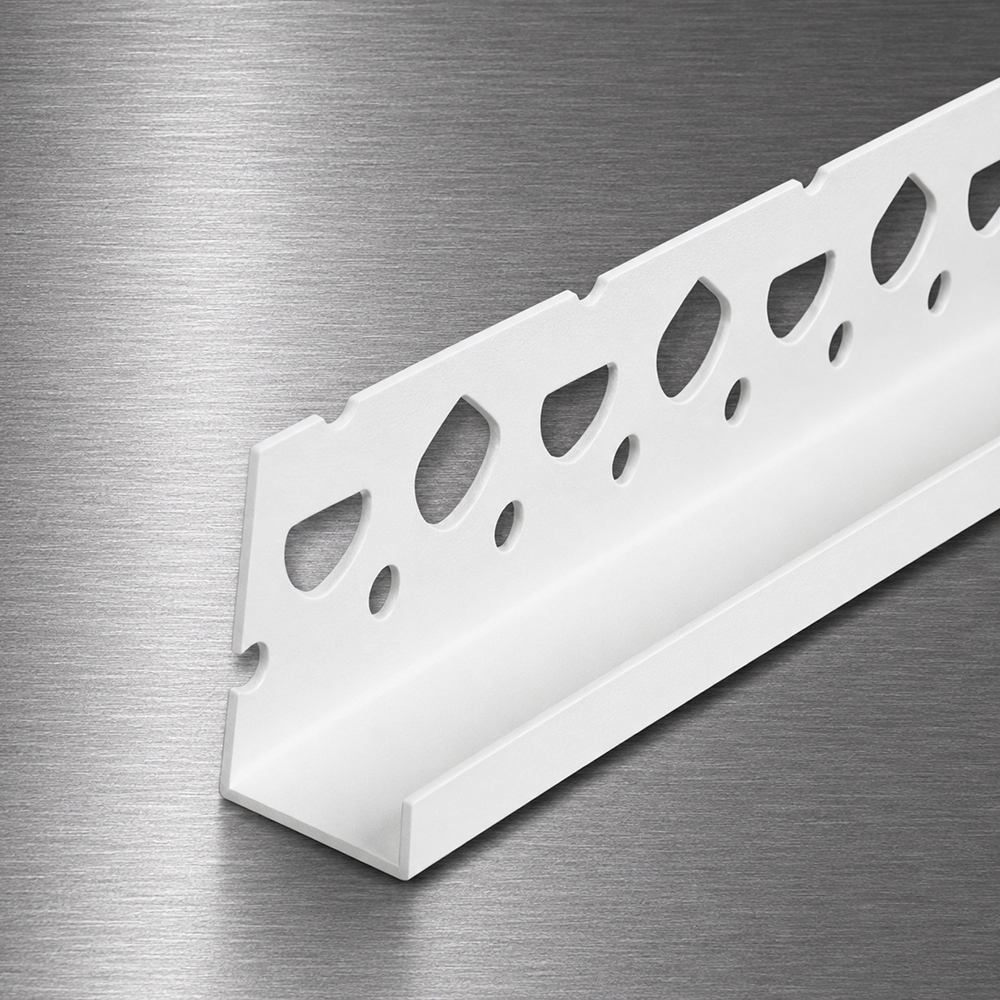
Plaster Stop Beads
Plaster stop beads are used where a plaster finish needs to terminate at a clean, straight and defined edge. Rather than forming an external corner, the profile provides a precise finishing point for the plaster and helps protect the exposed edge.
They’re commonly used around openings, abutments and changes in finish, as well as other areas where plaster needs to stop neatly. Selecting the correct depth is important, as the nose of the bead acts as a guide for the finished plaster thickness.
✓Creates a defined edge where the plaster finish needs to stop
✓Controls finish depth for a consistent plaster thickness
✓Protects the finished edge from everyday knocks and damage
Our range includes galvanised steel, stainless steel and uPVC plaster stop beads in a choice of depths and lengths. Thin coat plaster stop beads are also available for 3mm skim finishes, making it easier to match the profile to the specified plaster system.
☼
Trade Tip
Match the bead depth to the specified plaster thickness. For thin skim finishes, use a dedicated thin coat stop bead rather than a deeper standard plaster stop.

4
Plasterboard Edge Beads
Plasterboard edge beads are designed to create a clean, reinforced finish along exposed plasterboard edges. The profile fits over the edge of the board, helping protect it from damage while providing a neat line for the finished surface.
They are particularly useful around openings, reveals and other areas where the edge of the plasterboard would otherwise remain exposed. Choosing a profile that matches the board thickness helps ensure a secure fit and consistent finish.
✓Finishes exposed edges for a clean, professional detail
✓Protects plasterboard against knocks and edge damage
✓Matches common board thicknesses for a secure and consistent fit
Our range includes galvanised plasterboard edge beads in 10mm, 13mm and 15mm profiles, alongside uPVC options in 12.5mm and 15mm. Products are supplied in trade boxes of 25 or 50 depending on the profile.
☼
Trade Tip
Check the plasterboard thickness before ordering edge beads. Matching the profile to the board helps achieve the correct fit and avoids unnecessary adjustment during installation.
5
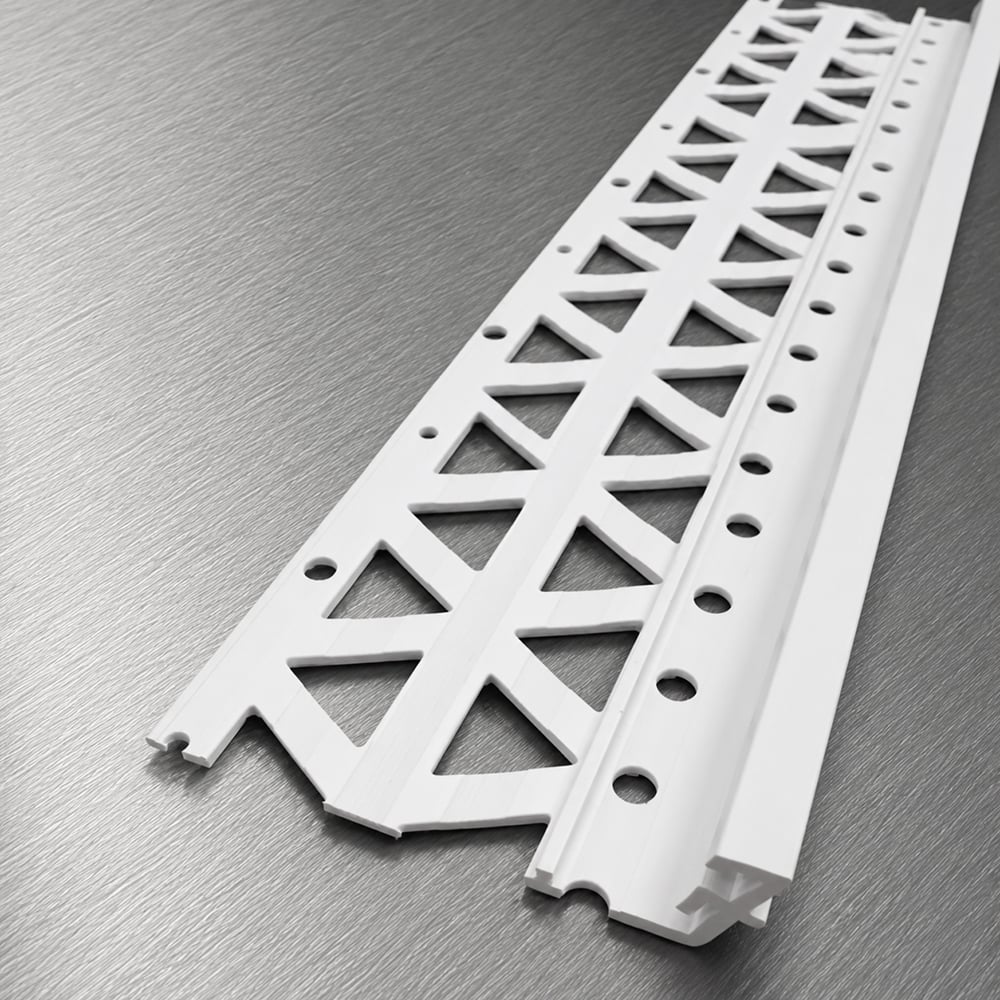
Movement Beads
Movement beads are designed to accommodate controlled movement within plaster or render finishes. Rather than creating a rigid continuous surface, the profile forms a defined movement joint that helps reduce the risk of cracking where movement is expected.
They can be used where movement joints are specified within the substrate or across larger areas of plastering and rendering. Correct positioning is important, as the bead should correspond with the movement requirements of the underlying construction.
✓Accommodates controlled movement within the finished surface
✓Helps reduce cracking where movement within the construction is anticipated
✓Creates a neat movement joint while maintaining a consistent finish
Our range includes galvanised steel, stainless steel and uPVC movement beads, with different depths available to suit the specified plaster or render system. Selected profiles are supplied in trade boxes of 25 or 50.
☼
Trade Tip
Movement beads should not be used to bridge an existing structural or substrate movement joint. Position the bead in accordance with the specified joint location so movement can continue through the finished plaster or render system.
6
Arch & Feature Beads
Arch and feature beads are used to create more specialised plasterboard details where a standard straight corner or edge bead isn’t suitable. They help form curved openings, defined shadow lines and decorative features while maintaining a clean, consistent finish.
The correct profile depends on the detail being created. Flexible arch beads follow curved edges, while architrave and drywall feature beads are designed to introduce deliberate recessed or defined lines into the finished plasterboard surface.
✓
Arch beads provide the flexibility needed to form clean curved and arched plaster edges.
✓
Architrave feature beads create a neat recessed feature where plasterboard meets frames, openings or adjoining finishes.
✓
Drywall feature beads create crisp, controlled feature lines within drylining and plasterboard systems.
Our range includes uPVC arch bead, galvanised architrave feature bead and galvanised drywall feature beads in abutting and engaging profiles. These products are supplied in trade boxes of 25 or 50, depending on the profile.
☼
Trade Tip
Feature beads form a visible part of the finished detail, so accurate setting out is particularly important. Check the position and alignment of the profile before plastering to maintain straight, consistent feature lines across the installation.
7
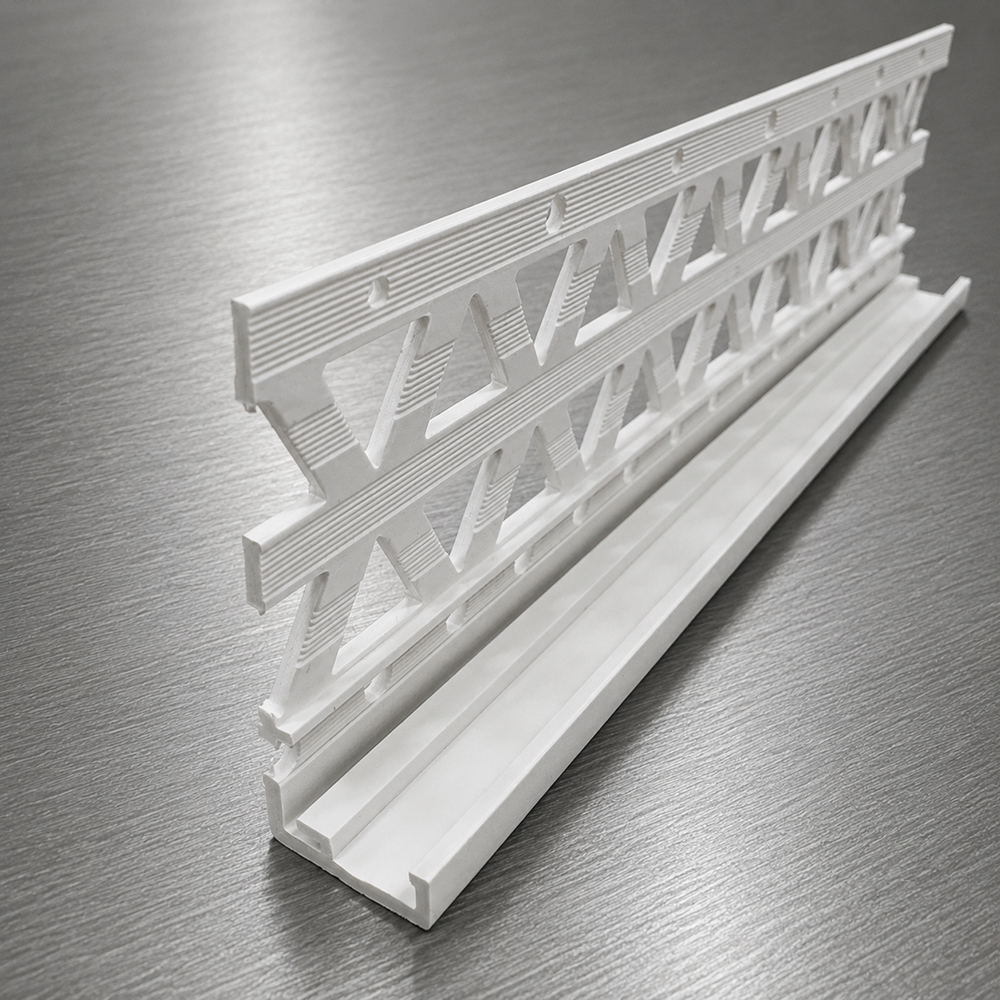
Render Stop Beads
Render stop beads provide a clean, defined termination point where an external render finish needs to end. The profile creates a straight finishing edge while helping protect the exposed edge of the render from damage.
They can be used around openings, at changes in finish and wherever a neat render boundary is required. The stop edge also acts as a guide when applying the render, helping maintain the specified finish depth along the termination.
✓
Creates a clean termination where the external render finish needs to end
✓
Provides a defined finishing edge for a straight, consistent result
✓
Helps protect the render edge at vulnerable termination points
Our external render stop range includes galvanised steel, stainless steel and uPVC profiles, with different depths available to suit the specified render system. Products are supplied in trade boxes of 25 or 50, depending on the profile.
☼
Trade Tip
Choose the stop bead to suit both the required render depth and the exposure of the installation. Material selection is particularly important for external work, where environmental conditions need to be considered as part of the render specification.

8
Galvanised vs Stainless Steel vs uPVC Plaster Beads
The material you choose is just as important as selecting the right type of bead. Galvanised steel, stainless steel and uPVC plaster beads each suit different environments, so factors such as moisture, exposure and the type of finish should all be considered.
| Feature | Galvanised Steel | Stainless Steel | uPVC |
|---|---|---|---|
| Best For | General internal plastering | Exposed & demanding environments | Internal & external applications |
| Corrosion Resistance | Good in dry conditions | Excellent | Will not rust |
| Moisture Resistance | Limited | Excellent | Excellent |
| External Use | Generally not recommended | ✔ | ✔ |
| Strength | High | High | Lightweight & flexible |
| Easy to Cut | ✔ | Requires suitable metal-cutting tools | ✔ Very easy |
| Typical Applications | Internal walls Ceilings Dry areas | External work Wet areas High-exposure locations | Render Plastering Moisture-prone areas |
Our recommendation:
Choose galvanised steel for general internal plastering in dry conditions where you want a strong and economical option. Choose stainless steel where greater corrosion resistance is required, particularly in exposed or demanding environments. Choose uPVC when you need a lightweight, rust-free bead suitable for areas where moisture or weather exposure may be a consideration.
9
Choosing the Right Bead Depth & Length
Once you've selected the right bead type and material, it's important to choose the correct depth and length. These dimensions should suit the plaster, render or plasterboard system being installed and the requirements of the project.
Our range includes 2.4m, 2.5m and 3m bead lengths, alongside a wide choice of profile depths for everything from thin-coat plaster finishes to deeper plaster and render applications.
✓
Choose the correct profile depth to suit the specified plaster, render or plasterboard build-up
✓
Consider the overall bead length to minimise unnecessary joints and cutting across larger areas
✓
Check the individual bead specification as available depths and lengths vary between different profiles
How to Read a Bead Size
3m × 13mm
→
3m is the overall length of the bead.
→
13mm is the specified depth of the bead profile.
Depending on the bead type, our range includes depths from 3mm thin-coat profiles through to 20mm and 20–22mm options. Not every profile is available in every size, so the bead should always be selected to suit the specified system rather than choosing by length alone.
☼
Trade Tip
On larger projects, choosing the most appropriate bead length can reduce the number of joints, cuts and offcuts required. Always check both the profile depth and overall length against the project specification before ordering.
10
EML, Rib Lath & Reinforcement Mesh
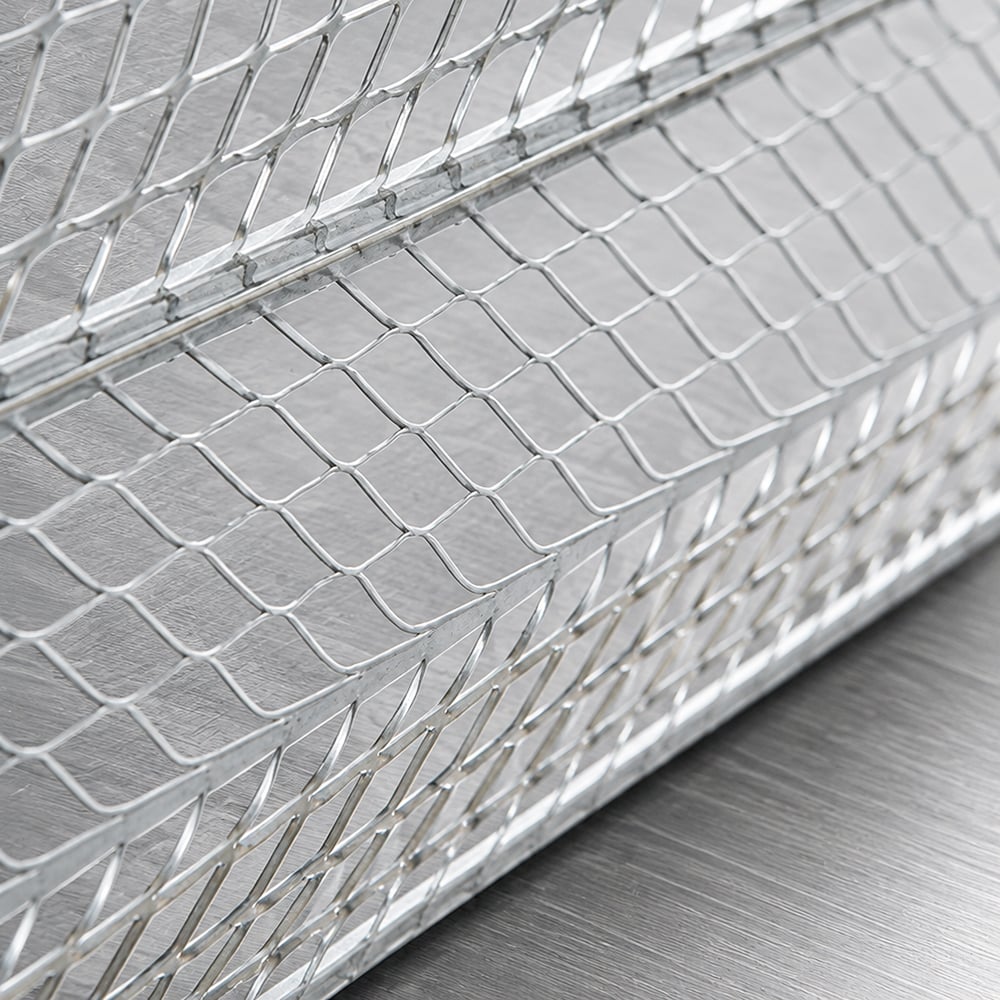
Alongside plaster and render beads, reinforcement products help provide a suitable key and additional support for plaster and render systems. Our range includes expanded metal lath (EML), rib lath and alkaline-resistant render mesh for different substrates and applications.
Expanded Metal Lath (EML)
Metal lath used to provide a mechanical key and reinforcement for plaster and render. Available in galvanised and stainless steel sheets and coils within our range.
Rib Lath
A reinforced metal lath incorporating longitudinal ribs for additional rigidity. Our range includes galvanised and stainless steel rib lath sheets.
Alkaline-Resistant Render Mesh
Glass fibre reinforcement mesh designed for use within render systems, helping reinforce the finish and reduce the risk of cracking.
Choosing between them: EML provides a strong mechanical key, rib lath adds greater rigidity, while reinforcement mesh is embedded within compatible render systems to strengthen the finished render layer.
11
Which Plasterboard Bead Do You Need?
The right bead depends on the detail you're creating, the required finish depth and the environment in which it will be installed. Use the quick guide below to identify the most suitable profile for the application.
| If You Need To... | Choose | Why? |
|---|---|---|
| Form an external plaster corner | Angle or Corner Bead | Creates a straight, reinforced external corner. |
| Finish a thin skim corner | Skim or Mini Mesh Bead | Provides a compact profile suited to thinner plaster finishes. |
| Terminate plaster neatly | Plaster Stop Bead | Creates a clean, defined finishing edge. |
| Finish an exposed board edge | Plasterboard Edge Bead | Protects and finishes the exposed edge of the plasterboard. |
| Allow for controlled movement | Movement Bead | Forms a defined movement joint within the finish. |
| Create a curved edge or arch | Arch Bead | Flexible profile follows curved and arched details. |
| Create a decorative drywall detail | Feature Bead | Creates crisp recessed or defined feature lines. |
| Terminate external render | Render Stop Bead | Creates a straight, protected termination point for the render finish. |
Remember:
Once you've identified the correct profile, check the material, depth and length required for the specified system. Galvanised steel, stainless steel and uPVC are designed for different environments, while bead depths and lengths vary between profiles.
12
Buying Plasterboard Beading in Bulk
For contractors, plastering companies and larger construction projects, buying plasterboard beading in bulk makes it easier to order consistent quantities for ongoing and multi-room work.
At Fast Fixings Online, our plaster and render beads are supplied in trade boxes of 25 or 50, depending on the profile, while EML and rib lath sheets are available in boxes of 10. This makes the range particularly well suited to contractors and businesses ordering for larger projects.
✓
Trade quantities for larger plastering and construction projects
✓
Wide choice of profiles, materials and sizes for different specifications
✓
Ideal for contractors and businesses managing larger or ongoing projects
13
Common Beading Mistakes
Choosing the correct plaster or render bead is essential for achieving a neat, durable finish. Before ordering or installing, watch out for these common mistakes.
1. Choosing the Wrong Profile
Angle, stop, edge, movement and feature beads perform different jobs. Always match the profile to the detail being created.
2. Using the Wrong Material
Galvanised steel, stainless steel and uPVC suit different environments. Consider moisture, exposure and the specified system before choosing.
3. Selecting the Wrong Depth
The bead depth needs to suit the plaster, render or plasterboard build-up. Check the specification rather than selecting by length alone.
4. Poor Alignment
Beads should be positioned straight, level and securely fixed. Poor alignment can remain visible in the finished plaster or render.
5. Not Following the System Specification
Bead type, material, fixing method and installation requirements can vary between plaster and render systems. Always check the relevant manufacturer or project specification before installation.
!
Before installation: Check the bead profile, material, depth and fixing requirements against the specified plaster or render system.
14
Plasterboard Beading FAQs
Still unsure which plaster or render bead you need? These frequently asked questions cover some of the most common queries about bead types, materials, sizes and applications.
Always check the bead specification and the requirements of the plaster, render or plasterboard system before installation.
What type of plasterboard bead do I need?
The correct bead depends on the detail being finished. Angle and corner beads reinforce external corners, plaster stop beads create clean termination points, edge beads finish exposed plasterboard edges, movement beads accommodate specified movement joints, and arch or feature beads are used for curved and decorative details.
What is the difference between galvanised, stainless steel and uPVC beads?
Galvanised steel is commonly used for general internal plastering in dry conditions. Stainless steel provides greater corrosion resistance for more demanding or exposed environments, while uPVC is lightweight, rust-free and suitable for a range of internal and external applications. Always check the individual product and system specification.
What plaster bead depth do I need?
Choose a bead depth that suits the specified plaster, render or plasterboard build-up. Different profiles are available in different depths, from thin-coat options through to deeper plaster and render profiles, so always check the individual bead specification before ordering.
Can galvanised plaster beads be used outside?
Galvanised beads are generally intended for protected or internal applications rather than exposed external conditions. Stainless steel or suitable uPVC profiles are normally better choices where greater resistance to moisture and weather exposure is required. Always follow the requirements of the specified render or plaster system.
Can I buy plasterboard beading in bulk?
Yes. Our plaster and render beads are supplied in trade quantities, with many profiles available in boxes of 25 or 50. EML and rib lath sheets are also available in boxes of 10, making the range suitable for contractors, plastering companies and larger construction projects.

Plasterboard Beading
-
 Plaster Stop - uPVC - 2.5M x 6-8mm - Box of 25
£100.83 ex VAT(£120.99 inc VAT)
Plaster Stop - uPVC - 2.5M x 6-8mm - Box of 25
£100.83 ex VAT(£120.99 inc VAT)
-
Plaster Stop - Galvanised - 2.4M x 10mm - Box of 50
£129.16 ex VAT(£154.99 inc VAT)
-
Plaster Stop - uPVC - 2.5M x 15-17mm - Box of 25
£113.33 ex VAT(£135.99 inc VAT)
-
External Render Stop - Galvanised - 2.4M - Box of 50
£129.16 ex VAT(£154.99 inc VAT)
-
Rib Lath Sheet - Stainless Steel - 2500 x 600mm - Box of 10
£327.49 ex VAT(£392.99 inc VAT)
-
Plasterboard Edge Bead - uPVC - 2.5M x 15mm - Box of 25
£108.83 ex VAT(£130.59 inc VAT)
-
External Render Stop - uPVC - 2.5M x 10-15mm - Box of 25
£136.66 ex VAT(£163.99 inc VAT)