
 Screws
 Nails
Nails
 Fasteners & Fixings
 Adhesives & Building Chemicals
 Powertool Accessories
 Fence & Gate Hardware
 Building Supplies
 Security & Ironmongery
 Site and Access
 Hand Tools
 Painting & Decorating
 Workwear, PPE & Safety



Your Guide to Choosing the Right Screw

Introduction
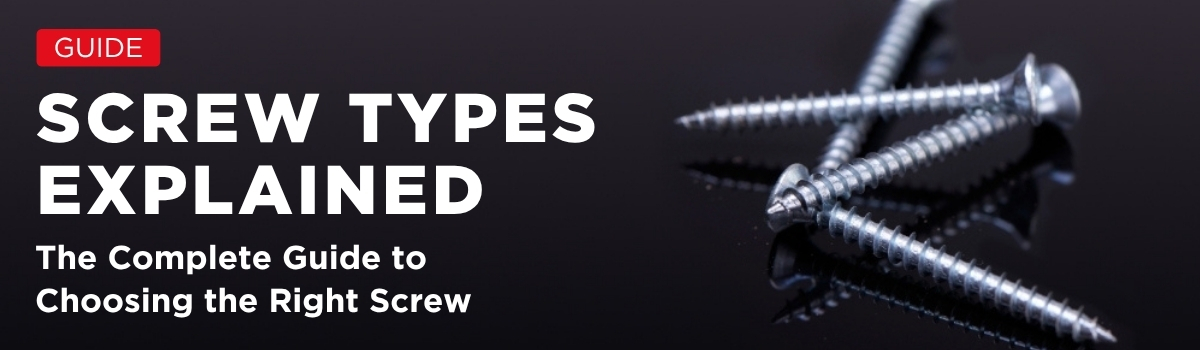
Different screw designs are engineered for specific applications, from fixing plasterboard and timber to fastening steel and masonry. The wrong choice can lead to stripped heads, poor holding power, split timber or premature corrosion.
In this guide, we'll explain the different types of screw recesses, head styles, thread patterns and point designs. We'll also show you which screw is best suited to common jobs around the home, workshop and construction site.

1
Screw Recess Types Explained
The screw recess is the drive pattern found in the head of a screw. It determines which screwdriver or driver bit is required and plays an important role in how efficiently torque is transferred during installation.
Different recess types have been developed to improve grip, reduce cam-out, increase driving power and suit specific applications. Understanding the differences will help you choose the right screw for the job, reduce wear on your tools and achieve a more secure fixing.

The five most common screw recess types used across timber, construction and general fixings.
Click a screw recess below to learn more
Pozi Recess >
Pozi is one of the most widely used screw recesses for timber applications. It features four additional ribs between the main slots, providing improved grip and allowing more torque to be applied than a standard Phillips recess.
Key Features
| ✓ | Improved grip between the bit and screw |
| ✓ | Reduced cam-out during installation |
| ✓ | Suitable for higher driving torque |
| ✓ | Ideal for timber applications |
Common Applications
| ✓ | Woodscrews |
| ✓ | Chipboard screws |
| ✓ | General construction fixings |
💡 Fast Fixings Tip
Always use a genuine PZ2 driver bit with Pozi screws. Although a Phillips bit may appear to fit, it won't engage correctly and can quickly damage both the screw head and the driver bit.
Phillips Recess >
Phillips recess screws feature a simple cross-shaped drive and are widely used across construction, DIY and manufacturing. They are designed to self-centre the driver bit, making them quick and easy to use, although they are more prone to cam-out than Pozi or TX drive screws when higher torque is applied.
Key Features
| ✓ | Simple cross-shaped drive design |
| ✓ | Self-centres the screwdriver bit |
| ✓ | Quick and easy to install |
| ✓ | Best suited to light and medium-duty applications |
Common Applications
| ✓ | Drywall screws |
| ✓ | Self-drilling screws |
| ✓ | Window and general construction screws |
💡 Fast Fixings Tip
Always use the correct size Phillips driver bit, typically PH2. Using the wrong size or applying excessive torque can cause the driver to slip (cam-out), damaging both the screw head and the bit.
Combi Recess >
Combi recess screws combine two drive types in a single screw head, typically allowing the use of either a slotted or Pozi screwdriver. This versatile design offers greater flexibility during installation and maintenance, particularly where different driver bits may be available. They are commonly found in electrical fittings, ironmongery and general-purpose fixings.
Key Features
| ✓ | Compatible with multiple driver types |
| ✓ | Greater flexibility during installation |
| ✓ | Ideal for maintenance and replacement work |
| ✓ | Convenient where different tools are used |
Common Applications
| ✓ | Electrical accessories |
| ✓ | Door furniture and ironmongery |
| ✓ | General maintenance |
| ✓ | General-purpose fixings |
💡 Fast Fixings Tip
Combi recess screws offer added flexibility, but you'll usually achieve the best grip and driving performance by using the driver bit recommended by the manufacturer rather than simply whichever fits.
TX Drive Recess >
TX Drive, also known as Torx, features a six-point star-shaped recess that provides exceptional engagement between the driver bit and the screw. Designed for high-torque applications, TX Drive screws reduce cam-out, improve driving efficiency and minimise wear on both the screw head and the driver bit. They are widely used in structural timber screws, decking screws and concrete screws where strength and reliability are essential.
Key Features
| ✓ | Excellent bit engagement |
| ✓ | Reduces cam-out during installation |
| ✓ | Transfers higher driving torque |
| ✓ | Extends driver bit life through improved contact |
Common Applications
| ✓ | Structural timber screws |
| ✓ | Decking screws |
| ✓ | Concrete screws |
| ✓ | Heavy-duty construction fixings |
💡 Fast Fixings Tip
Always use the correct size TX driver bit (such as TX20, TX25 or TX30) for the best performance. Using the correct bit provides maximum grip, reduces wear and helps prevent damage to the screw head during installation.
Square Recess >
Square recess, also known as Robertson drive, features a square-shaped socket that provides excellent engagement between the driver bit and the screw. The design helps reduce slipping during installation and allows the screw to remain securely on the driver bit, making it particularly useful when working one-handed or overhead. Although more common in North America, square recess screws are also used on specialist woodscrews and self-drilling screws in the UK.
Key Features
| ✓ | Excellent driver bit engagement |
| ✓ | Helps reduce slipping and cam-out |
| ✓ | Allows the screw to stay on the driver bit |
| ✓ | Ideal for controlled, accurate installation |
Common Applications
| ✓ | Specialist woodscrews |
| ✓ | Pan head self-drilling screws |
| ✓ | Cabinetry and joinery |
| ✓ | General construction and maintenance |
💡 Fast Fixings Tip
Square recess screws are excellent for overhead or awkward installations because the screw naturally stays engaged with the driver bit. Always use the correct size square driver to achieve the best grip and avoid damaging the recess.
2
Screw Head Types Explained
The screw head is the visible part of the fixing that sits against or within the material being fastened. Different head styles are designed to provide flush finishes, increased clamping force, decorative appearances or improved performance for specific applications.
Choosing the correct screw head type helps achieve the desired finish, prevents material damage and ensures the fixing performs as intended. Some heads are designed to sit flush with the surface, while others remain proud to maximise clamping strength or provide easier removal.

Explore each screw head type below.
Click a screw head type below to learn more.
Countersunk >
Countersunk screws are the most commonly used screw head for timber applications. Their angled head is designed to sit flush with or slightly below the surface of the material, creating a neat, professional finish. They are widely used in woodworking, joinery, furniture assembly and general construction where a smooth surface is required.
| Does a countersunk screw sit flush? | Yes. The angled head is designed to sink into the material, leaving a flush or slightly recessed finish. |
| What materials is it best for? | Timber, MDF, plywood, chipboard and many plastics. It can also be used in metal when a countersunk hole has been prepared. |
| When should I use a countersunk screw? | Whenever you need the screw head to sit level with the surface, such as flooring, decking, furniture, doors and cabinetry. |
| Why choose a countersunk head? | It provides a clean finish that won't snag on clothing or interfere with adjoining materials. |
Fast Fixings Tip
For the neatest finish in hardwoods, drill a pilot hole and use a countersink bit before driving the screw. This reduces the risk of splitting the timber and allows the head to sit perfectly flush.
Double Countersunk >
Double countersunk screws feature a reinforced countersunk head with a second angled section beneath the main head. This design increases head strength, reduces the risk of snapping under high torque and helps achieve a cleaner, more secure finish. They are commonly used in timber construction, decking and general woodworking where a strong fixing is required.
| What is a double countersunk screw? | A double countersunk screw has a reinforced head with an additional angled section beneath the main countersunk head, increasing strength and improving performance during installation. |
| Why choose a double countersunk head? | The reinforced design reduces the likelihood of the head snapping under high driving torque while improving clamping performance. |
| What materials is it best for? | Timber, softwood, hardwood, MDF, chipboard and decking materials where extra holding strength is required. |
| When should I use a double countersunk screw? | Use it for structural timber projects, decking, fencing, roofing and other applications where screws are driven at higher torque and a flush finish is needed. |
Fast Fixings Tip
Double countersunk screws are ideal when using impact drivers, as the strengthened head helps withstand higher driving forces while still providing a neat, flush finish.
Double Countersunk with Ribs >
Double countersunk screws with ribs combine the strength of a double countersunk head with small cutting ribs beneath the head. As the screw is driven into the material, the ribs help cut a shallow countersink, allowing the head to sit flush while reducing surface damage. This design is particularly useful when working with timber, where it can minimise splitting and eliminate the need for pre-countersinking in many applications.
| What do the ribs under the head do? | The ribs help cut a shallow countersink into the material as the screw is driven, allowing the head to seat neatly without damaging the surface. |
| Why choose a ribbed double countersunk screw? | The combination of a reinforced head and cutting ribs provides excellent strength while producing a cleaner, more professional finish. |
| What materials is it best for? | Softwood, hardwood, MDF, chipboard, timber framing and decking where a flush finish is required. |
| When should I use a double countersunk screw with ribs? | Choose this head style for timber projects where appearance is important and you want the screw to countersink cleanly with minimal preparation. |
Fast Fixings Tip
The cutting ribs work best in timber and sheet materials. In hardwoods, using a pilot hole will still give the cleanest finish and help reduce installation torque.
Shallow Pan Countersunk >
Shallow pan countersunk screws combine the low-profile appearance of a countersunk head with the increased clamping area of a pan head. They are designed to provide a neat finish while spreading the clamping force over a larger surface, making them ideal for thinner materials and applications where a standard countersunk head may pull too deeply into the material.
| What is a shallow pan countersunk screw? | It combines a shallow countersunk profile with a wider bearing surface, offering a balance between a flush appearance and increased clamping force. |
| Why choose a shallow pan countersunk head? | The larger head helps distribute pressure over a wider area, reducing the chance of the screw pulling through softer or thinner materials. |
| What materials is it best for? | Thin timber, sheet materials, plastics and light gauge metal where improved clamping and a neat finish are both important. |
| When should I use a shallow pan countersunk screw? | Use this head style when you want a lower-profile finish than a pan head but need greater surface contact than a traditional countersunk screw can provide. |
Fast Fixings Tip
Shallow pan countersunk screws are an excellent choice for thinner materials where a standard countersunk head may sink too deeply. The wider head helps improve clamping while still maintaining a tidy, low-profile finish.
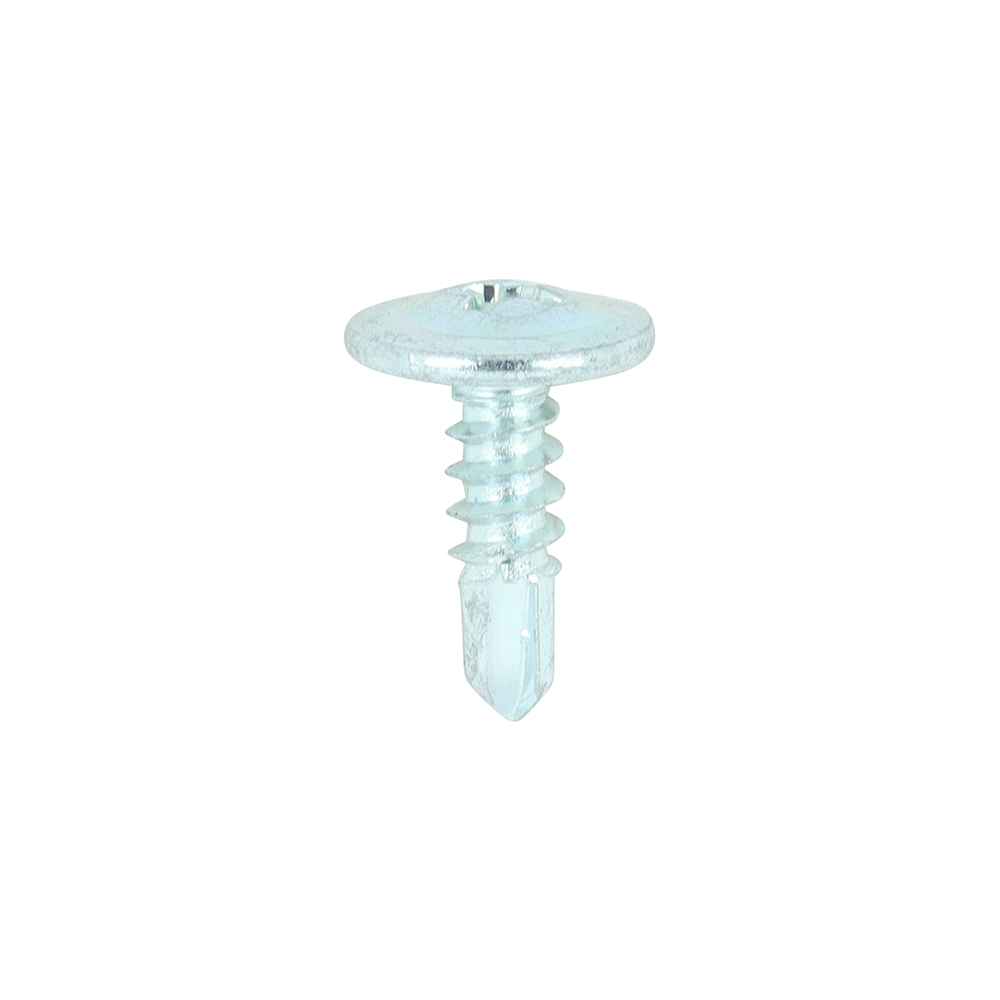
Wafer / Flange / Pancake >
Wafer, flange and pancake head screws all feature a wide, low-profile head that provides a larger bearing surface than a standard countersunk or pan head. The increased surface area spreads the clamping force over a wider area, helping to prevent the screw from pulling through thinner materials. They are commonly used for sheet materials, metal fixings, brackets and construction applications where strength and stability are important.
| What is a wafer, flange or pancake head screw? | These screw heads have a broad, low-profile design that increases the contact area with the material, improving clamping performance without creating a bulky finish. |
| Why choose a wafer head screw? | The larger head spreads the load across the surface, reducing the risk of pull-through while providing a secure fixing in thinner materials. |
| What materials is it best for? | Sheet timber, plywood, MDF, plasterboard, metal brackets, plastic components and other thin materials that benefit from increased clamping area. |
| When should I use a wafer, flange or pancake head screw? | Choose this head style when fixing brackets, metal fittings or sheet materials where a countersunk head isn't suitable and a larger bearing surface is needed. |
Fast Fixings Tip
Wafer, flange and pancake heads are ideal when you need maximum holding power without using a separate washer. Their wider head often provides all the support required for thin materials and metal fittings.
Pan / Round >
Pan head and round head screws have a slightly domed profile that sits proud of the surface rather than countersinking into the material. Their larger bearing surface provides excellent clamping force, making them ideal for fixing metal fittings, brackets, plastics and sheet materials where a flush finish is not required.
| What is a pan or round head screw? | Pan and round head screws have a smooth, slightly raised head that remains visible after installation, providing a larger contact area than countersunk screws. |
| Why choose a pan or round head? | The wider head distributes clamping force over a larger area, making it ideal where maximum holding power is more important than a flush finish. |
| What materials is it best for? | Metal brackets, electrical fittings, plastics, sheet materials and timber where the screw head is intended to remain visible. |
| When should I use a pan or round head screw? | Use a pan or round head when you need increased clamping force, a decorative raised finish or when fixing hardware that should not be countersunk. |
Fast Fixings Tip
Pan and round head screws are often a better choice than countersunk screws when fixing brackets, hinges or thin materials, as the larger head helps spread the load and reduces the risk of pull-through.
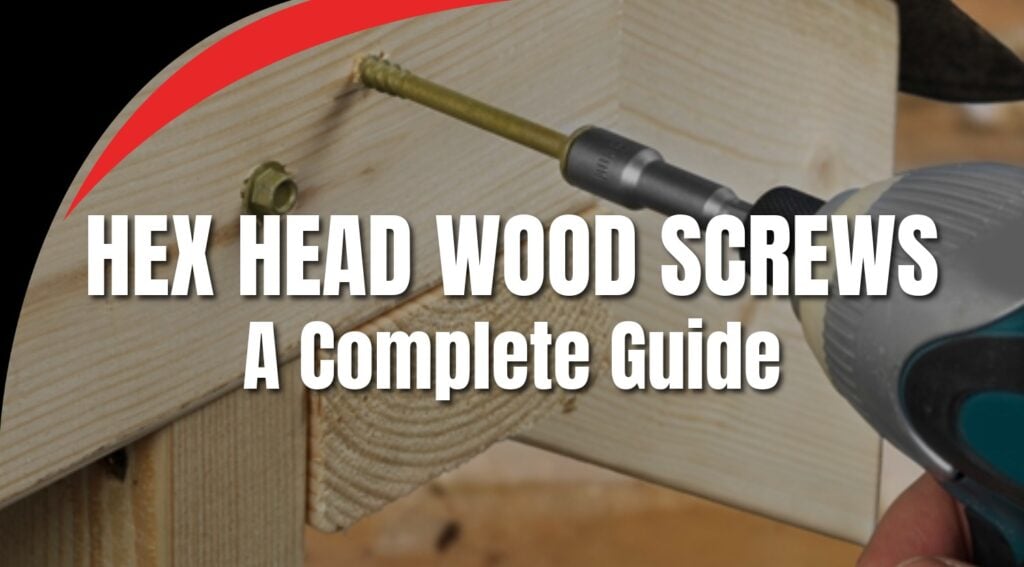
Hexagon >
Hexagon head screws are designed for high-strength applications where maximum driving torque and clamping force are required. Rather than using a screwdriver bit, they are tightened with a spanner, socket or impact wrench, making them ideal for structural timber, masonry and heavy-duty construction projects.
| What is a hexagon head screw? | A hexagon head screw has a six-sided external head that is driven using a spanner, socket or impact wrench instead of a screwdriver bit. |
| Why choose a hexagon head? | The external hex head allows much higher torque to be applied, making it ideal for heavy-duty fixings and structural applications where maximum clamping force is essential. |
| What materials is it best for? | Structural timber, masonry, concrete, steelwork, fencing and other heavy-duty construction materials. |
| When should I use a hexagon head screw? | Choose a hexagon head screw when maximum strength, high tightening torque and a secure structural fixing are more important than achieving a flush or decorative finish. |
Fast Fixings Tip
Always use the correct size socket or spanner to avoid rounding the hex head. For larger structural fixings, an impact wrench can make installation quicker and achieve the correct tightening torque with less effort.
Bugle >
Square recess, also known as Robertson drive, features a square-shaped socket that provides excellent engagement between the driver bit and the screw. The design helps reduce slipping during installation and allows the screw to remain securely on the driver bit, making it particularly useful when working one-handed or overhead. Although more common in North America, square recess screws are also used on specialist woodscrews and self-drilling screws in the UK.
Key Features
| ✓ | Excellent driver bit engagement |
| ✓ | Helps reduce slipping and cam-out |
| ✓ | Allows the screw to stay on the driver bit |
| ✓ | Ideal for controlled, accurate installation |
Common Applications
| ✓ | Specialist woodscrews |
| ✓ | Pan head self-drilling screws |
| ✓ | Cabinetry and joinery |
| ✓ | General construction and maintenance |
💡 Fast Fixings Tip
Square recess screws are excellent for overhead or awkward installations because the screw naturally stays engaged with the driver bit. Always use the correct size square driver to achieve the best grip and avoid damaging the recess.
Socket Button >
Socket button head screws have a smooth, rounded profile with an internal hex (Allen) drive. They offer a clean, low-profile appearance while providing good driving torque, making them a popular choice for machinery, automotive applications, furniture and decorative fixings where both appearance and performance are important.
| What is a socket button head screw? | A socket button head screw has a rounded, low-profile head with an internal hex drive, allowing it to be tightened using an Allen key or hex bit. |
| Why choose a socket button head? | Its smooth, domed profile provides a neat appearance while still offering good driving performance. It is often chosen where the screw will remain visible after installation. |
| What jobs is it best suited to? | Furniture assembly, machinery guards, automotive applications, bicycles, equipment panels and decorative metalwork where a tidy finish is important. |
| When should I use a socket button head screw? | Choose a socket button head when you need a strong fixing with a smooth, attractive finish that is less likely to snag than taller screw heads. |
Fast Fixings Tip
Socket button head screws are ideal where appearance matters, but they're not designed for the highest tightening torque. For heavy-duty engineering applications, a socket cap screw is often the better choice.
Socket Cap >
Socket cap screws feature a cylindrical head with an internal hex (Allen) drive and are designed for high-strength engineering applications. Their deeper socket allows greater tightening torque than a socket button head, making them the preferred choice for machinery, equipment, automotive components and precision engineering where maximum clamping force is required.
| What is a socket cap screw? | A socket cap screw has a tall cylindrical head with an internal hex drive, allowing high tightening torque using an Allen key or hex bit. |
| Why choose a socket cap screw? | Its deep hex socket allows greater torque to be applied, providing exceptional clamping force and making it ideal for demanding engineering applications. |
| What jobs is it best suited to? | Machinery, industrial equipment, automotive components, engineering assemblies, tooling and precision manufacturing. |
| When should I use a socket cap screw? | Choose a socket cap screw when maximum strength, precise tightening and high clamping force are more important than maintaining a low-profile or decorative finish. |
Fast Fixings Tip
Socket cap screws are designed for strength rather than appearance. Always use the correct size Allen key or hex bit to achieve the recommended tightening torque and avoid damaging the internal hex socket.
Which Screw Head Should You Choose?
Need a quick overview? This table compares the most common screw head types, helping you choose the right option based on the finish you want, the level of clamping force required and the type of project you're working on.
| Head Type | Flush Finish | Clamping Force | Best For |
|---|---|---|---|
| Countersunk | ✔ | Medium | Furniture, joinery & timber |
| Double Countersunk | ✔ | High | Structural timber |
| Double Countersunk with Ribs | ✔ | High | Premium timber finishes |
| Shallow Pan Countersunk | Partial | High | Thin sheet materials |
| Wafer / Flange / Pancake | ✘ | Very High | Brackets & metal fittings |
| Pan / Round | ✘ | High | General fixings |
| Hexagon | ✘ | Very High | Heavy-duty construction |
| Bugle | ✔ | Medium | Plasterboard & drywall |
| Socket Button | ✘ | High | Decorative engineering |
| Socket Cap | ✘ | Very High | Precision engineering |
3
Screw Thread Types Explained
The thread is the part of the screw that grips the material and creates the holding power. Different thread designs are engineered for different materials and applications, affecting how quickly a screw drives in, how securely it holds and how much force is required during installation.
Whether you’re fixing into timber, steel, plasterboard or composite materials, choosing the correct thread type can improve performance, reduce installation time and help achieve a stronger, longer-lasting fixing.

Explore the six most common screw thread types and where they’re typically used below.
Click a screw thread type below to learn more
Self-Tapping Thread >
What is a Self-Tapping Thread?
Self-tapping threads are designed to cut or form their own mating thread as the screw is driven into the material. They are primarily used for fixing into steel and other thin metal sections, creating a strong and secure fixing without the need for a pre-threaded hole.
Key Features
| ✓ | Cuts or forms its own mating thread during installation |
| ✓ | Suitable for steel between 1–5mm thick |
| ✓ | Creates a secure metal-to-metal fixing |
| ✓ | Eliminates the need for pre-threaded holes |
Common Applications
| ✓ | Sheet steel |
| ✓ | Metal brackets |
| ✓ | Electrical enclosures |
| ✓ | HVAC ducting and general fabrication |
💡 Fast Fixings Tip
Always drill the correct pilot hole size recommended by the manufacturer. A pilot hole that's too small can increase installation torque and damage the screw, while one that's too large may reduce holding strength.
Twin Thread >
What is a Twin Thread?
Twin thread screws feature two threads running along the shank with a steeper pitch than standard screws. This design allows the screw to drive into timber much faster while maintaining excellent holding power, making them a popular choice for general woodworking and construction applications.
Key Features
| ✓ | Drives faster than standard single-thread screws |
| ✓ | Provides excellent holding power in timber |
| ✓ | Reduces installation time |
| ✓ | Suitable for powered screwdrivers and impact drivers |
Common Applications
| ✓ | Softwood and hardwood |
| ✓ | Chipboard and MDF |
| ✓ | General woodworking |
| ✓ | Timber construction and DIY projects |
💡 Fast Fixings Tip
Twin thread screws drive into timber more quickly than standard single-thread screws, helping to speed up installation while maintaining excellent holding power.
Coarse Thread >
What is a Coarse Thread?
Coarse threads have a wider spacing between each thread, allowing the screw to bite deeply into timber and timber-based materials. They provide excellent holding power and are the most common thread type used for woodscrews and general construction fixings.
Key Features
| ✓ | Deep thread for maximum grip in timber |
| ✓ | Excellent holding strength |
| ✓ | Less likely to strip in softwoods |
| ✓ | Ideal for timber and sheet materials |
Common Applications
| ✓ | Softwood and hardwood |
| ✓ | Chipboard and MDF |
| ✓ | Timber framing |
| ✓ | General woodworking and construction |
💡 Fast Fixings Tip
Coarse thread screws are usually the best choice for timber. Their deeper threads bite into the wood fibres, providing greater holding power and reducing the chance of the screw pulling out over time.
Fine Thread >
What is a Fine Thread?
Fine thread screws have more threads per inch than coarse thread screws, creating a tighter, more precise grip. They are primarily used for fixing into thin metal sections and are commonly found on drywall screws designed for metal studwork, where a secure fixing is required without damaging the material.
Key Features
| ✓ | More threads per inch for increased grip |
| ✓ | Designed for fixing into thin metal |
| ✓ | Provides precise, secure engagement |
| ✓ | Reduces the risk of stripping metal threads |
Common Applications
| ✓ | Metal stud partitioning |
| ✓ | Drywall to metal studs |
| ✓ | Thin sheet steel |
| ✓ | Light gauge metal construction |
💡 Fast Fixings Tip
Fine thread screws are the preferred choice for fixing plasterboard to metal studwork. Their closely spaced threads grip thin steel more effectively than coarse threads, creating a stronger and more reliable fixing.
Serrated Thread >
What is a Serrated Thread?
Serrated thread screws feature small cutting teeth along the thread that help cut through timber fibres as the screw is driven. This reduces driving resistance, lowers installation torque and makes the screw easier to install while maintaining excellent holding power.
Key Features
| ✓ | Small cutting teeth reduce driving resistance |
| ✓ | Requires less installation torque |
| ✓ | Helps reduce splitting in timber |
| ✓ | Maintains excellent holding strength |
Common Applications
| ✓ | Softwood and hardwood |
| ✓ | Decking and landscaping |
| ✓ | Structural timber |
| ✓ | General woodworking projects |
💡 Fast Fixings Tip
Serrated thread screws are particularly useful when driving long screws into timber. The cutting teeth help the screw advance more easily, reducing strain on both the driver and the user while still delivering a strong fixing.
Hi-Lo Thread >
What is a Hi-Lo Thread?
Hi-Lo thread screws feature alternating high and low threads along the shank. This unique design provides excellent holding power while reducing the amount of driving torque required, making them particularly effective in softer materials where a secure fixing is needed without excessive force.
Key Features
| ✓ | Alternating high and low thread profile |
| ✓ | High holding power with reduced driving torque |
| ✓ | Helps minimise material damage during installation |
| ✓ | Improves grip in softer materials |
Common Applications
| ✓ | Plastics and composite materials |
| ✓ | Softwood and engineered timber |
| ✓ | Cabinet and furniture manufacture |
| ✓ | Specialist construction fixings |
💡 Fast Fixings Tip
Hi-Lo thread screws are a great choice when you need a strong fixing but want to reduce the effort required during installation. Their alternating thread design improves grip while making the screw easier to drive into softer materials.
4
Screw Point Types Explained
The point of a screw determines how easily it starts, whether a pilot hole is required and the materials it is designed to penetrate. Different point designs have been developed to improve drilling performance, reduce splitting and make installation quicker and easier.
From standard timber screws to self-drilling metal fixings, choosing the correct point type can reduce installation effort, improve accuracy and help achieve a stronger, more reliable fixing for your project.

The six most common screw point types.
Click a screw point type below to learn more
AB Point >
AB point screws are one of the most common screw point designs, featuring a sharp tapered point that starts easily in timber and many sheet materials. They are designed to penetrate quickly while providing good control during installation, making them ideal for general-purpose woodscrews and construction fixings.
| What is an AB point? | An AB point is a sharp, tapered screw point designed to start easily and cut into timber, sheet materials and some plastics without excessive force. |
| What materials is it best for? | Softwood, hardwood, chipboard, MDF, plywood and many plastic materials. A pilot hole may be required in dense hardwoods. |
| When should I use an AB point screw? | For general woodworking, furniture assembly, joinery and everyday construction projects where fast, reliable installation is required. |
| Why choose an AB point? | It provides an excellent balance between quick penetration, controlled driving and strong holding power, making it one of the most versatile screw point designs available. |
Fast Fixings Tip
Although AB point screws start easily, drilling a pilot hole when fixing into hardwood can make installation easier, reduce driving torque and help prevent the timber from splitting.
Needle / Gimlet and Super Sharp Point >
Needle point, gimlet point and super sharp point all describe an extremely sharp screw point designed to penetrate timber quickly with minimal effort. The fine point reduces wandering, requires less driving force and often eliminates the need for a pilot hole in softwoods, making it ideal for fast, clean installations.
| What is a needle (gimlet) point? | A needle, gimlet or super sharp point features a very fine, pointed tip that bites into the material almost instantly, helping the screw start accurately without slipping. |
| What materials is it best for? | Softwood, hardwood, MDF, chipboard, plywood and many composite timber products. It can also be used in some plastics. |
| When should I use a needle point screw? | Whenever you need fast, accurate screw placement, particularly for woodworking, joinery, cabinetry, decking and general timber construction. |
| Do I need a pilot hole? | Usually not when fixing into softwood. However, a pilot hole is still recommended for dense hardwoods or when fixing close to the edge of the timber to reduce the risk of splitting. |
Fast Fixings Tip
Don't confuse a needle point with a self-drill point. A needle point is designed to start quickly in timber and sheet materials, whereas a self-drill point is engineered to drill through metal without the need for a separate pilot hole.
B Point >
B point screws have a partially blunt point with a short taper, making them ideal for fixing into thin sheet materials and light gauge metal. They are designed to start cleanly without being as aggressive as a needle point, helping to produce a controlled, accurate fixing.
| What is a B point? | A B point has a slightly blunt, tapered tip that provides a controlled start when fixing into thin materials. It is less aggressive than a needle point and is commonly used for sheet metal applications. |
| What materials is it best for? | Thin sheet steel, aluminium, plastics and lightweight sheet materials. It can also be used in some timber applications where a less aggressive point is preferred. |
| When should I use a B point screw? | Use a B point for fixing thin sheet materials, light gauge metal and general fabrication where a controlled start is more important than rapid penetration. |
| How is a B point different from an AB point? | An AB point is sharper and better suited to timber, while a B point has a blunter tip that provides greater control when fixing into thinner sheet materials and light gauge metals. |
Fast Fixings Tip
If you're choosing between an AB point and a B point, think about the material. AB points are generally better for timber, whereas B points are better suited to thin sheet materials where a more controlled start is beneficial.
Self-Drill Point >
Self-drill point screws feature a drill bit-shaped tip that cuts its own hole as the screw is driven into the material. Unlike standard self-tapping screws, they do not usually require a pilot hole, making them ideal for fixing into steel and other metals quickly and efficiently.
| What is a self-drill point? | A self-drill point has a drill bit-shaped tip that drills its own hole before cutting a thread, allowing the screw to be installed in one simple operation. |
| What materials is it best for? | Steel, aluminium, light gauge metal, metal cladding and other sheet metal applications where a pilot hole would normally be required. |
| When should I use a self-drill point screw? | When fixing metal to metal or attaching sheet materials to steel frames. They speed up installation by drilling and fastening in a single step. |
| Do self-drill point screws need a pilot hole? | No. Self-drill point screws are specifically designed to drill their own hole before tapping the thread, eliminating the need for a separate drilling operation in most applications. |
Fast Fixings Tip
Self-drill and self-tapping screws aren't the same thing. A self-drill point creates its own hole before cutting the thread, while a self-tapping screw cuts or forms a thread in an existing hole or thin material. Choosing the correct type will make installation quicker and produce a stronger fixing.
C2 Slash >
C2 slash point screws feature a small cutting notch behind the tip that slices through timber fibres as the screw enters the material. This innovative design reduces driving resistance, helps prevent splitting and allows the screw to drive in more quickly, making it ideal for professional timber applications.
| What is a C2 slash point? | A C2 slash point has a precision-cut notch behind the tip that cuts through timber fibres before the main thread engages, making the screw easier to drive. |
| What materials is it best for? | Softwood, hardwood, treated timber, MDF, chipboard and structural timber where fast installation and reduced splitting are important. |
| When should I use a C2 slash point screw? | Choose a C2 slash point for timber construction, decking, landscaping and joinery projects where you want quicker installation with less effort. |
| What does the slash actually do? | The slash cuts through the timber fibres before the thread engages, reducing driving torque, making the screw easier to install and helping minimise the risk of the timber splitting. |
Fast Fixings Tip
C2 slash point screws are particularly effective when fixing close to the edge of timber. The cutting notch helps reduce splitting while lowering the effort needed to drive the screw, making them ideal for demanding timber projects.
Type 17 Point >
Type 17 point screws feature a small cutting flute at the tip that removes timber fibres as the screw is driven. This helps the screw start quickly, reduces driving resistance and significantly lowers the risk of splitting, particularly when fixing close to the edge of timber.
| What is a Type 17 point? | A Type 17 point has a small cutting flute machined into the tip of the screw that removes timber fibres as it enters the material, allowing the screw to start more easily. |
| What materials is it best for? | Softwood, hardwood, treated timber, decking, fencing and structural timber where clean, reliable fixing performance is required. |
| When should I use a Type 17 point screw? | Use a Type 17 point for decking, landscaping, fencing, timber framing and other outdoor timber projects where reducing splitting and driving effort is important. |
| How does a Type 17 point reduce splitting? | The cutting flute removes timber fibres ahead of the thread, reducing pressure as the screw enters the wood. This lowers driving torque and helps prevent the timber from splitting, especially near edges. |
Fast Fixings Tip
Although Type 17 point screws greatly reduce the risk of splitting, it's still good practice to drill a pilot hole when fixing very close to the end of hardwoods or when working with particularly dense timber.
5
How to Choose the Right Screw for Your Project
With so many screw types available, choosing the right one can seem confusing. The best screw depends on the material you're fixing into, the environment it will be used in and the finish you want to achieve.
Use the guide below to quickly identify the most suitable screw for your project. Whether you're building a deck, fixing plasterboard, working with steel or installing concrete fixings, selecting the correct screw will make installation easier and produce a stronger, longer-lasting fixing.
| If you're fixing... | Recommended Category | Why? |
|---|---|---|
| Timber to timber | Wood Screws | Excellent grip and holding power for general woodworking and construction. |
| Decking & landscaping | Decking Screws | Designed to resist corrosion and reduce timber splitting outdoors. |
| Heavy timber & landscaping | Landscaping Screws | High-strength screws designed for heavy-duty timber connections. |
| Plasterboard | Drywall Screws | Bugle heads sit neatly below the surface without damaging the paper face. |
| Steel to steel | Self-Drilling Screws | Drill and fasten in one operation, saving time and eliminating pilot holes. |
| Concrete & masonry | Concrete Screws | Provide secure, high-strength fixings directly into concrete and masonry. |
| Outdoor & coastal projects | Stainless Steel Screws | Excellent corrosion resistance for long-term outdoor performance. |
| Chipboard & MDF | Chipboard Screws | Twin thread designs drive quickly and provide excellent holding power. |
6
Common Mistakes When Choosing Screws
Even experienced DIYers and tradespeople can choose the wrong screw for the job. Selecting the correct screw isn’t just about length—it’s about matching the recess, head, thread, point and material to your application.
Avoiding these common mistakes will make installation easier, improve the quality of the finished job and help ensure your fixings last for years to come.
| Common Mistake | Why It’s a Problem | Better Choice |
|---|---|---|
| Using a Phillips bit in a Pozi screw | Causes cam-out, damages the screw head and wears the driver bit. | Always match the correct driver bit to the screw recess. |
| Using indoor screws outside | Standard zinc-plated screws can corrode when exposed to the weather. | Choose exterior-coated or stainless steel screws. |
| Choosing a screw that’s too short | The fixing won’t penetrate deeply enough to provide a secure hold. | Aim for at least two-thirds of the screw to penetrate the base material. |
| Not drilling pilot holes in hardwood | Can increase driving torque and cause timber to split. | Use a correctly sized pilot hole when fixing into dense timber. |
| Using drywall screws for structural timber | Drywall screws are brittle and aren’t designed for heavy structural loads. | Use a suitable wood or heavy-duty timber screw instead. |
| Over-tightening screws | Can strip the thread, damage the material or snap the screw. | Drive the screw until it’s firmly seated without excessive force. |
| Using the wrong thread type | Incorrect threads can reduce holding strength and make installation more difficult. | Match the thread design to the material you’re fixing into. |
Fast Fixings Tip
If you’re ever unsure which screw to choose, don’t just match the size. Consider the material, environment, screw head, recess, thread and point type. Choosing the correct combination will make installation quicker, provide a stronger fixing and help your project stand the test of time.
7
Frequently Asked Questions
Still have a question? Here are the answers to some of the most common questions about screw types, choosing the right screw and achieving a secure fixing.
Click a question below to reveal the answer.
What's the difference between Pozi and Phillips screws?
Pozi and Phillips screws may look similar at first glance, but they're designed differently. A Pozi recess has four additional ribs between the main slots, providing better grip and allowing more torque to be applied. Phillips screws have a simpler cross-shaped recess and are designed to cam-out more easily under higher torque.
| How can I tell them apart? | Pozi screws have four small ribs between the main cross slots, while Phillips screws have a simple four-slot cross without the extra ribs. |
| Which provides the best grip? | Pozi recesses provide greater bit engagement, allowing more torque to be applied with less chance of the driver slipping. |
| Can I use a Phillips bit in a Pozi screw? | It's not recommended. Although it may seem to fit, a Phillips bit doesn't fully engage with a Pozi recess and can damage both the screw head and the driver bit. |
| Which should I choose? | For most timber screws and general construction fixings, Pozi is the preferred choice due to its improved grip. Phillips screws are commonly used on drywall screws and many self-drilling screws. |
Fast Fixings Tip
Always match the driver bit to the screw recess. Using a PZ2 bit with a Pozi screw or a PH2 bit with a Phillips screw will provide the best grip, reduce cam-out and help prevent damage to the screw head.
Are self-tapping and self-drilling screws the same?
Although the terms are often used interchangeably, self-tapping and self-drilling screws are not the same. A self-drilling screw has a drill bit-shaped point that creates its own hole before cutting a thread, while a self-tapping screw cuts or forms a thread in a pre-drilled hole or thin material.
| What is a self-tapping screw? | A self-tapping screw cuts or forms its own thread as it is driven into the material. Some applications require a pilot hole before installation. |
| What is a self-drilling screw? | A self-drilling screw has a drill bit-shaped point that drills its own hole before cutting the thread, eliminating the need for a separate drilling operation in most metal applications. |
| When should I use each type? | Use self-tapping screws for applications where a pilot hole already exists or is recommended. Use self-drilling screws when fixing into steel or sheet metal and you want to drill and fasten in one step. |
| Which is better? | Neither is better—they're designed for different jobs. The right choice depends on the material you're fixing into and whether a pilot hole is required. |
Fast Fixings Tip
A simple way to remember the difference is: self-drilling screws drill first, then tap, whereas self-tapping screws tap the thread but don't always drill the hole. Choosing the correct type will save time and produce a stronger, more reliable fixing.
Do I need to drill a pilot hole?
Whether you need to drill a pilot hole depends on the type of screw, the material you're fixing into and where the screw is being installed. Modern screw designs, such as Type 17 and C2 slash point screws, often reduce or eliminate the need for pilot holes in softwood, but there are still situations where drilling one is the best option.
| When should I drill a pilot hole? | Pilot holes are recommended when fixing into hardwood, working close to the edge of timber, using large diameter screws or fixing into materials that are prone to splitting. |
| When can I skip the pilot hole? | Many modern timber screws with Type 17 or C2 slash points can be driven directly into softwood without a pilot hole, saving time while still providing a secure fixing. |
| What happens if I don't drill one? | In some materials, the screw may require more force to install, increasing the risk of splitting the timber, snapping the screw or damaging the material. |
| How do I choose the correct pilot hole size? | As a general guide, the pilot hole should be slightly smaller than the screw's outer thread diameter. This allows the threads to grip the material while making installation easier. |
Fast Fixings Tip
If you're working with hardwood or fixing within around 25mm of the end of a piece of timber, drilling a pilot hole is good practice. It reduces the risk of splitting, lowers driving torque and helps the screw drive in straighter.
What screw should I use for decking?
Decking screws are specifically designed for outdoor timber projects. They typically feature a corrosion-resistant coating, sharp point and specialist thread design to reduce splitting, improve holding power and withstand exposure to the elements.
| What type of screw should I use for decking? | Use purpose-made decking screws. They are designed for timber decking and feature corrosion-resistant finishes and thread designs that minimise splitting. |
| Should I use stainless steel or coated screws? | High-performance coated decking screws are suitable for most outdoor decking projects. For coastal areas, cedar, oak or other tannin-rich timbers, A2 or A4 stainless steel screws are the better choice. |
| Do I need to drill pilot holes? | Many modern decking screws with Type 17 points or slash points don't require pilot holes in softwood. However, pilot holes are recommended when working with hardwoods or fixing close to the edge of a board. |
| What length decking screw should I use? | As a general rule, choose a screw that is around 2½ times the thickness of the decking board. This provides sufficient penetration into the supporting joist for a strong, secure fixing. |
Fast Fixings Tip
For the longest-lasting decking installation, always use screws with the correct corrosion resistance for the environment. Stainless steel screws are the best choice for coastal locations and naturally acidic timbers, while high-performance coated decking screws are ideal for most treated softwood decks.
Which screws are best for outdoor use?
Outdoor screws need to withstand moisture, changing weather conditions and, in some cases, salt exposure. Choosing the right corrosion-resistant screw will help prevent rust, staining and premature failure, ensuring your project lasts for years to come.
| What type of screw is best for outdoor use? | For most outdoor timber projects, use exterior-coated screws or stainless steel screws. Both are designed to resist corrosion and provide long-lasting performance. |
| When should I use stainless steel screws? | Stainless steel screws are recommended for coastal areas, marine environments and naturally acidic timbers such as cedar, oak and larch, where corrosion resistance is especially important. |
| Are coated screws suitable outdoors? | Yes. High-performance coated screws are suitable for most external applications, including decking, fencing and landscaping, provided they're used in the environments specified by the manufacturer. |
| Can I use standard zinc-plated screws outside? | No. Standard zinc-plated screws are intended for indoor use and can quickly corrode when exposed to rain and moisture. For outdoor projects, always choose a screw with the appropriate corrosion resistance. |
Fast Fixings Tip
If you're unsure which screw to choose, think about the environment first. For most outdoor projects, a high-performance coated screw is ideal. For coastal locations, marine environments or tannin-rich timbers, A2 or A4 stainless steel screws offer the best long-term protection against corrosion.
What's the best screw for timber?
The best screw for timber depends on the type of wood and the application. Modern wood screws are designed with features such as twin threads, Type 17 points, C2 slash points and countersunk heads to improve driving performance, reduce splitting and provide excellent holding power.
| What type of screw should I use for timber? | Purpose-made wood screws are the best choice for timber. They are designed to drive quickly, grip securely and provide a strong, long-lasting fixing. |
| Which features should I look for? | Look for features such as a twin thread for faster driving, a Type 17 or C2 slash point to reduce splitting, and a countersunk head for a neat, flush finish. |
| Do I need different screws for softwood and hardwood? | Many quality wood screws are suitable for both. However, when fixing into hardwood it's often advisable to drill a pilot hole to reduce driving torque and minimise the risk of splitting. |
| Can I use the same screws outdoors? | Only if they're designed for external use. Choose high-performance coated or stainless steel wood screws for outdoor timber projects to provide long-lasting protection against corrosion. |
Fast Fixings Tip
For most timber projects, choose a quality wood screw with a twin thread, Type 17 or C2 slash point and a countersunk head. These features make the screw easier to drive, help reduce timber splitting and create a clean, professional finish.
What screw should I use for concrete?
Concrete screws are specifically designed to fix directly into concrete, brick and masonry without the need for a wall plug. Their specially hardened threads cut into the base material, creating a strong, secure fixing that's quick to install and easy to remove if required.
| What type of screw should I use for concrete? | Purpose-made concrete screws are the best choice. They are engineered to cut directly into concrete, brick and masonry, providing a secure fixing without the need for a wall plug in many applications. |
| Do concrete screws need a pilot hole? | Yes. A correctly sized pilot hole must be drilled first using a masonry drill bit. The screw then cuts its own thread into the masonry as it is driven in. |
| What are concrete screws used for? | Concrete screws are ideal for fixing timber battens, brackets, cable trays, handrails, shelving, window frames and many other fixtures directly to masonry. |
| Are concrete screws reusable? | In many light-duty applications they can be removed and reused, provided both the screw and the fixing hole remain in good condition. Always follow the manufacturer's guidance where structural performance is important. |
Fast Fixings Tip
Always drill the correct diameter and depth of pilot hole before installing a concrete screw. Remove any dust from the hole before driving the screw, as this helps achieve the strongest possible fixing.
How do I choose the correct screw length?
Choosing the correct screw length is just as important as selecting the right screw type. A screw that's too short may not provide enough holding power, while one that's too long can protrude through the material or cause damage. The ideal length depends on the thickness of the material being fixed and what it's being fixed into.
| How long should my screw be? | As a general rule, the screw should penetrate the base material by at least two-thirds of its length to provide a strong, secure fixing. |
| Does the material make a difference? | Yes. Softer materials such as timber often require deeper penetration for maximum holding strength, while metal fixings should be chosen based on the thickness of the material and the thread engagement required. |
| Can a screw be too long? | Yes. A screw that's too long may protrude through the opposite side of the material or damage hidden services. Always check the total material thickness before choosing your screw length. |
| What if I'm unsure? | If you're between two sizes, choose the shortest screw that still provides adequate penetration into the base material. This usually gives the best balance of strength and appearance. |
Fast Fixings Tip
For timber-to-timber fixings, a good rule of thumb is to choose a screw that's around 2½ to 3 times the thickness of the material you're fixing. This provides excellent holding strength without using a screw that's unnecessarily long.
How do I choose the correct screw length?
Choosing the correct screw length is just as important as selecting the right screw type. A screw that's too short may not provide enough holding power, while one that's too long can protrude through the material or cause damage. The ideal length depends on the thickness of the material being fixed and what it's being fixed into.
| How long should my screw be? | As a general rule, the screw should penetrate the base material by at least two-thirds of its length to provide a strong, secure fixing. |
| Does the material make a difference? | Yes. Softer materials such as timber often require deeper penetration for maximum holding strength, while metal fixings should be chosen based on the thickness of the material and the thread engagement required. |
| Can a screw be too long? | Yes. A screw that's too long may protrude through the opposite side of the material or damage hidden services. Always check the total material thickness before choosing your screw length. |
| What if I'm unsure? | If you're between two sizes, choose the shortest screw that still provides adequate penetration into the base material. This usually gives the best balance of strength and appearance. |
Fast Fixings Tip
For timber-to-timber fixings, a good rule of thumb is to choose a screw that's around 2½ to 3 times the thickness of the material you're fixing. This provides excellent holding strength without using a screw that's unnecessarily long.
What's the Difference Between A2 and A4 Stainless Steel Screws?
Both A2 and A4 stainless steel screws offer excellent corrosion resistance, making them suitable for outdoor use. The main difference is that A4 stainless steel contains added molybdenum, giving it greater resistance to saltwater and harsh chemicals. Choosing the right grade will help ensure your fixings last for many years, even in demanding environments.
| What is A2 stainless steel? | A2 stainless steel is the most commonly used grade for external fixings. It offers excellent corrosion resistance and is suitable for most outdoor applications, including decking, fencing and garden projects. |
| What is A4 stainless steel? | A4 stainless steel provides an even higher level of corrosion resistance than A2. It's recommended for coastal areas, marine environments and projects exposed to salt or aggressive chemicals. |
| Which should I choose? | For most outdoor projects, A2 stainless steel is the ideal choice. If you're working near the coast or in particularly harsh environments, A4 stainless steel offers the best long-term protection. |
| Can I use A2 near the sea? | A2 can be used outdoors, but in coastal locations A4 stainless steel is recommended because it provides superior resistance to saltwater corrosion. |
Fast Fixings Tip
A simple way to remember the difference is: A2 is ideal for most outdoor projects, while A4 is the preferred choice for coastal and marine environments.
What Do Screw Gauge Sizes Mean?
Screw sizes can look confusing at first, but they're actually quite simple to understand. Most modern wood screws are described using their diameter and length in millimetres, while some older or imperial screws may also include a gauge number. Understanding these measurements makes it much easier to choose the correct screw for your project.
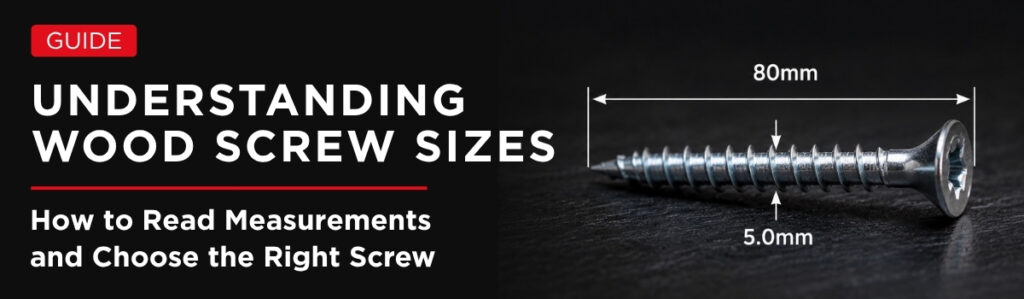
| What does a screw size like 5.0 × 80mm mean? | The first number (5.0mm) is the diameter of the screw, while the second number (80mm) is its overall length measured from beneath the head on most screw types. |
| What is a screw gauge? | A screw gauge is an older imperial sizing system. The higher the gauge number, the thicker the screw. Today, most construction screws are sold using metric measurements. |
| How do I choose the right diameter? | Larger diameter screws provide greater strength and holding power, while smaller screws are better suited to lighter-duty applications and thinner materials. |
| How do I choose the right length? | Choose a screw that's long enough to achieve a secure fixing without protruding through the material. As a general guide, aim for the screw to penetrate the base material by at least two-thirds of its length. |
Fast Fixings Tip
Most modern screws are labelled using metric measurements, making them much easier to compare. Focus on choosing the correct diameter for the strength you need and the correct length for the thickness of the materials you're fixing together.
Once you’ve chosen the correct type of wood screw, the next step is selecting the right diameter and length. Read our Wood Screw Sizes Explained guide to learn how screw measurements work and how to choose the correct size for your project.

Wood Screws
-
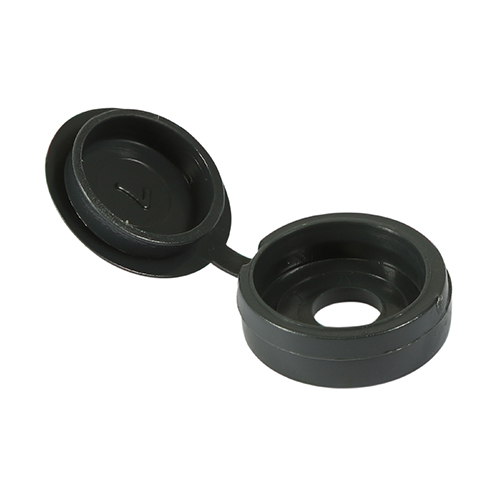
 Timco Dark Grey Hinged Screw Caps - To fit 5.0mm to 6.0mm Screw - Bag of 50
£1.58 ex VAT(£1.89 inc VAT)
Timco Dark Grey Hinged Screw Caps - To fit 5.0mm to 6.0mm Screw - Bag of 50
£1.58 ex VAT(£1.89 inc VAT)
-
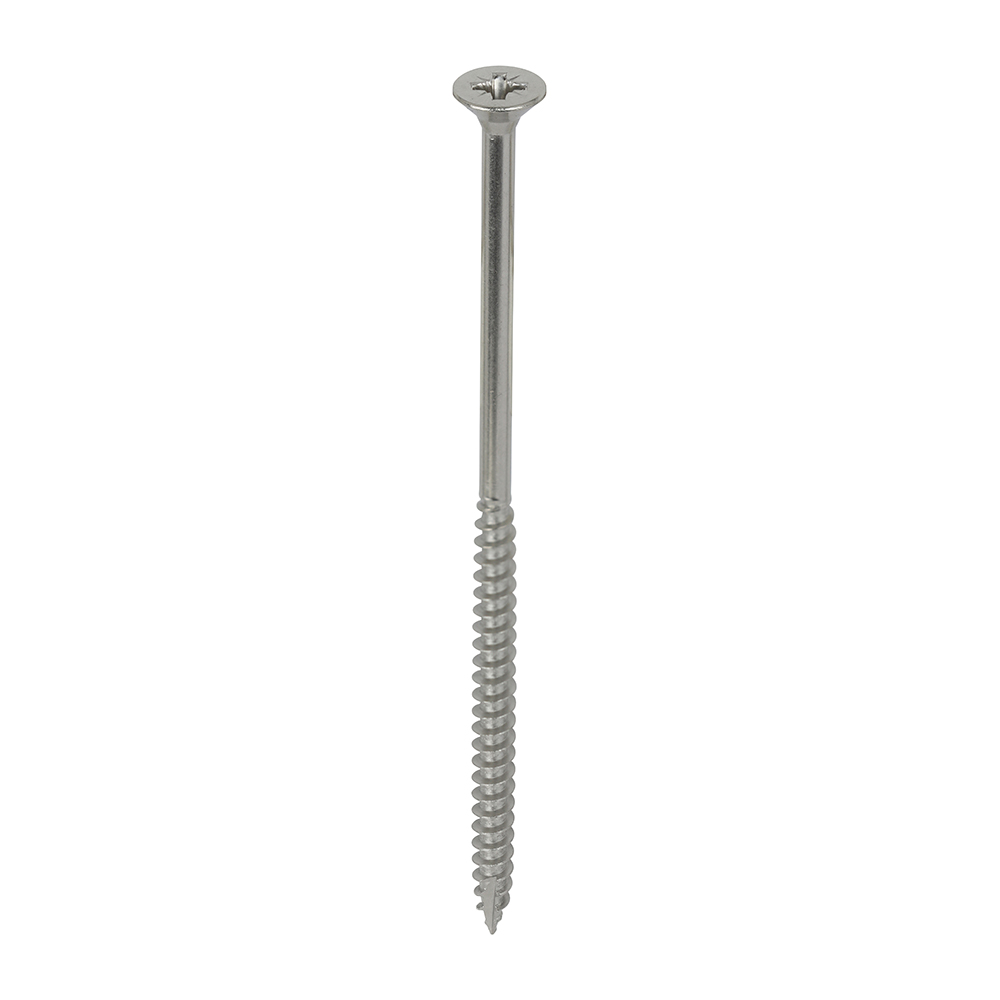
 Timco Classic A4 Stainless Steel Multi-Purpose Countersunk Screws - 6.0mm x 130mm - Box of 100
£36.41 ex VAT(£43.69 inc VAT)
Timco Classic A4 Stainless Steel Multi-Purpose Countersunk Screws - 6.0mm x 130mm - Box of 100
£36.41 ex VAT(£43.69 inc VAT)
-
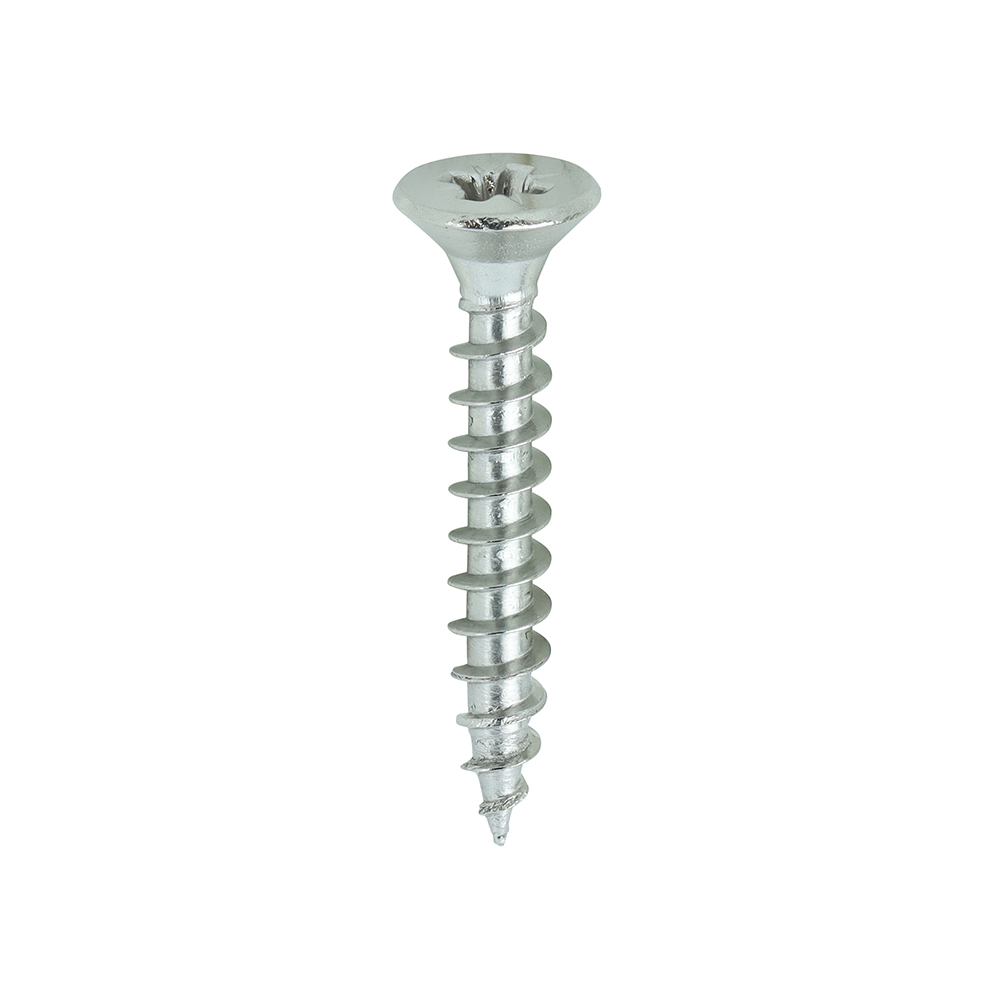
Timco Classic A2 Stainless Steel Multi-Purpose Countersunk Screws - 3.0mm x 20mm - Box of 200
£3.24 ex VAT(£3.89 inc VAT)
-
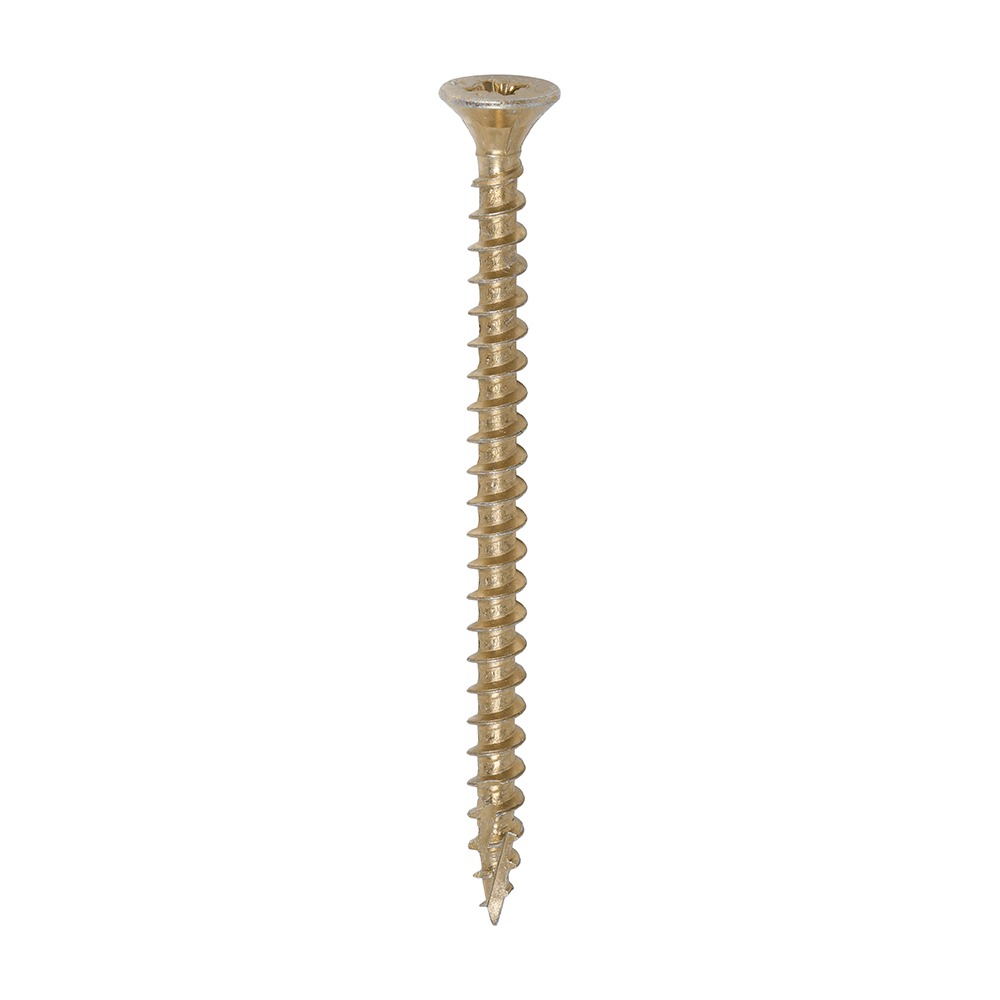
Timco C2 Strong-Fix Wood Screws - PZ - 5.0mm x 70mm - Box of 200
£6.08 ex VAT(£7.29 inc VAT)
-
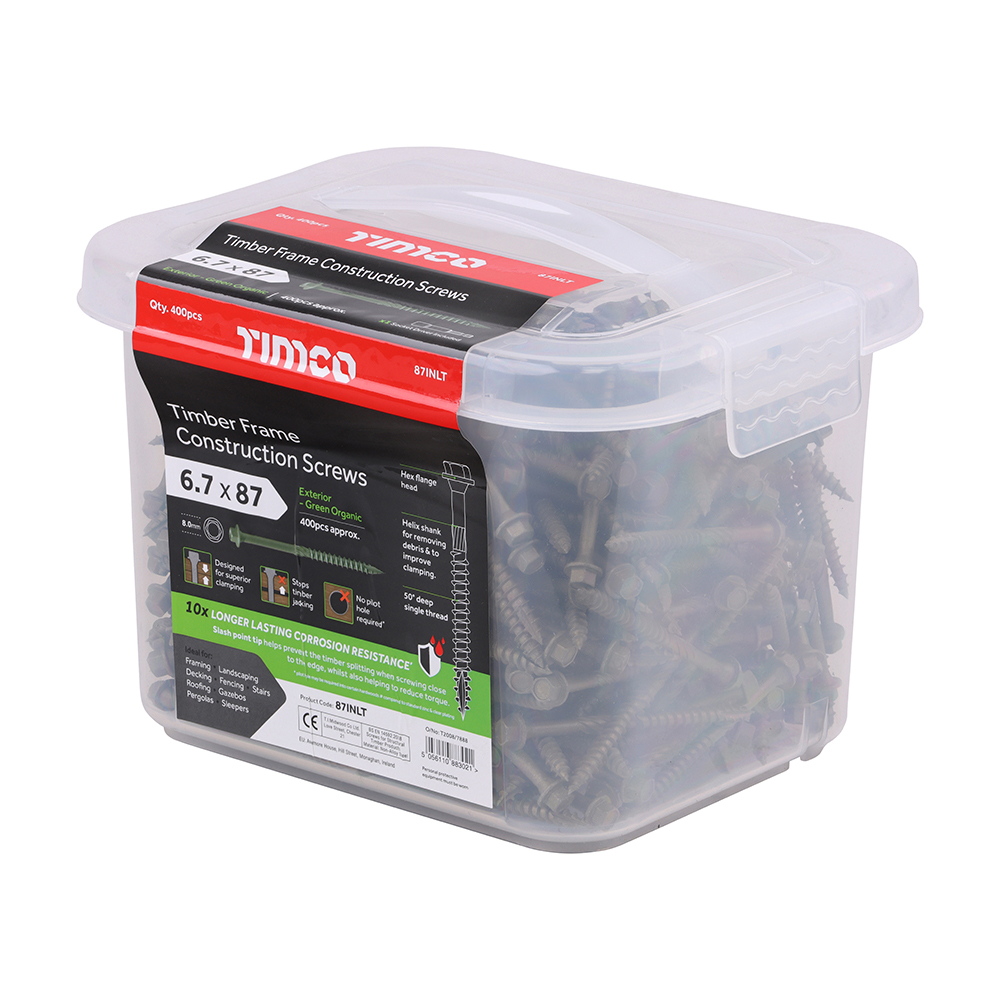
Timco Exterior Green Hex Timber Screw - 6.7mm x 87mm - Tub of 400
£54.99 ex VAT(£65.99 inc VAT)
-
Timco C2 Strong-Fix Screws Bulk Pack - 5,000 Screws (5 Sizes)
£111.66 ex VAT(£133.99 inc VAT)
-
Timco Metal Construction Sheet & Framing Screws - PH - Wafer - Self-Drilling - Zinc - 4.2mm x 13mm
£8.08 ex VAT(£9.69 inc VAT)

Ready to find the right screw?
You now know the different parts of a screw and how each one affects performance.
Browse our extensive range of high-quality screws for every project, big or small.