
 Screws
 Nails
Nails
 Fasteners & Fixings
 Adhesives & Building Chemicals
 Powertool Accessories
 Fence & Gate Hardware
 Building Supplies
 Security & Ironmongery
 Site and Access


 Hand Tools
 Painting & Decorating
 Workwear, PPE & Safety



Plasterboard Screws & Fixings: What to Use and When

On May 22, 2026
Comments Off on Plasterboard Screws & Fixings: What to Use and When
Plasterboard Screws and Fixings: What to Use and When
Choosing the right plasterboard screws and fixings helps you create a secure finish, avoid damaged boards, and select the correct fixing for timber, metal, dense board, cement board or dot and dab walls.
In this guide:
What plasterboard screws and fixings should you use?
The correct fixing depends on what you are fixing into. Plasterboard fixed to timber, metal stud, dense board and dot and dab walls all need different products.| Application | Recommended Product | Why |
|---|---|---|
| Plasterboard to timber | Coarse thread plasterboard screws | The coarse thread grips timber securely |
| Plasterboard to metal stud | Fine thread plasterboard screws | The finer thread cuts neatly into light gauge metal |
| Plasterboard to heavier metal | Self-drilling plasterboard screws | The drill point cuts into metal without a pilot hole |
| Dense plasterboard | Dense board plasterboard screws | Designed for harder board types |
| Cement board | Cement board screws | Stronger fixing with better corrosion resistance |
| Dot and dab walls | Corefix dot and dab wall fixings | Bridges the gap behind the plasterboard |

Types of plasterboard screws
Different plasterboard screws are designed for different boards and backgrounds. Choosing the right type gives a stronger hold and reduces the risk of screw pop, board damage or poor fixing strength.
Coarse thread plasterboard screws
Coarse thread plasterboard screws are used for fixing plasterboard to timber studs, battens and joists. The wider thread bites into wood and gives a strong hold.
Fine thread plasterboard screws
Fine thread plasterboard screws are used for fixing plasterboard to light gauge metal studwork. The finer thread cuts cleanly into metal without tearing the board.
Fine thread zinc plasterboard screws
Fine thread zinc plasterboard screws offer a brighter finish and are suitable for dry internal applications where a zinc plated option is preferred.
Fine thread grey plasterboard screws
Fine thread grey plasterboard screws are commonly used for metal stud applications and are available in EU specification options.
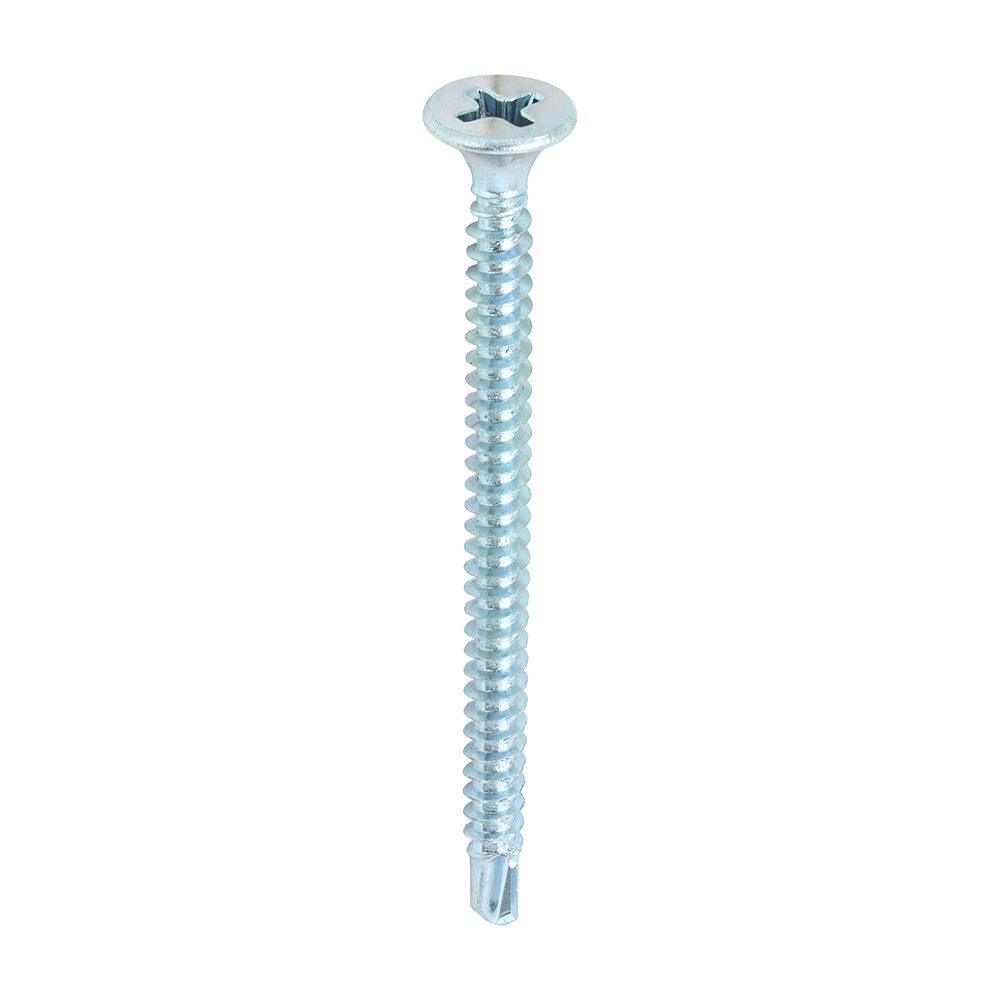
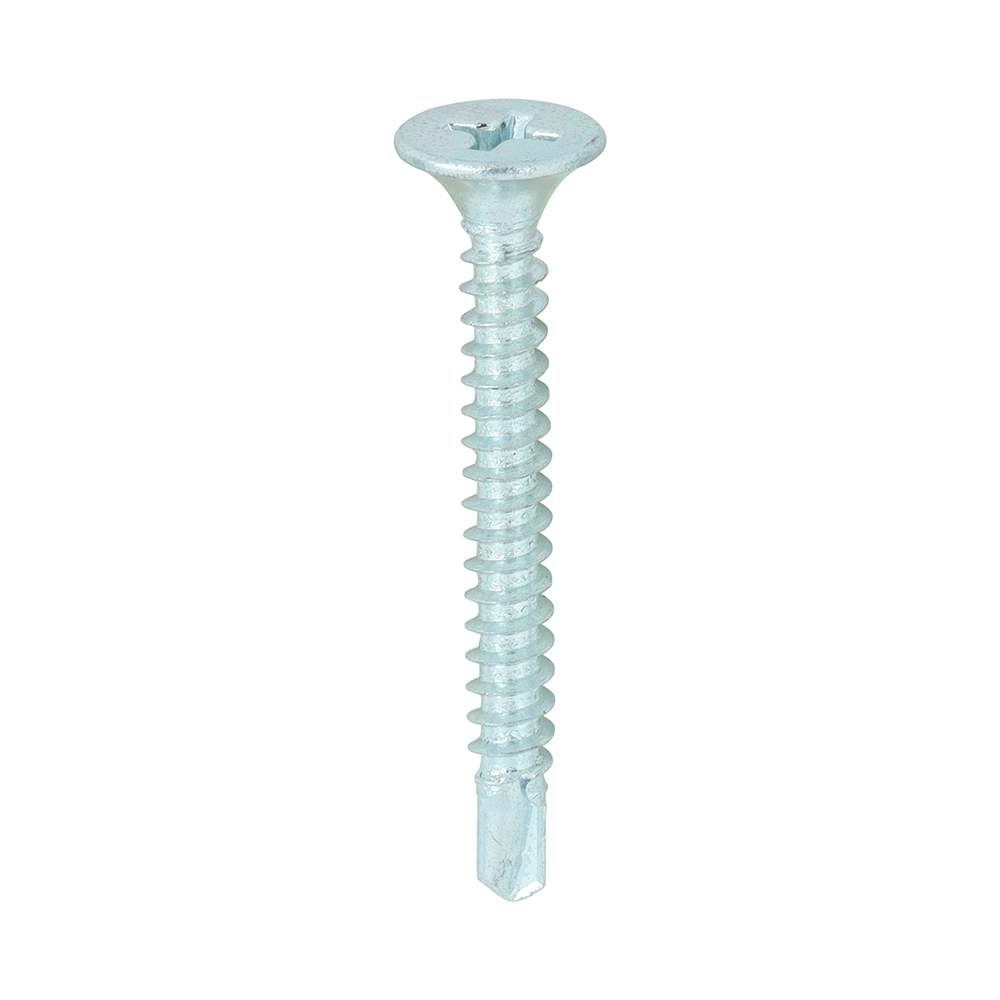
Self-drilling plasterboard screws
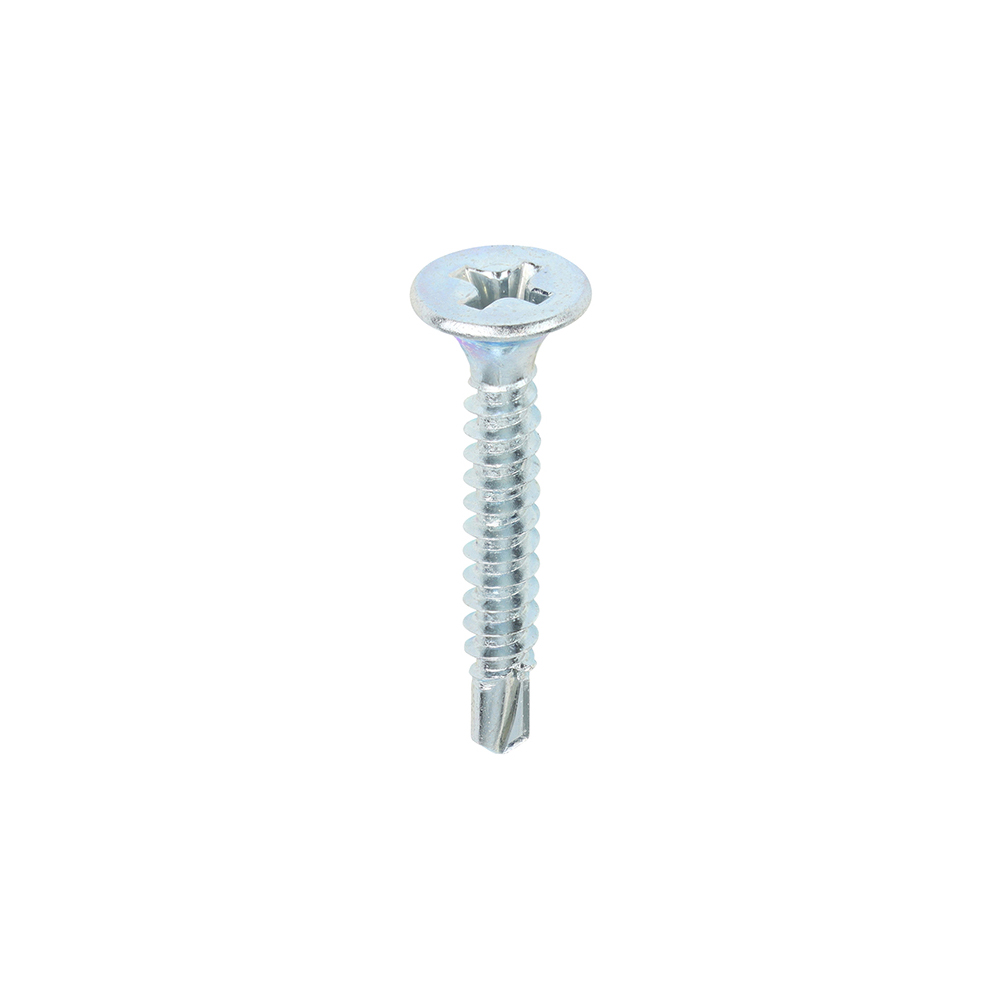
Self-drilling plasterboard screws feature a drill point, making them suitable for fixing into thicker metal sections where standard fine thread screws may struggle.
Dense board plasterboard screws
Dense board plasterboard screws are designed for harder plasterboard and specialist boards. They help create a secure fixing without excessive pressure.
Cement board screws
Cement board screws are used for fixing cement board and other specialist construction boards. Options include self-drilling cement board screws and twin-cut cement board screws.
Plasterboard Screws
-
 Timco Self-Drilling Plasterboard Screws – Zinc – PH Bugle Head – 3.5mm x 25mm
£8.58 ex VAT(£10.29 inc VAT)
Timco Self-Drilling Plasterboard Screws – Zinc – PH Bugle Head – 3.5mm x 25mm
£8.58 ex VAT(£10.29 inc VAT)
-
Timco Self-Drilling Plasterboard Screws – Zinc – PH Bugle Head – 3.5mm x 32mm
£9.58 ex VAT(£11.49 inc VAT)

Choosing the right plasterboard screw length
The screw needs to pass through the board and achieve a secure hold in the background material. If the screw is too short, it may not grip properly. If it is too long, it can be harder to drive neatly and may damage services behind the board.| Board Type | Typical Screw Length | Common Use |
|---|---|---|
| 9.5mm plasterboard | 32mm | General wall and ceiling work |
| 12.5mm plasterboard | 38mm | Standard plasterboard fixing |
| Double board applications | Longer screws required | Layered board installations |
Best fixings for plasterboard walls
Screws are used to install plasterboard, while plasterboard fixings are used to attach items to finished plasterboard walls. The right fixing depends on the wall type and the weight of the item being fitted.| Fixing Type | Best For | Typical Use |
|---|---|---|
| Corefix dot and dab wall fixings | Dot and dab walls | Shelving, brackets and heavier loads |
| Metal cavity anchors | Hollow plasterboard walls | Medium duty wall fixing |
| Spring toggles | Hollow cavities | Strong fixing behind board |
| Zip-Fix fixings | Quick plasterboard fixing | Light to medium duty fittings |
| Speed plugs | Fast installation | General light duty fixing |
| Hammer-in fixings | Quick fixing into masonry | Battens, trims and light framing |
| Multi-Fix Stella fixings | Multi-purpose use | General fixing work |
Fixing into dot and dab walls
Dot and dab walls have a gap between the plasterboard and the masonry behind it. This means standard wall plugs or screws may not provide enough support, especially for shelves, brackets or heavier fittings.
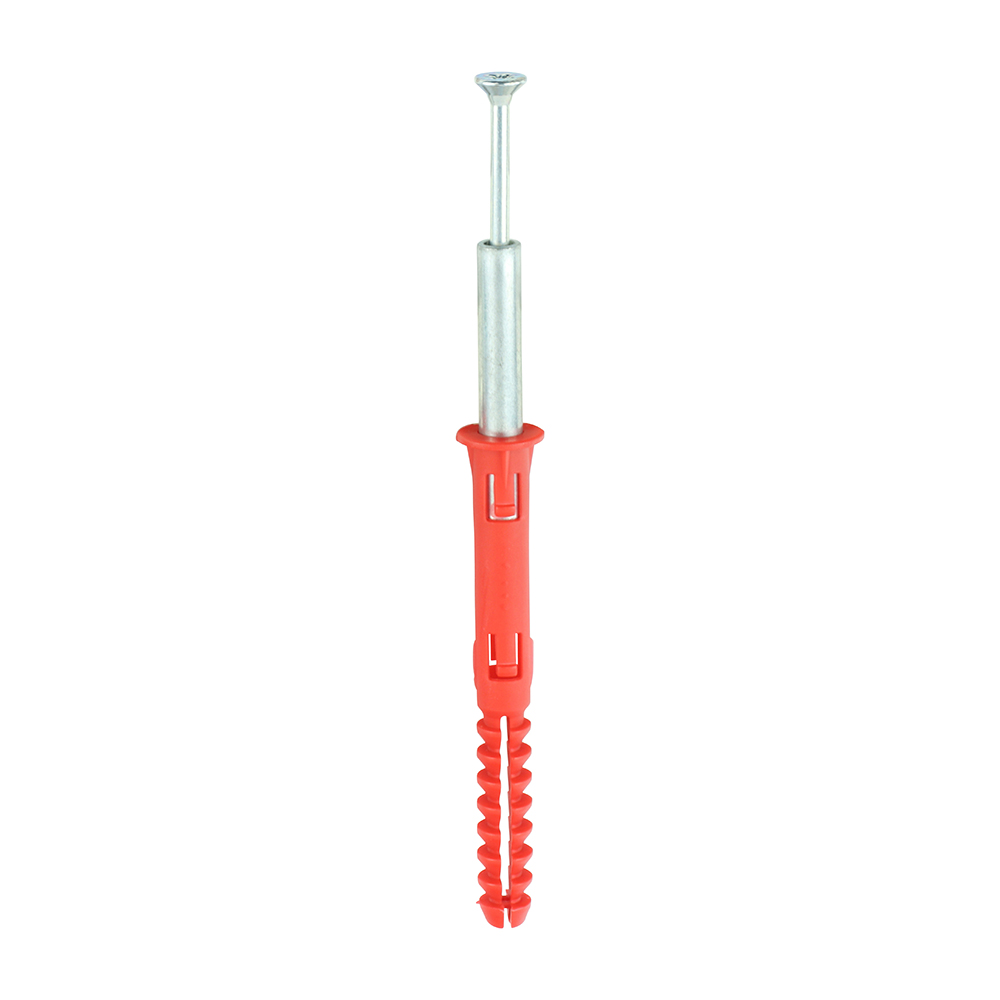
For this type of wall, use a fixing designed to bridge the cavity and anchor into the solid material behind the board. Corefix dot and dab wall fixings are designed for this purpose and help prevent the plasterboard from crushing when the screw is tightened.
Other options include spring toggles and metal cavity anchors, depending on the wall type and load.
Corefix Dot and Dab Fixings
-
Timco Corefix 100 Dot & Dab Wall Fixing - 5.0 x 100
£4.66 ex VAT(£5.59 inc VAT)
-
Timco Corefix 100 Dot & Dab Wall Fixing - 5.0 x 100
£22.24 ex VAT(£26.69 inc VAT)
-
Timco Corefix 120 Dot & Dab Wall Fixing - 5.0 x 120
£4.66 ex VAT(£5.59 inc VAT)


Finishing plasterboard edges
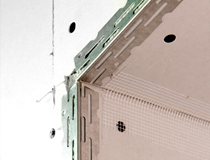
Once plasterboard is fixed, beading is used to create clean edges, reinforce corners and prepare the surface for plastering or finishing.
At Fast Fixings Online, we supply plasterboard beading in bulk, making it ideal for trade jobs, site work and larger projects where consistency, availability and cost control matter.
Beading is commonly used around corners, stops, reveals and exposed board edges, helping to improve durability and achieve a clean, professional finish.
Our plasterboard beading range includes:
- Corner beads – protect and reinforce external corners
- Plaster stop beads – create clean finishing edges
- Render stop beads – ideal for external render applications
- Movement beads – allow for expansion and reduce cracking
- Arch beads – designed for curved and arched features
- Architrave feature beads – decorative finishing detail
- Drywall feature beads – modern shadow gap and detail work
- Edge beads – protect exposed plasterboard edges
- Drywall and corner tape – reinforce joints and internal corners
- Alkaline resistant render mesh – prevents cracking in render systems
- Expanded metal lath sheets and coils – provides a strong base for plaster or render
- Rib lath sheets – ideal for ceilings and structural reinforcement
Using the correct beading helps prevent cracking, protects vulnerable edges and ensures a consistent finish across the whole installation.
Corefix Dot and Dab Fixings
-
 Standard Angle Bead - Galvanised - 2.4m - Box of 50
£83.33 ex VAT(£99.99 inc VAT)
Standard Angle Bead - Galvanised - 2.4m - Box of 50
£83.33 ex VAT(£99.99 inc VAT)
-
Standard Angle Bead - Galvanised - 3m - Box of 50
£103.33 ex VAT(£123.99 inc VAT)
-
Standard Angle Bead - Stainless Steel - 3m - Box of 50
£333.32 ex VAT(£399.98 inc VAT)
-
 Standard Angle Bead - uPVC - 2.5m x 2-3mm - Box of 25
£74.83 ex VAT(£89.79 inc VAT)
Standard Angle Bead - uPVC - 2.5m x 2-3mm - Box of 25
£74.83 ex VAT(£89.79 inc VAT)
-
Standard Angle Bead - uPVC - 2.5m x 6-10mm - Box of 25
£108.33 ex VAT(£129.99 inc VAT)
-
Mini Mesh Bead - Galvanised - 2.4M - Box of 50
£88.33 ex VAT(£105.99 inc VAT)
-
Mini Mesh Bead - Galvanised - 3M - Box of 50
£101.66 ex VAT(£121.99 inc VAT)


Common mistakes to avoid
- Using fine thread screws in timber
- Using coarse thread screws in metal studwork
- Using standard plasterboard screws for cement board
- Overdriving screws and damaging the board face
- Fixing heavy items into dot and dab walls without the correct fixing
- Using lightweight fixings for shelves, brackets or radiators
Shop plasterboard screws and fixings at Fast Fixings Online
At Fast Fixings Online, we stock a wide range of plasterboard screws and fixings for timber stud, metal stud, dense board, cement board, hollow walls and dot and dab applications.
Browse our plasterboard screws, plasterboard fixings, and plasterboard beading to find the right products for your next job.
FAQs
What screws should I use for plasterboard to timber?
Use coarse thread plasterboard screws. The wider thread gives better grip in timber studs and battens.
What screws should I use for plasterboard to metal?
Use fine thread plasterboard screws for light gauge metal studwork. For thicker metal, use self-drilling plasterboard screws.
Can you use normal screws in plasterboard?
Standard screws are not ideal for fixing plasterboard. Plasterboard screws have the correct thread and head design to hold the board securely without damaging the surface.
What fixings should I use for dot and dab walls?
Corefix dot and dab wall fixings are a strong option because they bridge the gap behind the plasterboard and anchor into the masonry behind it.
What screws should I use for cement board?
Use cement board screws. They are designed for harder boards and provide better strength than standard plasterboard screws.
Do plasterboard screws need to be flush?
The screw head should sit slightly below the surface without tearing the paper face. Overdriving can weaken the fixing and cause problems when finishing.
Plasterboard Screws and Fixings
-
Timco Self-Drilling Plasterboard Screws – Zinc – PH Bugle Head – 3.5mm x 25mm
£8.58 ex VAT(£10.29 inc VAT)
-
Timco Self-Drilling Plasterboard Screws – Zinc – PH Bugle Head – 3.5mm x 32mm
£9.58 ex VAT(£11.49 inc VAT)
-
Timco Self-Drilling Plasterboard Screws – Zinc – PH Bugle Head – 3.5mm x 38mm
£10.83 ex VAT(£12.99 inc VAT)
-
Timco Self-Drilling Plasterboard Screws – Zinc – PH Bugle Head – 3.5mm x 42mm
£12.08 ex VAT(£14.49 inc VAT)
-
Timco Self-Drilling Plasterboard Screws – Zinc – PH Bugle Head – 3.5mm x 50mm
£14.83 ex VAT(£17.79 inc VAT)
-
Timco Self-Drilling Plasterboard Screws – Zinc – PH Bugle Head – 3.5mm x 55mm
£8.49 ex VAT(£10.19 inc VAT)