Screws
 Nails
Nails
 Fasteners & Fixings
 Adhesives & Building Chemicals
 Powertool Accessories
 Fence & Gate Hardware
 Building Supplies
 Security & Ironmongery
 Site and Access

 Hand Tools
 Painting & Decorating
 Workwear, PPE & Safety


How to Unscrew a Tight Screw (and Remove a Rounded Screw)

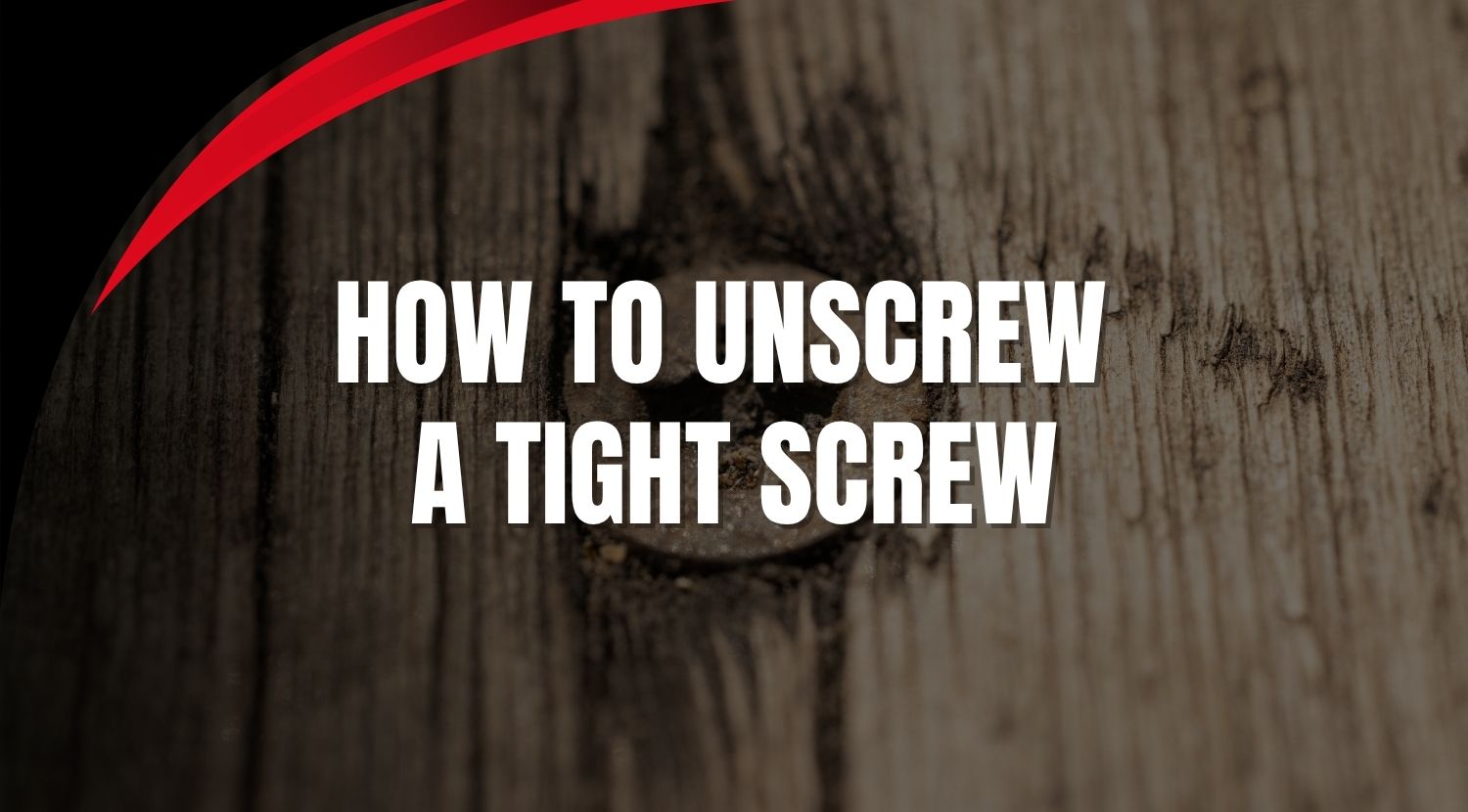



Tight or seized screws are usually caused by:
Understanding the cause helps you choose the right method and avoid damaging the fixing.
Knowing how to unscrew a tight screw correctly can prevent damage and save time on site.
If you’re regularly working with metal or timber fixings, using the right screws from the start makes a big difference. Browse our range of wood screws, self drilling screws and self tapping screws for reliable performance.

| Method | Best For | How It Works |
|---|---|---|
| Rubber band | Light rounding | Adds grip between bit and head |
| Torx bit (hammered in) | Moderate damage | Creates a new bite point |
| Locking pliers | Exposed head | Grips the outside of the screw |
| Screw extractor | Severely rounded | Drills in and reverses the screw out |
| Cut a slot | Flat access | Turns it into a flathead screw |
| Situation | Recommended Method |
|---|---|
| Tight but undamaged screw | Correct bit + penetrating oil |
| Rusty screw | Oil + tapping or impact driver |
| Partially rounded head | Rubber band or Torx bit |
| Fully rounded head | Extractor or pliers |
If you need to know how to unscrew a tight screw, start with the correct tool, apply steady pressure, and use penetrating oil where needed.
If the head becomes damaged, knowing how to remove a rounded screw using grip-based methods or extractors will save time and prevent further issues.
What is the easiest way to unscrew a tight screw?
Use the correct screwdriver, apply firm pressure, and use penetrating oil if needed.
How do you remove a rounded screw?
Use a rubber band, hammer in a Torx bit, or use a screw extractor.
Will WD-40 loosen a stuck screw?
Yes, it helps reduce rust and friction, making removal easier.
What tool removes damaged screws?
A screw extractor or locking pliers are the most effective options.
No account yet?
Create an AccountSign up to our newsletter and get your first order discount code straight to your inbox.
*Some exclusions apply

We use cookies to ensure our website functions correctly and securely. Some cookies are strictly necessary, while others help us understand how visitors interact with the site so we can improve content, features, and performance. You’re in control – adjust your preferences at any time.
Already have an account? Login
Become a VIP member for free and unlock exclusive discounts.
Bronze1% Discount off EVERY order Silver2.5% Discount off EVERY order Gold4.5% Discount off EVERY order Platinum7% Discount off EVERY order Titanium10% Discount off EVERY orderAlready have an account? Login
Already have an account? Login
Already have an account? Login
Already have an account? Login
Already have an account? Login