
Advice

Construction Site Surface Protection: A Complete Guide to Protecting Floors, Carpets & Glass

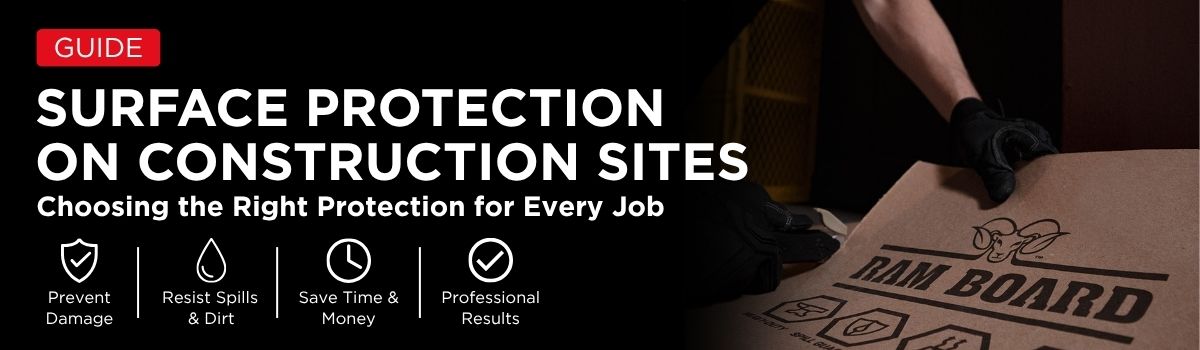
Surface protection on a construction site using Ram Board to protect floors during building and renovation work.

Introduction

Whether you're carrying out a home renovation, decorating a single room or managing a large construction project, protecting finished surfaces should never be an afterthought. Floors, carpets, stairs and glass are often some of the last elements completed, making them particularly vulnerable to damage from ongoing work.

Paint splashes, plaster, mud, dropped tools and constant foot traffic can quickly turn a finished surface into an expensive repair job. Fortunately, temporary surface protection products are designed to prevent this, helping keep projects on schedule while reducing cleaning time and costly remedial work.

From self-adhesive carpet protection film to heavy-duty floor protection boards such as Ram Board® and Antinox®, there's a solution for almost every surface and every stage of a project.

In this guide, we'll explain the different types of construction site surface protection, when to use them, and how to choose the right product for your job.

Infographic explaining why surface protection matters on construction sites, including damage prevention, spill resistance, time savings and environmental benefits.
Surface Recommended Protection Typical Applications
Carpet Carpet protection film Painting, decorating, refurbishments & house moves
Laminate & Wood Floors Hard floor protection film Decorating, flooring projects & renovations
Tiles & Vinyl Film or protection board Bathrooms, kitchens & commercial premises
New Floors During Construction Ram Board® High-traffic construction sites & new builds
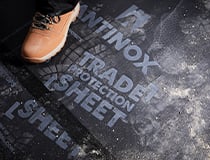
Commercial Fit-Outs Antinox® Protection Board Walls, floors, doors & lift interiors
Glass & Windows Glass protection film Decorating, plastering & glazing work
Staircases Stair protection or carpet film Busy access routes during construction & renovation
1

Carpet Protection

Carpets are one of the easiest surfaces to damage during decorating and building work. Dust, plaster, paint, mud and repeated foot traffic can quickly leave permanent marks, especially on light-coloured carpets.

Using a dedicated carpet protection film provides a simple and effective way to keep carpets clean throughout the project.

Unlike loose dust sheets that can move underfoot, carpet protection film uses a low-tack adhesive designed specifically for carpet fibres. Once applied, it stays securely in place while creating a waterproof barrier against spills and dirt.

Waterproof barrier protects against spills and dirt
Stays securely in place – no slipping or bunching
Quick and easy one-person application
Removes cleanly with no residue for up to 30 days
Ideal for painting, plastering, renovations & more

Our Recommended Carpet Protection Products
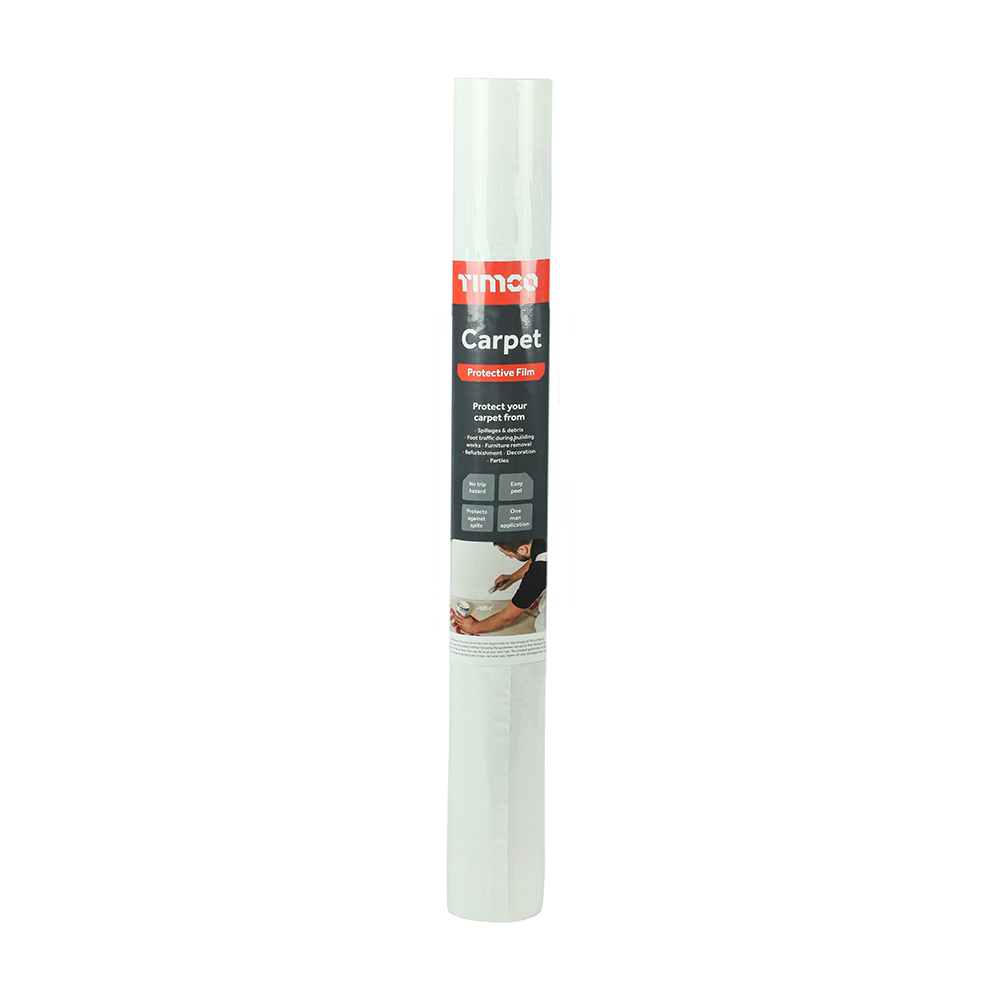
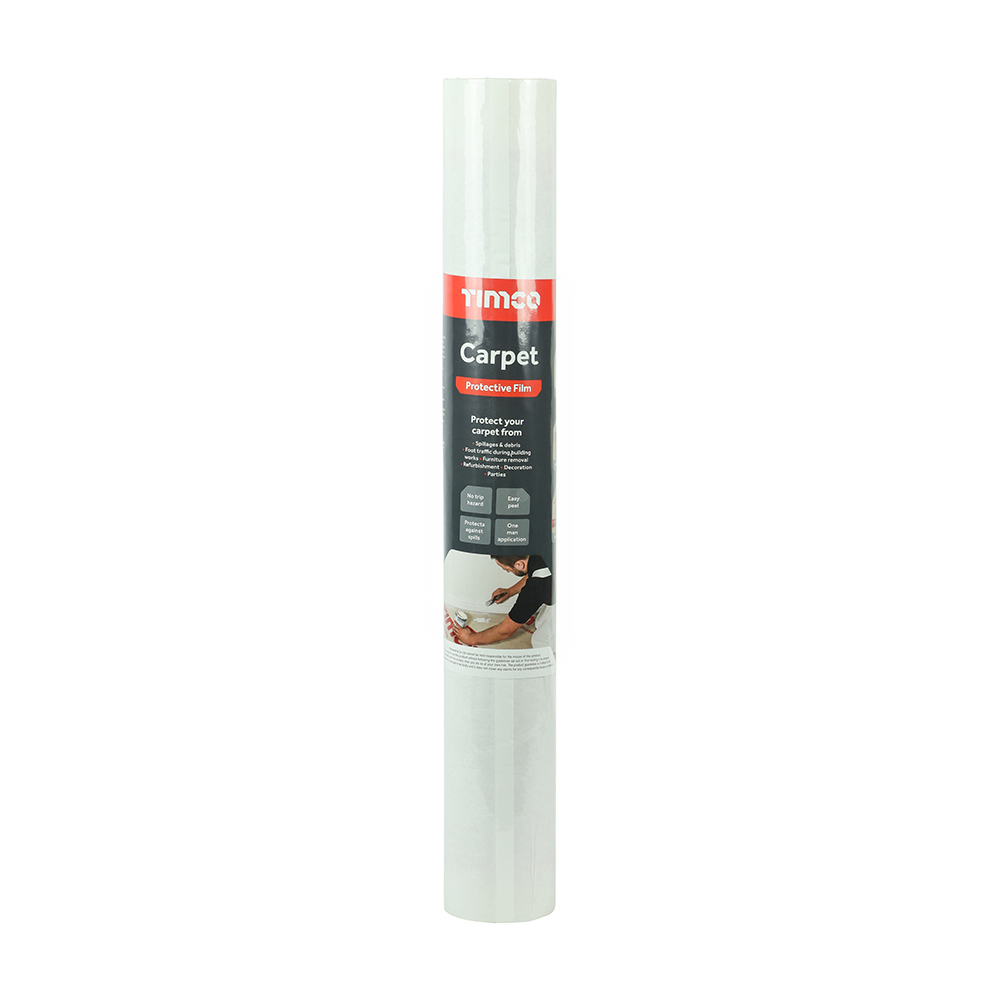
Timco Carpet Protection Film roll for protecting carpets during decorating and construction work.

Timco Carpet Protection Film

Reverse-wound for fast application. Protects carpets from spills, dirt and foot traffic while removing cleanly with no residue.

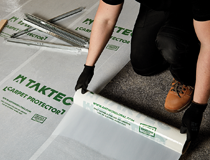
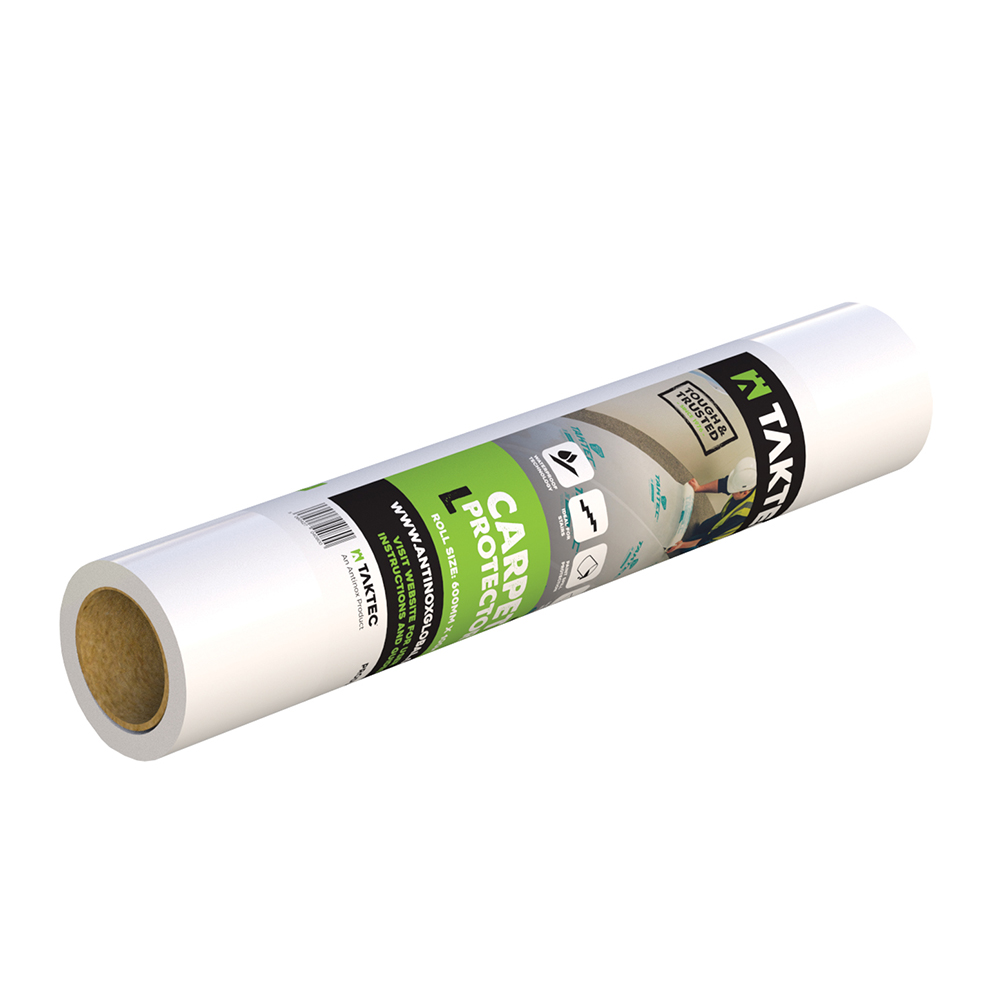
Taktec Carpet Protector roll for protecting carpets from dirt, spills and heavy foot traffic.

Taktec® Carpet Protector

Heavy-duty carpet protection film with an anti-slip design. The white film makes damage easy to spot and removes cleanly after use.

Choosing the Right Carpet Protection Film

The right carpet protection will depend on the size, duration and demands of your project.

Recommended for everyday projects

Timco Carpet Protection Film

Up to 30 Days

A practical choice for decorating, home improvements and general building work.

Paint
Dust
Dirt
Debris
Foot traffic
Minor spills

Quick to apply: The reverse-wound design allows easy one-person installation and clean removal without adhesive residue.

CARPETED STAIRS?

Use carpet protection film on stairs to help prevent wear, dirt and damage from constant foot traffic.
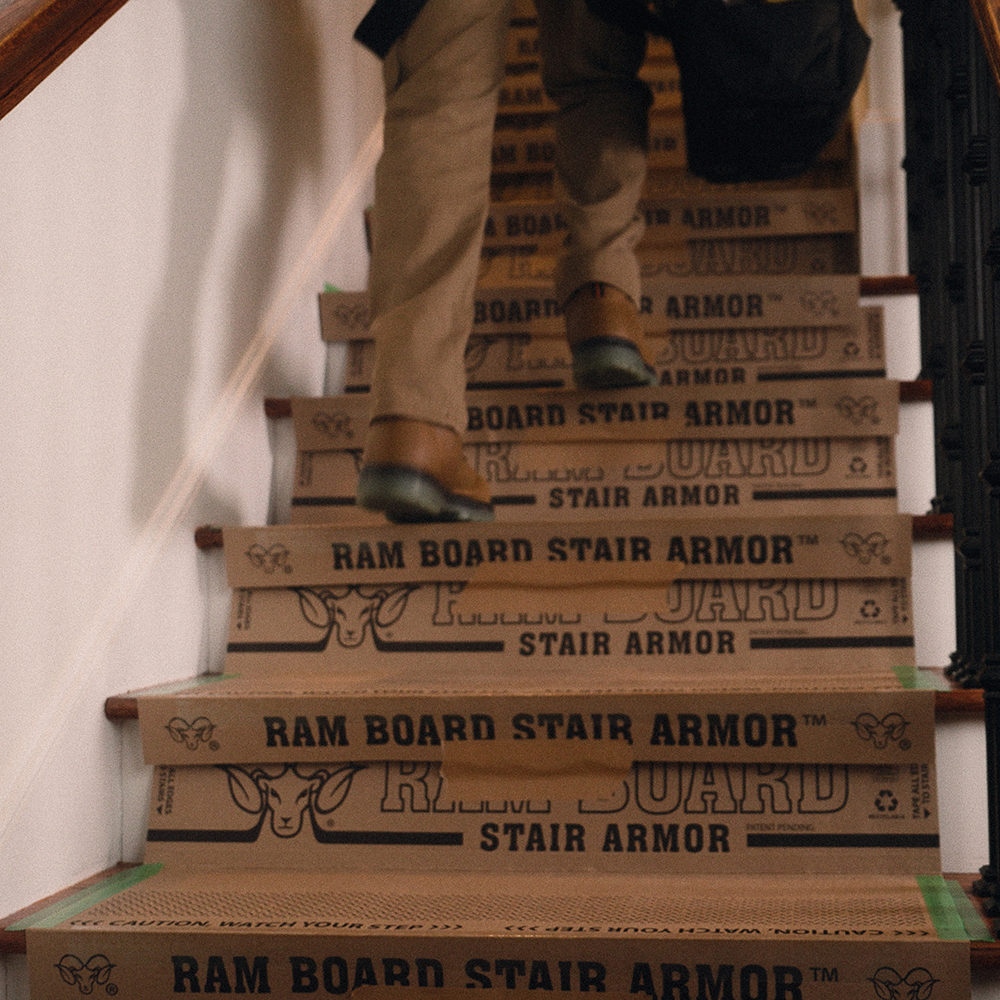
Carpeted stairs protected with Ram Board Stair Armor during construction and decorating work.
2

Hard Floor Protection

Finished hard floors can be surprisingly vulnerable during construction and decorating work. Timber flooring, laminate, vinyl, engineered wood and ceramic tiles are all susceptible to scratches, paint spills and damage from tools or heavy foot traffic.

Using a dedicated hard floor protection film provides a secure barrier that stays firmly in place throughout the project, helping preserve the finished appearance of the floor.

Unlike traditional dust sheets, self-adhesive hard floor protection won’t slide around as people walk across it, making it a safer option on busy sites.

Hard Floor Protection is Commonly Used During:

Decorating
Kitchen Installations
Flooring Projects
Property Renovations
House Moves
Commercial Fit-Outs
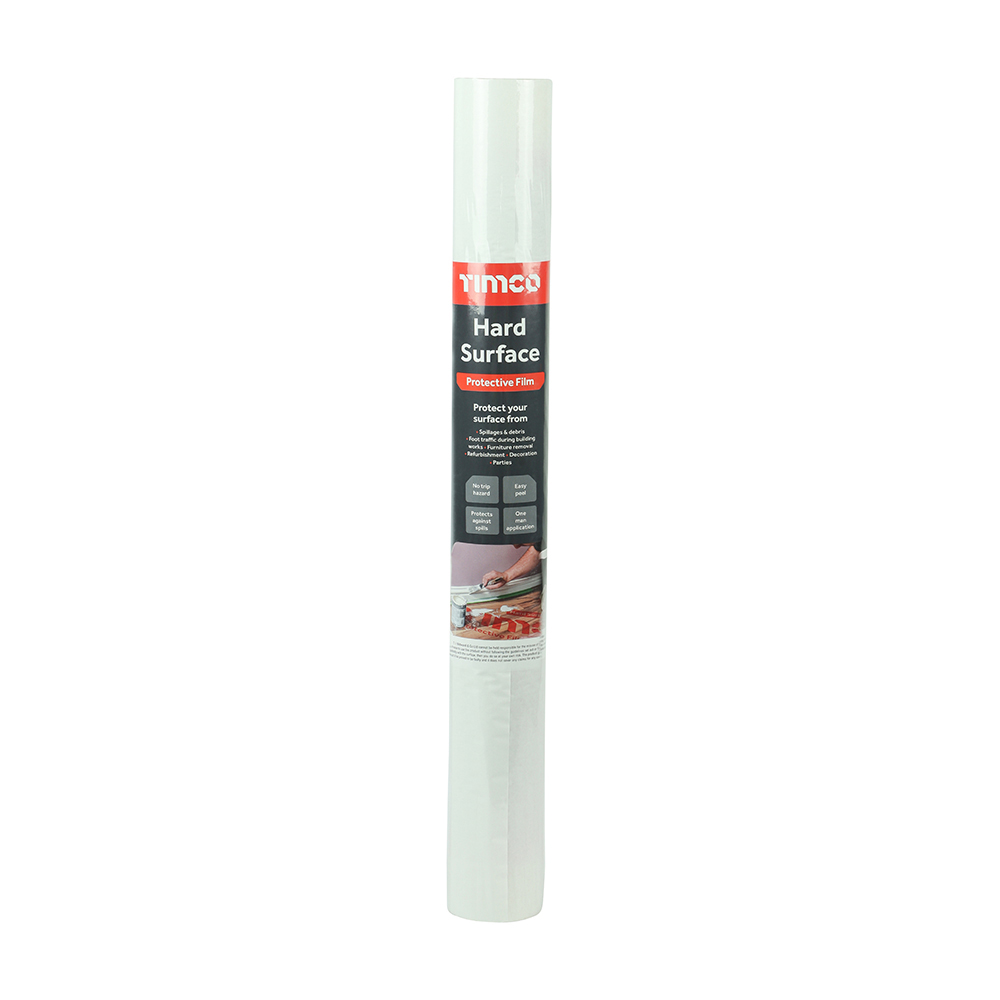
Timco Hard Surface Protection Film roll for protecting carpets during decorating and construction work.

Timco Hard Surface Protection Film

Self-adhesive film offering quick installation, waterproof protection and clean removal up to 30 days.

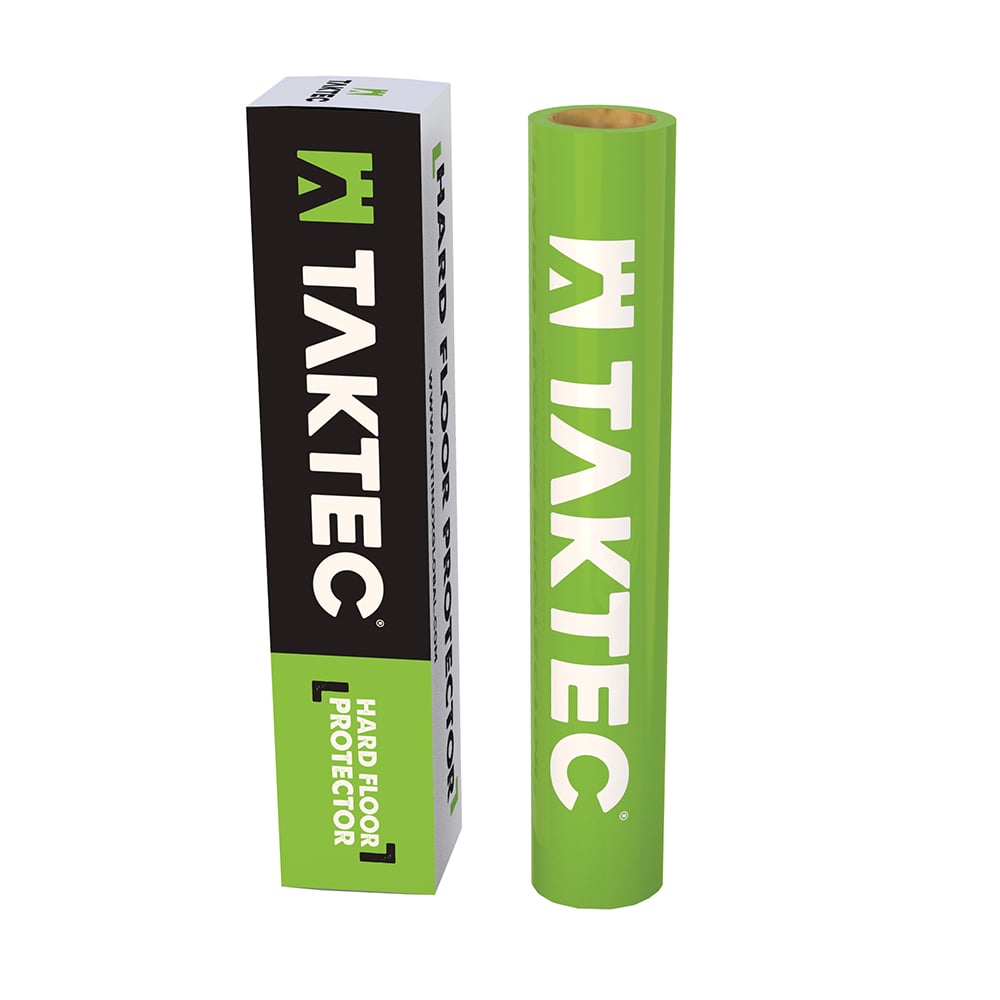
Taktec Hard Floor Protector roll for protecting hard floors from dirt, spills and heavy foot traffic.

Taktec® Hard Floor Protector

Adds additional anti-slip performance and is suitable for wood, laminate, tiles and finished worktops.

*

Choosing the Right Hard Floor Protection

For most decorating and renovation work, self-adhesive protection films provide excellent protection against:

Paint
Dust
Foot traffic
Mud
Minor impacts
Spills
!

Important: Timco Hard Surface Protection Film is not suitable for marble. Always check product guidance before applying adhesive protection to specialist floor finishes.

Trade Tip

Before applying any protection film, ensure the floor is clean, dry and free from loose dust. This helps the adhesive bond properly and reduces the chance of dirt becoming trapped underneath.

3

Heavy Duty Floor Protection

While self-adhesive protection films are ideal for decorating and lighter refurbishment work, larger construction projects often require a more robust solution.

Heavy-duty protection boards are designed to withstand constant foot traffic, ladders, moving equipment and the everyday demands of busy construction sites, helping to keep finished surfaces in excellent condition.

Two popular options are Ram Board®, a contractor-grade rolled floor protection, and Antinox® Protection Board, a rigid sheet material suitable for protecting floors, walls, doors, worktops and other finished surfaces during construction and commercial fit-outs.

Why Choose Ram Board®?

Spill Guard® technology helps resist water, mud and paint.

Vapor-Cure™ technology allows newly installed floors to continue curing naturally.

Wall Guard™ folds upwards to help protect skirting boards during decorating.

Flex-Fiber™ technology helps the board lay flat quickly.

Manufactured from 100% recycled materials.

Reusable and recyclable.

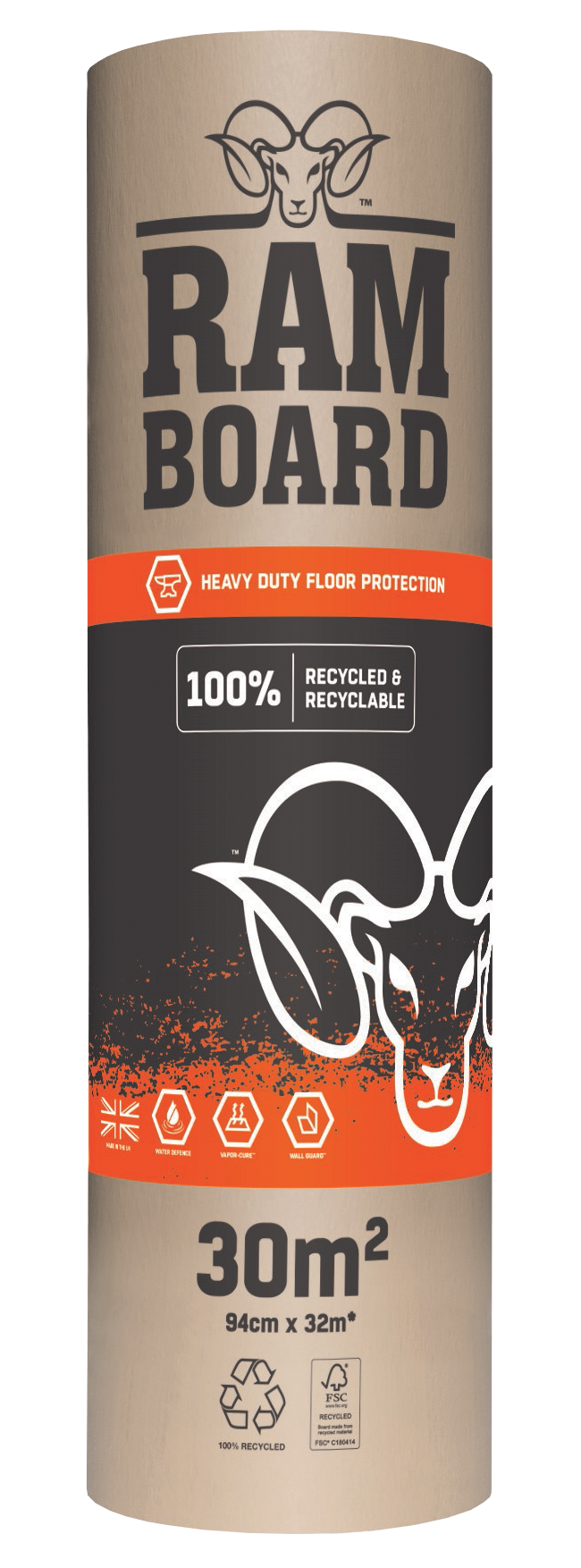
Ram Board heavy duty floor protection roll

Ram Board® Floor Protection

Contractor-grade floor protection providing excellent impact resistance while remaining lightweight, breathable and easy to install.

Best Suited For

New build properties
Commercial refurbishments
Office fit-outs
Schools
Hospitals
High-traffic sites
Newly installed flooring
View Ram Board® Floor Protection

Why Choose Antinox®?

Lightweight and easy to transport around the site.

Waterproof construction helps protect surfaces from spills and moisture.

Impact-resistant material provides dependable protection on busy sites.

Easy to trim with a utility knife to suit different surfaces and spaces.

Reusable across multiple projects to help reduce cost and waste.

Manufactured from recycled materials.

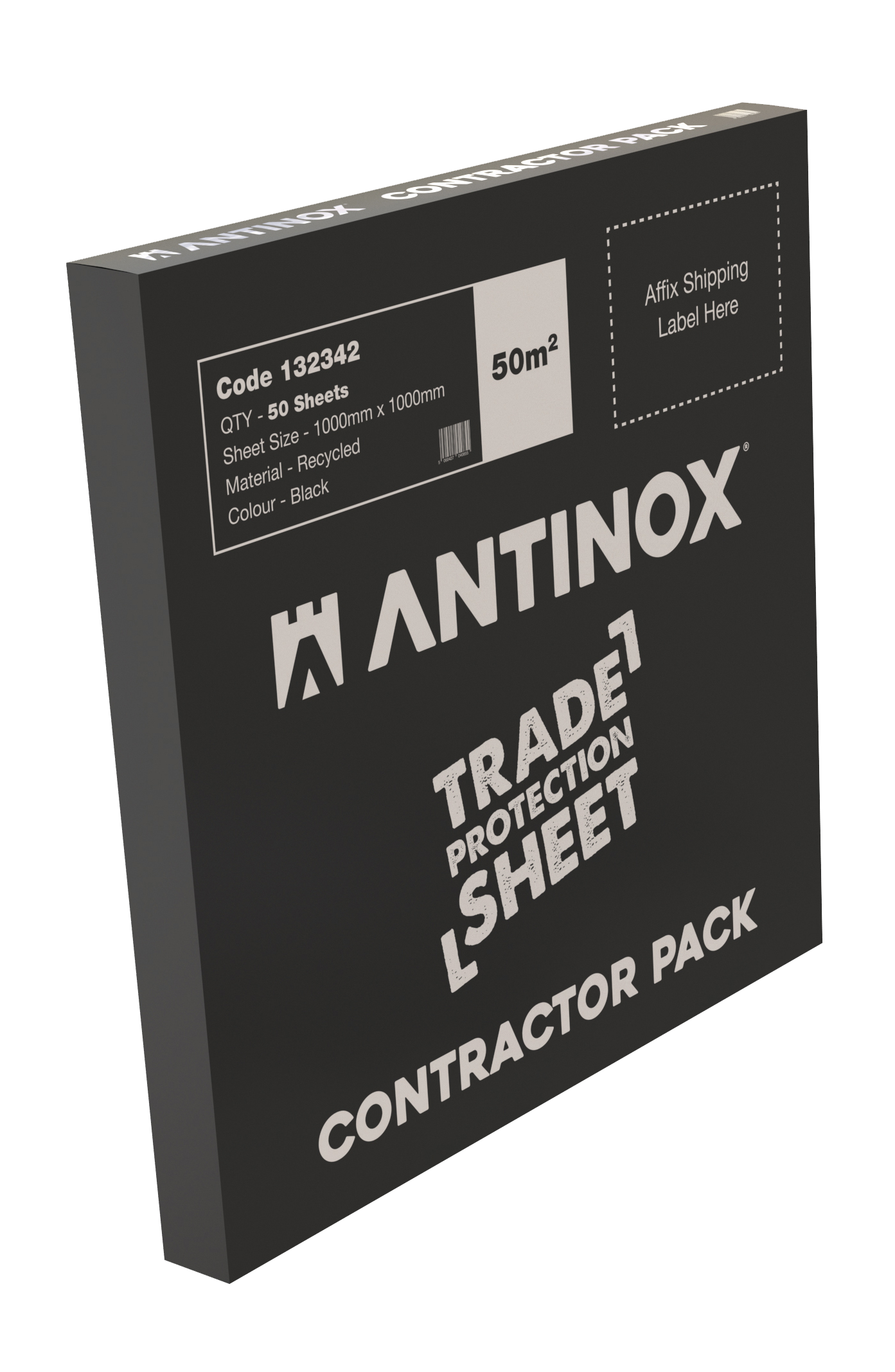
Antinox recycled protection board sheets

Antinox® Protection Board

Lightweight, waterproof and impact-resistant protection boards suitable for safeguarding a wide variety of finished surfaces during construction and refurbishment work.

Best Suited For

Floors
Walls
Doors
Lift interiors
Corridors
Finished joinery
Worktops and fitted surfaces
View Antinox® Protection Board

Installation Tip

Because it comes in rolls, Ram Board® is particularly effective for long hallways, corridors and open floor areas where continuous protection is required.

For best results, secure the joins and edges using the correct Ram Board® tape to help prevent movement throughout the project.

Ram Board floor protection installed along a construction site corridor

Choose the Right Ram Board® Tape

Using the correct tape helps keep the protection secure while supporting a clean, professional installation.

Ram Board® Seam Tape

Contractor-grade tape for securely joining Ram Board® seams.

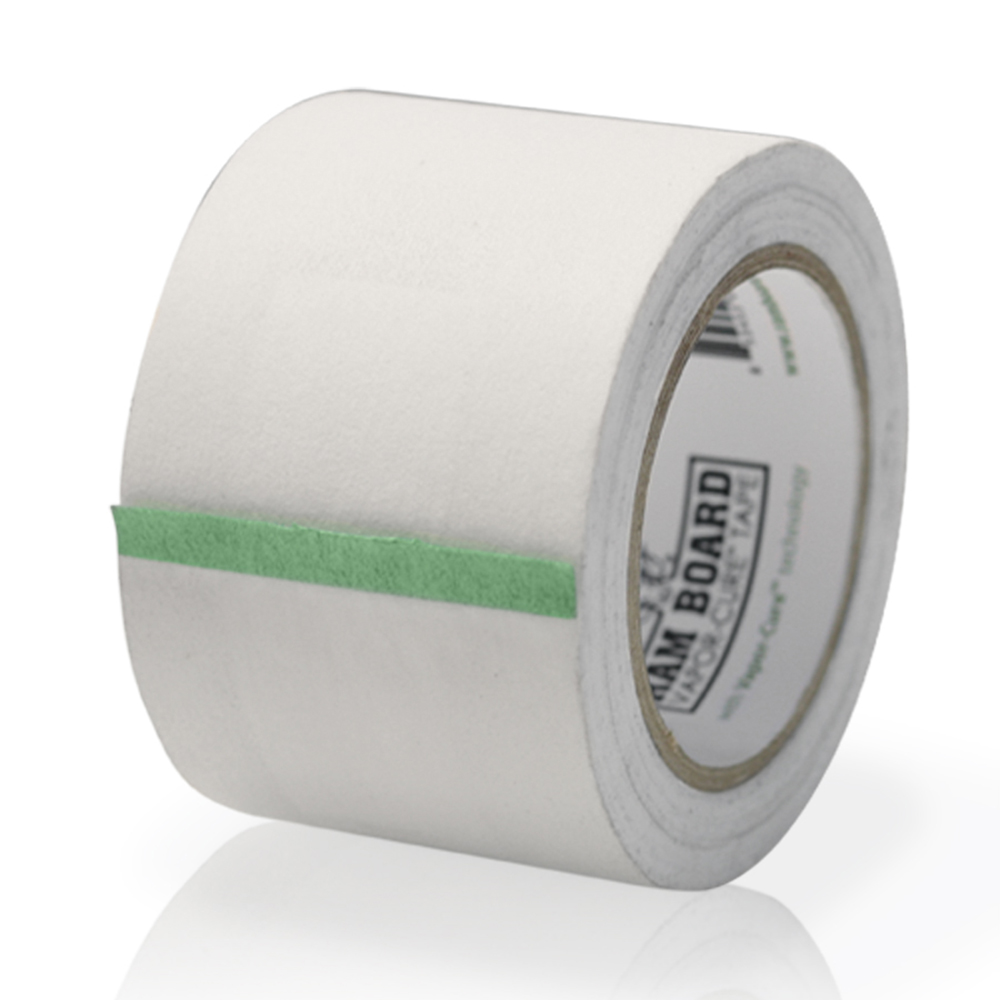
Ram Board® Vapor-Cure Tape

Breathable seam tape designed to help curing floors release moisture evenly.

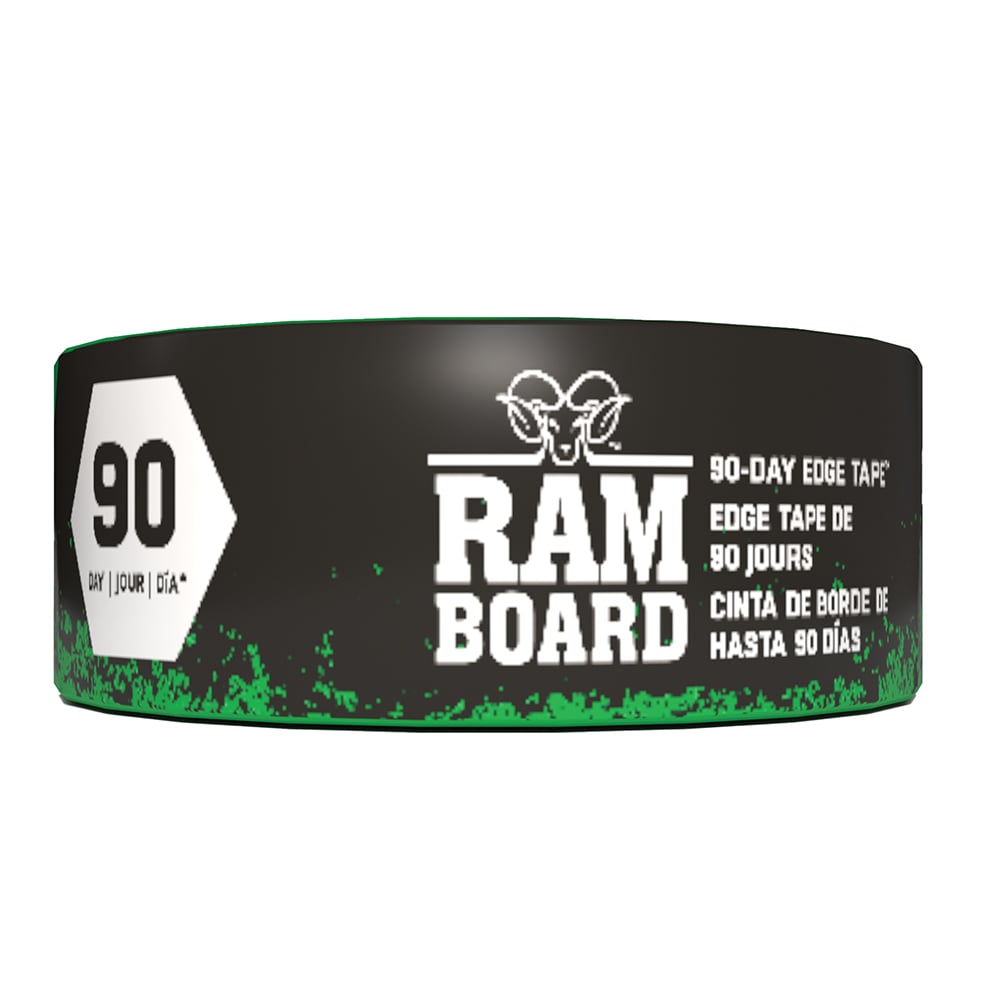
Ram Board® 90-Day Edge Tape

High-tensile edge tape with clean removal for projects lasting up to 90 days.

View Ram Board® Tapes

Ram Board® vs Antinox®

Not sure which heavy-duty protection board is right for your project? Both products offer excellent protection, but they’re designed for slightly different applications.

Feature Ram Board® Antinox®
Format Roll Rigid sheets
Best For Large floor areas Multiple surfaces
Walls & Doors
Long Corridors Suitable
Easy to Cut
Reusable
Water Resistant ✔ Spill Guard® ✔ Waterproof
Ideal Projects New builds Flooring Commercial refurbishments Fit-outs Walls & doors Worktops & joinery
Our recommendation: Choose Ram Board® when you need continuous floor protection across large areas or newly installed floors. Choose Antinox® when you need a versatile protection board that’s easy to cut and ideal for walls, doors, worktops and detailed fit-out work.
4

Glass Protection

Windows, glazed doors and glass panels can easily become marked or damaged during decorating, plastering, rendering and refurbishment work. Paint splashes, plaster, dust and general site debris can all create additional cleaning work and may scratch the surface if not removed carefully.

Using a dedicated glass protection film provides a simple and effective way to keep glazed surfaces protected while work is taking place.

The self-adhesive film is applied directly to clean, dry glass, creating a temporary barrier against paint, plaster, dust and construction debris. It remains transparent enough to allow natural light into the building and can be removed cleanly once the project is complete.

Protects against paint, plaster, dust and construction debris
Suitable for windows, glazed doors and other glass surfaces
Allows natural light to pass through while the glass is covered
Quick and easy to apply directly to clean, dry glass
Ideal for decorating, plastering, renovations and building work

Our Recommended Glass Protection Products

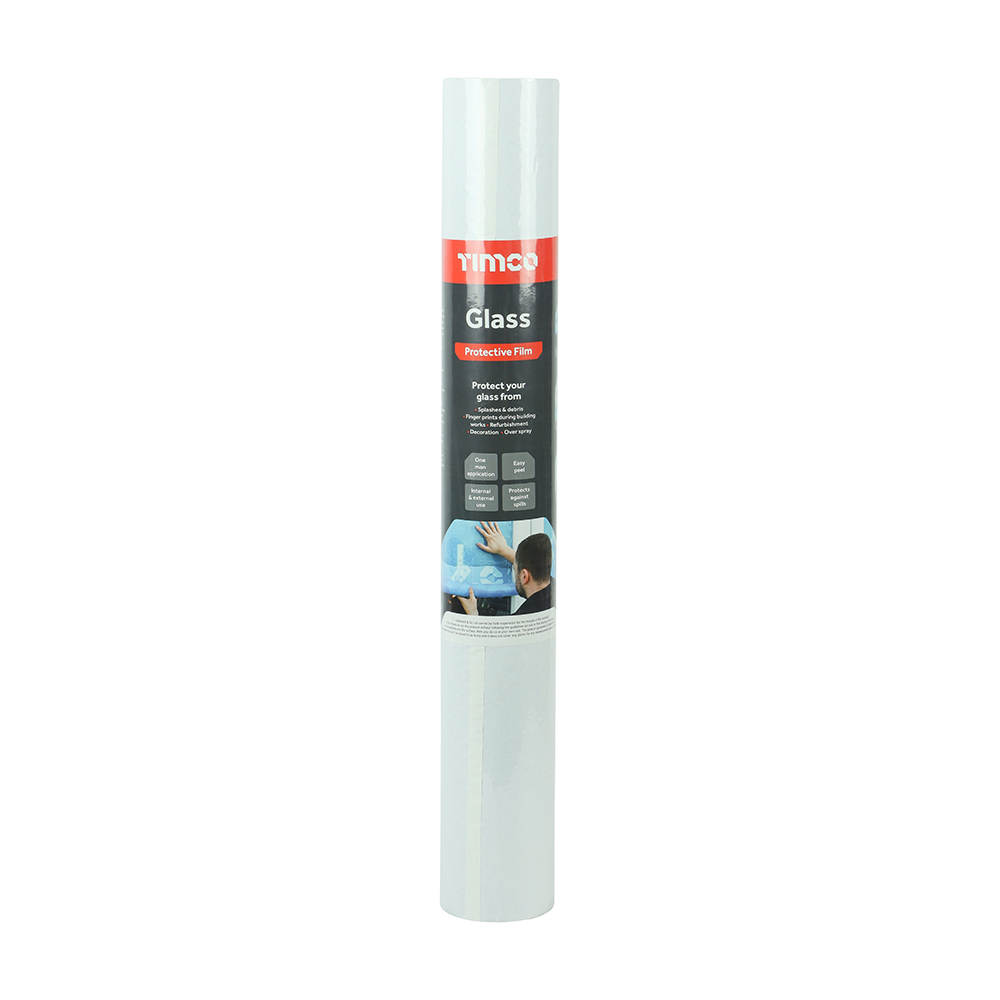
Timco protective film for protecting windows and glass during decorating and construction work.

Timco Glass Protection Film

Reverse-wound film for quick application to internal and external glass. Protects against paint, plaster, dust and debris and removes cleanly for up to 30 days.

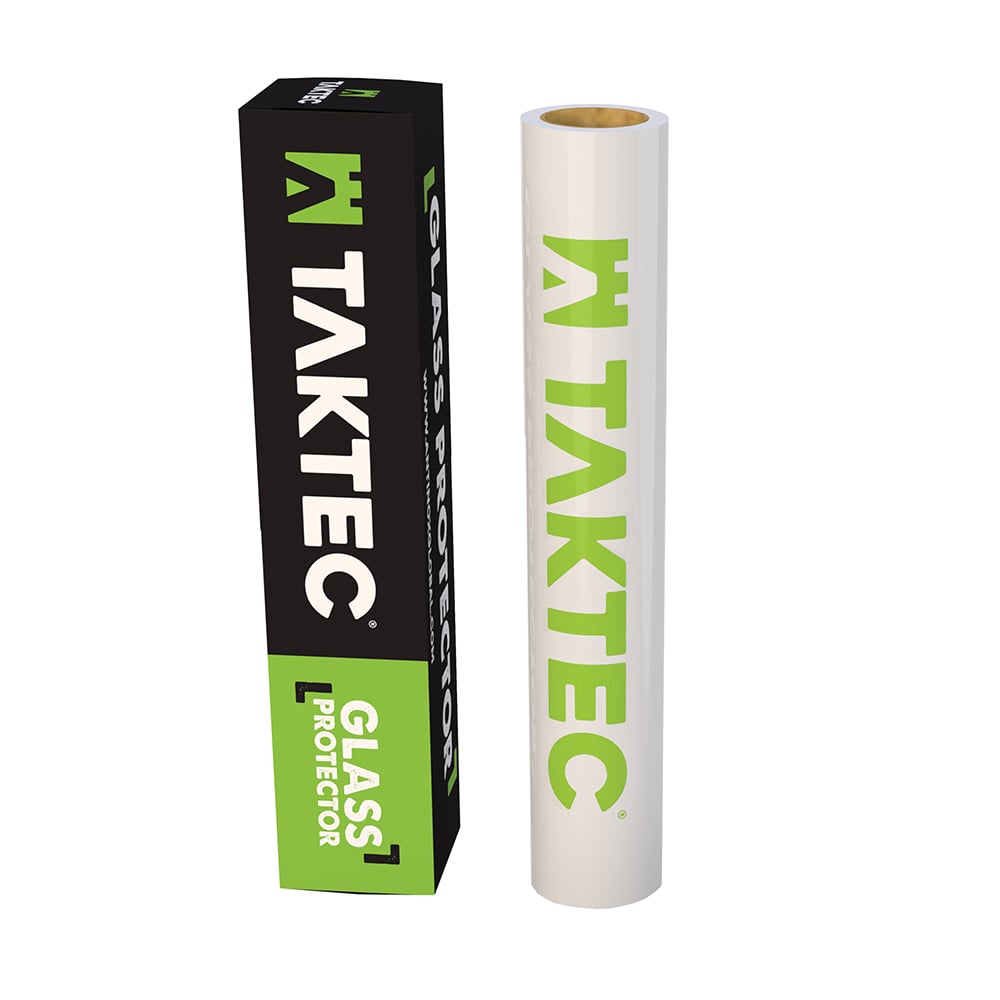
Taktec Glass Protector roll for protecting glazed surfaces during decorating, renovation and construction work.

Taktec® Glass Protector

A heavy-duty 100m protection film for larger areas of glazing. Suitable for internal and external use, with a low-tack adhesive that removes cleanly after use.

Which Glass Protection Film Should You Choose?

Both options provide reliable temporary protection for glazed surfaces, but the best choice will depend on the size and layout of your project.

Choose Timco Glass Protection Film

Ideal when several shorter rolls are more practical for individual rooms, windows or separate areas of a project.

Choose Taktec® Glass Protector

Better suited to larger glazed areas where a continuous 100m roll offers faster application and fewer joins.


Trade Tip

Before applying glass protection film, make sure the surface is completely clean and dry.

Dust, grit or moisture trapped underneath can affect adhesion and may mark or scratch the glass when the film is removed.

5

Choosing the Right Surface Protection

Different projects require different types of protection. Use the guide below to help choose the most suitable product for the surface you’re protecting.

If You’re Protecting… Recommended Product Why?
Carpets Carpet Protection Film Low-tack adhesive stays in place and protects against dirt, paint and spills.
Hard Floors Hard Surface Protection Film Protects timber, laminate, vinyl and tiles while remaining secure underfoot.
New Floors & Large Areas Ram Board® Heavy-duty protection for long corridors, commercial sites and new floor finishes.
Floors, Walls, Doors & Worktops Antinox® Protection Board Lightweight rigid sheets that can be cut to size and used across a wide range of surfaces.
Windows & Glass Glass Protection Film Creates a temporary barrier against paint, plaster, dust and construction debris.
Staircases Ram Board® Stair Armour Designed specifically to protect stair treads, risers and bullnoses during construction.
Our recommendation: Start by considering both the surface and the type of work being carried out. Self-adhesive films are ideal for protecting finished carpets, hard floors and glass during decorating and refurbishment. For heavier-duty projects, choose Ram Board® when covering large floor areas and corridors, or Antinox® Protection Board when you need a versatile solution that can protect floors, walls, doors, worktops and other surfaces.
6

Essential Ram Board® Accessories

The right accessories help you get the best performance from your floor protection and create a cleaner, more secure installation.

Whether you are joining seams, protecting newly finished floors, securing edges or cutting protection board to size, these Ram Board® accessories are designed to make the job quicker and easier.
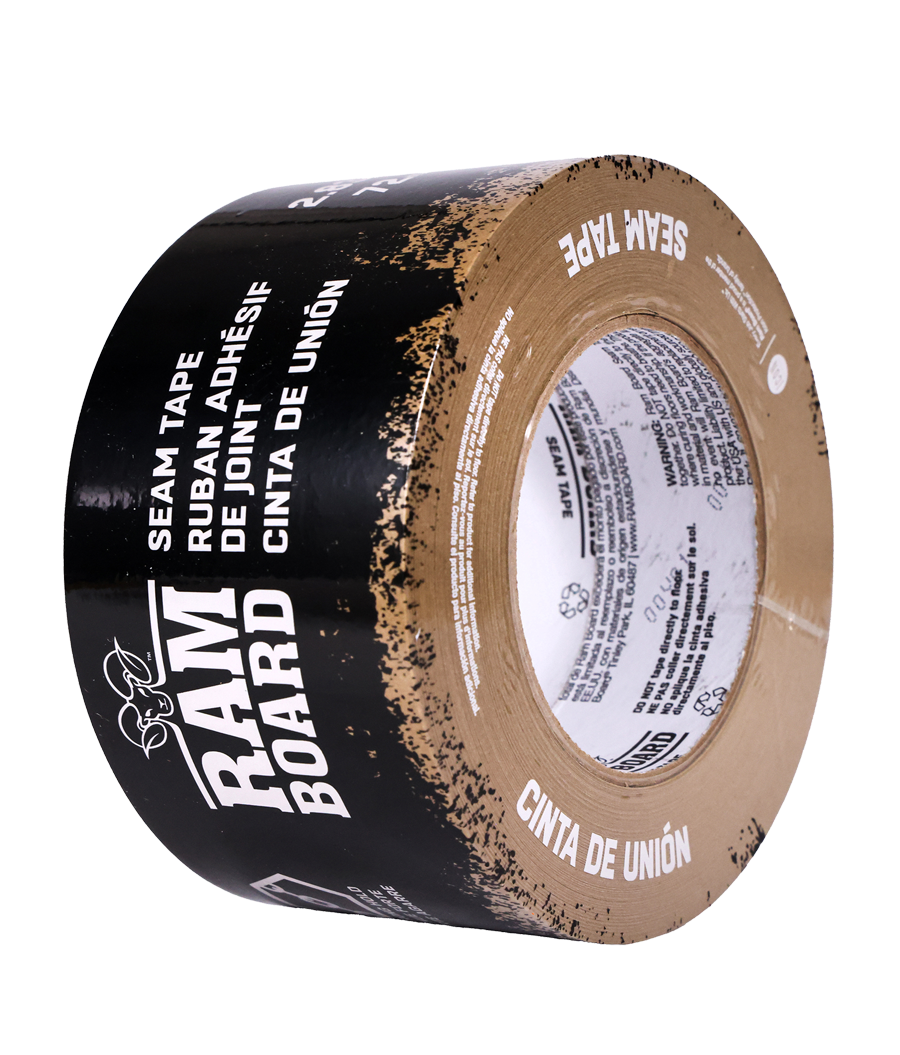
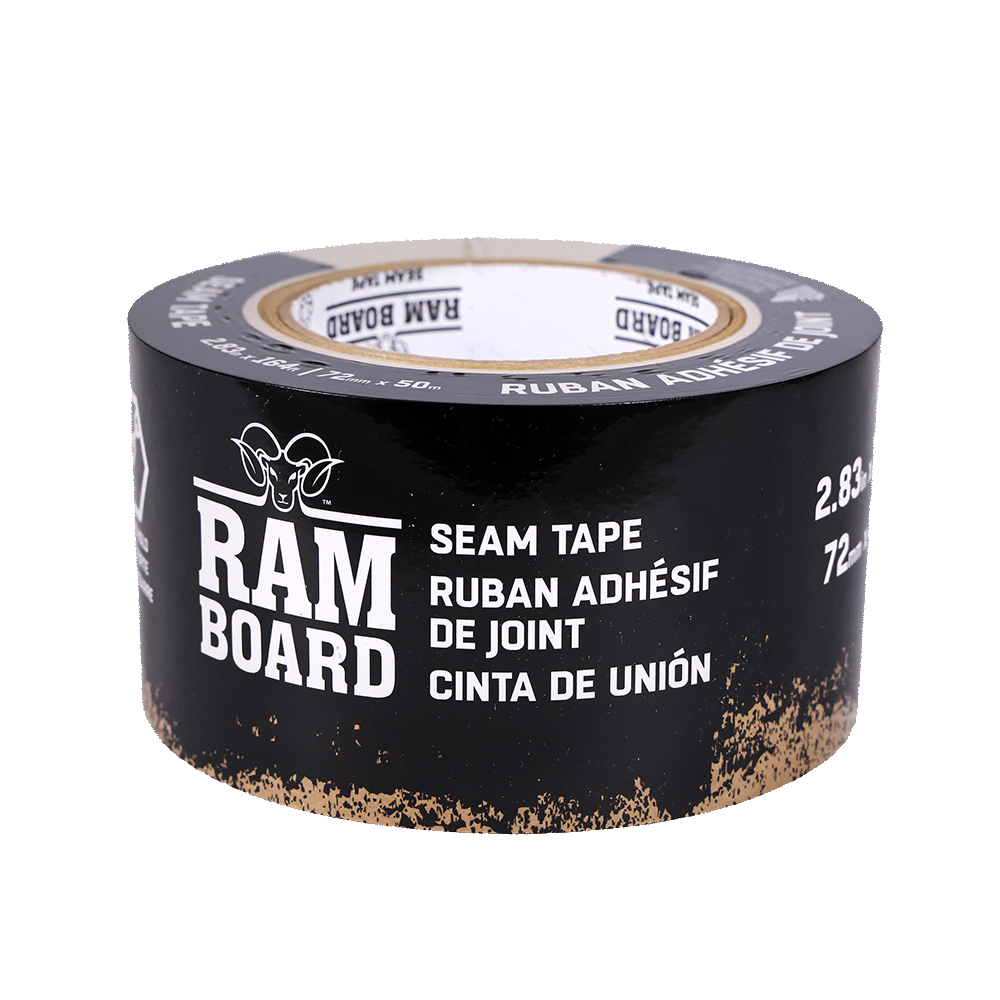
Ram Board Seam Tape roll for securely joining floor protection board seams.

Ram Board® Seam Tape

Contractor-grade kraft tape designed to securely join Ram Board® seams while remaining easy to tear by hand on site.
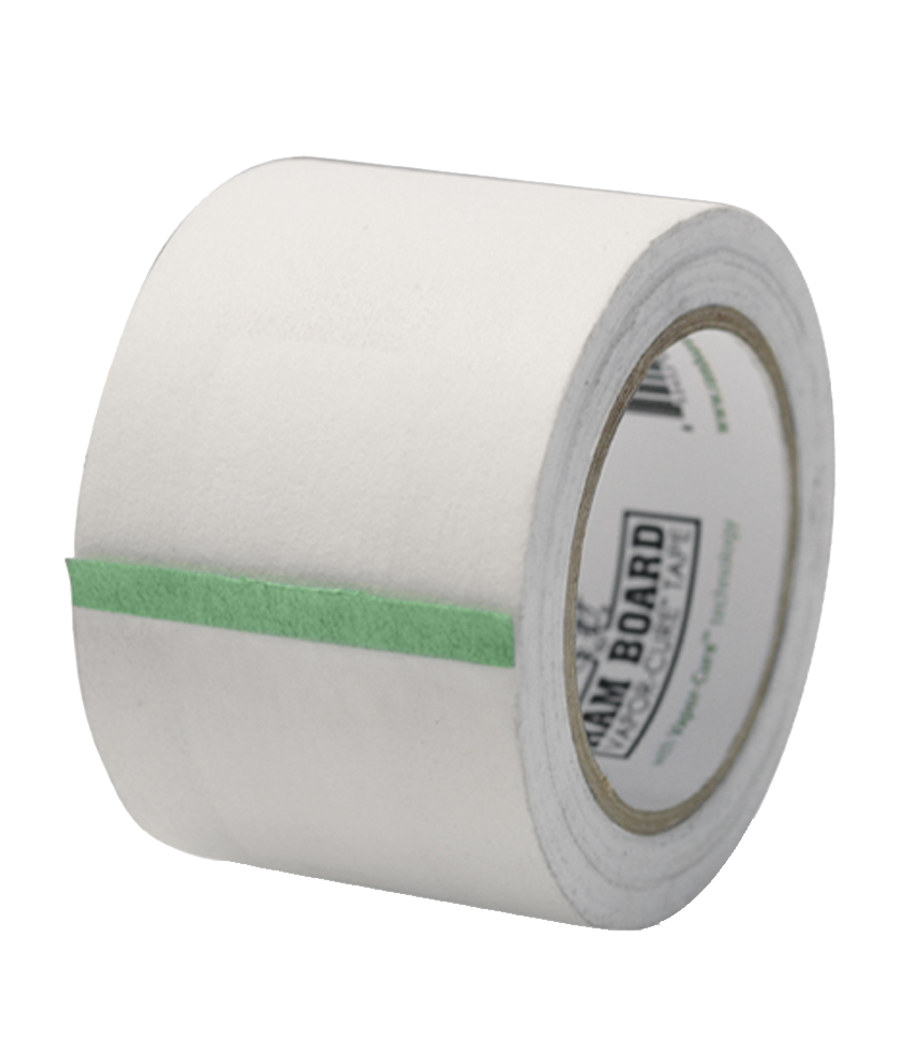
Ram Board Vapor-Cure Tape roll for joining floor protection over curing floors.

Ram Board® Vapor-Cure Tape

Breathable seam tape designed to allow moisture to escape from newly finished floors while keeping Ram Board® securely joined.
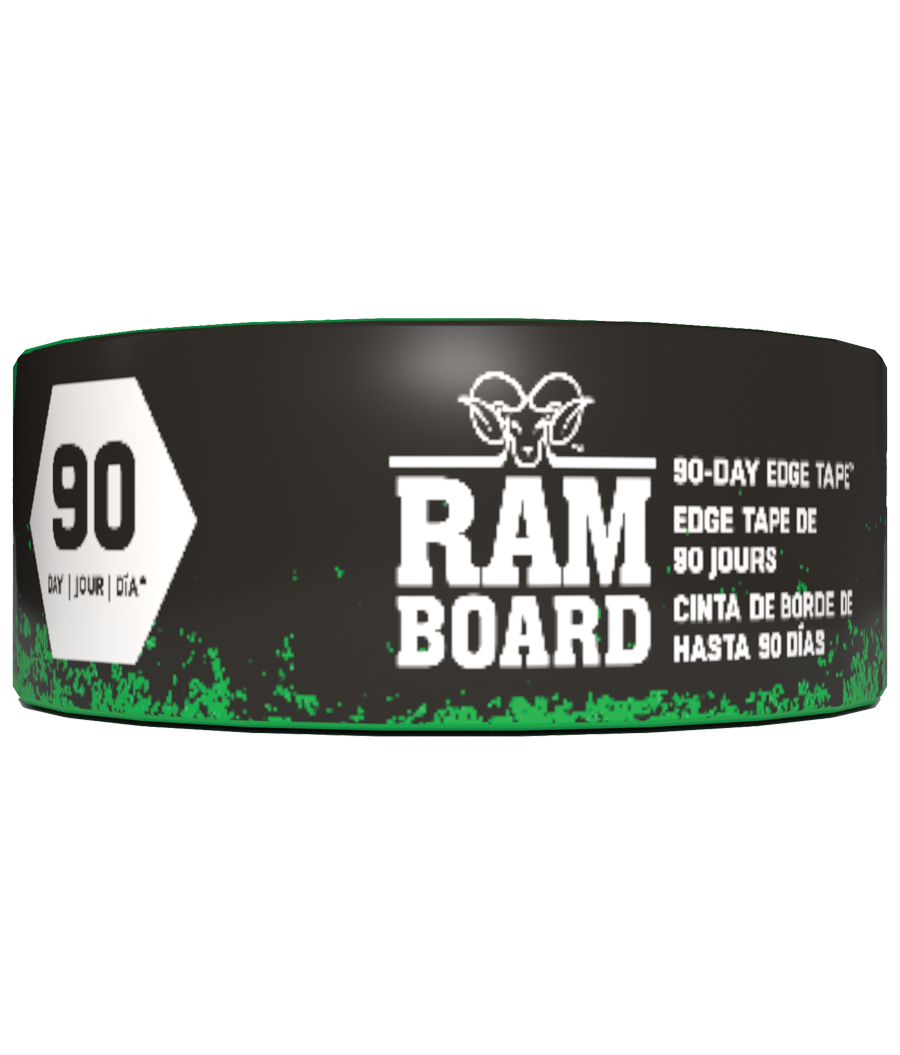
Ram Board 90-Day Edge Tape roll for securing floor protection around edges.

Ram Board® Edge Tape™: 90-Day

High-tensile edge tape designed to secure protection around perimeter edges, with clean removal for projects lasting up to 90 days.
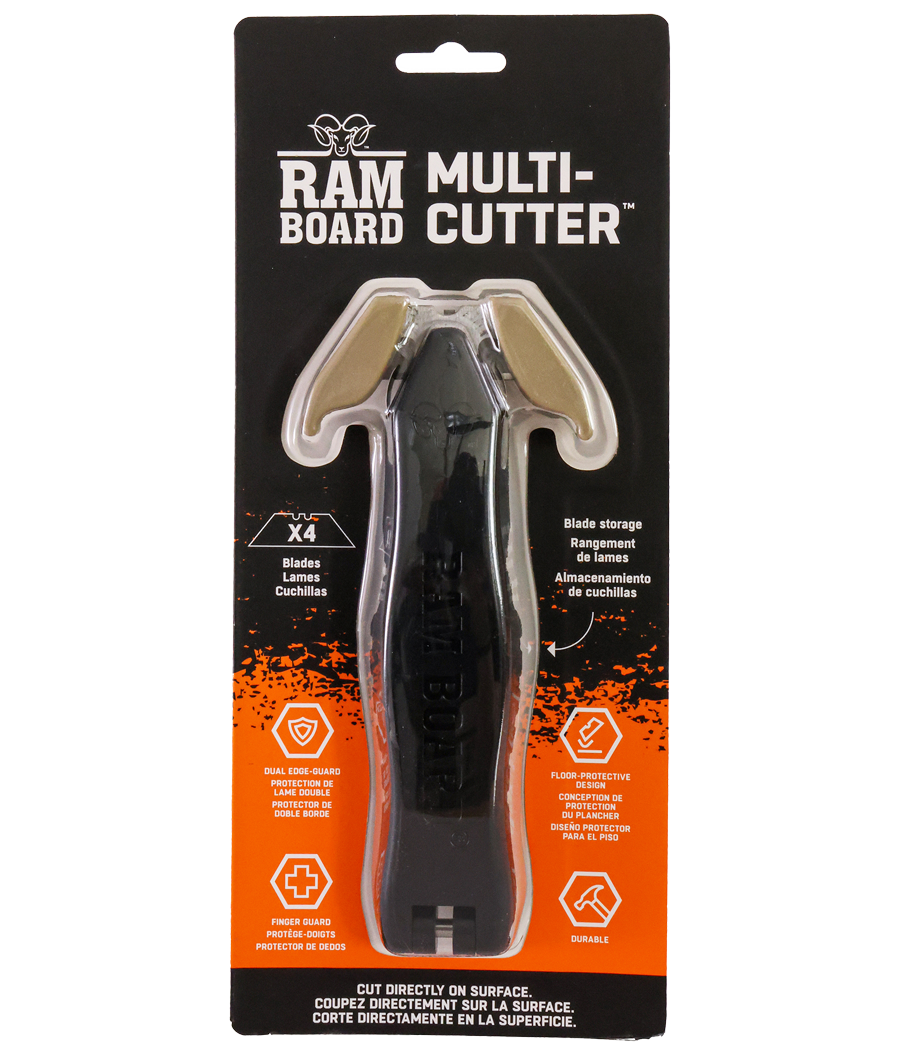
Ram Board Multi-Cutter tool for safely cutting floor protection board to size.

Ram Board® Multi-Cutter™

A purpose-built cutting tool for trimming protection board quickly and accurately while helping reduce the risk of damaging finished surfaces.

Professional Tip

Using the correct tape and cutting tool makes installation easier, helps keep the protection securely in place and reduces the risk of damaging finished surfaces during fitting or removal.

7

Common Surface Protection Mistakes

Even high-quality surface protection can fail if the wrong product is used or it is installed incorrectly.

Avoiding these common mistakes will help keep floors, carpets, glass and finished surfaces properly protected throughout the project.

1

Using the Wrong Protection

Carpet film, hard-floor film and glass film use different adhesives. Applying a product to an unsuitable surface may result in poor adhesion, residue or damage.

2

Applying Film to a Dirty Surface

Dust, grit and moisture can prevent the adhesive from bonding correctly. Trapped debris may also scratch glass or finished flooring beneath the film.

3

Leaving Protection Down Too Long

Always follow the recommended maximum application period. Leaving adhesive films or tapes in place for longer than advised may make clean removal more difficult.

4

Using Standard Tape on Finished Surfaces

General-purpose tape may leave residue or damage paint, flooring and other finishes. Use a suitable edge tape and avoid taping directly to the surface unless the product allows it.

5

Ignoring Seams and Edges

Loose joins and unsecured edges can move, curl or create trip hazards. Properly join protection boards and secure perimeter edges using the correct tape.

6

Choosing Protection That Is Too Light

A light film may be suitable for decorating but not for heavy tools, equipment or repeated trade traffic. Use protection board where greater impact resistance is required.

7

Covering a Floor Before It Has Cured

Newly installed or finished floors may need to release moisture. Use breathable protection and Vapor-Cure™ Tape where required to help prevent cure lines or uneven finishes.

8

Failing to Check the Protection

Protection can shift or become damaged as work progresses. Inspect it regularly and replace torn film, damaged sheets or loose tape before the surface underneath is exposed.

!

Before you begin: Always read the manufacturer’s instructions and test adhesive protection on a small, discreet area when working with delicate, newly finished or specialist surfaces.

8

Surface Protection FAQs

Still unsure which surface protection product you need? These frequently asked questions cover some of the most common queries about films, protection boards and installation.

Always check the individual product instructions before applying adhesive protection to delicate, specialist or newly finished surfaces.

What is the best way to protect floors during decorating?
For most painting and decorating projects, the best protection will depend on the floor surface. Use carpet protection film on carpets and hard-surface protection film on suitable finished floors such as laminate, timber, vinyl and tiles. For heavier work involving tools, equipment or repeated foot traffic, a protection board such as Ram Board® or Antinox® will provide greater impact resistance.
Can carpet protection film be used on hard floors?
No. Carpet protection film uses an adhesive designed specifically for carpet fibres and should not be applied to hard flooring. Use a dedicated hard-surface protection film instead, as its adhesive is formulated for suitable finished floors.
Can hard-floor protection film be used on carpet?
No. Hard-floor protection film is not designed to bond correctly to carpet fibres. It may move underfoot and will not provide the same secure coverage as a dedicated carpet protection film.
When should I drill a pilot hole? Pilot holes are recommended when fixing into hardwood, working close to the edge of timber, using large diameter screws or fixing into materials that are prone to splitting.
When can I skip the pilot hole? Many modern timber screws with Type 17 or C2 slash points can be driven directly into softwood without a pilot hole, saving time while still providing a secure fixing.
What happens if I don't drill one? In some materials, the screw may require more force to install, increasing the risk of splitting the timber, snapping the screw or damaging the material.
How do I choose the correct pilot hole size? As a general guide, the pilot hole should be slightly smaller than the screw's outer thread diameter. This allows the threads to grip the material while making installation easier.

Fast Fixings Tip

If you're working with hardwood or fixing within around 25mm of the end of a piece of timber, drilling a pilot hole is good practice. It reduces the risk of splitting, lowers driving torque and helps the screw drive in straighter.

How long can surface protection film be left in place?
This depends on the product. Some temporary protection films are designed for clean removal for up to 30 days, while specialist edge tapes may remain in place for up to 90 days. Always follow the manufacturer’s recommended maximum application period.
What type of screw should I use for decking? Use purpose-made decking screws. They are designed for timber decking and feature corrosion-resistant finishes and thread designs that minimise splitting.
Should I use stainless steel or coated screws? High-performance coated decking screws are suitable for most outdoor decking projects. For coastal areas, cedar, oak or other tannin-rich timbers, A2 or A4 stainless steel screws are the better choice.
Do I need to drill pilot holes? Many modern decking screws with Type 17 points or slash points don't require pilot holes in softwood. However, pilot holes are recommended when working with hardwoods or fixing close to the edge of a board.
What length decking screw should I use? As a general rule, choose a screw that is around 2½ times the thickness of the decking board. This provides sufficient penetration into the supporting joist for a strong, secure fixing.

Fast Fixings Tip

For the longest-lasting decking installation, always use screws with the correct corrosion resistance for the environment. Stainless steel screws are the best choice for coastal locations and naturally acidic timbers, while high-performance coated decking screws are ideal for most treated softwood decks.

Will surface protection film leave adhesive residue?
A suitable protection film should remove cleanly when applied to a compatible, clean and dry surface and removed within the recommended period. Applying it to an unsuitable surface or leaving it down for too long may make removal more difficult.
Can surface protection film be applied to newly finished floors?
Newly installed, painted, sealed or varnished floors may need time to cure before they are covered. Always check the flooring manufacturer’s guidance. Where moisture must continue to escape, use breathable protection products such as Ram Board® with Vapor-Cure™ Tape where appropriate.
Is hard-surface protection film suitable for marble?
Timco Hard Surface Protection Film is not suitable for marble. Specialist and porous surfaces may react differently to adhesives, so always check the product guidance and test a small, discreet area before full application.
What type of screw should I use for concrete? Purpose-made concrete screws are the best choice. They are engineered to cut directly into concrete, brick and masonry, providing a secure fixing without the need for a wall plug in many applications.
Do concrete screws need a pilot hole? Yes. A correctly sized pilot hole must be drilled first using a masonry drill bit. The screw then cuts its own thread into the masonry as it is driven in.
What are concrete screws used for? Concrete screws are ideal for fixing timber battens, brackets, cable trays, handrails, shelving, window frames and many other fixtures directly to masonry.
Are concrete screws reusable? In many light-duty applications they can be removed and reused, provided both the screw and the fixing hole remain in good condition. Always follow the manufacturer's guidance where structural performance is important.

Fast Fixings Tip

Always drill the correct diameter and depth of pilot hole before installing a concrete screw. Remove any dust from the hole before driving the screw, as this helps achieve the strongest possible fixing.

What is the difference between Ram Board® and Antinox®?
Ram Board® is supplied in a roll and is particularly effective for continuous protection across large floor areas, hallways and corridors. Antinox® is supplied in lightweight 1m x 1m sheets that can be cut and shaped easily, making it suitable for floors, walls, doors, worktops and other surfaces.
Do I need to tape surface protection boards together?
Yes. Securing seams and perimeter edges helps prevent protection boards from moving, separating or creating raised edges. Use the correct tape for the installation, such as Ram Board® Seam Tape, Vapor-Cure™ Tape or Edge Tape™.
What is the difference between seam tape and edge tape?
Seam tape is used to join separate pieces of protection board together. Edge tape is used around the perimeter to help secure the protection in place. Avoid using seam tape directly on finished flooring unless the manufacturer specifically states that it is suitable.
How should glass protection film be applied?
Clean and dry the glass thoroughly before application, making sure it is free from dust and grit. Apply the film smoothly to avoid creases and trapped debris, which could affect adhesion or mark the glass during removal.
What protection should I use on stairs?
For carpets on stairs, use a suitable carpet protection film and ensure it is applied securely. For heavier construction work, Ram Board® Stair Armor™ is designed to protect the tread, riser and bullnose of each step.
Should I clean the surface before installing protection?
Yes. Floors, carpets and glass should be clean and dry before protection is applied. Dust, grit and moisture can reduce adhesion, become trapped underneath and potentially scratch finished surfaces.
Is a dust sheet enough to protect a floor?
Dust sheets can help during light decorating work, but they may move, bunch up or create a trip hazard. Adhesive protection films stay more securely in place, while heavy-duty boards provide better protection against knocks, tools and repeated site traffic.

Need surface protection
for your next project?

From protective films to heavy-duty boards, we have everything you need to protect floors, carpets, glass and more.

Quality products. Fast delivery.
Ready when you are.