

 Screws
 Nails
Nails
 Fasteners & Fixings
 Adhesives & Building Chemicals
 Powertool Accessories
 Fence & Gate Hardware
 Building Supplies
 Security & Ironmongery
 Site and Access
 Hand Tools
 Painting & Decorating
 Workwear, PPE & Safety



Door Hinge Screws – How to Choose the Right Ones (and Why It Matters)

On November 28, 2025
Comments Off on Door Hinge Screws – How to Choose the Right Ones (and Why It Matters)
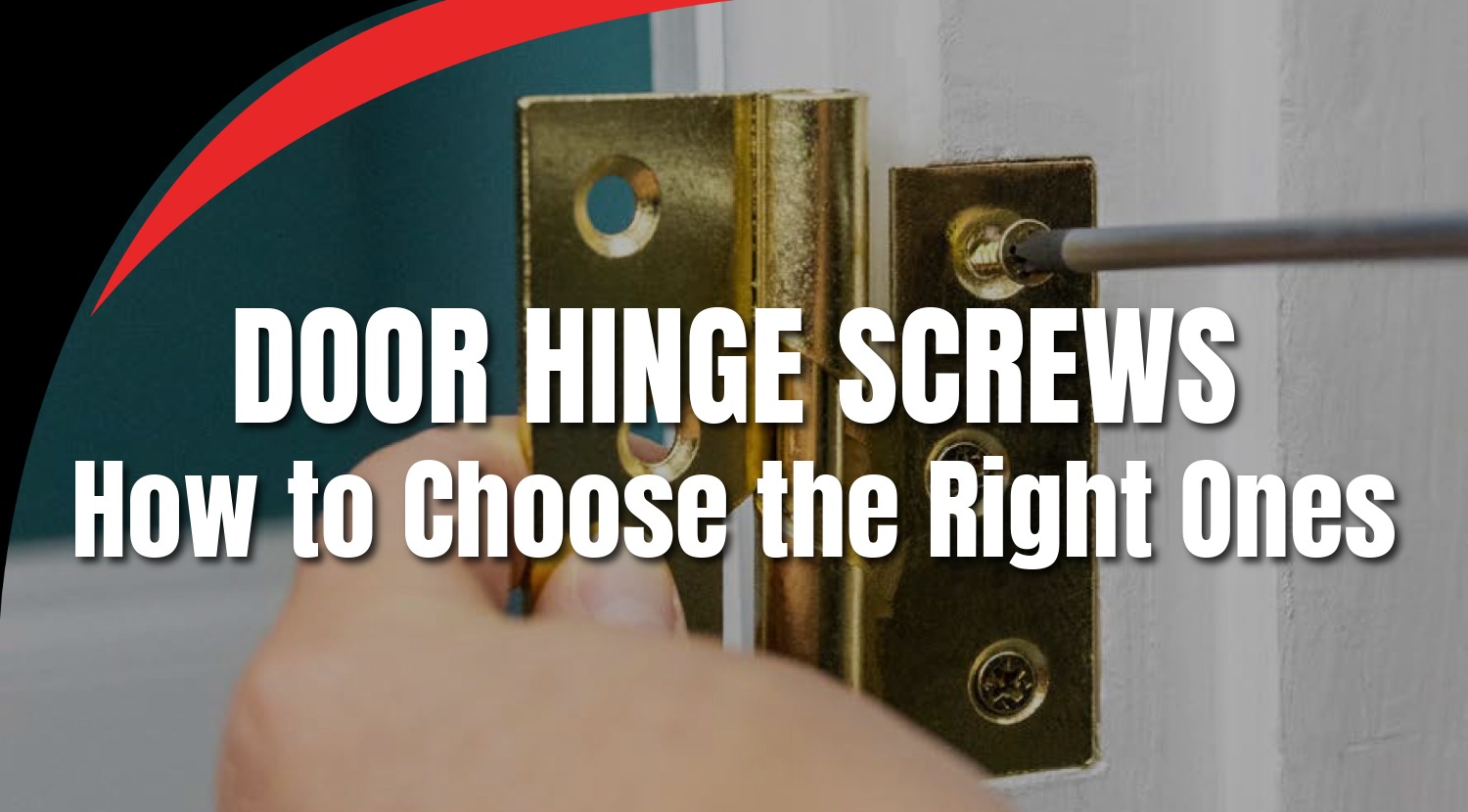
Picking the Right Door Hinge Screws for Your Doors
Choosing the correct door hinge screws is just as important as selecting the right hinges. Whether you're fitting a new internal door, replacing worn fixings or carrying out a repair, the correct screw size and finish will help keep your door secure, properly aligned and operating smoothly for years to come.
In this guide, we'll explain how to choose the right hinge screws, compare Yellow and Nickel finishes, help you select the correct size for your project and share practical fitting tips to achieve a professional result.
Not sure which type of screw you need? Read our Types of Screws Explained guide to learn about screw heads, recesses, threads and point types. If you'd like to understand screw sizes such as 3.0 × 20mm, our Understanding Wood Screw Measurements guide explains screw diameter and length in more detail.

1
Why Door Hinge Screws Matter
When fitting a door, it’s easy to focus on choosing the right hinges, but the screws securing them are just as important. Every time a door is opened or closed, the hinge screws support the weight of the door and transfer that load into the frame. Choosing the correct door hinge screws helps keep the door properly aligned, prevents movement over time and ensures smooth, reliable operation.
If the screws are too short, too thin or unsuitable for the material, the hinge can gradually loosen, leading to sagging doors, squeaking hinges and unnecessary wear. By comparison, correctly sized hinge screws create a secure fixing that keeps your door stable and looking its best for years to come.
Choosing the correct hinge screw is just as important as choosing the correct hinge.
✔
Correct Hinge Screws
Provide a strong, secure fixing that keeps the hinge firmly attached to the door and frame, helping prevent movement, sagging and premature wear.
✖
Incorrect Hinge Screws
Can loosen over time, causing doors to drop, hinges to squeak and fixings to pull away from the frame, often resulting in costly repairs.
Top Tip:
If a door has started to sag, don’t assume the hinges need replacing. In many cases, replacing worn or undersized hinge screws with the correct size is enough to restore a secure, properly aligned fit.
Although they’re only a small component, hinge screws have a big job to do. Choosing the right size, finish and fixing method from the outset will help your door perform reliably for years, whether you’re fitting a new internal door or replacing existing hardware.
2
How to Choose Door Hinge Screws
Choosing the right door hinge screw is straightforward once you know what to look for. Consider these four key factors before making your choice.
Screw Length
Choose a screw long enough to achieve a secure fixing without penetrating too deeply into the frame. We’ll explain the available sizes in the next section.
Head & Drive
Door hinge screws use a countersunk head so they sit flush within the hinge, while a Pozi drive provides a secure grip during installation.
Finish
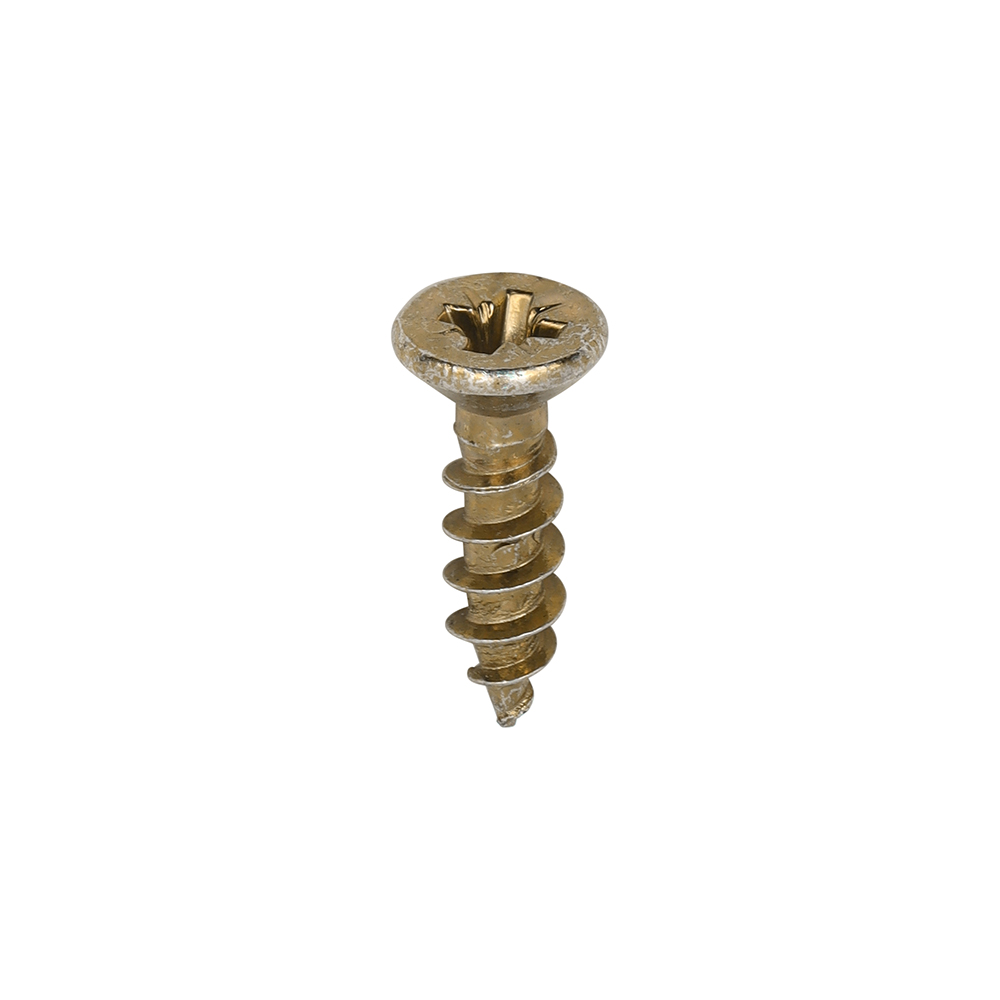
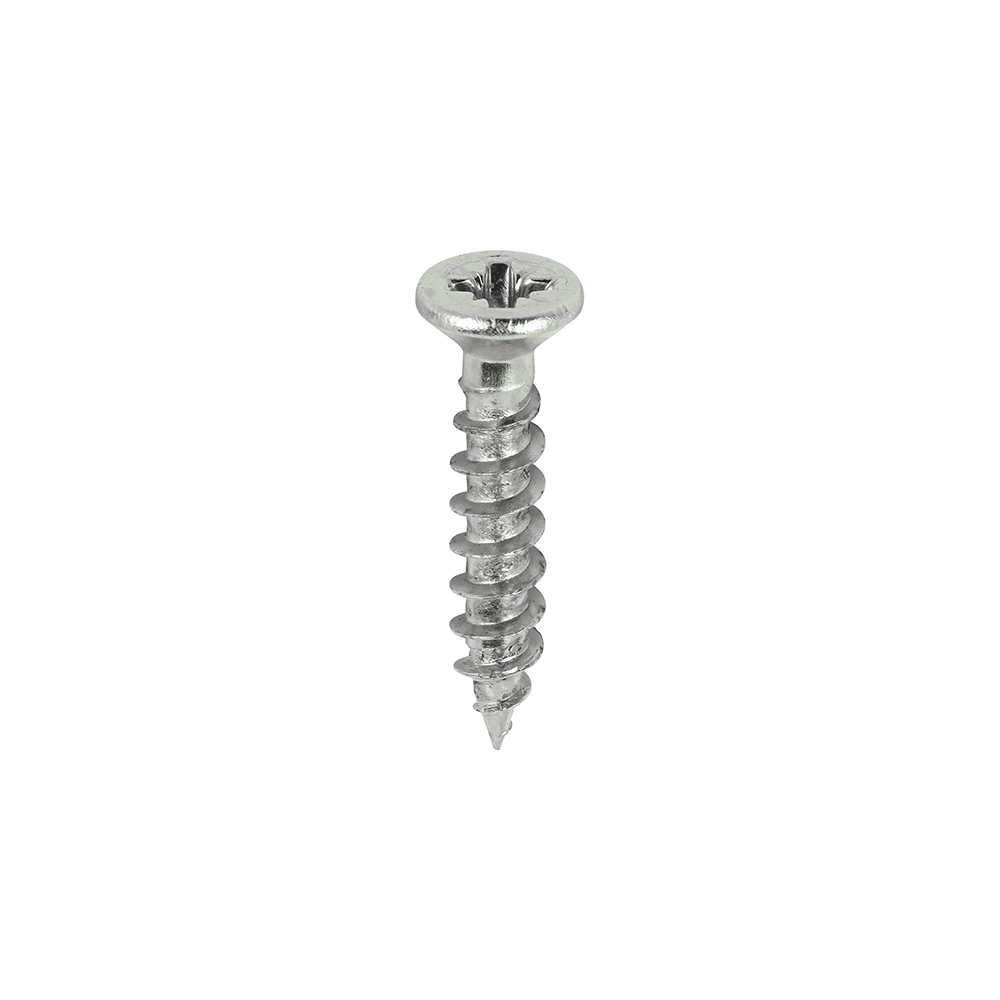
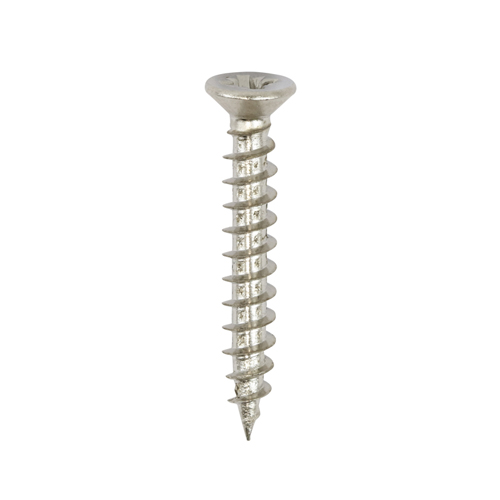
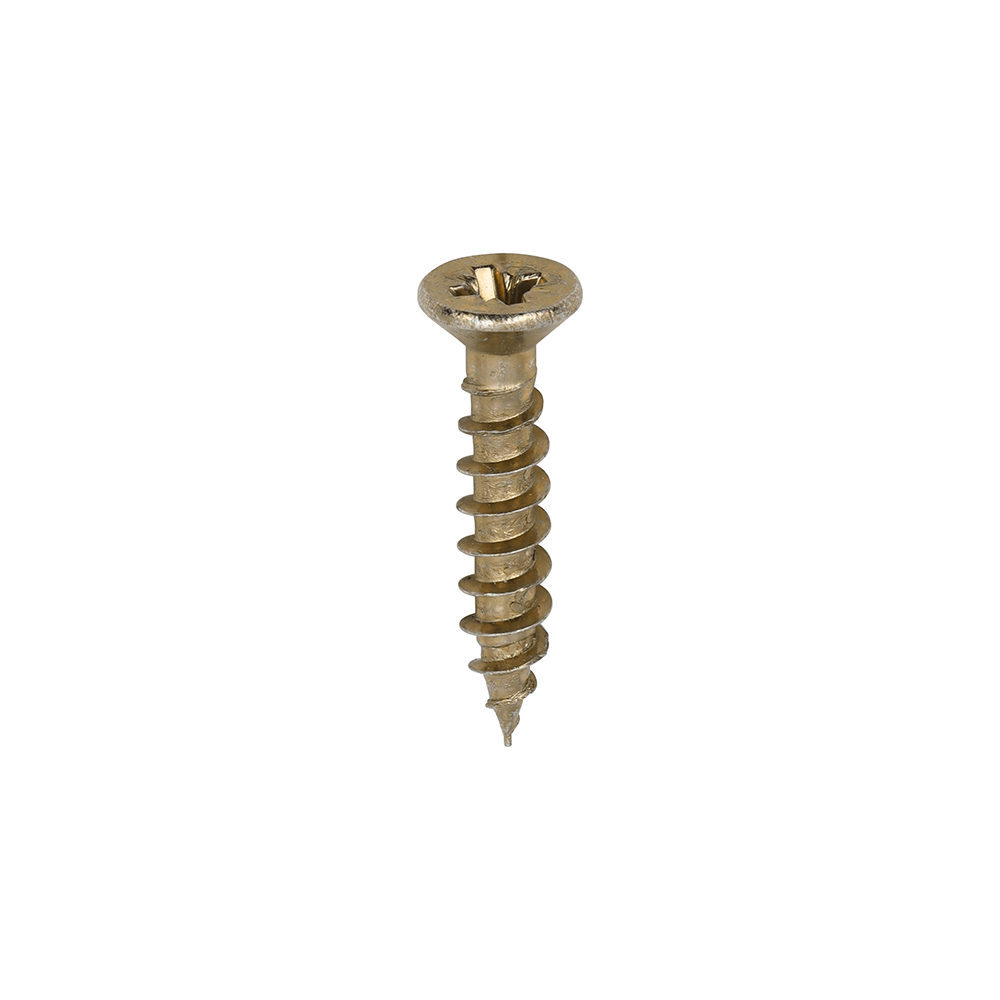
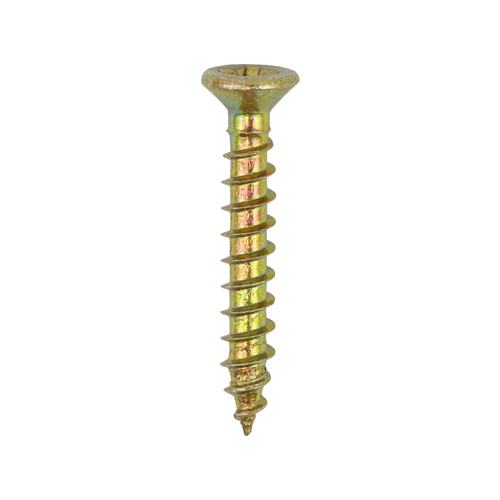
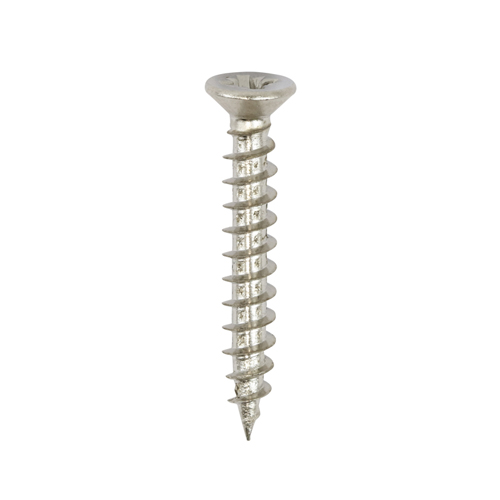
Matching the screw finish to your hinges creates a neat, professional appearance. Timco Classic Hinge Screws are available in both Yellow and Nickel finishes.
Door Material
Consider whether you’re fixing into softwood, hardwood or engineered timber. Harder materials may require pilot holes for easier installation.
Once you’ve considered these factors, the final choice comes down to selecting the right finish and screw length for your project. Let’s look at the difference between Yellow and Nickel hinge screws.
3
Yellow vs Nickel Hinge Screws
Once you’ve chosen the correct screw size, the next consideration is the finish. Timco Classic Hinge Screws are available in Yellow and Nickel, allowing you to match the visible screw heads to your hinges and surrounding door furniture.
The finish does not determine which screw length you need. Instead, it helps create a neater, more coordinated appearance once the hinge has been fitted.
Match the screw finish to your hinge for a clean, professional result.
| Feature | Yellow Hinge Screws | Nickel Hinge Screws |
|---|---|---|
| Appearance | Warm yellow or brass-toned finish | Bright silver-toned finish |
| Best matched with | Brass, yellow zinc and traditional hinges | Nickel, chrome and silver-coloured hinges |
| Style | Traditional and classic door furniture | Modern and contemporary interiors |
| Available sizes | 12mm, 16mm, 20mm and 25mm | 12mm, 16mm and 20mm |
Which finish should you choose?
Choose Yellow screws for brass or warm-toned hinges and Nickel screws for silver-toned hinges. Where the screw heads remain visible, matching the finishes will give the installation a much tidier appearance.
The screw finish is mainly an aesthetic choice, so always select the correct length for the fixing first. In the next section, we’ll look at the Timco Classic Hinge Screw sizes available and explain which applications each one suits.

4
Timco Hinge Screw Sizes Explained
Timco Classic Hinge Screws are available in four popular sizes, making it easy to choose the right screw for your hinges. The correct length depends on the hinge you're fitting and the depth of timber available behind it.
Below is a guide to where each size is commonly used. Always ensure the screw provides a secure fixing without passing completely through the timber.
Timco Classic Hinge Screws are available in four convenient sizes.
12mm
The shortest option in the range. Ideal for smaller hinges, lightweight cupboard doors, cabinets and applications where limited fixing depth is available.
16mm
A versatile size suited to many interior joinery projects, including lightweight internal doors and general furniture applications.
20mm
One of the most popular choices for standard internal door hinges, providing additional holding power while remaining suitable for most timber frames.
25mm
The longest Timco Classic Hinge Screw available. Best suited to heavier timber doors and applications where extra fixing strength is required. Available in the Yellow finish.
Top Tip
If you're unsure which size to choose, a 20mm hinge screw is the most common option for standard internal door hinges.
Now that you know the available sizes, the table below provides a quick reference to help you choose the correct hinge screw for your project at a glance.

5
Quick Size Reference Guide
Use this table as a quick guide when choosing the most suitable Timco Classic Hinge Screw for your project.
| Screw Size | Typical Applications | Available Finish |
|---|---|---|
| 12mm | Cabinet hinges, lightweight furniture and shallow fixings | Yellow & Nickel |
| 16mm | Lightweight internal doors and general joinery | Yellow & Nickel |
| 20mm | Standard internal door hinges | Yellow & Nickel |
| 25mm | Heavier timber doors and applications requiring extra holding strength | Yellow only |
Need a quick recommendation?
For most standard internal doors, 20mm Timco Classic Hinge Screws are the most popular choice. If you're matching brass hinges, choose the Yellow finish. For chrome or satin nickel hinges, choose Nickel.
6
Common Mistakes to Avoid
Even with the correct hinge screws, a few simple mistakes can affect how well your door performs. Avoid these common issues for a secure, professional-looking installation.
Using the Wrong Screw Length
A screw that's too short may not provide enough holding power, while one that's too long can penetrate through the timber or interfere with surrounding components. Always choose a length suitable for your hinge and door.
Not Matching the Finish
Visible screw heads should match the finish of the hinge wherever possible. Using yellow screws in a nickel hinge (or vice versa) can spoil the finished appearance.
Overtightening the Screws
Overtightening can damage the screw recess, strip the timber or distort the hinge. Tighten each screw until the countersunk head sits neatly flush with the hinge surface.
Skipping Pilot Holes in Hardwood
When fitting hinges to hardwood, drilling a suitable pilot hole can make installation easier and help prevent the timber from splitting.
Top Tip
Taking a few extra minutes to choose the correct screw size, finish and installation method will help ensure your hinges remain secure and your door continues to operate smoothly for years to come.
7
Frequently Asked Questions
Still have a question? Here are the answers to some of the most common questions about wood screw sizes, measurements and choosing the correct screw for your project.
Click a question below to reveal the answer.
What size screws should I use for door hinges?
For most standard internal doors, 20mm door hinge screws provide a secure fixing. Smaller hinges or furniture may require 12mm or 16mm screws, while heavier timber doors may benefit from 25mm screws.
Should hinge screws match the hinge colour?
Yes. Matching the screw finish to the hinge creates a much neater appearance. Choose Yellow screws for brass or yellow-finished hinges and Nickel screws for chrome, satin nickel or other silver-coloured hinges.
Are all door hinge screws countersunk?
Most traditional door hinges are designed for countersunk screws. The countersunk head sits flush within the hinge leaf, allowing the door to open and close smoothly without obstruction.
Do I need to drill pilot holes?
Pilot holes are recommended when fixing into hardwood, as they make installation easier and help reduce the risk of splitting the timber. For many softwoods, self-tapping hinge screws can often be installed without a pilot hole, although drilling one can still improve accuracy.
| What type of screw should I use for decking? | Use purpose-made decking screws. They are designed for timber decking and feature corrosion-resistant finishes and thread designs that minimise splitting. |
| Should I use stainless steel or coated screws? | High-performance coated decking screws are suitable for most outdoor decking projects. For coastal areas, cedar, oak or other tannin-rich timbers, A2 or A4 stainless steel screws are the better choice. |
| Do I need to drill pilot holes? | Many modern decking screws with Type 17 points or slash points don't require pilot holes in softwood. However, pilot holes are recommended when working with hardwoods or fixing close to the edge of a board. |
| What length decking screw should I use? | As a general rule, choose a screw that is around 2½ times the thickness of the decking board. This provides sufficient penetration into the supporting joist for a strong, secure fixing. |
Fast Fixings Tip
For the longest-lasting decking installation, always use screws with the correct corrosion resistance for the environment. Stainless steel screws are the best choice for coastal locations and naturally acidic timbers, while high-performance coated decking screws are ideal for most treated softwood decks.
Can I reuse old door hinge screws?
If the screws are undamaged and still provide a secure fixing, they can often be reused. However, replacing worn or damaged screws with new hinge screws is usually the best way to ensure a strong, reliable installation.
Which Timco hinge screw is the most popular?
The 20mm Timco Classic Hinge Screw is the most commonly used size for standard internal door hinges, making it the go-to choice for many joiners, carpenters and DIY projects.
Can I use ordinary wood screws for door hinges?
While ordinary wood screws may fit, purpose-made door hinge screws are designed with the correct countersunk head to sit neatly within the hinge. Choosing dedicated hinge screws helps achieve a secure fixing and a cleaner, more professional finish.

Hinge Screws
-
 Timco Classic Yellow Hinge Screws - Countersunk - 3.0mm x 12mm - Box of 200
£1.24 ex VAT(£1.49 inc VAT)
Timco Classic Yellow Hinge Screws - Countersunk - 3.0mm x 12mm - Box of 200
£1.24 ex VAT(£1.49 inc VAT)
-
Timco Classic Nickel Hinge Screws - Countersunk - 3.0mm x 16mm - Box of 200
£2.16 ex VAT(£2.59 inc VAT)
-
 Timco Classic Nickel Hinge Screws - Countersunk - 3.0mm x 20mm - Box of 200
£2.41 ex VAT(£2.89 inc VAT)
Timco Classic Nickel Hinge Screws - Countersunk - 3.0mm x 20mm - Box of 200
£2.41 ex VAT(£2.89 inc VAT)
-
Timco Classic Yellow Hinge Screws - Countersunk - 3.0mm x 16mm - Box of 200
£1.24 ex VAT(£1.49 inc VAT)
-
Timco Classic Yellow Hinge Screws - Countersunk - 3.0mm x 20mm - Box of 200
£1.41 ex VAT(£1.69 inc VAT)
-
Timco Classic Nickel Hinge Screws - Countersunk - 3.0mm x 12mm - Box of 200
£1.99 ex VAT(£2.39 inc VAT)
-
Timco Classic Yellow Hinge Screws - Countersunk - 3.0mm x 25mm - Box of 200
£1.49 ex VAT(£1.79 inc VAT)
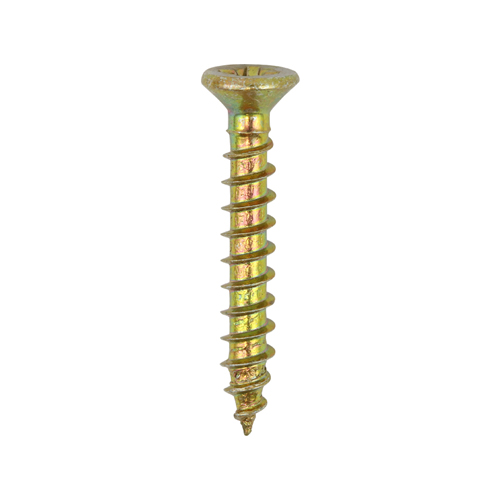
Ready to Choose the Right Door Hinge Screws?
Choosing the correct door hinge screws helps ensure your hinges remain secure, your door stays properly aligned and your installation looks its best. Whether you're fitting a new internal door, replacing worn screws or completing a joinery project, selecting the right size and finish makes all the difference.
At Fast Fixings Online, we stock Timco Classic Hinge Screws in the most popular sizes and finishes, making it easy to find the right option for your project. With the guidance in this article, you can choose with confidence and achieve a strong, reliable fixing every time.
Browse our full range of Timco Classic Hinge Screws today and complete your next project with confidence.