

 Screws
 Nails
Nails
 Fasteners & Fixings
 Adhesives & Building Chemicals

 Powertool Accessories
 Fence & Gate Hardware
 Building Supplies

 Security & Ironmongery
 Site and Access


 Hand Tools
 Painting & Decorating
 Workwear, PPE & Safety



Rib Lath Sheets
Rib lath sheets for creating a strong, reinforced key for plaster and render across walls, ceilings and challenging backgrounds.
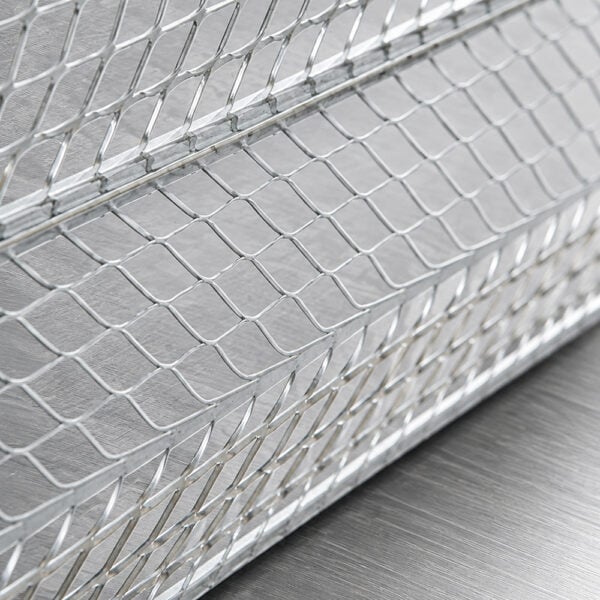
Rib Lath Sheet – Stainless Steel – 2500 x 600mm – Box of 10
In stock
£327.49 ex VAT(£392.99 inc VAT)
SKU:
RLS
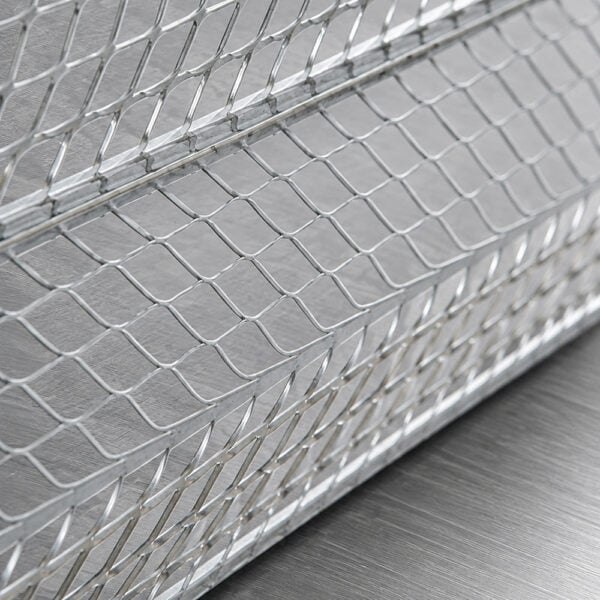
Rib Lath Sheet – Galvanised – 2500 x 600mm – Box of 10
In stock
£166.66 ex VAT(£199.99 inc VAT)
SKU:
RLG
Rib Lath Sheet
Rib lath sheets provide a strong mechanical key for plaster and render, with longitudinal ribs adding rigidity across the sheet. They are used across walls, ceilings and other backgrounds where a reinforced lathing system is required.
Rib Lath Sheets at a Glance
| Material | Sheet Size | Coverage (Approx.) | Pack Qty | Best For |
|---|---|---|---|---|
| Pre-galvanised steel | 2500 x 600mm | 1.5m² | Box of 10 | Internal and sheltered applications |
| Stainless steel | 2500 x 600mm | 1.5m² | Box of 10 | Applications requiring greater corrosion resistance |
What is rib lath used for?
Rib lath provides a reinforced background and mechanical key for plaster and render. Its expanded metal construction allows the applied material to work through and around the lath, while the longitudinal ribs increase rigidity across the sheet.
- Creates a mechanical key for plaster and render
- Provides a rigid reinforced lathing background
- Suitable for wall and ceiling applications
- Supports plaster and render over challenging backgrounds
- Used across plastering, rendering and refurbishment work
Where should rib lath be used?
Rib lath can be used as part of plastering and rendering systems where a reinforced lathing background is required.
Typical applications include:
- Walls and ceilings
- Masonry and challenging backgrounds
- Plaster and render reinforcement
- Refurbishment and repair work
- Areas where a more rigid lathing sheet is required
Always follow the relevant product and system guidance when selecting, fixing and installing rib lath.
Rib lath vs expanded metal lath
Rib lath and expanded metal lath sheets both provide a mechanical key for plaster and render, but their construction differs.
Expanded metal lath (EML) has a flat expanded mesh construction and provides a versatile plaster and render key across a wide range of backgrounds.
Rib lath incorporates longitudinal ribs that increase rigidity across the sheet, making it useful where a more rigid lathing background is required.
The correct option will depend on the substrate, application and project specification.
Choosing the right material
Galvanised rib lath is commonly used for internal and sheltered applications in dry conditions, providing a strong and practical lathing background for plaster and render.
Stainless steel rib lath provides greater corrosion resistance and is suited to applications where additional protection against moisture and exposure is required.
Always select the material to suit the environment, plaster or render system and project specification.
Supplied in trade box quantities
Our rib lath sheets measure 2500 x 600mm, providing approximately 1.5m² of coverage per sheet. Supplied in boxes of 10, they are well suited to larger plastering, rendering and refurbishment projects where consistent materials are required across the job.
Related Plastering & Reinforcement Products
If you're preparing or reinforcing backgrounds for plaster and render, you may also need other lath and reinforcement products for different applications.
- Expanded Metal Lath Sheet – for creating a versatile mechanical key and reinforcing backgrounds before plastering or rendering.
- Alkaline Resistant Render Mesh – for reinforcing plaster and render systems and helping control surface cracking.
- Expanded Metal Lath Coil – or reinforcing brick and blockwork within mortar joints.
Not sure whether you need rib lath, expanded metal lath, render mesh or another reinforcement product? Read our Complete Guide to Plasterboard Beading for help comparing the different reinforcement products, bead types, materials and applications.
Rib Lath FAQs
What is rib lath used for?
Rib lath is used to provide a reinforced background and mechanical key for plaster and render across a range of wall, ceiling and other suitable applications.
What is the difference between rib lath and expanded metal lath?
Both create a mechanical key for plaster and render. Rib lath incorporates longitudinal ribs that increase rigidity across the sheet, while standard expanded metal lath has a flatter expanded mesh construction.
Can rib lath be used externally?
The suitability of rib lath for external or exposed applications depends on the material, plaster or render system and project specification. Stainless steel provides greater corrosion resistance where required.
When should I use rib lath instead of standard EML?
Rib lath may be specified where a more rigid lathing background is required. The correct choice depends on the substrate, application and system requirements.
Need help choosing the right rib lath?
If you're unsure whether rib lath or expanded metal lath is right for your job, get in touch and our team will help you choose the most suitable option for your application.